

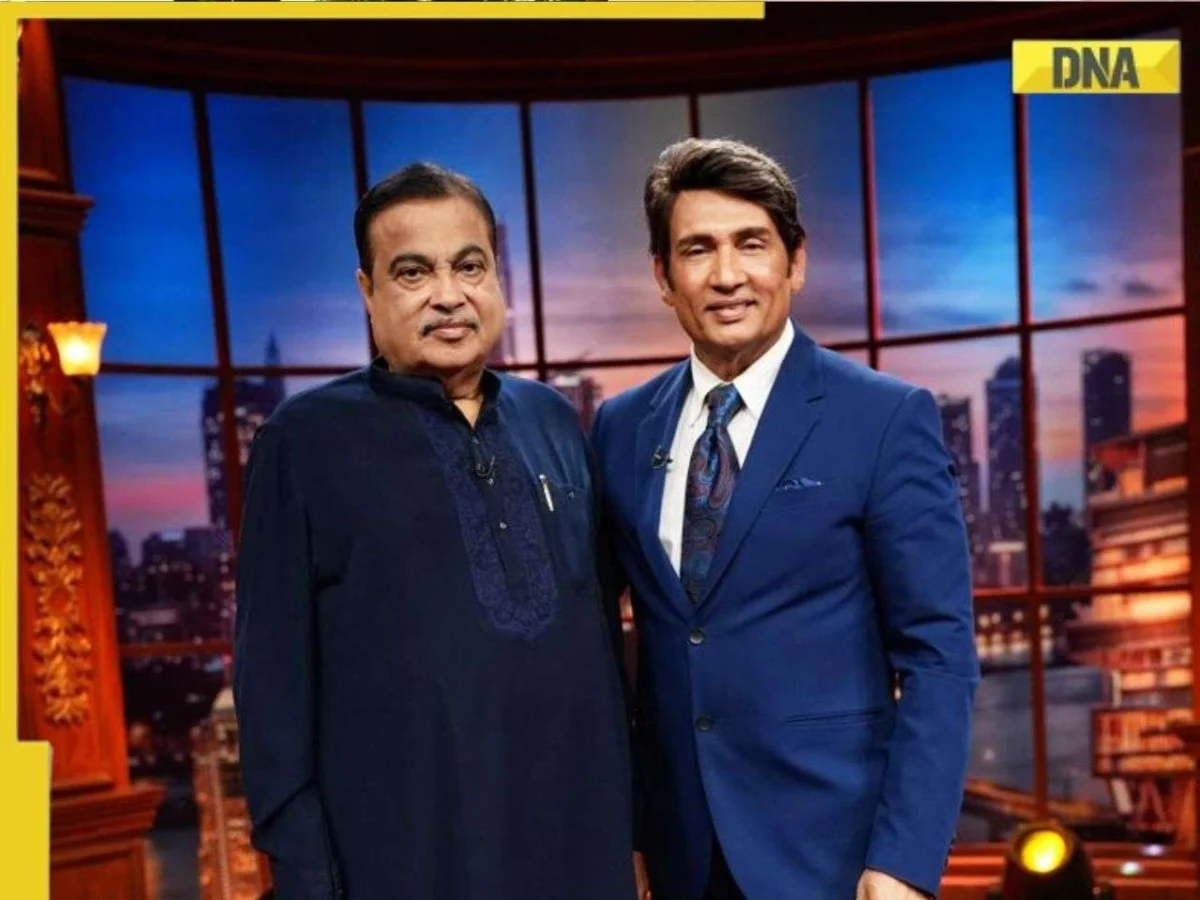
New Delhi, India – May 15, 2026 – A prominent Bollywood figure has ignited a national discussion on linguistic identity and inclusivity, directly confronting a key Union Minister over the controversial imposition of the Marathi language on migrant workers. Actor Shekhar Suman, known for his sharp wit and incisive questioning, hosted Union Minister for Road Transport and Highways, Nitin Gadkari, on the inaugural episode of his revived talk show, "Shekhar Tonight." The exchange, which delved into the complexities of language, regional pride, and national unity, has sent ripples through political and social circles.
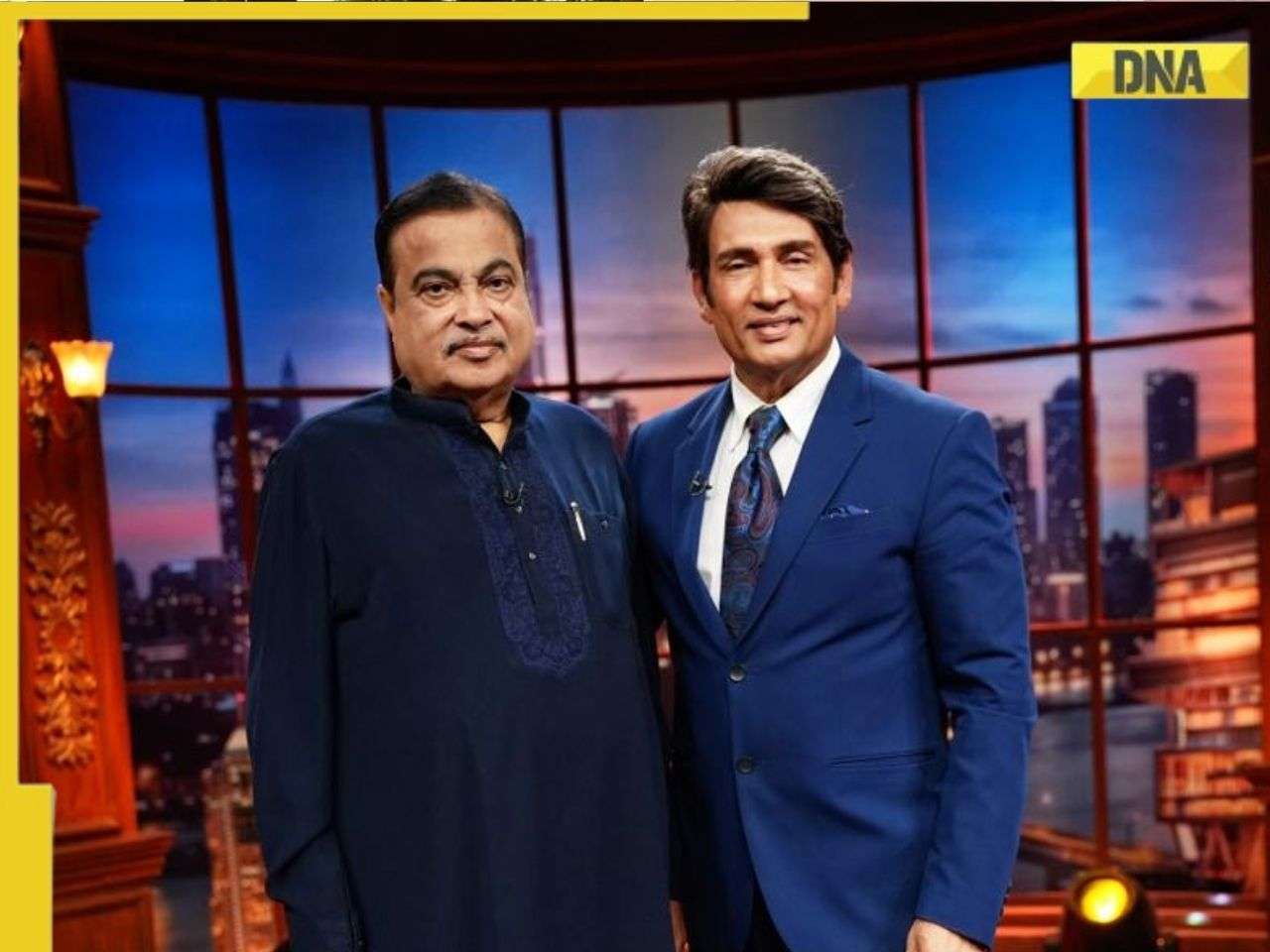
The core of the controversy lies in recent pronouncements suggesting that individuals unable to speak Marathi would face restrictions in professions like auto-rickshaw and scooter driving within Maharashtra. This has been perceived by many, including Suman, as an exclusionary policy that could disadvantage migrant communities, particularly those from other states. Suman, humorously yet pointedly, expressed his apprehension, stating, "It was recently said that those who cannot speak Marathi will not be allowed to drive autos or scooters. This made Biharis like us a little nervous. Take care of us too."
)
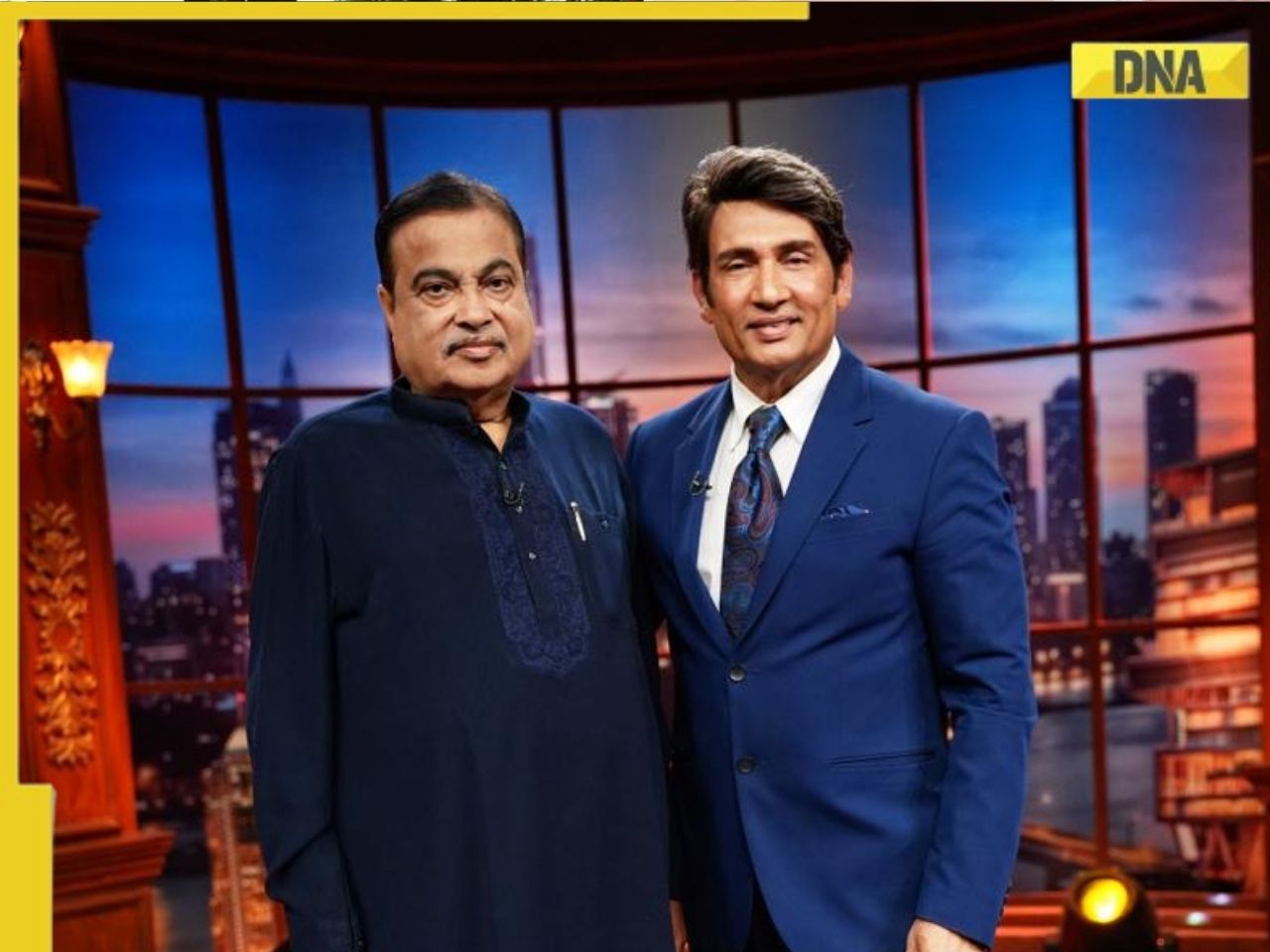
Minister Gadkari, however, responded with a nuanced defense of regional pride, while also offering a conciliatory perspective that acknowledged the concerns of migrant workers. The exchange, broadcast widely, has become a focal point for a broader debate about the balance between celebrating regional cultures and ensuring a welcoming environment for all citizens in a diverse India.
)
The Genesis of the Debate: Regional Pride and Linguistic Identity
Minister Nitin Gadkari, a seasoned politician with deep roots in Maharashtra, articulated a strong sense of pride in his home state’s linguistic and cultural heritage. During his conversation with Suman, Gadkari emphasized the profound importance of the Marathi language and culture, particularly when experienced from outside the state.

"We are proud of the Marathi language, Marathi culture, Marathi theatre, Marathi literature, Marathi songs, and poets like Arun and Shridhar Phadke," Gadkari stated. "When I started spending more time outside Maharashtra, I really understood the importance of the Marathi language. Our biggest strength is ‘Unity in Diversity,’ and that is what makes our country so beautiful." This sentiment underscores a common perspective within many Indian states, where the preservation and promotion of regional languages are seen as vital to cultural identity.
)
However, the application of this pride in the form of mandates has been the crux of the issue. The reported directives regarding the mandatory use of Marathi for drivers of commercial vehicles have been interpreted by some as a coercive measure, rather than a celebration of linguistic heritage. This has led to concerns about potential discrimination against individuals whose primary language is not Marathi, irrespective of their contribution to the local economy and services.
)
Shekhar Suman’s Direct Challenge: A Question of Inclusivity
Shekhar Suman, a respected figure in the Indian entertainment industry, seized the opportunity to address this sensitive issue head-on. His direct questioning of Minister Gadkari reflected the anxieties felt by many migrant workers and their families who contribute significantly to the socio-economic fabric of Maharashtra.
)
Suman’s query was not merely an abstract discussion; it was rooted in the lived experiences of individuals who, like himself, hail from other states. His mention of "Biharis like us" highlighted the pan-Indian nature of migration and the shared concerns that arise when regional policies are perceived as potentially exclusionary. The actor’s ability to blend humor with a serious concern resonated with a broad audience, making the issue more accessible and relatable.
)
The underlying principle of Suman’s question was about the spirit of Indian nationhood, which, in theory, champions a mosaic of cultures and languages coexisting harmoniously. When regional linguistic policies appear to create barriers for certain communities, it raises questions about whether the principle of "Unity in Diversity" is being effectively upheld. The fear is that such policies, while perhaps well-intentioned in promoting local culture, could inadvertently foster resentment and division.
)
Nitin Gadkari’s Response: A Balancing Act of Pride and Pragmatism
Minister Gadkari’s response to Suman’s pointed question was multifaceted, attempting to balance the assertion of regional pride with a pragmatic acknowledgment of the concerns raised. Initially, Gadkari offered a spirited defense of developmental initiatives undertaken in Bihar, suggesting that such efforts would be counterproductive if the central government or the ruling party were inherently against Biharis. "You are a Bihari. I’ll tell you one thing. After Bihar became a separate state (referring to the division of Bihar and Jharkhand), we built the maximum number of bridges and roads on the river Ganga and changed the picture of the entire state of Bihar. If we were against Biharis, would we have done all this?" This retort aimed to contextualize the issue within a broader narrative of national development and inter-state cooperation.
)
However, Gadkari quickly pivoted to a more direct and conciliatory stance on the Marathi language issue. He acknowledged the personal commitment required to adapt to local environments and languages. "We even said that, ‘If I had no other work and had to drive an auto-rickshaw, I would also learn Marathi’," he remarked. This statement, while perhaps intended to be lighthearted, conveyed a crucial message: that learning the local language is an act of respect and integration.
)
Crucially, Gadkari then offered a cautionary note against linguistic fanaticism. "If you do not know the language there, then your work can be affected. Every language should be proud of its literature and culture, but this pride should never turn into fanaticism or obsession," he articulated. This statement is perhaps the most significant part of his response, as it draws a clear line between legitimate pride in one’s language and culture, and an aggressive or exclusionary imposition that can alienate communities. It suggests a recognition that while promoting Marathi is important, it should not come at the expense of alienating or discriminating against non-Marathi speakers.
)
Broader Implications: Politics, Principles, and the Public Mandate
Beyond the immediate exchange on the Marathi language debate, the conversation with Minister Gadkari touched upon broader themes of politics, principles, and the role of the public in shaping governance. Gadkari’s reflections on the nature of politics offered insights into the complexities of decision-making in a democratic framework.
)
"Politics is not just about gaining power. It is a blend of agreements, compulsions, limitations, and contradictions," he stated, offering a candid perspective on the often-unseen dynamics of the political arena. He further posited that the public itself bears significant responsibility for the political landscape. "But the truth is that sometimes the people themselves are more responsible than political parties or leaders for what angers them. The day the public decides what it will accept and what it will not, and does not vote for those who do wrong politics, the system will start changing. If the public comes forward with full determination, both politics and the entire system can change."
)
This assertion places a powerful onus on the electorate to hold leaders accountable and to actively participate in shaping the political discourse. It suggests that the power to effect change ultimately lies with the people, who can either perpetuate or challenge existing systems through their voting choices and their engagement with societal issues.
)
Furthermore, Gadkari’s personal articulation of his principles provided a glimpse into his approach to public life. He emphasized a commitment to not compromising on values, particularly in the face of divisive politics. His strong stance against caste politics, and his declaration that every person in his constituency is his own, regardless of their vote, highlights a vision of inclusive governance that transcends narrow identity politics. "For me, every person in my Lok Sabha seat is his or her own, whether they voted for me or not. My entire area is my family, and I work for everyone equally. I will never discriminate against anyone on the basis of caste, religion, faith, language, or gender." This commitment to secular and equitable governance, if emulated, could serve as a powerful antidote to the divisive forces that often plague public discourse.
)
Conclusion: A Call for Inclusive Dialogue and Balanced Development
The exchange between Shekhar Suman and Nitin Gadkari has served as a critical catalyst, bringing the complexities of linguistic policy and national unity into sharper focus. While Minister Gadkari’s affirmation of Marathi pride is understandable within the context of regional identity, his subsequent remarks advocating against fanaticism and obsession offer a crucial pathway towards a more inclusive future.
)
The debate underscores the delicate balance required in a country as diverse as India. Celebrating regional languages and cultures is essential for preserving heritage, but these efforts must be implemented in a manner that does not alienate or discriminate against any community. The concerns raised by Suman, reflecting the anxieties of migrant workers, are valid and deserve serious consideration.
)
Ultimately, the conversation points towards the need for a continuous and open dialogue between various stakeholders – politicians, cultural leaders, community representatives, and the general public – to navigate these complex issues. As Minister Gadkari himself suggested, the power of the people to drive change is paramount. By demanding inclusive policies and holding leaders accountable, citizens can help ensure that the pursuit of regional pride does not undermine the fundamental principle of national unity and the rights of all individuals to contribute to and benefit from the nation’s progress. The incident serves as a reminder that in India’s vibrant tapestry of languages and cultures, true strength lies not in the imposition of one over the other, but in the harmonious coexistence and mutual respect of all.
