

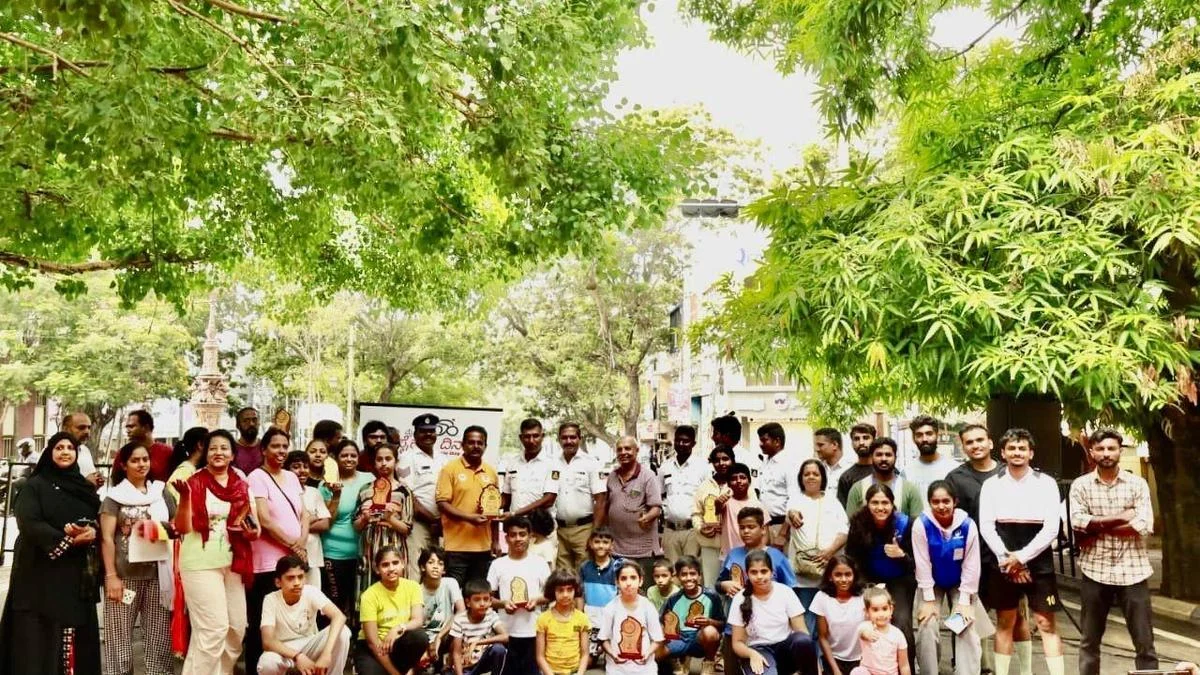
Mysuru, India – May 11, 2026 – The city of Mysuru vibrated with renewed energy on Monday as the fourth edition of "Mysuru Cycle Day" unfolded, transforming the streets of Saraswathipuram into a vibrant testament to sustainable urban living. This annual initiative, spearheaded by the Mysuru City Corporation (MCC) in collaboration with key environmental and development organizations, underscored a powerful commitment to cleaner air, improved public health, and the reimagining of urban spaces as people-centric hubs. The event saw an overwhelming turnout, with hundreds of cycling enthusiasts, students, and residents of all ages participating in a joyous celebration of eco-friendly transportation and community engagement.
A City United for a Greener Tomorrow: The Core of Mysuru Cycle Day
At its heart, Mysuru Cycle Day is more than just a cycling event; it is a deliberate and impactful demonstration of the city’s dedication to fostering a culture of sustainable mobility. The overarching goal is to actively promote alternatives to private vehicular transport, thereby mitigating air pollution and its detrimental effects on public health. By designating specific stretches of road as "Open Streets," the event challenges the conventional perception of roads as solely conduits for motor vehicles, instead envisioning them as dynamic public spaces that can be reclaimed for community activities, recreation, and a healthier lifestyle.
The fourth iteration of this initiative, held in the bustling Saraswathipuram area, built upon the successes of previous years, solidifying its position as a significant fixture in Mysuru’s urban calendar. The MCC, in its capacity as the primary organizer, has consistently emphasized the multifaceted benefits of such events, ranging from individual well-being to the collective environmental health of the city. The strong turnout on Monday serves as a clear indicator of the growing public awareness and enthusiasm for embracing cleaner and more active modes of transportation.
A Day of Action: Tracing the Momentum of Mysuru Cycle Day
The genesis of Mysuru Cycle Day can be traced back to a growing recognition within the city administration and among its citizens of the urgent need to address urban pollution and promote healthier lifestyles. The event’s evolution over the past four years reflects a maturing understanding of the interconnectedness between urban planning, environmental sustainability, and the quality of life for residents.
-
Inaugural Year (Circa 2023): The first Mysuru Cycle Day was launched with the ambitious aim of introducing the concept of car-free zones and promoting cycling as a viable and enjoyable mode of transport. While initial participation might have been more focused among cycling clubs and environmentally conscious groups, it laid the crucial groundwork for future expansions. The MCC, alongside its early partners, focused on raising awareness and demonstrating the potential for transforming city streets.
-
Second Year (Circa 2024): Building on the initial success, the second Mysuru Cycle Day saw an increased number of participants and a broader geographical reach within the city. Efforts were made to integrate more community groups and educational institutions, fostering a wider sense of ownership and participation. The concept of "Open Streets" began to take a more prominent role, showcasing how roads could be temporarily repurposed for public enjoyment.
-
Third Year (Circa 2025): By the third year, Mysuru Cycle Day had established itself as a significant event on the city’s calendar. The collaboration with organizations like GIZ and ESAF, focused on Sustainable Urban Mobility and Air Quality, became more formalized, bringing in expertise and resources to enhance the event’s impact and reach. The integration of traditional games and cultural activities further enriched the experience, appealing to a wider demographic.
-
Fourth Year – Present (May 11, 2026): The current edition marks a significant milestone, characterized by robust participation and a clear demonstration of the event’s growing influence. The five-kilometer cycle rally in Saraswathipuram served as the focal point, drawing hundreds of enthusiasts. The expansion of "Open Street" activities and the inclusion of traditional games further cemented the event’s role in fostering community bonds and offering diverse avenues for engagement. The strong support from various government departments and the proactive involvement of the Mysuru city police and traffic police were instrumental in ensuring the smooth and safe execution of the day’s proceedings.
Data-Driven Impact: Quantifying the Benefits of Sustainable Mobility
While specific quantifiable data for the 2026 Mysuru Cycle Day is still being compiled, the broader implications of such initiatives are supported by a wealth of research and anecdotal evidence. The success of Mysuru Cycle Day can be understood through several key areas:
-
Air Quality Improvement: Regular and widespread adoption of cycling directly contributes to a reduction in vehicular emissions, particularly carbon monoxide, nitrogen oxides, and particulate matter. These pollutants are major contributors to respiratory illnesses, cardiovascular problems, and smog. By encouraging a shift away from fossil-fuel-dependent transport, events like Mysuru Cycle Day play a vital role in creating healthier urban air. Studies from cities that have implemented similar "car-free" initiatives have consistently shown measurable improvements in local air quality during the event days.
-
Public Health Enhancement: The physical activity inherent in cycling offers significant health benefits. Regular cycling can lead to improved cardiovascular health, reduced risk of obesity, diabetes, and certain types of cancer. Furthermore, the mental health benefits of engaging in physical activity in an open and social environment are substantial, reducing stress and promoting a sense of well-being. Mysuru Cycle Day provides a safe and encouraging environment for residents to incorporate physical activity into their routines.
-
Reduced Traffic Congestion: By promoting cycling as an alternative, these events contribute to a decrease in the number of vehicles on the roads, thereby alleviating traffic congestion. This not only saves time for commuters but also reduces the associated stress and fuel consumption. The "Open Street" concept further emphasizes the potential for reclaiming road space from traffic for more beneficial community uses.
-
Economic Benefits: While not always immediately apparent, sustainable mobility can lead to long-term economic advantages. Reduced healthcare costs due to improved public health, lower spending on fossil fuels, and the potential for increased local economic activity through pedestrian-friendly zones can all contribute to a healthier urban economy.
-
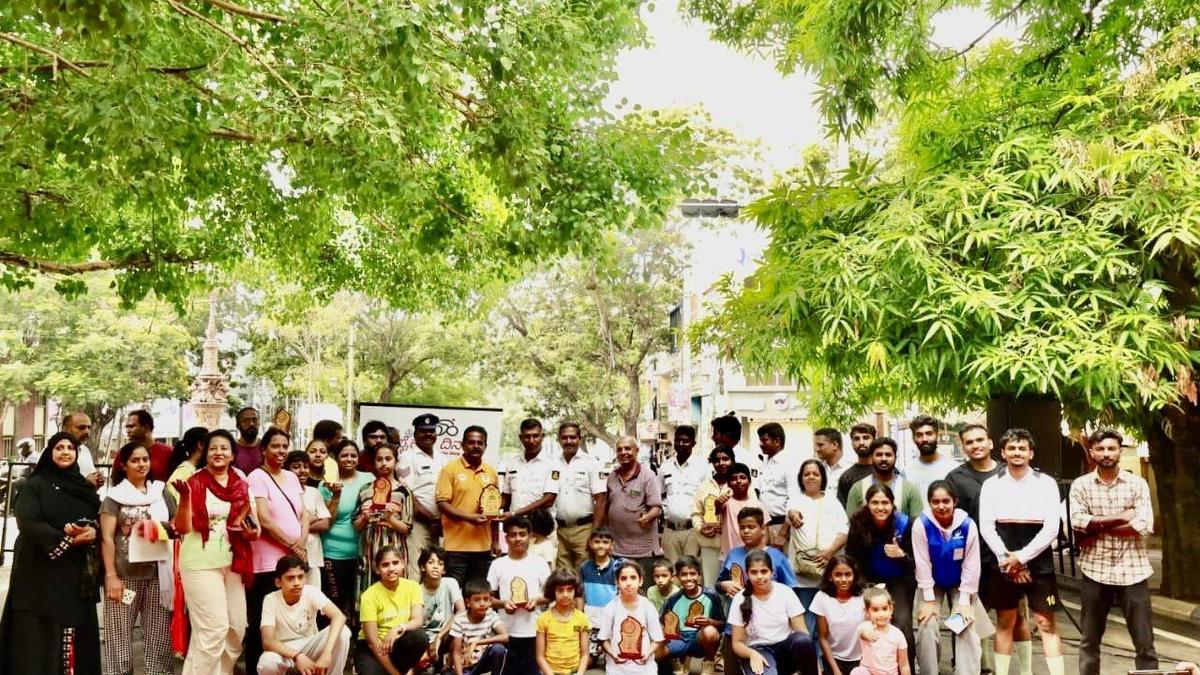
Social Cohesion and Community Building: Events like Mysuru Cycle Day create opportunities for people from diverse backgrounds to interact, connect, and participate in shared activities. The transformation of streets into vibrant public spaces fosters a sense of community ownership and belonging, strengthening social bonds within the city.
Voices from the Helm: Official Statements and Commitments
The success of Mysuru Cycle Day is a testament to the strategic vision and collaborative spirit championed by the Mysuru City Corporation and its partner organizations.
Mr. K. Harish, Commissioner of the Mysuru City Corporation, expressed immense satisfaction with the turnout and the enthusiastic participation. He stated, "Mysuru Cycle Day is rapidly evolving into a cornerstone of our efforts to create a more livable, breathable, and healthy city. The overwhelming response from our citizens today is a clear indication that the message of sustainable mobility is resonating. We are deeply grateful to GIZ, ESAF, the Mysuru city police, traffic police, NCC cadets, educational institutions, and all our volunteers who have made this event a resounding success. This is not just about cycling; it’s about building a stronger, more connected community and securing a cleaner future for generations to come."
Ms. Priya Sharma, a representative from GIZ (Deutsche Gesellschaft für Internationale Zusammenarbeit), highlighted the significance of the event within the broader context of sustainable urban development. "Our collaboration with the Mysuru City Corporation on the Sustainable Urban Mobility-Air Quality initiative is driven by the shared vision of creating cities that are not only economically vibrant but also environmentally responsible and socially inclusive. Mysuru Cycle Day perfectly embodies this ethos. By encouraging active transport and reimagining public spaces, we are laying the foundation for a paradigm shift in urban planning that prioritizes people and the planet."
Mr. Ramesh Gupta, from ESAF (Environmental Services & Advocacy Foundation), emphasized the event’s role in promoting public health and environmental awareness. "The participation of hundreds of individuals, from young students to seasoned residents, underscores the growing awareness about the importance of a healthy lifestyle and a clean environment. Mysuru Cycle Day provides a tangible and enjoyable way for people to connect with these crucial issues. We are proud to be a part of this initiative that promotes both individual well-being and collective environmental stewardship."
The Mysuru city police and traffic police, whose support was critical for the event’s smooth execution, reiterated their commitment to ensuring the safety of participants during such initiatives. Their presence and guidance facilitated a seamless experience for the cycle rally and other public activities.
Looking Ahead: The Enduring Impact and Future Trajectory
The fourth Mysuru Cycle Day has undoubtedly left an indelible mark on the city, not just as a single-day event, but as a catalyst for sustained change. The increasing momentum behind this initiative suggests a promising future for sustainable mobility in Mysuru.
-
Integration into Urban Planning: The success of Mysuru Cycle Day could pave the way for more permanent infrastructure changes, such as dedicated cycling lanes, improved pedestrian pathways, and the expansion of public transport networks that complement cycling. The "Open Street" concept can also inform urban planning decisions regarding the creation of more pedestrian-friendly zones and community gathering spaces.
-
Behavioral Shift: As these events become more regular and impactful, they are likely to foster a more profound behavioral shift among citizens, making cycling and walking the preferred modes of transport for shorter distances. This gradual but significant shift will have long-term implications for air quality, public health, and the overall livability of the city.
-
Economic Opportunities: The growing emphasis on sustainable tourism and eco-friendly urban environments can also unlock new economic opportunities for Mysuru, attracting visitors and businesses that value environmental consciousness and active lifestyles.
-
Replication and Inspiration: The model of Mysuru Cycle Day can serve as an inspiration and a blueprint for other cities in India and beyond that are grappling with similar challenges of urbanization, pollution, and public health. The collaborative approach and the focus on community engagement are key elements that contribute to its replicability.
In conclusion, the fourth edition of Mysuru Cycle Day has reinforced the city’s commitment to a greener, healthier, and more vibrant future. By embracing sustainable mobility and fostering a strong sense of community, Mysuru is setting a powerful example for urban development in the 21st century, proving that a city can indeed thrive when its citizens and its administration unite for a common, crucial cause.
