

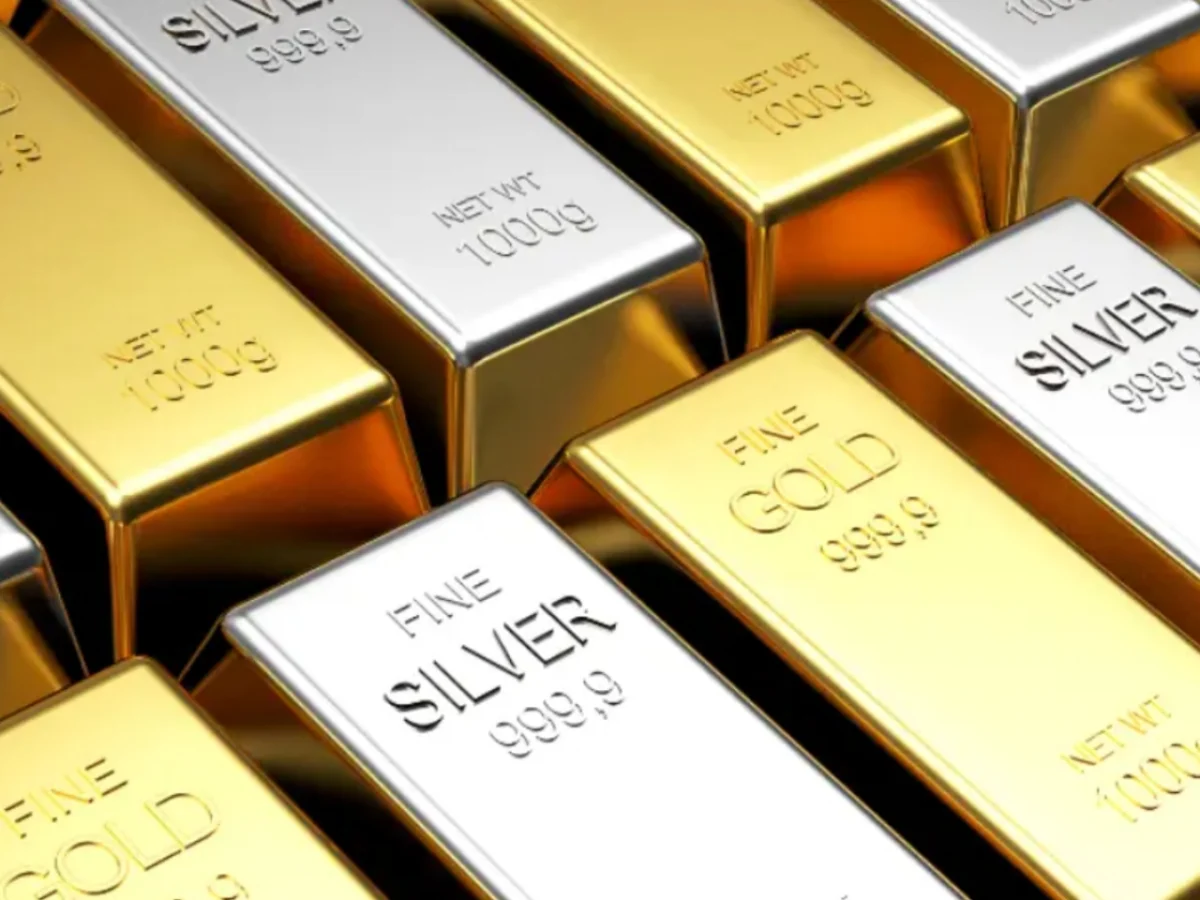
NEW DELHI, India – July 30, 2026 – India’s enduring fascination with gold and silver continues to intertwine with the intricate threads of global economics and local market dynamics. As of July 30, 2026, the prices of these coveted precious metals reflect a complex interplay of international market trends, robust domestic demand, and the ever-shifting sands of currency exchange rates. While gold witnesses a slight upward trajectory driven by its traditional role as a safe-haven asset and an inflation hedge, silver maintains its steady course, increasingly bolstered by burgeoning industrial applications alongside its investment appeal.
The daily fluctuations in the Indian bullion market are a barometer of global financial health and local sentiment. Today’s snapshot reveals that while global demand and inflationary pressures are nudging gold prices higher, silver’s stability is underpinned by its dual utility. This comprehensive breakdown delves into the current valuations, the underlying factors shaping them, and what these trends signify for investors, consumers, and the broader Indian economy.
The Main Facts: A Snapshot of Today’s Bullion Market (July 30, 2026)
On this Wednesday, July 30, 2026, the Indian bullion market presents a nuanced picture. Gold prices have registered a marginal increase, primarily attributed to persistent global demand and prevailing inflationary concerns that reinforce its appeal as a store of value. Conversely, silver prices, while generally more volatile, exhibit relative stability today, supported by both investment interest and a growing appetite from industrial sectors.
Key Price Highlights:
)
- 24K Gold (999 Purity): Averaging Rs 14,350 per gram across major Indian cities.
- 22K Gold (Jewellery Gold): Averaging Rs 13,154 per gram.
- Silver (999 Purity): Approximately Rs 2,34,900 per kilogram, or Rs 2,349 per 10 grams.
- Silver 925 (Sterling Silver): Around Rs 2,34,000 per kilogram.
These prices are not static and are influenced moment-to-moment by a confluence of macroeconomic indicators and local market forces. The slight variation observed across major metropolitan hubs underscores the localized impact of demand-supply dynamics, transportation costs, and state-specific taxes.
Chronology and Context: Tracing the Path to Today’s Prices
The current pricing structure for gold and silver in India is not an isolated event but rather the culmination of several years of evolving market dynamics. The period leading up to mid-2026 has been characterized by significant global economic recalibrations, geopolitical shifts, and technological advancements, all of which have profoundly impacted precious metal valuations.

Post-Pandemic Resurgence and Geopolitical Tensions (2020-2023): The initial surge in gold prices following the global pandemic underscored its role as a safe haven amidst unprecedented uncertainty. Aggressive monetary easing by central banks worldwide, coupled with fears of inflation, propelled gold to new highs. As global economies began to recover, geopolitical tensions, particularly in Eastern Europe and parts of the Middle East, sustained this demand, keeping gold prices elevated. Investors sought refuge from market volatility and currency depreciation.
Interest Rate Cycles and Dollar Strength (2024-2025): The subsequent phase saw central banks, notably the US Federal Reserve, embarking on a cycle of interest rate hikes to combat persistent inflation. This period introduced headwinds for gold, as higher interest rates made non-yielding assets like gold less attractive compared to interest-bearing instruments. A strengthening US Dollar during this time also typically exerts downward pressure on gold, as it makes the dollar-denominated commodity more expensive for holders of other currencies. However, underlying inflation and continued geopolitical instability prevented a sharp correction.
)
Economic Normalization and Sectoral Demand (Late 2025 – Mid 2026): As 2025 transitioned into 2026, global economies began to show signs of stabilization, though inflationary pressures remained a concern in many regions. Gold’s role shifted from a purely crisis-driven asset to a more nuanced inflation hedge and portfolio diversifier. For silver, this period marked a significant uplift in industrial demand. The accelerating transition to green energy, particularly solar power, alongside advancements in electronics and automotive sectors, has cemented silver’s dual identity as both an investment metal and a critical industrial commodity. The growth of 5G technology, electric vehicles, and renewable energy infrastructure has consistently driven industrial off-take, providing a robust floor for silver prices.
Indian Market Specifics: Domestically, India’s robust economic growth, coupled with its deep-rooted cultural affinity for precious metals, has ensured a consistent baseline demand. Government policies, including import duties and Goods and Services Tax (GST), have also played a role in shaping local prices and regulating supply. The anticipation of festive and wedding seasons invariably triggers an uptick in demand, creating unique domestic price dynamics that often diverge slightly from global trends.
)
Today’s prices, therefore, reflect a moment where these long-term trends converge with immediate global economic signals, offering a snapshot of a highly dynamic market.
Supporting Data: Detailed City-Wise Rates and Market Drivers
Understanding the nuances of gold and silver prices requires a close look at the specific rates and the factors that differentiate them, even within a single country. The purity of the metal is paramount, dictating its value and application.
)
Gold Purity Explained:
- 24K Gold (999 Purity): This is considered 99.9% pure gold, often referred to as "pure gold." It is the standard for investment-grade gold (bars, coins) and is the benchmark for all gold pricing. Its extreme malleability makes it unsuitable for intricate jewellery without alloying.
- 22K Gold (91.67% Purity): This alloy contains 91.67% pure gold and 8.33% other metals like copper, silver, or zinc. These additional metals add strength and durability, making 22K gold the preferred choice for traditional Indian jewellery. The "22K" designation means 22 parts gold out of 24 total parts.
Silver Purity Explained:
)
- Silver 999 (99.9% Purity): Similar to 24K gold, this is nearly pure silver. It is used for investment purposes (bars, coins) and some specific industrial applications where high purity is critical.
- Silver 925 (Sterling Silver): This alloy consists of 92.5% pure silver and 7.5% other metals, typically copper. The addition of copper enhances its hardness and durability, making it ideal for jewellery, silverware, and decorative items.
Gold Prices on July 30, 2026 (Per Gram)
| City | 24K Gold (Rs) | 22K Gold (Rs) |
|---|---|---|
| Mumbai | 14,350 | 13,154 |
| Kolkata | 14,350 | 13,154 |
| Delhi | 14,365 | 13,169 |
| Chennai | 14,340 | 13,154 |
| Bengaluru | 14,355 | 13,159 |
| Hyderabad | 14,355 | 13,159 |
| Ahmedabad | 14,360 | 13,164 |
(Note: Prices are indicative and may vary slightly based on local taxes and dealer premiums.)
Factors Influencing Gold Prices in India:
)
- International Gold Price (COMEX/London Bullion Market): The global benchmark for gold is set by international markets. Any movement in these global prices, influenced by macroeconomic data (inflation, GDP growth, employment figures), central bank policies, and geopolitical events, directly translates to Indian prices.
- US Dollar Exchange Rate (INR vs. USD): Since gold is predominantly traded in US Dollars globally, a weaker Rupee against the Dollar makes gold imports more expensive, thereby increasing local prices. Conversely, a stronger Rupee can help temper price increases.
- Domestic Demand: India is one of the world’s largest consumers of gold. Demand surges during wedding seasons (typically October-December and April-May) and major festivals like Diwali, Akshaya Tritiya, and Dhanteras. This seasonal demand can create temporary upward pressure on local prices.
- Government Policies: Import duties, GST rates, and other regulatory measures imposed by the Indian government significantly impact the final price consumers pay. Changes in these policies can lead to immediate price adjustments.
- Inflationary Pressures: Gold traditionally serves as a hedge against inflation. When the cost of living rises and purchasing power erodes, investors often flock to gold as a stable store of value, driving up its price.
Silver Prices on July 30, 2026 (Per 10 Grams / Per Kilogram)
| City | Silver 999 (Per 10 Grams – Rs) | Silver 999 (Per Kilogram – Rs) |
|---|---|---|
| Mumbai | 2,349 | 234,900 |
| Delhi | 2,349 | 234,900 |
| Chennai | 2,349 | 234,900 |
| Kolkata | 2,348 | 234,800 |
| Bengaluru | 2,350 | 235,000 |
| Hyderabad | 2,350 | 235,000 |
| Ahmedabad | 2,349 | 234,900 |
(Note: Prices are indicative and may vary slightly based on local taxes and dealer premiums.)
Factors Influencing Silver Prices in India:
)
- Global Silver Market: Like gold, international spot prices set the benchmark. Global supply (mining output, recycling) and demand (industrial, investment, jewellery) are crucial drivers.
- Industrial Demand: This is a key differentiator for silver. Its exceptional conductivity, ductility, and photosensitivity make it indispensable in electronics, solar panels (photovoltaics), medical applications, photography, and water purification. The rapid expansion of green technologies and smart devices ensures a steady and growing industrial off-take.
- Investment Demand: Silver is often seen as "poor man’s gold" and an accessible alternative for investors looking to hedge against inflation and economic uncertainty. Silver ETFs, coins, and bars are popular investment vehicles.
- Gold-Silver Ratio: The ratio of gold’s price to silver’s price (e.g., how many ounces of silver it takes to buy one ounce of gold) is closely watched by analysts. A high ratio might suggest silver is undervalued relative to gold and vice-versa, influencing investment flows.
- Currency Fluctuations & Government Policies: Similar to gold, the Rupee-Dollar exchange rate and domestic import duties/GST play a significant role in determining local silver prices.
Official Responses and Expert Commentary: Navigating the Market
The current market sentiment reflects a cautious optimism, with analysts weighing the balance between persistent inflationary pressures and the potential for global economic moderation. Experts across the financial and bullion sectors offer their perspectives on today’s prices and the outlook for precious metals.
Mr. Rajesh Sharma, Chief Market Strategist at BullionCorp India, commented on the gold market: "The slight uptick in gold prices today is a testament to its enduring role as a hedge. Despite interest rates remaining at relatively elevated levels in major economies, the underlying inflationary pressures, coupled with sporadic geopolitical flare-ups, continue to drive institutional and retail investors towards gold. We are observing sustained buying from central banks globally, which provides a strong foundational demand, preventing any significant downside. For Indian consumers, the upcoming festive season preparations are also beginning to factor into the local demand equation."
)
Regarding silver, Ms. Anjali Singh, Senior Commodities Analyst at Stratagem Financial Services, highlighted its dual nature: "Silver’s performance is increasingly influenced by industrial consumption. The global push for renewable energy, especially solar power, and the rapid expansion of 5G infrastructure and electric vehicle production, are creating an insatiable demand for silver. While it shares some of gold’s safe-haven characteristics, its industrial applications offer a unique resilience. Today’s steady prices indicate a healthy balance between supply and this robust industrial off-take. We anticipate this industrial demand to be a key price driver for silver throughout 2026 and beyond."
Mr. Vikram Jain, President of the All India Jewellers’ Association (AIJA), offered a perspective from the retail sector: "Consumers in India continue to view gold and silver not just as ornaments but as generational assets. While high prices can sometimes temper immediate purchases, the underlying cultural and investment demand remains strong. We’re seeing a trend towards lighter weight, intricate designs to make jewellery more accessible, alongside a steady interest in investment products like gold coins and digital gold. The slight increase today won’t deter serious buyers, especially with wedding season planning already underway."
)
These expert opinions underscore the complex interplay of factors at play. While global macroeconomic forces provide the primary impetus, local demand patterns and the unique characteristics of each metal significantly shape their market performance in India.
Implications: What Today’s Prices Mean for the Future
The current pricing trends for gold and silver carry significant implications for various stakeholders, from individual investors and consumers to the jewellery industry and the broader Indian economy.
)
For Investors:
Today’s prices reinforce the continued relevance of precious metals in a diversified investment portfolio.
- Gold as a Hedge: The sustained demand for gold amidst inflationary concerns positions it as a vital hedge against economic uncertainty and currency devaluation. Investors seeking stability in volatile markets may continue to allocate a portion of their portfolios to gold, either in physical form (bars, coins) or through financial instruments like Gold Exchange Traded Funds (ETFs) and digital gold.
- Silver’s Growth Potential: Silver’s dual role offers a unique value proposition. Its industrial demand provides a growth catalyst tied to technological advancements and green energy initiatives, while its investment appeal offers protection. This makes silver attractive to investors looking for both stability and exposure to future growth sectors.
- Long-Term vs. Short-Term: For many Indian investors, gold and silver are long-term assets, often passed down through generations. Short-term fluctuations are less critical than the overall appreciation potential over several years.
For Consumers:
The prevailing prices will directly influence purchasing decisions, particularly ahead of major cultural events.
)
- Festive and Wedding Season: With major festivals and wedding seasons approaching in the latter half of 2026, consumers might observe current prices closely. A stable or slightly rising trend might encourage pre-emptive purchases to avoid potential future increases. However, sustained high prices could lead to a preference for lighter jewellery or alternative metals.
- Purchasing Power: The cost of gold and silver significantly impacts household budgets. For many, these purchases represent substantial investments, and price volatility can influence the timing and quantity of buying.
- Shift in Preferences: High gold prices have historically led to increased demand for silver jewellery and artifacts in certain regions, or a shift towards lower carat gold (e.g., 18K) or even imitation jewellery, especially among younger demographics.
For the Jewellery Industry:
The bullion market’s performance is directly tied to the health of India’s vast jewellery sector.
- Input Costs: For manufacturers and retailers, the price of raw gold and silver is a primary input cost. Fluctuations directly impact their profit margins and inventory management. Hedging strategies become crucial to mitigate risks.
- Design and Innovation: Higher prices often spur innovation in jewellery design, leading to the creation of more intricate, lightweight pieces that offer aesthetic appeal without the prohibitive cost of heavy gold. The industry might also explore greater use of alloys or alternative materials.
- Skilled Artisans: The industry supports millions of artisans. Stable demand, even if for lighter pieces, ensures continued employment and preservation of traditional craftsmanship.
- Organized vs. Unorganized Sector: Price volatility and regulatory changes can disproportionately affect smaller, unorganized jewellers compared to larger, more established chains with better access to hedging tools and capital.
For the Broader Indian Economy:
India’s significant reliance on gold imports has broader macroeconomic implications.
)
- Current Account Deficit (CAD): High gold import volumes can widen India’s CAD, putting pressure on the Rupee. Government policies, such as import duties, are often aimed at managing this aspect.
- Foreign Exchange Reserves: Increased gold imports lead to a outflow of foreign exchange, impacting the country’s reserves.
- Inflation Management: As gold acts as an inflation hedge, its rising price can also be a symptom of underlying domestic inflation. The Reserve Bank of India (RBI) monitors precious metal prices as part of its broader economic assessment.
- Digital Gold and Financialization: The growing acceptance of digital gold and gold ETFs is slowly formalizing the gold market, moving away from purely physical holdings. This can have long-term benefits for financial inclusion and transparency.
Conclusion: A Market in Perpetual Motion
The prices of gold and silver in India on July 30, 2026, serve as a potent reminder of the interconnectedness of global financial markets, local cultural practices, and evolving technological demands. Gold, propelled by its age-old role as a safe haven and inflation hedge, maintains its allure for investors seeking stability amidst persistent economic uncertainties. Silver, while sharing some of gold’s investment characteristics, is increasingly defined by its indispensable role in the burgeoning industrial sectors, particularly in green technology and advanced electronics.
As India navigates its path of economic growth and modernization, the dynamics of its precious metals market will continue to evolve. Investors and consumers alike must remain vigilant, staying informed about global macroeconomic shifts, domestic policy changes, and the inherent characteristics of these timeless commodities. The journey of gold and silver prices is a story of continuous adaptation, reflecting not just economic realities but also the enduring human value placed on these lustrous metals.
