

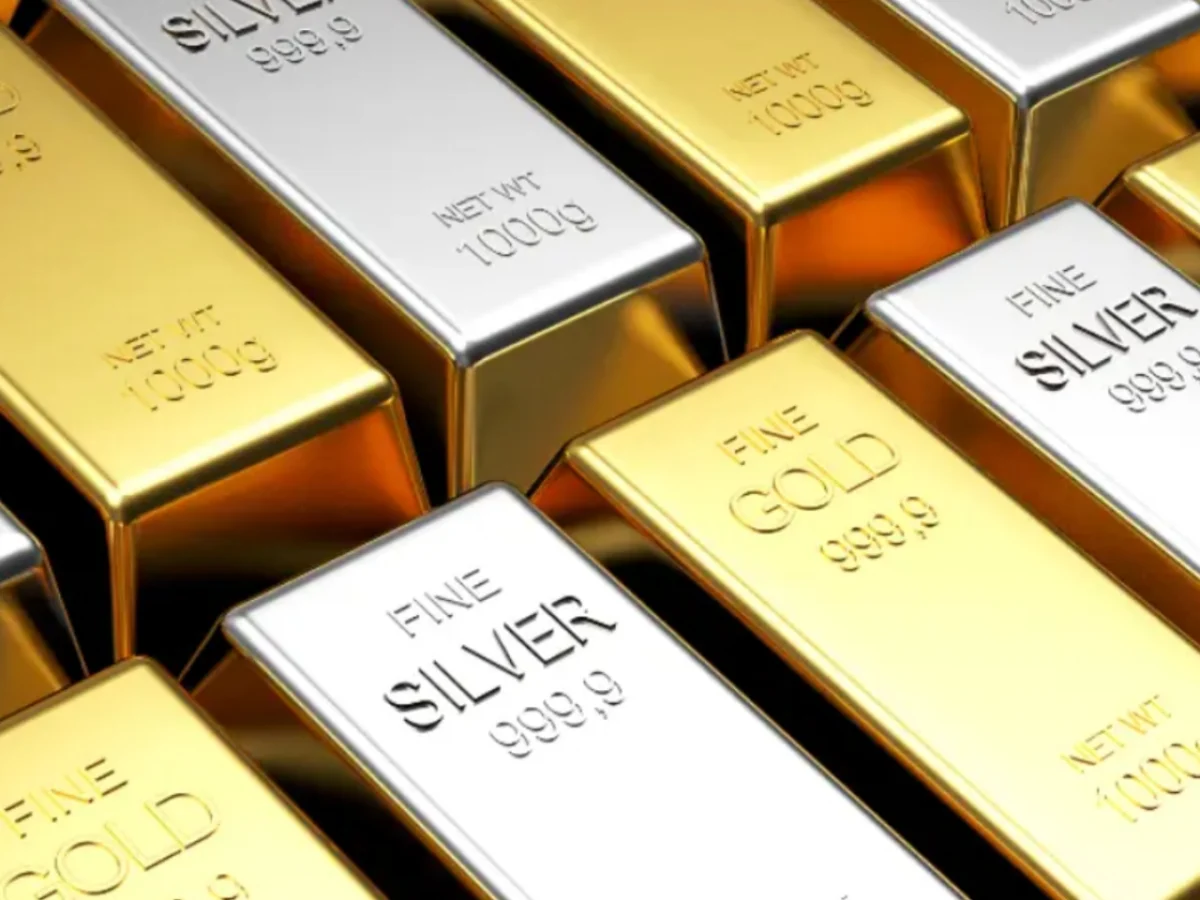
BUSINESS – As of July 28, 2026, the Indian bullion market continues to reflect a complex interplay of international economic forces, robust domestic demand, and the ever-present fluctuations in currency exchange rates. Today’s trading session reveals a slight upward movement in gold prices, driven by persistent global inflationary pressures and an enduring safe-haven appeal, while silver maintains a relatively stable trajectory, buoyed by industrial consumption and investment interest. This detailed analysis provides a comprehensive breakdown of the current prices of gold and silver across major Indian cities, delves into the underlying factors influencing these valuations, offers historical context, and explores the implications for investors and consumers alike.
A Snapshot of Today’s Rates
The precious metals market in India remains a critical indicator of economic sentiment and a significant store of wealth for millions. On this day, July 28, 2026, the benchmark price for 24-carat gold (999 purity) stands at an average of Rs 14,587 per gram, while 22-carat gold, the preferred choice for jewellery, is priced at Rs 13,371 per gram. Silver, often considered the ‘poor man’s gold’ but with increasing industrial utility, is trading at approximately Rs 2,39,900 per kilogram for 999 purity, with sterling silver (925 purity) close behind at Rs 2,39,000 per kilogram.
These figures underscore a market grappling with various influences, from the lingering effects of global economic policy decisions to the intrinsic cultural value placed on these metals within India. The modest uptick in gold prices reflects a broader international trend where investors are increasingly seeking hedges against an uncertain economic future, while silver’s steadiness highlights its dual role as both an investment vehicle and a vital industrial commodity.
Current Price Breakdown: Gold Rates Across India
Gold, deeply embedded in India’s cultural and economic fabric, saw its prices adjust slightly upwards today. This movement is attributed primarily to global demand dynamics and the persistent inflationary environment that has characterized the post-pandemic recovery.
24K Gold: The Benchmark of Purity
Referred to as 999 pure gold, 24K gold represents the highest standard of purity, making it the preferred choice for investments in bars and coins. Today, the national average for 24K gold is Rs 14,587 per gram. However, regional variations persist due to localized demand patterns, transportation costs, and specific state taxes.
22K Gold: The Jewellery Standard
Comprising 91.67% pure gold and blended with other metals to enhance durability, 22K gold is the standard for intricate jewellery designs. Its price typically reflects a discount to 24K gold, with today’s national average pegged at Rs 13,371 per gram. This segment of the market is particularly sensitive to consumer sentiment, upcoming festive seasons, and wedding demand.
)
City-Wise Gold Rates: A Detailed Look
According to data compiled from various market sources, including Good Returns, the city-specific rates for gold on July 28, 2026, are as follows:
-
Delhi: National Capital’s Gold Prices
- The current price of 24K gold in Delhi is Rs 14,605 per gram.
- The current price of 22K gold in Delhi is Rs 13,386 per gram.
Delhi often sees slightly higher rates due to its status as a major trading hub and significant consumer market.
-
Mumbai: Financial Hub’s Gold Rates

- The current price of 24K gold in Mumbai is Rs 14,587 per gram.
- The current price of 22K gold in Mumbai is Rs 13,371 per gram.
Mumbai, India’s financial capital, often serves as the national benchmark, with its prices reflecting broad market trends.
-
Kolkata: Eastern India’s Gold Market
- The current price of 24K gold in Kolkata is Rs 14,590 per gram.
- The current price of 22K gold in Kolkata is Rs 13,371 per gram.
Kolkata, with its rich tradition of gold craftsmanship and high demand, presents rates largely in line with national averages.
-
Chennai: Southern India’s Gold Dynamics
- The current price of 24K gold in Chennai is Rs 14,587 per gram.
- The current price of 22K gold in Chennai is Rs 13,371 per gram.
Chennai and the broader Southern Indian region are colossal consumers of gold, particularly for traditional events, and their prices closely mirror national trends.
Current Price Breakdown: Silver Rates Across India
Silver, while generally more affordable than gold, holds substantial appeal for both investment and industrial applications. Its price stability today highlights a balanced market influenced by both supply-demand fundamentals and its role as a precious metal.
)
Silver 999: Industrial and Investment Purity
The price of 999 pure silver, the standard for bullion and industrial use, is approximately Rs 2,39,900 per kilogram. This translates to Rs 2,399 per 10 grams. Silver’s value is heavily influenced by global industrial demand, especially from sectors like electronics, solar energy, and medical applications, which have shown robust growth in recent years.
Silver 925: Sterling Silver’s Valuation
Sterling silver, containing 92.5% pure silver, is widely used in jewellery and decorative items. Its current valuation stands at Rs 2,39,000 per kilogram. The slightly lower price compared to 999 purity reflects the presence of alloying metals, typically copper, which enhance its strength and workability for intricate designs.
City-Wise Silver Rates: A Uniform Trend
Unlike gold, silver prices often exhibit greater uniformity across major Indian cities, primarily due to its more standardized trading and relatively lower logistical costs as a percentage of its overall value.
)
- Delhi: The current price of Silver 999 in Delhi is Rs 2399 per 10 grams.
- Mumbai: The current price of Silver 999 in Mumbai is Rs 2399 per 10 grams.
- Kolkata: The current price of Silver 999 in Kolkata is Rs 2399 per 10 grams.
- Chennai: The current price of Silver 999 in Chennai is Rs 2399 per 10 grams.
This consistency underscores a well-integrated national market for silver, with global benchmarks playing a dominant role in setting prices.
Decoding the Dynamics: Factors Driving Gold and Silver Prices
The daily fluctuations and long-term trends in gold and silver prices are not arbitrary but are shaped by a confluence of interconnected global and local factors. Understanding these dynamics is crucial for anyone involved in the bullion market.
Global Economic Headwinds and Tailwinds
The international landscape profoundly impacts Indian precious metals prices. Key global indicators and events often dictate the direction of gold and silver.
)
The US Dollar’s Influence
Gold and silver are priced in US Dollars on international markets. Therefore, the strength or weakness of the US Dollar (as measured by the DXY index) has a direct inverse relationship with precious metal prices. A stronger dollar makes gold more expensive for holders of other currencies, potentially dampening demand, while a weaker dollar makes it more affordable, often boosting prices. In mid-2026, the dollar has shown mixed performance, reacting to varying central bank stances globally.
Inflationary Pressures: A Double-Edged Sword
One of gold’s most time-honored roles is as a hedge against inflation. When inflation erodes the purchasing power of fiat currencies, investors often flock to gold to preserve wealth. The global economy in 2026 continues to grapple with elevated inflation rates, largely stemming from supply chain disruptions, geopolitical tensions, and expansive fiscal and monetary policies adopted during the early 2020s. This persistent inflationary environment provides a fundamental floor and often upward pressure on gold prices.
Central Bank Monetary Policies
The monetary policies of major central banks, particularly the US Federal Reserve, European Central Bank, and the Reserve Bank of India (RBI), are pivotal. Interest rate hikes by central banks to combat inflation typically increase the opportunity cost of holding non-yielding assets like gold, potentially putting downward pressure on prices. Conversely, dovish stances or rate cuts tend to make gold more attractive. The market is currently anticipating the next moves from these central banks, creating a climate of cautious optimism for precious metals.
)
Geopolitical Landscape: Safe-Haven Appeal
Periods of geopolitical instability, armed conflicts, trade wars, or significant political uncertainties invariably drive investors towards safe-haven assets. Gold, with its historical reputation as a reliable store of value during crises, often sees increased demand during such times. While 2026 has seen some de-escalation in certain global flashpoints, underlying tensions and regional conflicts persist, contributing to gold’s safe-haven premium.
Domestic Demand: A Cultural and Economic Pillar
India’s unique cultural relationship with gold, coupled with its role as a tangible asset, makes domestic demand a powerful force.
The Festive and Wedding Season Surge
India is the world’s largest consumer of gold, primarily driven by cultural and religious traditions. The upcoming festive season (later in the year, including Diwali, Akshaya Tritiya, and various regional festivals) and the perennially strong wedding season are significant demand drivers. Even in July, anticipation for these periods begins to influence market sentiment, with consumers and jewellers making strategic purchases.
)
Investment vs. Adornment: India’s Dual Demand
Indian demand for gold is bifurcated into two main categories: investment (bullion, coins) and adornment (jewellery). While jewellery consumption is culturally ingrained, investment demand has grown significantly, particularly through vehicles like Sovereign Gold Bonds (SGBs) and Gold ETFs, as investors seek alternatives to traditional financial instruments.
Currency Fluctuations: The Rupee’s Role
The exchange rate between the Indian Rupee (INR) and the US Dollar (USD) is a direct determinant of local gold and silver prices. Since India is a net importer of precious metals, a weaker Rupee makes these imports more expensive in INR terms, thereby increasing domestic prices. Conversely, a stronger Rupee can temper prices. The INR’s performance against the USD is influenced by India’s current account deficit, foreign institutional investment (FII) flows, and global commodity prices, particularly crude oil.
Supply Side Considerations: Mining, Recycling, and Reserves
The global supply of precious metals also plays a role. This includes newly mined gold and silver, recycled old jewellery, and the strategic purchases or sales by central banks. The Reserve Bank of India (RBI), for instance, has been a consistent buyer of gold in recent years, bolstering its reserves and signalling confidence in the metal’s long-term value.
)
A Historical Perspective: Tracing Price Trajectories
To fully appreciate today’s prices, it’s essential to look back at the journey of gold and silver in recent years, particularly the volatility witnessed since the turn of the decade.
Post-Pandemic Resurgence and Volatility (2020-2025)
The early 2020s marked a period of unprecedented volatility and growth for precious metals. The COVID-19 pandemic triggered massive fiscal and monetary stimulus packages globally, leading to inflationary fears and a flight to safety that propelled gold to record highs in 2020. Silver, with its industrial applications, also benefited from the subsequent economic recovery and increased manufacturing activity.
However, the period from 2021 to 2025 was characterized by significant swings. As central banks began to normalize monetary policy and raise interest rates to combat soaring inflation, gold faced headwinds due to the increased opportunity cost of holding a non-yielding asset. Geopolitical conflicts, such as the prolonged Russia-Ukraine war and other regional tensions, repeatedly reignited safe-haven demand, creating a seesaw effect on prices. By the end of 2025, gold had largely consolidated its gains, trading within a higher range than pre-pandemic levels, while silver showed robust growth driven by demand from green energy technologies.
)
Year-to-Date Performance in 2026
The first half of 2026 has seen gold prices exhibit a generally upward trend, albeit with intermittent corrections. The year began with persistent concerns over global growth and inflation, which kept gold well-supported. There was a notable surge in Q1, driven by renewed fears of a global recession and a slight weakening of the US Dollar. Silver, meanwhile, has shown strong correlation with industrial production data, experiencing steady growth as global manufacturing output has gradually improved.
Monthly Trends Leading Up to July 2026
In the months preceding July 2026, gold experienced a period of consolidation after its Q1 rally. June saw some profit-taking as market participants reacted to slightly better-than-expected economic data from major economies, which eased immediate recession fears. However, July has witnessed a renewed buying interest, primarily due to fresh inflation data suggesting that price pressures remain sticky, prompting investors to revisit gold as a reliable store of value. Silver’s trajectory in recent weeks has been largely stable, with strong underlying industrial demand preventing any significant dips, even as investment demand for physical silver remained robust.
Expert Insights and Market Outlook
The complex interplay of factors necessitates expert analysis to navigate the future direction of precious metal prices.
)
Analyst Forecasts: Navigating Future Volatility
Leading market analysts offer varied but generally optimistic outlooks for gold and silver for the remainder of 2026. "The current inflationary environment, coupled with ongoing geopolitical uncertainties, provides a strong tailwind for gold," states Dr. Ananya Sharma, Chief Economist at Zenith Capital. "We anticipate gold prices to remain elevated, potentially testing new highs if inflation proves more stubborn than anticipated or if a significant economic slowdown materializes."
For silver, the narrative is slightly different. "Silver’s dual nature as both a precious metal and an industrial commodity means it benefits from both safe-haven flows and economic growth," explains Mr. Rajesh Kumar, Head of Commodities Research at Quantum Analytics. "With the global push towards renewable energy, particularly solar power, industrial demand for silver is set to grow exponentially. We project silver to outperform gold in percentage terms over the next 12-18 months, albeit with higher volatility."
Risks identified by analysts include aggressive interest rate hikes by central banks if inflation accelerates unexpectedly, or a significant de-escalation of geopolitical tensions that could reduce gold’s safe-haven premium.
)
Industry Perspectives: Jewellers and Traders Weigh In
Indian jewellers and bullion traders are cautiously optimistic. "High prices always pose a challenge for volume sales, but the underlying demand for gold in India is resilient," says Mr. Ashok Kothari, President of the All India Gem and Jewellery Domestic Council. "Consumers are accustomed to seeing fluctuations, and strategic buying ahead of festivals or for weddings remains strong. We are seeing a shift towards lighter jewellery and investment-grade coins as affordability becomes a key consideration."
Bullion traders highlight the increased sophistication of the Indian market. "The use of hedging instruments and a deeper understanding of global market dynamics among traders has matured," comments Ms. Priya Singh, a veteran bullion trader in Mumbai. "While currency fluctuations add a layer of complexity, the market is well-equipped to manage the daily price movements."
Regulatory Environment: Indirect Impacts
While the government does not directly control daily prices, policies like import duties on gold and silver, Goods and Services Tax (GST) on precious metals, and the Reserve Bank of India’s monetary policy indirectly affect the market. Higher import duties can increase local prices, while stable and predictable tax regimes foster transparency. The RBI’s management of the Rupee’s exchange rate also plays a crucial role in determining the landed cost of imported gold and silver.
)
Implications for Investors and Consumers
The current market conditions carry significant implications for various stakeholders.
Strategic Considerations for Gold and Silver Investors
For investors, the present environment presents both opportunities and risks.
Physical vs. Digital Assets
Investors have options ranging from physical gold and silver (bullion, coins) to digital forms such as Sovereign Gold Bonds (SGBs) and Gold Exchange Traded Funds (ETFs). SGBs, issued by the government, offer interest income and tax benefits, making them an attractive long-term investment. Gold ETFs provide liquidity and allow investors to participate in gold price movements without the hassle of physical storage.
)
Diversification Benefits
Precious metals historically act as a portfolio diversifier, particularly during periods of market turmoil or high inflation. Including gold and silver in a balanced portfolio can help mitigate overall risk.
Consumer Impact: Navigating Purchase Decisions
For the average Indian consumer, especially those planning weddings or festive purchases, the elevated prices necessitate careful budgeting and timing. Many opt for smaller grammages or consider selling old jewellery to fund new purchases. The cultural significance, however, ensures that demand, though perhaps price-sensitive, remains foundational.
Broader Economic Ripples: Trade Balance and Wealth
India’s substantial gold imports contribute significantly to its current account deficit (CAD). High international prices and a depreciating Rupee can exacerbate this, putting pressure on the nation’s foreign exchange reserves. Conversely, gold holdings represent a significant portion of household wealth, particularly in rural areas, offering a crucial safety net during economic downturns.
)
The Road Ahead: Forecasting Precious Metals in H2 2026 and Beyond
The trajectory of gold and silver prices for the latter half of 2026 and into 2027 will largely hinge on several critical global and domestic factors.
Potential Scenarios: Bullish, Bearish, and Stable
- Bullish Scenario: If global inflation remains persistently high, central banks are forced to slow down interest rate hikes or even consider cuts due to a severe economic slowdown, or if geopolitical tensions escalate significantly, gold and silver could see substantial further gains. Gold might target Rs 15,000-16,000 per gram, with silver pushing towards Rs 2,500 per 10 grams.
- Bearish Scenario: Should inflation cool rapidly, central banks continue aggressive rate hikes, and global economic growth proves unexpectedly robust, or if major geopolitical conflicts find resolutions, precious metals could face downward pressure. Gold might retrace towards Rs 13,500-14,000 per gram.
- Stable Scenario: A continuation of the current mixed economic signals – moderate inflation, cautious central bank policies, and contained geopolitical tensions – could lead to prices trading within a relatively stable range, with minor fluctuations influenced by daily news and data.
Key Indicators to Monitor
Investors and market observers should closely watch:
- Global inflation reports (CPI, PPI).
- Central bank interest rate decisions and forward guidance.
- US Dollar index movements.
- Geopolitical developments and major election outcomes.
- India’s festive and wedding season demand patterns.
- Crude oil prices, which impact inflation and the Rupee.
- Industrial production data, particularly for silver.
As July 28, 2026, draws to a close, the precious metals market in India stands at a fascinating juncture. While global forces provide the overarching narrative, local demand and currency dynamics continue to fine-tune the daily pulse of gold and silver, metals that remain timeless symbols of wealth and security.
)
Find your daily dose of All Latest News including Sports News, Entertainment News, Lifestyle News, explainers & more. Stay updated, Stay informed – Follow DNA on WhatsApp.
