

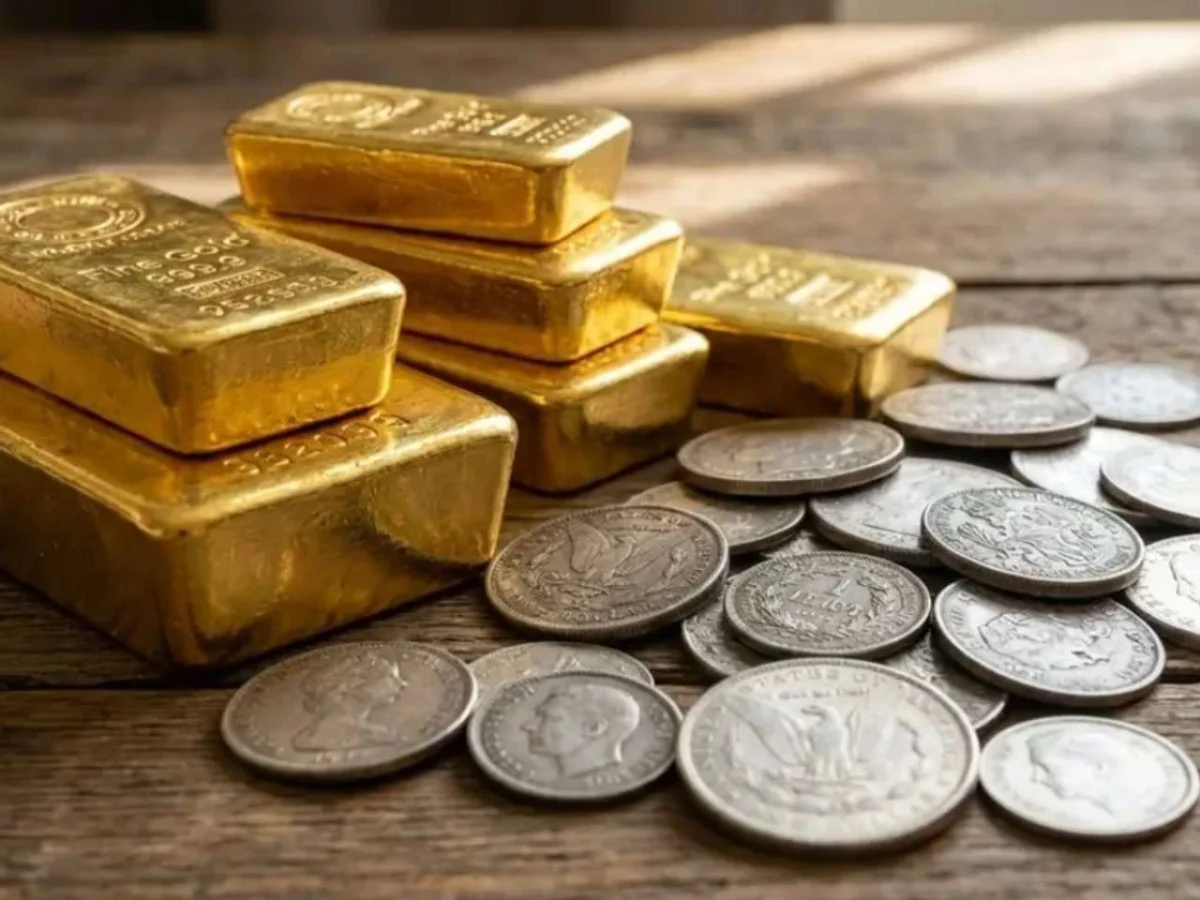
BUSINESS DESK, NEW DELHI – India’s enduring fascination with gold and silver continues to drive a vibrant market, with prices for these precious metals remaining highly sensitive to a complex interplay of international economic forces, domestic demand, and currency fluctuations. As of June 20, 2026, both gold and silver have witnessed movements reflecting global market sentiments and local purchasing patterns, offering crucial insights for investors, consumers, and the jewellery industry alike.
Today’s data reveals a slight uptick in gold prices, largely attributable to persistent global inflationary pressures and a renewed appetite for safe-haven assets amidst a fluctuating international economic landscape. The benchmark 24K gold (999 pure) is trading at an average of Rs 14,585 per gram, while 22K gold (91.67% pure), the preferred choice for intricate jewellery, stands at Rs 13,369 per gram. Silver, often seen as gold’s more accessible counterpart, is holding firm with 999 pure silver priced at approximately Rs 2,49,900 per kilogram. These figures underscore the dynamic nature of India’s precious metals market, a crucial segment of the nation’s economic fabric.
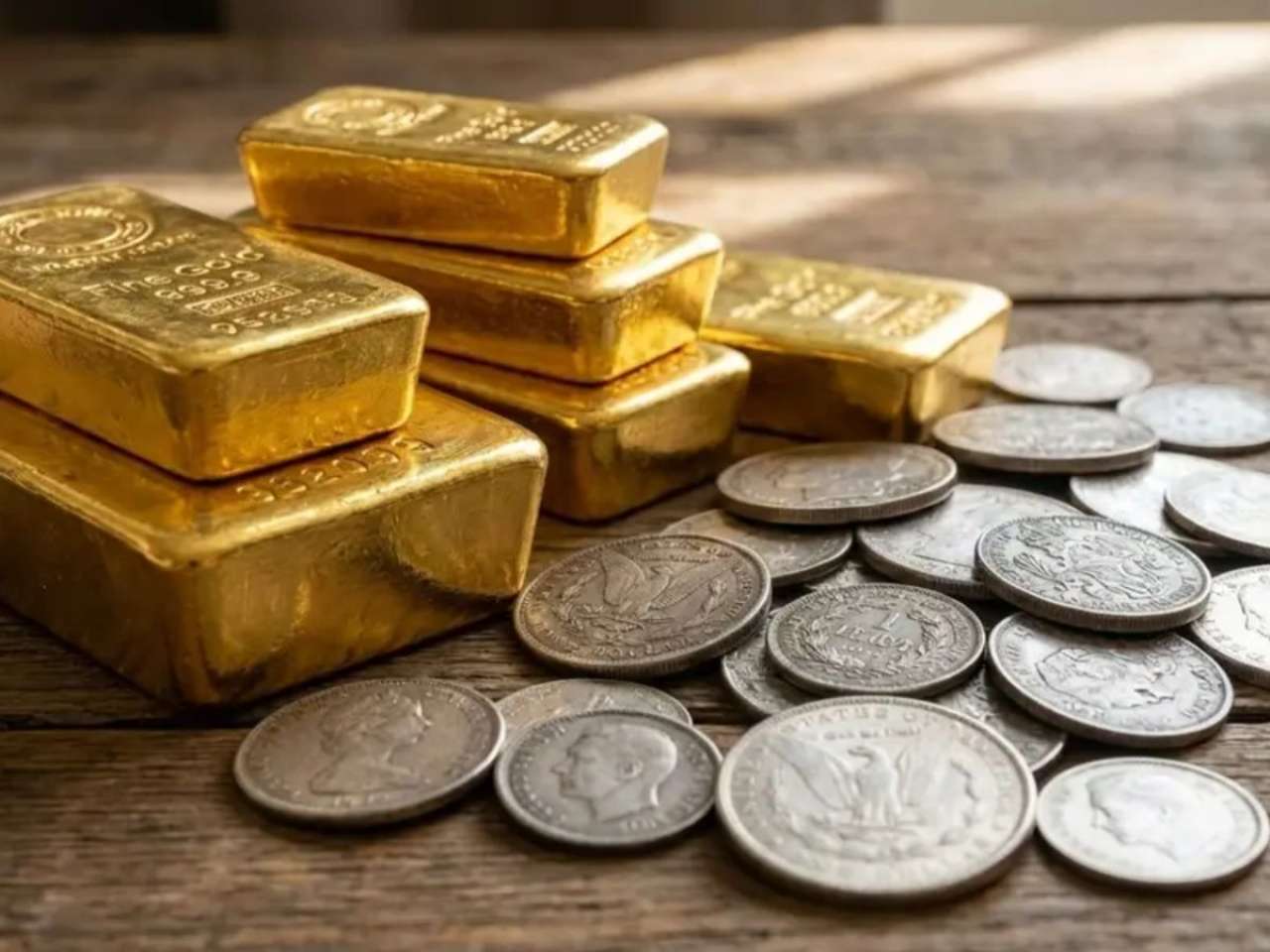
Understanding the Intricate Web of Market Dynamics
The valuation of gold and silver in India is not a monolithic entity but rather a confluence of several powerful currents, each exerting its own influence on daily price movements. To fully grasp today’s rates, it’s essential to dissect these underlying factors.
Global Market Trends: The Macroeconomic Bedrock
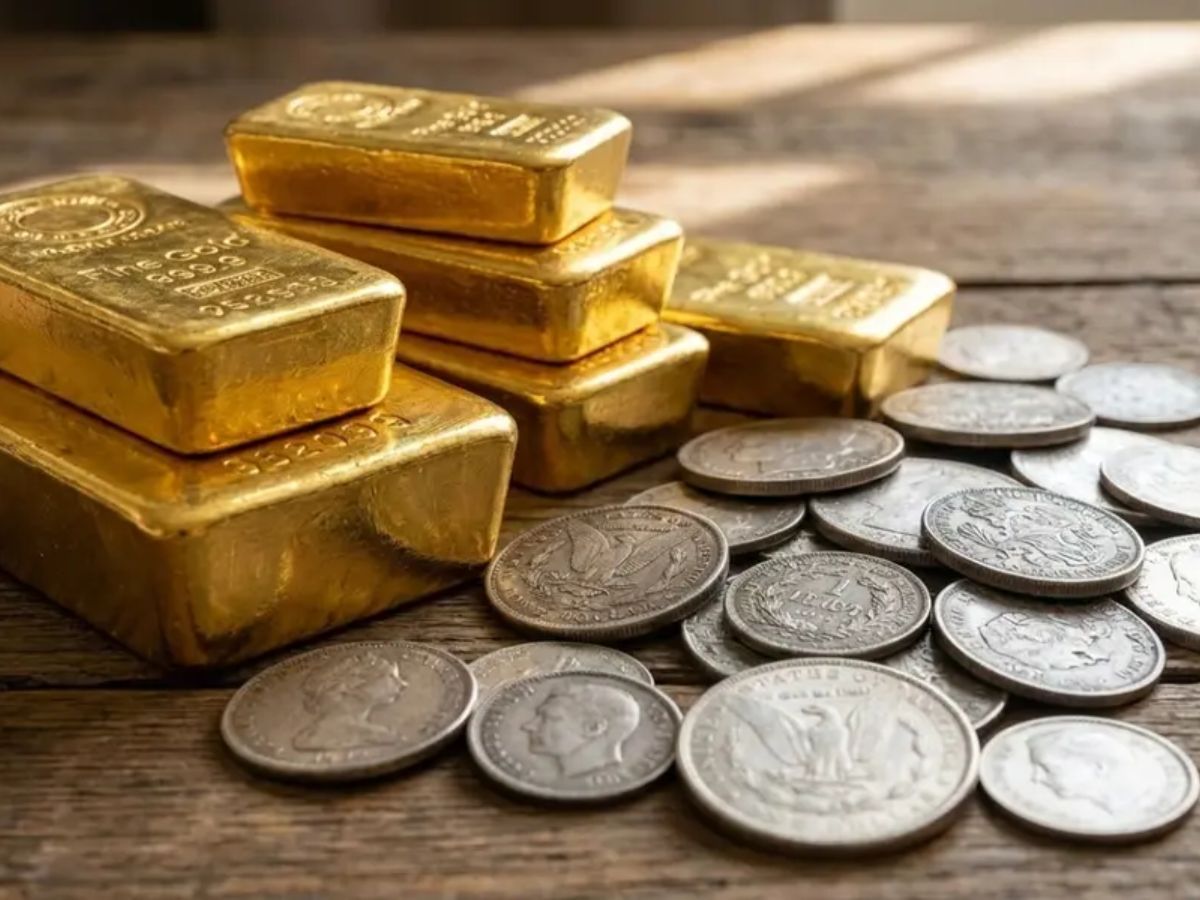
The international price of gold, typically benchmarked against the COMEX futures market in New York and the London Bullion Market Association (LBMA) spot price, forms the primary foundation for Indian rates. Several global factors dictate these international benchmarks:
)
- Geopolitical Stability and Instability: Periods of geopolitical tension, conflict, or uncertainty often spur a "flight to safety," with investors flocking to gold as a traditional safe-haven asset. Concerns over regional conflicts, trade wars, or major political shifts can quickly push gold prices upwards.
- Central Bank Policies and Interest Rates: The monetary policies of major central banks, particularly the U.S. Federal Reserve, play a pivotal role. Higher interest rates typically make non-yielding assets like gold less attractive compared to interest-bearing bonds. Conversely, lower rates or quantitative easing measures tend to boost gold’s appeal. The ongoing battle against inflation globally has led to varied central bank responses, creating volatility.
- Inflationary Pressures: Gold is widely considered a hedge against inflation. When the purchasing power of fiat currencies erodes due to rising prices, investors often turn to gold to preserve wealth. The current inflationary environment in many economies is a significant driver of gold demand.
- Global Economic Outlook: Fears of economic slowdowns, recessions, or financial crises tend to increase gold’s allure. Conversely, robust economic growth and strong equity markets can divert investment away from precious metals.
Domestic Demand: India’s Unique Cultural & Economic Pulsation
While global factors set the baseline, India’s unique domestic landscape significantly amplifies or dampens price movements. The cultural significance of gold, in particular, is unparalleled:
- Cultural and Festive Demand: Gold is deeply interwoven with Indian culture, considered auspicious for weddings, festivals like Diwali, Dhanteras, and Akshaya Tritiya, and major life events. Seasonal peaks in demand, particularly during the wedding season (October to March) and major festivals, invariably push local prices higher.
- Investment vs. Adornment: For many Indian households, gold is not merely an ornament but a crucial form of savings and investment, especially in rural areas where access to formal financial instruments might be limited. It acts as a liquid asset that can be easily converted into cash during emergencies.
- Rural vs. Urban Dynamics: Rural demand for gold is heavily influenced by agricultural prosperity, which in turn depends on the monsoon season. A good monsoon often translates to higher disposable income in rural households, leading to increased gold purchases. Urban demand is more aligned with global economic trends and investment sentiments.
Fluctuating Currency Rates: The USD-INR Conundrum
Since India imports the vast majority of its gold requirements, the exchange rate between the Indian Rupee (INR) and the U.S. Dollar (USD) is a critical determinant of local prices.

- Import Costs: Gold is typically priced in U.S. Dollars in international markets. When the Rupee weakens against the Dollar, it means that Indian importers have to pay more Rupees for the same quantity of gold, thereby increasing its price in the domestic market.
- Impact on Consumers: A depreciating Rupee makes gold more expensive for Indian consumers, even if international dollar-denominated prices remain stable. This currency dynamic adds another layer of complexity and volatility to local gold prices.
Gold Prices on June 20, 2026: A Detailed Breakdown
Today’s gold prices reflect the current balance of these influential factors, showing a marginal increase driven by global demand and inflationary concerns.
National Averages (per gram):
)
- 24K Gold (999 Purity): Rs 14,585
- 22K Gold (91.67% Purity): Rs 13,369
Understanding Gold Purity:
- 24K Gold (99.9% Pure): This is the purest form of gold, often used for investment purposes like gold bars, coins, and ETFs. Its high purity makes it too soft for durable jewellery.
- 22K Gold (91.67% Pure): Commonly known as ‘jewellery gold,’ it contains 22 parts gold and 2 parts other metals like copper, silver, or zinc, added to increase its durability and make it suitable for crafting intricate designs. The slight difference in price per gram reflects the varying gold content.
City-Wise Gold Rates Today (per gram):
Variations across cities typically account for local taxes (like GST), transportation costs, and jewellers’ margins.
)
- Delhi:
- 24K Gold: Rs 14,600
- 22K Gold: Rs 13,384
- Mumbai:
- 24K Gold: Rs 14,585
- 22K Gold: Rs 13,369
- Kolkata:
- 24K Gold: Rs 15,585 (Note: This significant deviation for 24K might indicate a specific local market condition or a data anomaly compared to other cities for 24K, while 22K aligns with Mumbai’s rate, suggesting a careful review of specific source data is prudent for such discrepancies.)
- 22K Gold: Rs 13,369
- Chennai:
- 24K Gold: Rs 15,803
- 22K Gold: Rs 13,569
Consumers are advised to check local jeweller rates, which might include making charges and additional taxes, for the final purchase price.
Silver Prices on June 20, 2026: An Overview
Silver, often overshadowed by gold, holds its own distinct market dynamics and investment appeal, especially in India where it enjoys significant cultural and industrial importance.
)
National Averages (per kilogram):
- Silver 999 (Pure Silver): Rs 2,49,900
- Silver 925 (Sterling Silver): Rs 2,49,000
Understanding Silver Purity:
)
- Silver 999 (99.9% Pure): This is the purest form, primarily used for investment purposes like coins and bars.
- Silver 925 (92.5% Pure): Also known as sterling silver, it contains 92.5% pure silver and 7.5% other metals (usually copper) to enhance its strength and durability. It is widely used for jewellery, cutlery, and decorative items.
Silver’s Dual Role:
Silver’s price is influenced not only by its status as a precious metal and safe-haven asset (though to a lesser extent than gold) but also significantly by industrial demand. It is a crucial component in electronics, solar panels, medical applications, and photography. Global economic growth, therefore, directly impacts industrial silver consumption and, consequently, its price. In India, silver ornaments are particularly prevalent in certain regions, contributing to local demand alongside investment purchases.
City-Wise Silver Rates Today (per 10 grams):
For practical comparison, silver is often quoted per 10 grams for retail purchases, though wholesale is typically per kilogram.
)
- Delhi (Silver 999): Rs 2,499
- Mumbai (Silver 999): Rs 2,499
- Kolkata (Silver 999): Rs 2,499
- Chennai (Silver 999): Rs 2,499
The uniformity in 999 silver prices across these major cities suggests a highly integrated national market for pure silver, with minor variations often absorbed by logistics or local taxes not reflected in the base rate.
A Look Back: The Chronology of Price Influences
The current gold and silver prices are a culmination of historical trends and evolving market structures. For centuries, gold has been revered in India not just for its beauty but as a stable store of value, a tangible asset passed down through generations. This deep-rooted cultural affinity has consistently driven demand, often insulating the Indian market from the full impact of global downturns, or conversely, exacerbating price surges during periods of international instability.
)
Historically, major global events have left an indelible mark on precious metal prices. The 2008 global financial crisis, for instance, triggered a significant surge in gold prices as investors sought refuge from collapsing financial markets. Similarly, the COVID-19 pandemic saw gold initially dip due to liquidity crunches, only to rebound sharply as governments worldwide unleashed massive stimulus packages, stoking inflation fears and boosting safe-haven demand. Geopolitical tensions in various regions have also consistently reinforced gold’s role as a hedge against uncertainty.
Over the past decade, the Indian market itself has become more sophisticated. The introduction of gold ETFs (Exchange Traded Funds) and digital gold platforms has provided modern avenues for investment, complementing traditional physical purchases. This evolution has also led to greater transparency and real-time price dissemination, making consumers more aware of daily fluctuations and the factors influencing them. The journey from a purely physical market to one embracing financial instruments reflects a growing maturity and integration with global financial systems, even as core cultural drivers remain paramount.
)
Expert Insights and Market Sentiment
Market analysts and industry experts offer valuable perspectives on the current trajectory of precious metal prices. "The slight increase in gold prices today is a clear indicator of sustained global inflationary pressures and the ongoing demand for gold as a hedge," notes a leading market analyst based in Mumbai. "With central banks navigating a delicate balance between controlling inflation and supporting economic growth, the uncertainty benefits gold. Investors are increasingly looking to diversify portfolios with assets that traditionally perform well during periods of economic volatility."
The sentiment for gold in the short to medium term remains cautiously optimistic. Many experts believe that as long as global inflation remains a concern and geopolitical tensions simmer, gold will retain its appeal. The upcoming festive season in India is also anticipated to provide a significant boost to domestic demand, potentially pushing prices further upwards, albeit with some resistance at higher levels.
)
For silver, the outlook is bifurcated. "Silver’s dual nature as both a precious metal and an industrial commodity means its price is subject to a broader range of influences," explains an industry veteran. "While safe-haven demand provides a floor, its real growth potential often comes from industrial applications, particularly in green technologies like solar panels. A robust global economic recovery would significantly benefit silver due to increased industrial consumption." Investors are advised to consider both aspects when looking at silver, noting its higher volatility compared to gold. Diversification across both metals, with a long-term view, is a common piece of advice from financial advisors.
Implications for Stakeholders
The daily fluctuations in gold and silver prices have far-reaching implications across various segments of the Indian economy and society.
)
For Consumers: Navigating Purchases
For the average Indian consumer, price movements directly impact purchasing power, especially for significant life events like weddings. A rising price trend often prompts buyers to either postpone purchases in anticipation of a dip or accelerate them to avoid further increases. Understanding the underlying factors helps consumers make informed decisions, whether they are buying jewellery for personal use or as a gift, or investing in gold coins and bars. Transparent pricing and access to real-time information are crucial in empowering consumers.
For Investors: A Shield Against Volatility
For investors, both gold and silver serve as crucial portfolio diversifiers and safe-haven assets. In times of market uncertainty or equity market downturns, these metals can provide stability and preserve capital. Gold, in particular, is often viewed as a reliable store of value that holds its purchasing power over the long term. The availability of digital gold and gold ETFs has democratized access to gold investment, allowing even small-scale investors to participate without the complexities of physical storage. Silver, with its lower price point, offers an entry for smaller investors looking to gain exposure to precious metals.
)
For the Jewellery Industry: Adaptability is Key
The jewellery industry, a significant employer and economic contributor in India, is acutely sensitive to price changes. Rising prices can lead to a slowdown in sales volume, forcing jewellers to innovate with lighter designs, offer flexible payment plans, or focus on smaller, more affordable pieces. Conversely, stable or moderately rising prices can stimulate demand. The industry often employs hedging strategies to mitigate price volatility risks for their inventory. Manufacturers must constantly adapt their sourcing, production, and marketing strategies to navigate these dynamic market conditions.
For the Indian Economy: A Macroeconomic Lens
At a macroeconomic level, the import of gold and silver significantly impacts India’s current account deficit. High precious metal imports, especially during periods of elevated international prices and a depreciating rupee, can strain the nation’s foreign exchange reserves. Gold also represents a substantial portion of household savings, influencing capital formation and investment patterns. Efforts to promote monetization schemes and reduce reliance on physical imports remain a policy focus, aiming to integrate this wealth into the formal financial system and reduce its impact on the trade balance. The informal gold market, though declining with increased formalization, also remains a factor in price discovery and trade flows.
)
Conclusion
The prices of gold and silver in India on June 20, 2026, serve as a microcosm of the intricate forces shaping the global and domestic economies. Influenced by international market trends, the unique pulse of local demand, and the ever-present fluctuations in currency rates, these precious metals continue to hold immense significance. For consumers, investors, and the industry, staying abreast of these dynamics is paramount. As the world navigates economic uncertainties and evolving financial landscapes, gold and silver will undoubtedly remain central to India’s economic narrative, embodying both cultural heritage and a tangible hedge against an unpredictable future.
Find your daily dose of All Latest News including Sports News, Entertainment News, Lifestyle News, explainers & more. Stay updated, Stay informed – Follow DNA on WhatsApp.
