

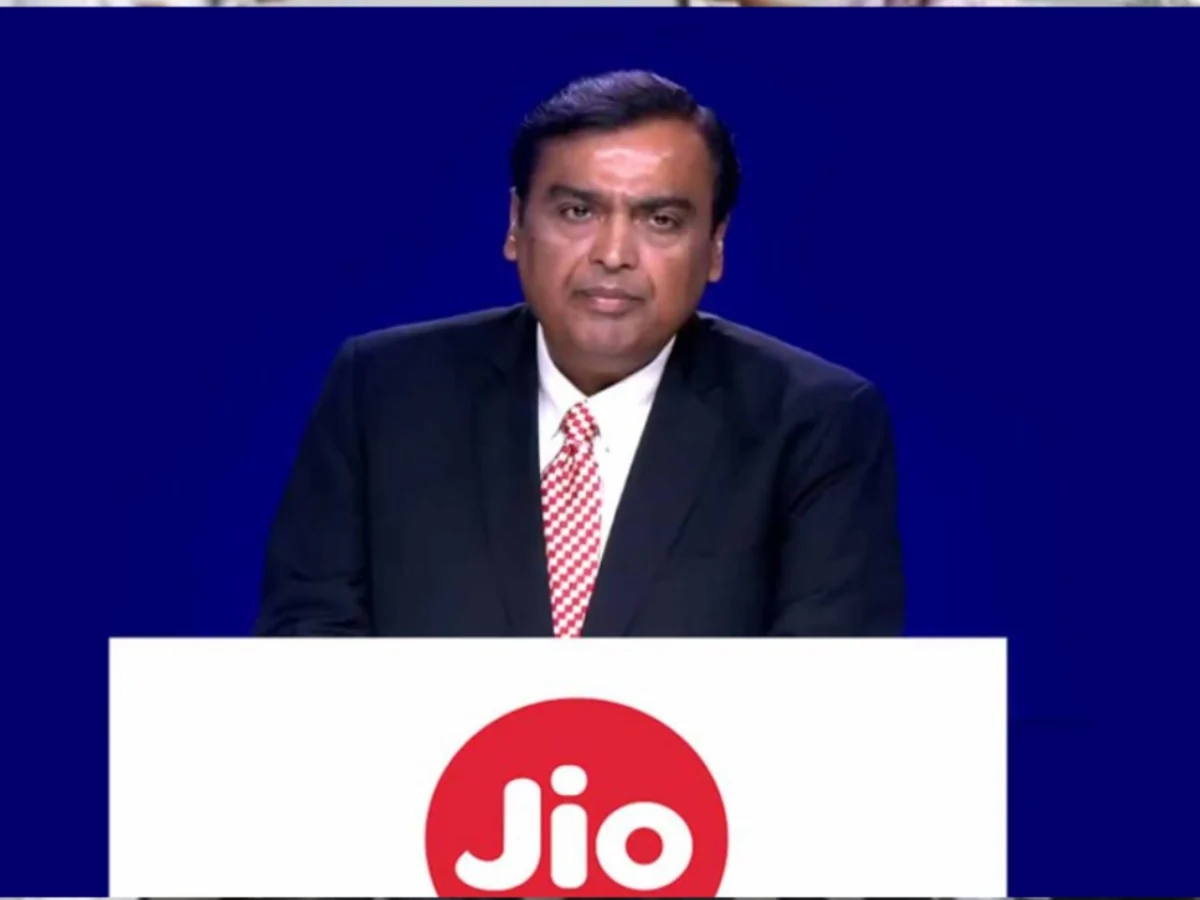
Mumbai, India – June 17, 2026 – The eagerly anticipated initial public offering (IPO) of Reliance Jio Infocomm, the telecommunications titan under Mukesh Ambani’s sprawling Reliance Industries Ltd (RIL) conglomerate, is poised to make its formal debut on the Indian bourses. Reports indicate that the Draft Red Herring Prospectus (DRHP) for a colossal $4 billion IPO is expected to be filed within this week, potentially ahead of RIL Chairman and Managing Director Mukesh Ambani’s pivotal address at the company’s Annual General Meeting (AGM) on Friday, June 19. This monumental listing is not merely a financial transaction; it represents a strategic pivot for RIL, a test of investor confidence in India’s digital growth story, and a potential re-calibration of the nation’s primary market ecosystem.
Main Facts: Unveiling the Digital Juggernaut
Reliance Jio Infocomm, a subsidiary of the diversified behemoth Reliance Industries Ltd (RIL), is reportedly on the cusp of launching one of India’s most significant IPOs in recent memory. The company, which revolutionized India’s telecom landscape with its disruptive entry in 2016, is set to offer shares worth an estimated $4 billion to the public. This move marks a crucial step in fulfilling Mukesh Ambani’s vision, first articulated at RIL’s 48th AGM in August 2025, to unlock value from its digital and telecom ventures.
The timing of this mega IPO is particularly noteworthy. It comes amidst a challenging market environment characterized by a 15% tumble in Reliance shares and a 13% year-on-year drop in RIL’s net profit for the March quarter. Furthermore, the broader Indian IPO market has experienced a period of subdued activity and volatility in the first half of 2026, largely influenced by escalating geopolitical tensions in the Middle East, particularly the conflict involving the US, Israel, and Iran. Several high-profile listings have been put on hold, reflecting an unsettled investor sentiment. However, the prospect of a peace deal emerging around June 19 offers a glimmer of hope for a market rebound, potentially providing a more conducive backdrop for Jio’s listing.
At its core, Jio Platforms is India’s preeminent telecom operator, boasting a subscriber base exceeding 500 million. Its expansive footprint extends beyond mobile connectivity to encompass a robust digital services ecosystem, including high-speed broadband solutions and comprehensive enterprise offerings. This diversified presence positions Jio as a multifaceted digital powerhouse, attracting keen interest from both domestic and international investors looking to tap into India’s burgeoning digital economy. The proposed IPO is thus seen as a strategic mechanism to provide a clearer valuation path for Jio’s telecom and digital businesses, previously subsumed within the broader conglomerate structure of RIL.
)
Chronology: A Path to Public Listing
The journey towards Reliance Jio’s public listing has been meticulously planned and closely watched, unfolding over several key milestones:
-
August 2025 – 48th Reliance Industries AGM: Mukesh Ambani, Chairman and Managing Director of Reliance Industries, officially announced the company’s intention to float an IPO for Jio. During his address, Ambani articulated a clear timeline, stating, "Jio is making all arrangements to file for its IPO. We are aiming to list Jio by the first half of 2026, subject to all necessary approvals." He further assured shareholders of Jio’s potential, asserting, "I assure you that this will demonstrate that Jio is capable of creating the same quantum of value as our global counterparts. I am sure that it will be a very attractive opportunity for all investors." This announcement set the stage for the highly anticipated market debut.

-
March 2026 – RIL’s Q4 Financial Results: The financial performance of Reliance Industries for the March quarter revealed a 13% year-on-year drop in net profit. Concurrently, RIL’s shares experienced a significant decline, tumbling by 15% during this period. These results highlighted the pressures on the parent company and underscored the strategic importance of value unlocking through the Jio IPO.
-
Early June 2026 – Escalating Geopolitical Tensions: The global financial markets faced considerable headwinds due to heightened geopolitical instability in the Middle East, specifically conflicts involving the US, Israel, and Iran. This period saw a significant cooling of the IPO market worldwide, including in India, as investor sentiment turned cautious. Several planned high-profile listings were either postponed or withdrawn, reflecting a risk-off environment.
)
-
Mid-June 2026 – Emergence of DRHP Filing Reports: Despite the challenging market backdrop, credible reports began to surface, indicating that Reliance Jio Infocomm was gearing up to file its Draft Red Herring Prospectus (DRHP) for the $4 billion IPO within the current week. The Financial Times, citing informed sources, reported that these draft papers are likely to be submitted even before Mukesh Ambani’s speech at the upcoming RIL AGM. This signals RIL’s determination to proceed with the listing, potentially leveraging a narrow window of opportunity.
-
June 19, 2026 – Reliance Industries Annual General Meeting (AGM): The AGM is scheduled for Friday, June 19. This event is traditionally a platform for Mukesh Ambani to outline RIL’s strategic direction and provide updates on key initiatives. The timing of the DRHP filing, expected before the AGM, suggests a strategic move to potentially pre-empt questions or align with positive announcements that may emerge during Ambani’s address. Coinciding with this date, there is also optimistic speculation regarding a potential peace deal in the Middle East, which could inject much-needed positive momentum into global markets.
)
-
First Half of 2026 (Original Target) – Anticipated Listing: While the DRHP filing is a crucial procedural step, the actual listing on the stock exchanges is subject to regulatory approvals and market conditions. Ambani’s initial target of listing Jio by the first half of 2026 indicates the company’s aggressive timeline, positioning the current DRHP filing as a critical adherence to this ambitious schedule.
Supporting Data: The Case for Jio
The proposed Jio IPO is not merely a capital-raising exercise; it is a strategic maneuver backed by compelling data and expert analysis that underscores its potential to significantly impact both Reliance Industries and the broader Indian capital market.
)
Market Context and Strategic Timing
The first half of 2026 has been marked by a noticeable deceleration in India’s IPO market. Geopolitical tensions, particularly the volatile situation in the Middle East, have dampened investor enthusiasm, leading to a "wait-and-watch" approach. However, Daman Juneja, Partner- IPO Advisory and Financial Reporting at Nangia Global, highlights the potential counter-cyclical significance of Jio’s IPO. "The Jio IPO alongside the anticipated IPO of the National Stock Exchange of India would reinforce confidence in India’s primary market ecosystem following a relatively subdued and volatile first half of 2026," Juneja states. This suggests that a successful listing by a company of Jio’s stature could act as a crucial catalyst, reigniting investor interest and signaling resilience in the face of global uncertainties.
Furthermore, RIL’s substantial weight within the NIFTY 50 index means that any positive re-rating stemming from the value unlocking of Jio could provide significant support to benchmark indices. Large, high-quality offerings like Jio’s are known to attract global institutional investors, which in turn enhances perceptions of market depth, liquidity, and overall corporate confidence in India as an investment destination.
)
Jio’s Dominance and Digital Ecosystem
Jio Platforms stands as a colossus in the Indian telecom sector. Since its launch in 2016, it has amassed a subscriber base exceeding 500 million, making it the largest operator in the country. Its entry was nothing short of a revolution, "reworking the Indian telecom industry by upsetting traditional pricing and speeding up internet penetration across different regions," as observed by Piyush Jhunjhunwala, Founder & CEO of Stockify. This disruptive approach not only democratized internet access but also forced competitors to innovate and adapt, fundamentally reshaping the sector.
Beyond its core telecom services, Jio has strategically built a formidable digital ecosystem. This encompasses:
)
- Broadband Solutions: JioFiber, providing high-speed fixed-line internet services to homes and businesses.
- Enterprise Solutions: A suite of services tailored for businesses, including connectivity, cloud solutions, and IoT.
- Diverse Digital Services: A vast array of applications and platforms spanning entertainment (JioCinema, JioSaavn), payments (JioPayments Bank), e-commerce (JioMart), health (JioHealthHub), and education (JioStudy).
This extensive digital footprint, coupled with an aggressive 5G rollout strategy, positions Jio as more than just a telecom provider; it’s a comprehensive digital services enabler. Jhunjhunwala notes that "The company’s big subscriber base, its technological edge, and its forward-leaning digital expansion plans make this offering one of the more observed candidates in the market." This robust foundation provides a strong narrative for potential investors, promising sustained growth in India’s rapidly digitizing economy.
Value Unlocking and Conglomerate Discount
One of the primary strategic motivations behind the Jio IPO is to unlock value for Reliance Industries. As Juneja explains, "The proposed Jio IPO provides a clearer path for value unlocking within Reliance Industries by separating the valuation of its telecom and digital businesses from the conglomerate structure." Large, diversified conglomerates often suffer from a ‘conglomerate discount,’ where the market undervalues the sum of their individual parts due to complexity, lack of transparency in segment performance, or perceived inefficiencies.
)
By spinning off Jio and listing it separately, RIL aims to:
- Enhance Valuation Transparency: Investors will be able to value Jio on a standalone basis, using specific industry metrics such as subscriber base, Average Revenue Per User (ARPU), EBITDA (Earnings Before Interest, Taxes, Depreciation, and Amortization), and digital services growth. This granular approach is in contrast to assessing Jio’s value solely through RIL’s consolidated financials.
- Reduce Conglomerate Discount: Greater transparency and a direct market valuation for Jio could lead to a positive re-rating of the parent company’s shares, as the market can now more accurately assess the underlying value of RIL’s various businesses.
- Create a Market Benchmark: A listed Jio would establish a market-based benchmark for its valuation, which could prove invaluable for future strategic transactions, capital raising initiatives, or potential partnerships within the telecom and digital sectors.
Financial Health and IPO Size
The $4 billion IPO is significant, positioning it as one of India’s largest public issues in recent times. While RIL has faced a 13% YoY drop in net profit for Q4 and its shares have tumbled, the decision to proceed with the IPO suggests confidence in Jio’s individual financial strength and growth prospects, independent of some of the challenges faced by the broader RIL portfolio. The capital raised will provide Jio with additional resources for its ambitious expansion plans, particularly in the competitive 5G space and further development of its digital ecosystem.
)
The comparison with existing listed players like Bharti Airtel and Vodafone Idea will become more direct and meaningful post-listing, allowing investors to make clearer comparisons on valuation and operating metrics. This increased peer comparability will foster a more efficient and informed market for telecom stocks.
Official Responses: Ambani’s Visionary Commitments
While current official statements regarding the imminent DRHP filing are yet to be made public, Mukesh Ambani’s pronouncements at the 48th Annual General Meeting of Reliance Industries in August 2025 serve as the bedrock of this IPO initiative. His words then provided a clear roadmap and a compelling vision for Jio’s future as a publicly traded entity.
)
Ambani explicitly outlined the strategic intent and the timeline: “Jio is making all arrangements to file for its IPO. We are aiming to list Jio by the first half of 2026, subject to all necessary approvals.” This statement not only conveyed the operational readiness for the listing but also set a firm target that the company appears committed to meeting, despite prevailing market challenges.
Crucially, Ambani also articulated the intrinsic value proposition of Jio and the benefits for prospective investors. He confidently declared, “I assure you that this will demonstrate that Jio is capable of creating the same quantum of value as our global counterparts. I am sure that it will be a very attractive opportunity for all investors.” This commitment underscores Reliance’s belief in Jio’s long-term growth trajectory and its ability to generate significant shareholder wealth, mirroring the success of leading global digital and telecom companies.
)
These past official responses from the RIL chairman are critical context for understanding the current developments. They highlight that the IPO is not a reactive measure to recent market fluctuations but a carefully planned strategic move designed to unlock and showcase the inherent value of Jio Platforms. The expected DRHP filing this week is a direct fulfillment of these publicly stated commitments, signaling the company’s unwavering resolve to bring Jio to the public market.
Implications: A New Era for India’s Digital Economy
The public listing of Reliance Jio Infocomm carries profound implications, not just for the Ambani conglomerate but for India’s entire capital market, the telecom sector, and the trajectory of its digital economy.
)
For Reliance Industries (RIL)
The most immediate implication for RIL is the long-awaited value unlocking for its digital and telecom businesses. By separating Jio’s valuation from the conglomerate, RIL aims to significantly reduce the "conglomerate discount" that often weighs on highly diversified entities. This increased transparency is expected to lead to a positive re-rating of RIL shares, as investors gain a clearer view of the intrinsic worth of its various components. The capital raised from the IPO will also provide RIL with financial flexibility, potentially for debt reduction, investments in other growth areas, or rewarding shareholders. Furthermore, the listing solidifies RIL’s strategic pivot towards technology and consumer-facing businesses, signaling a clear direction for its future growth engines.
For Jio Platforms
For Jio itself, the IPO means access to public capital for its ambitious expansion plans. The funds raised will be crucial for accelerating its 5G rollout across India, investing in next-generation technologies, developing its extensive digital services ecosystem (e.g., AI, IoT, cloud solutions), and potentially pursuing strategic acquisitions. Becoming a publicly listed entity will also enhance Jio’s brand visibility and corporate governance scrutiny, fostering greater accountability and potentially attracting top talent. The IPO will establish a definitive market benchmark for Jio’s valuation, which will be invaluable for future strategic decisions, partnerships, and capital allocation.
)
For the Indian Capital Market
The Jio IPO is poised to be a significant confidence booster for India’s primary market, especially after a subdued and volatile first half of 2026. As Daman Juneja points out, it will "reinforce confidence in India’s primary market ecosystem." A successful listing of this magnitude is expected to attract global institutional investors, drawn by the opportunity to invest directly in India’s rapidly growing digital economy. This influx of foreign capital would increase market depth and liquidity, enhancing India’s appeal as a robust investment destination.
Piyush Jhunjhunwala anticipates that the proposed public issue "might, in a meaningful way, reshape how the country’s capital markets behave." It could set a new precedent for large-scale technology and telecom listings, inspiring other Indian digital unicorns to consider public offerings. Furthermore, if the IPO performs well, it could "lift investor mood further and add weight to India’s standing as one of the world’s liveliest equity markets during 2026," according to Jhunjhunwala.
)
However, a mega IPO of this scale also presents challenges. Juneja cautions that such offerings "typically require substantial institutional capital and can temporarily divert liquidity from the secondary market during the subscription and allocation period." This could lead to competition for investor capital and attention, potentially prompting other companies planning IPOs to defer their launches to avoid clashing with Jio. In the short term, some investors may also rebalance portfolios or book profits in existing listed equities to free up capital for participation in the Jio offering.
For the Telecom Sector
Jio’s listing will introduce a significant new listed peer within the highly competitive Indian telecom sector. This will enable more direct and transparent comparisons with rivals like Bharti Airtel and Vodafone Idea on critical metrics such as subscriber base, ARPU, EBITDA, market share, and valuation multiples. This increased peer comparability will bring greater scrutiny to the sector’s operating metrics and financial health, fostering a more informed and efficient market. It could also spur further innovation and competition as companies vie for investor confidence.
)
For Investors
For both retail and institutional investors, the Jio IPO represents a compelling opportunity to invest directly in India’s digital growth story. Investors will finally be able to value Jio on a standalone basis, applying industry-specific metrics rather than through the convoluted consolidated financials of RIL. This offers a chance to participate in a company that has fundamentally transformed India’s connectivity landscape and continues to expand its digital ecosystem aggressively.
However, investors should also note potential risks. These include general market volatility, ongoing geopolitical tensions, intense competition within the telecom sector, and the challenge of meeting high valuation expectations. Careful due diligence on Jio’s financial health, growth strategy, and competitive landscape will be paramount.
)
In conclusion, the impending Jio IPO is far more than just a financial event. It is a strategic declaration from India’s largest conglomerate, a test of global investor appetite for Indian digital assets, and a potentially transformative moment for the nation’s capital markets. As the DRHP filing draws near, all eyes will be on Mukesh Ambani’s digital frontier, poised to embark on its public journey.
