

New Delhi | June 22, 2026, 10:00 PM IST | 4 min read
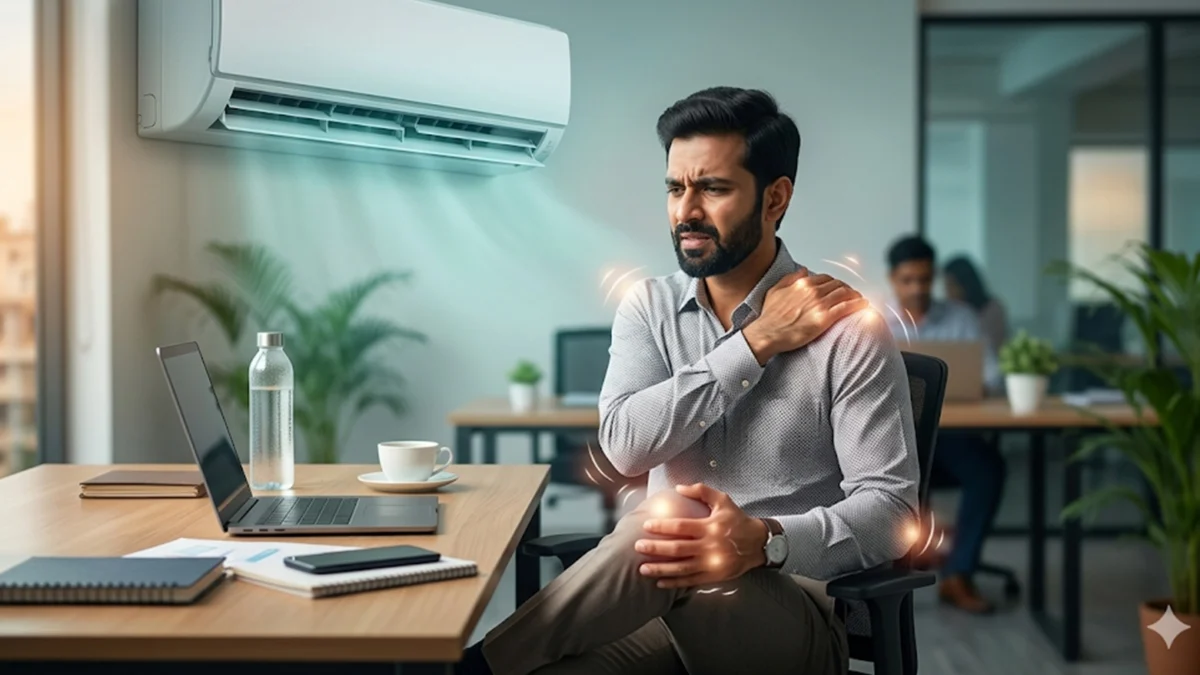
As the relentless Indian summer heat drives millions indoors, seeking refuge in the cool embrace of air-conditioned environments, a familiar discomfort often emerges. Beyond the immediate relief from sweltering temperatures, a growing number of individuals report experiencing increased joint stiffness, aches, and a general sense of discomfort after prolonged exposure to artificially cooled spaces. This widespread anecdotal evidence has fueled a common belief: that sitting in an air-conditioned room for extended periods can directly cause or exacerbate joint pain.
While the allure of cool air offers a vital escape from heat-related illnesses and enhances comfort, the connection between artificial cooling and musculoskeletal woes warrants a closer examination. The reality, experts suggest, is nuanced. Joint pain and stiffness are complex conditions influenced by a myriad of factors, including age, underlying arthritis, past injuries, muscle tension, poor posture, physical inactivity, and even circulatory changes. In the context of modern lifestyles, where prolonged sedentary periods in climate-controlled offices are the norm, discerning whether discomfort stems solely from the cold or from associated lifestyle habits becomes a challenge.
This article delves into the scientific perspective on the relationship between air conditioning and joint health, drawing insights from leading medical professionals. We explore the physiological mechanisms at play, debunk common myths, and offer practical advice for mitigating discomfort in our increasingly air-conditioned world.
The Direct Link: Does AC Cause Joint Pain or Worsen Existing Issues?
The prevailing scientific and medical consensus is that air conditioning, in itself, does not directly cause degenerative joint diseases like arthritis or bone deterioration. However, its indirect effects, particularly when combined with sedentary behaviour, can significantly amplify existing joint pain and stiffness.
Dr. Raju Vaishya, a senior consultant orthopaedic and joint replacement surgeon at Indraprastha Apollo Hospitals in New Delhi, clarifies this distinction: "Air conditioning does not directly cause arthritis or bone degeneration. However, prolonged sedentary indoor habits associated with excessive AC exposure worsen stiffness and muscle discomfort, particularly in people who already have conditions like arthritis or previous joint injuries."
The core of the issue, according to Dr. Vaishya, lies not in the temperature of the air itself, but in the lifestyle patterns that often accompany prolonged exposure to it. When individuals spend extended hours seated in a cooled environment, their natural inclination is to remain stationary, minimizing movement. This lack of physical activity, coupled with the cool temperatures, creates a perfect storm for musculoskeletal discomfort.
The Physiological Impact: Why Cold Indoor Temperatures Lead to Stiff Bodies
The human body is a finely tuned system, and prolonged exposure to cold, even at moderate indoor temperatures, can trigger specific physiological responses. When we are in a cold environment for an extended period, the body’s primary goal is to conserve heat. This leads to a cascade of changes that can affect our joints and muscles.
"When spending long hours in cold AC environments, several physiological changes occur in the body," explains Dr. Vaishya. "Blood flow decreases to muscles and joints, leading to increased stiffness and discomfort. Muscles and joints become stiff, reducing mobility, especially for people who cannot easily accommodate temperature changes. This muscle and joint stiffening causes reduced mobility and tightness. Sleeping or sitting in cold rooms for extended periods directly causes muscle stiffness and joint pain."
This reduction in blood circulation has a direct impact on the delivery of essential nutrients and oxygen to muscle and joint tissues. Less oxygen and glucose reach these areas, compromising their optimal function and contributing to the sensation of stiffness and reduced flexibility. Essentially, the cold environment causes a temporary physiological response that mimics the symptoms of joint pain without necessarily causing permanent tissue damage. This is particularly noticeable in individuals with pre-existing musculoskeletal conditions, as their joints and muscles may already be compromised and more sensitive to such changes.

The implications of reduced circulation are significant. Tissues that receive less blood flow can become less pliable and more prone to cramping or stiffness. For individuals who are already experiencing the effects of conditions like osteoarthritis, where the cartilage protecting the joints is worn down, this reduced circulation can exacerbate pain and inflammation. Similarly, those with a history of joint injuries, such as ligament sprains or muscle tears, might find their healing tissues are more susceptible to the tightening and discomfort induced by cold.
Furthermore, the psychological aspect cannot be overlooked. The perception of cold can also influence how we experience pain. When we feel cold, our nervous system can become more sensitized, potentially amplifying any underlying aches or stiffness we might be experiencing. This can create a feedback loop where the sensation of cold leads to increased awareness of discomfort, which in turn can make us feel more uncomfortable.
Mitigating the Chill: Strategies for Office Workers and Individuals
The good news is that the discomfort associated with air conditioning and joint stiffness is largely preventable and manageable. For office workers, who often spend the majority of their day in climate-controlled environments, adopting a proactive approach to their musculoskeletal health is crucial.
Dr. Vaishya offers several practical measures that can help office workers combat AC-related joint discomfort:
- Regular Movement Breaks: The most critical intervention is to break the cycle of prolonged sitting. Encouraging short, frequent breaks to walk around, stretch, or perform simple exercises can significantly improve circulation and reduce muscle stiffness. Even a five-minute walk every hour can make a substantial difference.
- Layering Clothing: Dressing in layers allows individuals to adjust their clothing based on the ambient temperature. Wearing a light cardigan, shawl, or jacket can provide a buffer against the cold, allowing for more comfortable temperature regulation without relying solely on the office thermostat.
- Warm Beverages and Hydration: While not a direct solution for temperature-induced stiffness, staying adequately hydrated is essential for overall joint health. Warm beverages, such as herbal teas, can also provide a localized warming effect and promote a sense of comfort.
- Maintaining Good Posture: Poor posture can put undue stress on joints and muscles, exacerbating any discomfort caused by cold. Being mindful of posture while sitting and standing can help alleviate this strain. Ergonomic assessments of workstations can also be beneficial.
- Gentle Stretching and Exercises: Incorporating simple stretches and exercises at the desk or during breaks can help keep muscles supple and joints mobile. Focus on movements that target the neck, shoulders, wrists, back, and legs.
- Utilizing Portable Heaters (where permissible): In some office environments, small, personal desk heaters might be an option to create a localized warm zone, providing direct relief from the cold.
- Humidifier Use: Dry air, often a byproduct of air conditioning, can sometimes contribute to dryness of the mucous membranes and skin, which might indirectly affect comfort levels. Using a small personal humidifier can help maintain a more comfortable microclimate.
Beyond the workplace, individuals spending significant time in air-conditioned homes or shopping centres should also be mindful of these strategies. The principle remains the same: combat prolonged stillness and cold exposure with movement and appropriate temperature management.
The Orthopaedic Consensus: AC as an Aggravator, Not a Cause
The overarching orthopaedic consensus reinforces the understanding that air conditioning is not an initiator of joint disease. Instead, it acts as an aggravator, amplifying symptoms in individuals already predisposed to or suffering from musculoskeletal issues.
"The orthopaedic consensus is that while AC does not cause joint disease, the combination of cold exposure and sedentary behaviour creates discomfort that can be prevented through these practical measures," Dr. Vaishya concludes. This statement highlights a crucial point: the solution lies in addressing the behavioural patterns associated with AC use, rather than the technology itself.
The widespread adoption of air conditioning has undeniably improved quality of life and public health by mitigating the risks associated with extreme heat. However, as our reliance on these technologies grows, so too does the importance of understanding their potential impact on our bodies. By being informed and implementing simple, proactive strategies, individuals can continue to enjoy the comfort of air conditioning without compromising their musculoskeletal well-being.
Disclaimer: This article is based on information from the public domain and expert opinions. Always consult with a qualified health practitioner before starting any new health routine or making significant changes to your lifestyle.
