

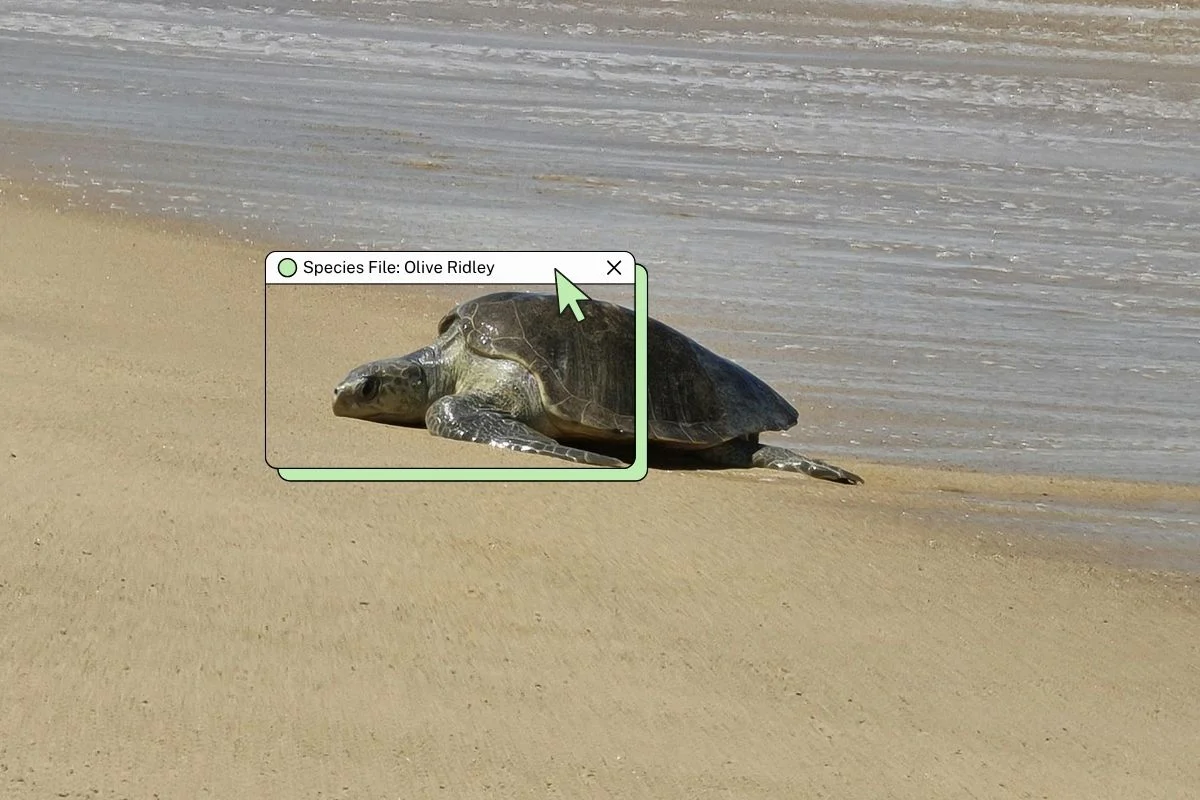
In the rhythmic ebb and flow of the Indian Ocean, a silent migration of epic proportions has long remained a mystery to marine biologists. However, recent breakthroughs in satellite telemetry are finally shedding light on the "maritime highways" used by the Olive ridley sea turtle (Lepidochelys olivacea). New tracking data from tagged turtles in Tamil Nadu has revealed a startling revelation: these ancient mariners are traveling much farther than previously documented, congregating in a little-known oceanic hotspot known as the Sri Lanka Dome.
As India grapples with the dual challenges of economic development and environmental stewardship, the story of the Olive ridley serves as a critical barometer for the health of our oceans. From the record-breaking mass nesting events on the shores of Odisha to the perilous journeys across international waters, the survival of this species is a complex saga of biological wonder and anthropogenic threat.
Main Facts: The Smallest Giant of the Sea
The Olive ridley is the smallest and most abundant of all sea turtle species globally. Named for the distinct olive-green hue of its heart-shaped carapace, it is a creature of the tropical reaches of the Pacific, Indian, and Atlantic Oceans. Despite their relatively small size—typically weighing between 35 and 45 kilograms—these turtles are formidable navigators, traversing thousands of kilometers between their foraging grounds and nesting beaches.
The most defining characteristic of the Olive ridley is the arribada—a Spanish word meaning "arrival." This phenomenon involves a synchronized mass nesting where tens of thousands of females descend upon specific beaches simultaneously to lay their eggs. India’s coastline, particularly the state of Odisha, hosts some of the largest arribadas on the planet.
The recent tracking initiative, spearheaded by conservationists and state departments in Tamil Nadu, has provided a "GPS for the ocean." By affixing satellite transmitters to the shells of nesting females, researchers have observed individuals bypassing traditional coastal routes to head directly for the Sri Lanka Dome. This region, characterized by nutrient-rich upwellings, appears to be a vital foraging hub not only for turtles from Tamil Nadu but likely for those migrating from Odisha as well. This discovery underscores the interconnectedness of the Indian Ocean ecosystem and suggests that turtle conservation cannot be confined to national borders.
Chronology: A Life Cycle Against the Odds
The life of an Olive ridley is a chronological gauntlet that begins and ends on the sandy shores of India.
The Arrival and Mating (November – January):
As winter sets in, adult turtles begin congregating in the shallow coastal waters of the Bay of Bengal. During this period, mating occurs offshore. In states like Odisha and Tamil Nadu, the arrival of the turtles triggers a period of high alert for the Forest Department and local fishing communities.
The Arribada (February – March):
In a spectacular display of biological synchronization, the mass nesting occurs. In early 2025, the Rushikulya rookery in Odisha witnessed a historic event where over 650,000 turtles arrived to nest. For several nights, the beach became a carpet of shells and sand as females dug pits to deposit approximately 100 to 120 eggs each.
Incubation and Hatching (March – May):
The eggs remain buried in the warmth of the sand for 45 to 60 days. The temperature of the sand determines the sex of the hatchlings—warmer sands produce more females, a factor increasingly influenced by global warming. Once they emerge, the hatchlings use the reflection of the moon on the water to find the sea.
The Long Migration (June – October):
Following the nesting season, the adults and surviving hatchlings disperse. The new tracking data suggests this is when the turtles make their move toward the Sri Lanka Dome and other deep-ocean foraging grounds, where they will spend the rest of the year feeding on jellyfish, shrimp, and fish eggs before the cycle repeats.
Supporting Data: The Fragile Numbers of Survival
While the sight of 650,000 turtles nesting may suggest a thriving population, the underlying data paints a more precarious picture. The Olive ridley is currently listed as "Vulnerable" on the International Union for Conservation of Nature (IUCN) Red List. The primary concern is the continuing decline in the number of mature individuals reaching breeding age.
The survival statistics are staggering: it is estimated that only one in every 1,000 hatchlings survives to adulthood. The journey from the nest to the surf is a literal "valley of death," where hatchlings are picked off by crabs, gulls, and feral dogs. Once in the water, they face predatory fish.

In 2025, while Rushikulya saw record numbers, other regions reported a rise in "ghost net" entanglements. Data from the 2025-2026 season indicates that plastic pollution is no longer a peripheral threat but a primary driver of mortality. Research by scholars like Chandana Pusapati highlights that nesting sites near river mouths—such as the Devi river in Odisha—act as "waste sinks." Because Olive ridleys have a preference for nesting near these estuaries, they are disproportionately exposed to land-based plastic debris and microplastics.
Official Responses: Legal Shields and Technological Sentinels
Recognizing the ecological importance of the species, the Indian government has afforded the Olive ridley the highest level of legal protection under Schedule I of the Wildlife Protection Act, 1972. This places them on the same legal footing as the Bengal tiger and the Asian elephant, making any harm to the turtles or their eggs a non-bailable offense with heavy penalties.
Operation Olivia:
Every year, the Indian Coast Guard launches "Operation Olivia." This mission involves intensive patrolling of the Odisha coast using ships and aircraft to enforce the seasonal ban on fishing in turtle-congregation zones. The goal is to prevent mechanical trawlers from entering restricted waters, as these vessels are the leading cause of accidental turtle deaths.
Satellite Tagging and Habitat Protection:
The Tamil Nadu Forest Department, under the leadership of officials like Supriya Sahu, IAS, has pivoted toward a data-driven approach. By investing in satellite tags, the department is moving beyond "beach-side protection" to "corridor protection." Understanding that turtles travel to the Sri Lanka Dome allows officials to advocate for the protection of international shipping lanes and fishing zones that intersect with these migratory paths.
Furthermore, local participation has become the cornerstone of the Forest Department’s strategy. In Odisha, "Turtle Guards" recruited from local fishing villages are paid to monitor nests and ensure that hatchlings reach the sea safely. This "community-led conservation" model has been praised for reducing the hostility between the fishing community and conservationists.
Implications: The Future of Trans-boundary Conservation
The discovery of the shared foraging ground in the Sri Lanka Dome has profound implications for the future of marine biology in South Asia. It shifts the narrative from a national conservation effort to a regional one.
1. Diplomatic Conservation:
If turtles from both Tamil Nadu and Odisha are utilizing the same waters off the coast of Sri Lanka, it necessitates a bilateral conservation agreement between India and Sri Lanka. Issues such as deep-sea trawling and oil exploration in the Sri Lanka Dome region now have direct consequences for the success of nesting events in India.
2. The Climate Crisis:
Climate change remains the "silent killer" of the Olive ridley. Rising sea levels are leading to beach erosion, shrinking the available space for arribadas. Furthermore, the phenomenon of "feminization"—where rising sand temperatures lead to an all-female hatchling population—threatens the genetic viability of the species. Without males to fertilize the eggs, even a population of millions would face extinction.
3. The Plastic Pandemic:
As noted by Chandana Pusapati, the accumulation of plastic at river mouths is a looming catastrophe. Hatchlings often mistake small bits of plastic for food, leading to internal injuries or starvation. For the females, navigating through "ghost nets" (discarded fishing gear) to reach the beach is becoming an increasingly lethal hurdle.
4. Economic Balance:
The 2025 record nesting at Rushikulya proves that conservation and human activity can coexist if managed correctly. However, the pressure for coastal development, including the expansion of ports and industrial lighting (which disorients hatchlings), remains a constant threat.
Conclusion: A Shared Responsibility
The Olive ridley turtle is more than just a seasonal visitor to India’s shores; it is a sentinel of the sea. Its journey to the Sri Lanka Dome reveals an ocean that is far more connected than our political maps suggest. While the record-breaking numbers of 2025 offer a glimmer of hope, the one-in-a-thousand survival rate reminds us that the margin for error is razor-thin.
The survival of the Olive ridley will depend on whether we can look beyond the nesting beaches and protect the entire length of their odyssey. From the plastic-choked estuaries of India to the deep-blue upwellings of the Indian Ocean, the fate of the Pacific ridley is a testament to our ability—or failure—to protect the wild heart of our planet. As these ancient travelers continue their journey, the data they carry on their backs serves as a call to action for a more unified, trans-boundary approach to marine life.
