

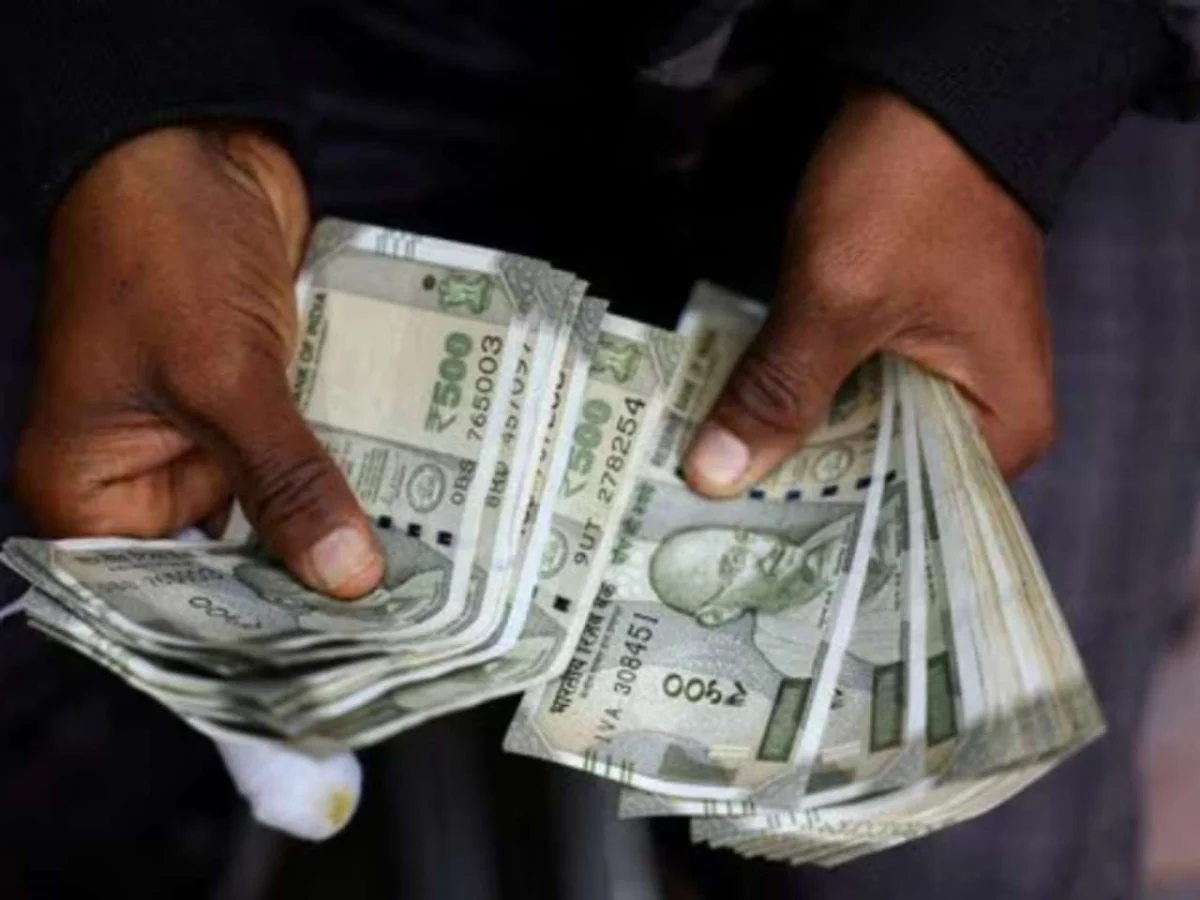
Kolkata, India – July 10, 2026 – The future financial landscape for millions of central government employees across India hangs in the balance as the 8th Pay Commission continues its crucial deliberations. A significant stakeholder meeting, held today in Kolkata, concluded with employee unions reiterating their strong demand for a substantial hike in House Rent Allowance (HRA) rates. This comes amidst rising living costs and inflationary pressures that have eroded the purchasing power of salaries, particularly for those residing in metropolitan and major urban centres. The outcome of these discussions will not only determine the immediate financial relief for employees but also cast a long shadow over government expenditure for years to come.
The meeting in Kolkata marks another critical step in the extensive process undertaken by the 8th Central Pay Commission (CPC) to review and recommend revisions to the salary structure, allowances, and pension benefits for central government personnel. At the heart of the current debate is HRA, a vital component of an employee’s total emoluments, which unions argue has failed to keep pace with the exorbitant rental costs in India’s burgeoning cities. With HRA being calculated as a percentage of basic pay, any revision in the basic salary structure, facilitated by the application of a fitment factor, will automatically influence HRA figures. However, employee representatives are vociferously advocating for an upward adjustment of the percentage rates themselves, pushing for a more equitable and realistic compensation framework.
Main Facts: The Core of the HRA Debate
The immediate trigger for the renewed focus on HRA stems from today’s stakeholder meeting in Kolkata, which saw various central government employee unions presenting their memorandums and arguments before the 8th Pay Commission. Their primary contention revolves around the inadequacy of the existing HRA slabs: 30% for X-category cities (major metropolitan areas), 20% for Y-category cities (larger urban agglomerations), and 10% for Z-category cities (smaller towns and rural areas). These rates, while recently revised in January 2024, are deemed insufficient by a large segment of the workforce, particularly those in lower pay grades.
The core of the unions’ argument is straightforward: real estate rental prices in India’s tier-1 and tier-2 cities have escalated dramatically over the past decade, far outstripping the current HRA provisions. This disparity forces many central government employees, especially those in Group C and D categories, to allocate a disproportionately large chunk of their basic salary towards rent, leaving them with limited disposable income for other essential expenditures. The implications extend beyond mere financial discomfort; it impacts employee morale, quality of life, and even the ability of the government to attract and retain talent in high-cost locations.
)
A crucial aspect of the HRA calculation mechanism is its direct linkage to basic pay. When the Pay Commission recommends a new basic pay structure, typically achieved by applying a ‘fitment factor’ to the existing basic pay, the HRA automatically increases if the percentage rates remain constant. For instance, if a fitment factor of 2.0 is applied, doubling the basic pay, the HRA amount also doubles even if the HRA percentage (e.g., 30%) remains unchanged. However, the unions are not merely content with this automatic increase; they are demanding a higher percentage for HRA itself, arguing that the base percentage is fundamentally flawed given current market realities. They are eyeing a potential hike that could push HRA up to 40% for X-category cities, with corresponding increases for Y and Z categories.
The 8th Pay Commission is now tasked with balancing these pressing employee demands against the immense fiscal implications for the national exchequer. The decisions made regarding HRA, alongside other allowances and the basic pay structure, will significantly influence the economic stability of millions of households and the financial health of the Union government.

Chronology of Pay Commissions and HRA Evolution
Understanding the current HRA debate requires a look back at the history of Pay Commissions in India and the evolution of this crucial allowance. The concept of a Pay Commission was established shortly after India’s independence, recognizing the need for a systematic and equitable review of central government employees’ emoluments.
Early Pay Commissions and the Genesis of HRA:
)
- First Pay Commission (1946): Set up even before independence, it laid the groundwork for a structured salary system. Housing allowances were rudimentary, often reflecting a paternalistic approach to employee welfare.
- Subsequent Commissions (2nd to 6th CPC): Over the decades, each Pay Commission refined the salary structure and allowances. HRA gradually evolved from a simple grant to a more formalized percentage-based allowance, with rates varying based on city classification. The aim was always to partially compensate employees for housing expenses in different urban environments. The categories of cities (A, B, C, D, which later became X, Y, Z) were introduced to reflect varying costs of living.
The 7th Pay Commission Era and Recent Revisions:
- Recommendations of the 7th CPC (2015): The 7th Pay Commission, headed by Justice Ashok Kumar Mathur, submitted its report in November 2015, with its recommendations largely implemented from January 1, 2016. For HRA, the 7th CPC initially recommended rates of 24% for X cities, 16% for Y cities, and 8% for Z cities.
- Revision Post-DA Hike (2017): A key recommendation of the 7th CPC was that HRA rates would be revised upwards once the Dearness Allowance (DA) crossed certain thresholds. Specifically, it stated that HRA would be revised to 27%, 18%, and 9% when DA crosses 50%. This revision took effect in July 2017 when DA breached the 50% mark.
- Further Revision in January 2024: The most recent adjustment occurred in January 2024. As per the 7th CPC recommendations, when Dearness Allowance crosses 50%, HRA rates are further revised to 30% for X cities, 20% for Y cities, and 10% for Z cities. This significant revision was implemented from the start of 2024, providing some relief to employees. This automatic revision mechanism was designed to ensure that allowances keep pace with inflation to some extent.
The Road to the 8th Pay Commission:
)
- Demand for 8th CPC: The clamour for the 8th Pay Commission began gaining momentum even before the full implementation of the 7th CPC’s recommendations was complete. Employee unions traditionally start pushing for a new commission well in advance, citing the need for periodic revisions to maintain real wages against inflation.
- Formation of the 8th CPC: While the exact date of its official constitution isn’t provided in the original snippet, the reference to "meetings and memorandums submitted to the 8th CPC so far" and the Kolkata meeting on July 10, 2026, indicates that the commission is actively engaged in its mandate. The government typically constitutes a Pay Commission every ten years, though there is no statutory obligation for this periodicity. The 8th Pay Commission is expected to submit its report sometime in 2027 or 2028, with recommendations likely to be effective from January 1, 2026, or January 1, 2027.
- Stakeholder Engagements: The current phase involves extensive consultations with various stakeholders, including government ministries, departments, and most importantly, central government employee unions and associations. These interactions are crucial for gathering data, understanding grievances, and formulating recommendations that are both fair to employees and fiscally responsible for the government. The Kolkata meeting today is part of this ongoing, elaborate consultative process.
Supporting Data: Deconstructing HRA and Its Impact
The essence of the current HRA debate lies in the interplay of basic pay, fitment factors, and the proposed HRA percentages. Understanding these components is critical to grasping the potential financial implications for both employees and the national exchequer.
Understanding HRA Calculation Mechanics:
House Rent Allowance is a non-taxable allowance provided by the employer to employees for their accommodation expenses. It is calculated as a percentage of an employee’s Basic Pay. The rates vary based on the classification of cities:
)
- X-category cities: Major metropolitan areas with the highest cost of living (e.g., Delhi, Mumbai, Chennai, Kolkata, Bengaluru, Hyderabad, Ahmedabad, Pune). These currently receive 30% HRA.
- Y-category cities: Large urban agglomerations with a moderate cost of living (e.g., Jaipur, Lucknow, Patna, Bhopal, Chandigarh, Coimbatore). These currently receive 20% HRA.
- Z-category cities: All other cities and towns with a comparatively lower cost of living. These currently receive 10% HRA.
The Role of the Fitment Factor:
A ‘fitment factor’ is a multiplier applied to an employee’s existing basic pay to arrive at their new basic pay under a revised pay scale. It is designed to ensure that the revised pay structure adequately compensates for inflation and salary stagnation since the last pay commission.
- For the 7th Pay Commission, the fitment factor was set at 2.57. This meant that an employee’s basic pay would be multiplied by 2.57 to determine their new basic pay. For example, if an employee had a basic pay of Rs 10,000 under the 6th CPC, their new basic pay under the 7th CPC became Rs 25,700 (10,000 x 2.57).
- For the 8th Pay Commission, various fitment factors are being discussed, including 2.0, 2.1, 2.28, and 2.57. Each factor represents a different level of increment in the basic pay. A higher fitment factor means a more substantial increase in basic pay, and consequently, a higher HRA amount, even if the HRA percentage rates remain constant.
Illustrative Calculations (Based on BankBazaar Estimates):
Let’s consider the example of a Level 1 employee, whose current basic pay is Rs 18,000. In an X-category city (30% HRA), this employee currently receives Rs 5,400 as HRA (30% of Rs 18,000).
)
Now, let’s analyze the impact of different fitment factors, assuming the HRA percentage rates (30% for X, 20% for Y, 10% for Z) remain unchanged, as per BankBazaar’s calculations:
| Fitment Factor | New Basic Pay (Level 1) | Revised HRA (at 30% for X-city) |
|---|---|---|
| 2.0 | Rs 36,000 (18000 x 2.0) | Rs 10,800 (30% of 36,000) |
| 2.1 | Rs 37,800 (18000 x 2.1) | Rs 11,340 (30% of 37,800) |
| 2.28 | Rs 41,040 (18000 x 2.28) | Rs 12,312 (30% of 41,040) |
| 2.57 | Rs 46,260 (18000 x 2.57) | Rs 13,878 (30% of 46,260) |
These figures clearly show that even without an increase in HRA percentages, a higher fitment factor significantly boosts the HRA amount. However, this is precisely where the unions’ demands diverge. They argue that these increases, while welcome, are still insufficient if the base percentages themselves are not reflective of actual market rents.
)
Employee Union Arguments for Higher HRA Percentages:
Employee unions are advocating for a direct increase in the HRA percentage slabs, proposing rates that could potentially push HRA for X-category cities up to 40%, with corresponding increases for Y and Z categories. Their arguments are multi-faceted:
- Exorbitant Rental Costs: Rents in metro cities like Mumbai, Delhi, Bengaluru, and even rapidly developing Tier-2 cities, have seen double-digit growth in recent years. A 1BHK apartment in many X-category cities can easily cost upwards of Rs 15,000-20,000, and often much more. Even with a fitment factor of 2.57 and a 30% HRA, a Level 1 employee would receive only Rs 13,878, which may still fall short of covering even a basic rental in core areas. For lower-level employees, this gap is even wider.
- Financial Strain on Group C and D Staff: The current HRA structure disproportionately affects Group C and D employees, who constitute a large segment of the central government workforce. Their basic pay is lower, and therefore, their HRA component is also smaller. This makes it exceedingly difficult for them to secure decent housing in urban areas, often forcing them into distant, less safe, or sub-standard accommodations.
- Inflation and Cost of Living: While DA addresses overall inflation, housing costs often outpace general inflation rates, especially in high-demand urban centres. The current HRA percentages, even with the 2024 revision, are perceived as outdated when compared to the current housing market dynamics.
- Equity and Quality of Life: Unions argue that adequate housing is a fundamental right and that central government employees should not be financially burdened to such an extent that it compromises their quality of life. Providing fair HRA is seen as crucial for maintaining employee morale and ensuring a dignified standard of living.
- Comparison with Other Sectors (Implied): While not explicitly stated in the snippet, unions often draw comparisons with housing benefits offered in certain private sector companies or public sector undertakings, arguing for parity.
The range of central government employees impacted spans from Level 1 to Level 10, encompassing everyone from Group D staff to entry-level Group A officers. Their starting basic pay currently ranges from Rs 18,000 to Rs 56,100. A revised HRA structure, whether through higher percentages or higher fitment factors, will have a sweeping impact across this entire spectrum.
)
Official Responses and Government Considerations
As of the conclusion of the Kolkata meeting, specific "official responses" from the 8th Pay Commission or the government regarding the HRA demands are unlikely to be immediately forthcoming. The commission’s mandate is to gather inputs, analyze data, and then formulate recommendations, not to issue on-the-spot decisions. However, the government’s approach to such demands is typically guided by a complex interplay of employee welfare, fiscal prudence, and broader economic considerations.
The Role of the Pay Commission:
The 8th Pay Commission operates as an independent body tasked with making recommendations to the government. Its process is exhaustive, involving:
)
- Data Collection: Gathering statistics on salaries, allowances, and living costs from various sources.
- Stakeholder Consultations: Engaging with unions, ministries, and experts.
- Economic Analysis: Assessing the impact of potential revisions on the national economy, inflation, and fiscal deficit.
- Benchmarking: Comparing central government salaries and benefits with those in state governments, public sector undertakings, and the private sector.
Once the commission submits its report, the government, specifically the Ministry of Finance and the Department of Expenditure, will review the recommendations. The government is not bound to accept all recommendations and may choose to modify or reject certain aspects based on its own assessment of economic viability and policy priorities.
Fiscal Implications for the Government:
A significant increase in HRA, especially if it involves both a higher fitment factor for basic pay and an increase in HRA percentages, would entail a massive financial outlay for the Union government.
)
- Direct Cost: The central government employs millions of individuals, and even a small percentage increase in HRA, when applied to such a large workforce, translates into thousands of crores of additional expenditure annually.
- Multiplier Effect: Often, state governments and other public sector entities follow the central government’s lead in revising their pay structures and allowances. This creates a cascading effect, multiplying the overall financial burden across the public sector.
- Budgetary Constraints: The government constantly grapples with managing its fiscal deficit. Unforeseen or substantial increases in expenditure can strain public finances, potentially leading to cuts in other development schemes or an increase in borrowing.
- Inflationary Concerns: While increased disposable income for employees can boost demand, a massive influx of funds into the economy through salary and allowance hikes could also fuel inflationary pressures, especially in the housing market, ironically counteracting the very purpose of the HRA hike.
Anticipated Government Stance:
The government is likely to adopt a cautious approach. While acknowledging the legitimate concerns of its employees regarding rising living costs, it will also need to consider:
- Sustainability: Ensuring that any revisions are fiscally sustainable in the long term.
- Economic Stability: Preventing any move that could destabilize the economy through excessive spending or inflation.
- Balancing Act: Striking a balance between employee welfare and the broader national economic interest.
It is probable that the government will carefully scrutinize the quantum of increase proposed by the unions against the actual market realities and its own financial capacity. There may be negotiations, adjustments, and perhaps a phased implementation strategy to manage the financial impact.
)
Implications: Far-Reaching Consequences
The recommendations of the 8th Pay Commission, particularly regarding HRA, will have profound implications across various sectors, extending beyond the immediate beneficiaries.
1. Financial Impact on Central Government Employees:
)
- Increased Disposable Income: A substantial hike in HRA, combined with revised basic pay, will significantly boost the take-home salary for millions of employees. This would lead to higher disposable income, improving their purchasing power and standard of living.
- Improved Housing Affordability: For many, especially in lower-income brackets, a higher HRA could make it easier to afford better quality housing in more convenient locations, reducing commuting times and improving overall well-being.
- Attraction and Retention: Competitive salaries and allowances are crucial for attracting and retaining skilled talent in the government sector. An attractive HRA package can help the government compete with the private sector, especially in high-cost cities.
- Debt Reduction/Savings: Employees might use the increased funds to pay off existing loans, invest, or save for future needs, contributing to personal financial stability.
2. Impact on the National Exchequer:
- Massive Financial Outlay: The government will face a significant increase in its recurring expenditure. The financial burden could run into tens of thousands of crores annually, depending on the final recommendations.
- Fiscal Deficit: Such an increase could put pressure on the fiscal deficit targets, potentially requiring the government to either cut other expenditures, increase revenue collection, or resort to higher borrowing.
- Resource Allocation: The allocation of funds towards employee emoluments might reduce the resources available for other critical development projects, infrastructure, or social welfare schemes.
3. Economic Impact:
)
- Boost to Consumption: Increased disposable income for millions of employees can stimulate consumer demand, particularly for housing, white goods, automobiles, and services, thereby providing a fillip to economic growth.
- Real Estate Market Dynamics: A significant increase in HRA could further inflate rental prices in urban centres, especially if the supply of affordable housing does not keep pace. This could paradoxically make housing even more expensive for non-government employees or for those whose HRA increase is still insufficient.
- Inflationary Pressures: While the direct impact on headline inflation might be debatable, a large-scale increase in purchasing power can contribute to demand-side inflation in certain sectors.
- Impact on State Finances: Many state governments typically follow the central government’s pay revisions. This means a ripple effect on state budgets, requiring them to make similar financial adjustments, potentially straining their own fiscal health.
4. Social and Political Implications:
- Employee Morale and Productivity: A fair and timely revision of salaries and allowances can significantly boost employee morale, leading to increased productivity and efficiency in government functioning. Conversely, perceived unfairness can lead to discontent and lower motivation.
- Public Perception: The government’s decision will be closely watched by the general public. While employees will welcome the hike, the public might view large increases with concern if they believe it strains public finances or contributes to inflation.
- Political Repercussions: In a democratic setup, decisions affecting such a large voter base (employees and their families) always have political ramifications. A favorable outcome could garner political goodwill, while a perceived unfavourable one could lead to dissent.
Future Outlook:
The conclusion of the Kolkata meeting is merely one step in a long process. The 8th Pay Commission will continue its stakeholder consultations, gather more data, and conduct detailed analyses. Its final report, expected in the coming years, will be the culmination of these efforts. Once the recommendations are submitted, the Union Cabinet will deliberate on them, potentially engaging in further discussions with employee representatives before a final decision is made. The implementation of the 8th Pay Commission’s recommendations, particularly regarding HRA, will undoubtedly reshape the financial landscape for central government employees and have a lasting impact on India’s economy. The battle for a more realistic and equitable HRA is far from over, and its resolution will be keenly awaited by millions.
