

AUTOMOBILE
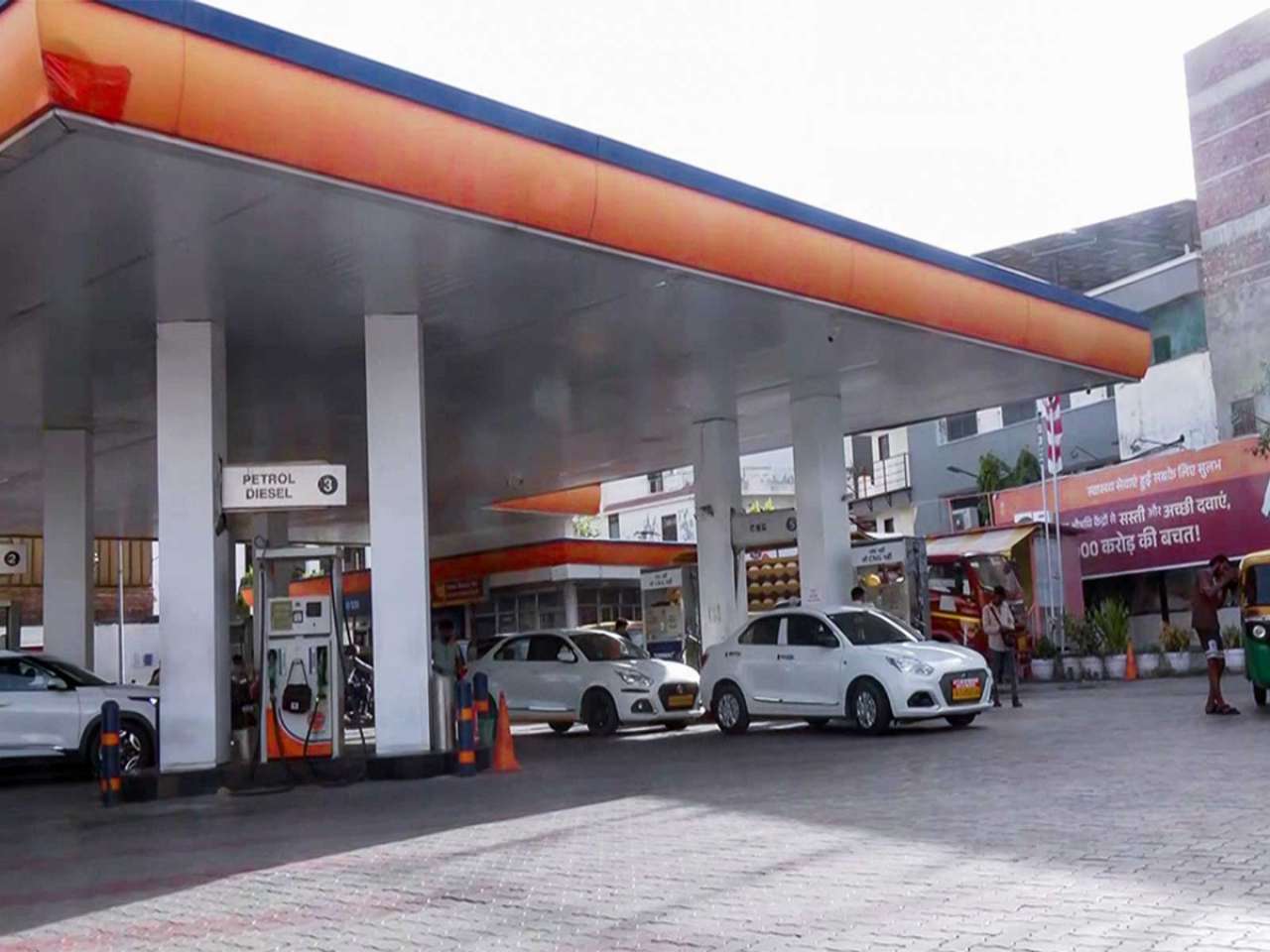
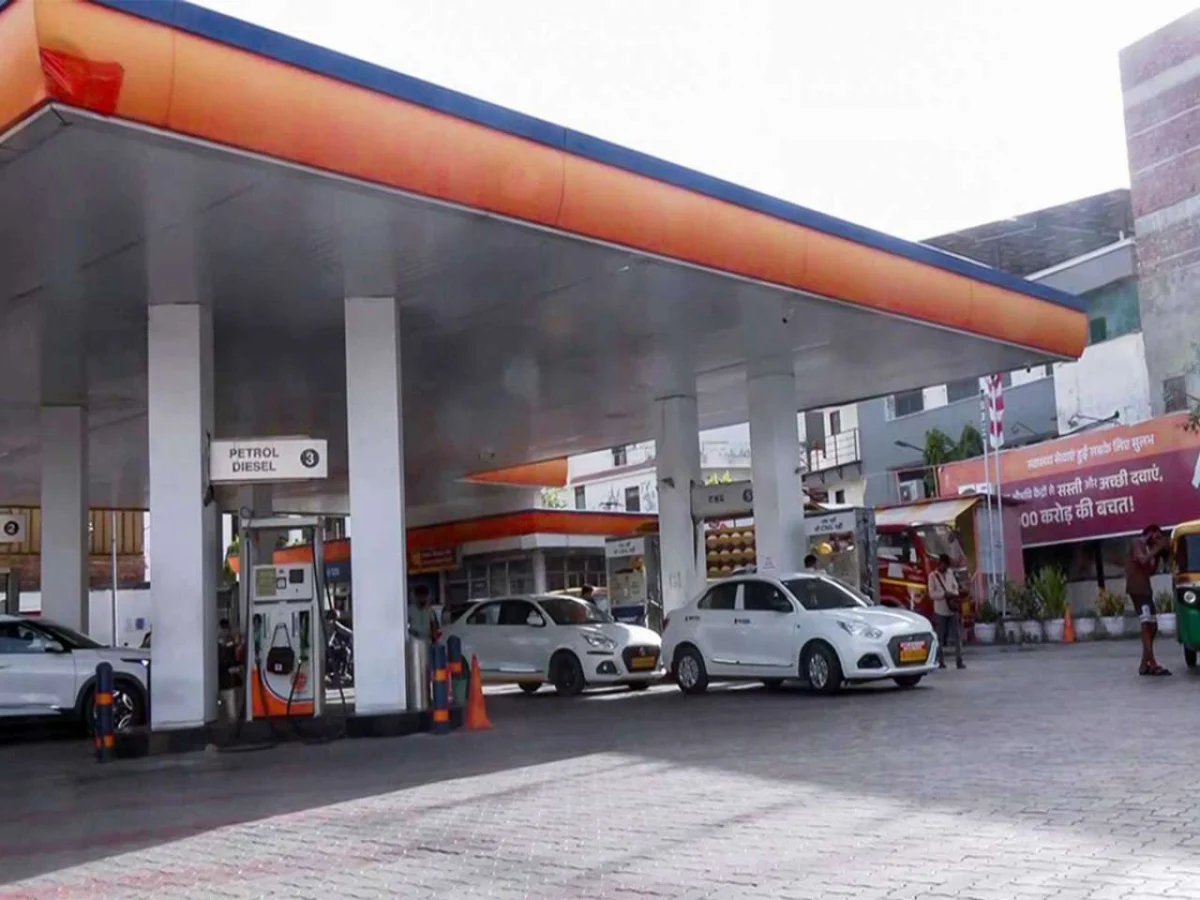
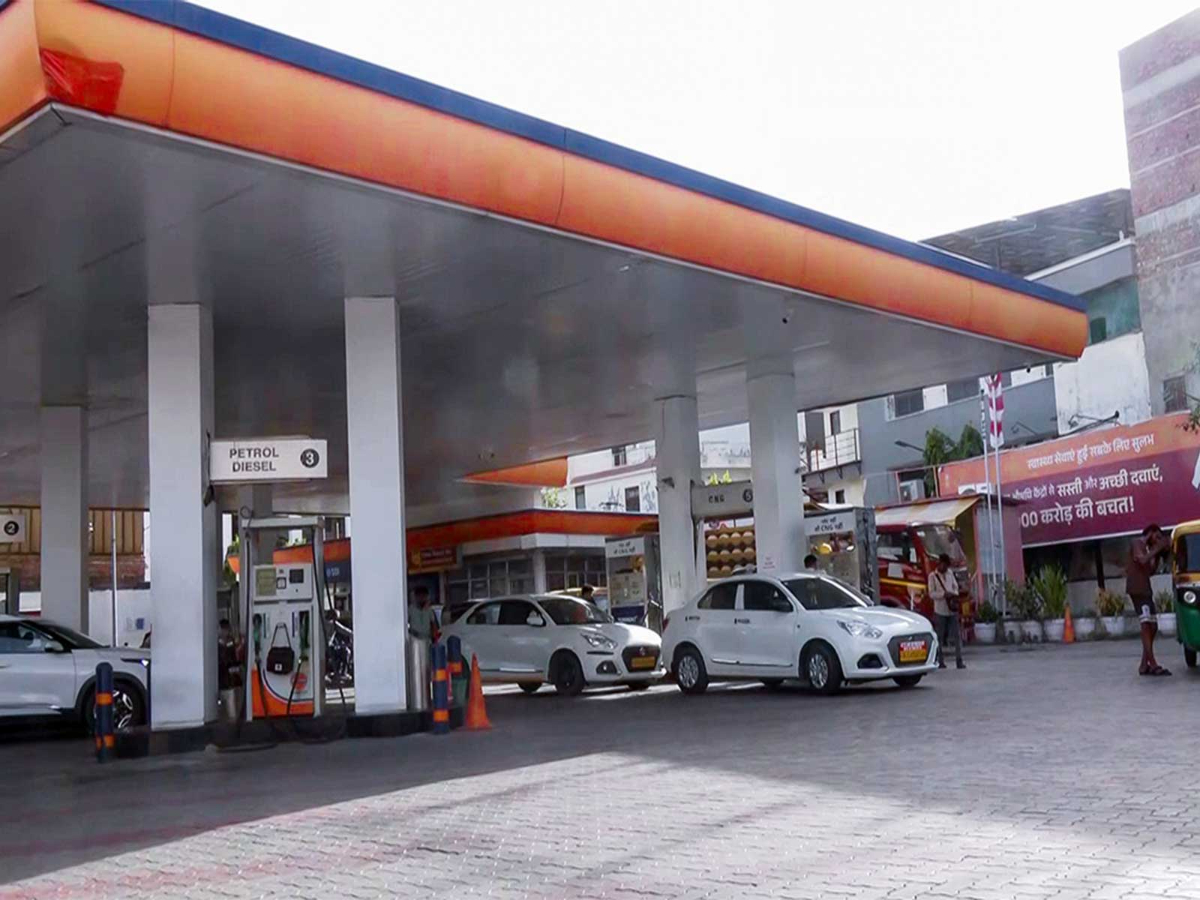
New Delhi, India – July 10, 2026 – The landscape of India’s fuel stations has undergone a definitive transformation. Indian motorists will no longer have the option to choose between pure petrol, E10 (10% ethanol blend), and the now-standard E20 (20% ethanol blend). The Union government, through its Ministry of Petroleum and Natural Gas, has issued a comprehensive clarification, firmly establishing E20 as the nation’s sole mainstream petrol offering. This landmark decision, communicated on July 10, 2026, marks a pivotal moment in India’s energy transition, driven by an unwavering commitment to environmental sustainability, energy security, and rural economic upliftment.
)
The Centre’s directive comes amidst growing public queries regarding the disappearance of lower-ethanol blends and pure petrol from pumps. Addressing these concerns directly, the Ministry articulated that the simultaneous maintenance of multiple fuel grades across the vast and complex Indian fuel distribution network is simply not practical. It underscored that E20 is not merely an alternative but a scientifically validated, more efficient, and cleaner fuel that aligns with India’s long-term strategic objectives. The move is a culmination of years of policy formulation, infrastructural investment, and technological adaptation, reflecting a determined push towards a greener and more self-reliant energy future.
)
The Mandate: E20 Becomes the Standard Fuel
The core of the government’s announcement is the unequivocal declaration that E20 petrol has been designated as the standard fuel across India. This policy shift means that petrol pumps nationwide will predominantly dispense E20, effectively ending the era of consumer choice among different ethanol-petrol blends. The Ministry of Petroleum and Natural Gas emphasized that this move is the culmination of extensive scientific research, rigorous testing, and detailed consultations with stakeholders across the automotive and petroleum industries.

The rationale behind this singular focus on E20 is multifaceted, encompassing logistical efficiencies, economic imperatives, environmental commitments, and the protection of significant national investments. For the average Indian consumer, this translates into a unified fuel standard designed to deliver cleaner combustion and contribute to national goals, albeit requiring an adaptation to the new reality at the fuel pump. The government’s stance is clear: progress towards a greener, more energy-secure future necessitates a decisive step, not a hesitant one. This strategy is also a testament to India’s proactive approach in meeting its global climate obligations and reducing its carbon footprint.
)
A Decades-Long Journey: Chronology of India’s Ethanol Blending Programme
India’s journey towards widespread ethanol blending is not a recent phenomenon but a strategic evolution spanning decades, meticulously planned and executed under the broader framework of the National Policy on Biofuels. This structured progression has been instrumental in setting the stage for the current E20 mandate.
)
Early Beginnings and Initial Targets (2003-2010)
The genesis of India’s Ethanol Blended Petrol (EBP) Programme can be traced back to 2003 when the government first introduced a modest 5% ethanol blending target (E5) in nine states and four Union Territories. The primary objectives at this nascent stage were dual: to reduce the nation’s burgeoning crude oil import bill and to provide an alternative market for surplus sugarcane, thereby supporting the domestic sugar industry and farmers. However, initial progress was slow due to various challenges, including inconsistent ethanol availability, fluctuating feedstock prices, and significant infrastructure gaps in the supply chain. Policy support was nascent, and market mechanisms were still evolving.
)
Scaling Up and Policy Reinforcement (2011-2018)
By 2011, the EBP Programme was expanded nationwide, and a more ambitious 10% blending target (E10) was set. This period saw increased governmental focus on incentivizing ethanol production, particularly through molasses-based distilleries. The introduction of the comprehensive National Policy on Biofuels in 2018 marked a significant turning point. This policy provided a clear, long-term roadmap, setting ambitious targets for ethanol blending: E10 by 2022 and E20 by 2030. It emphasized promoting advanced biofuels, reducing import dependence, and generating rural employment. Key measures included interest subvention schemes for setting up new distilleries and expanding existing ones, streamlining procurement processes for Oil Marketing Companies (OMCs), and ensuring a stable pricing mechanism for ethanol. These policy shifts created a more predictable and attractive environment for investment in the biofuel sector.
)
Accelerating Towards E20 (2019-2025)
The momentum for ethanol blending dramatically accelerated from 2019 onwards, driven by a renewed sense of urgency regarding climate action and energy security. Recognising the potential for faster adoption, the government advanced its E20 target from 2030 to 2025. This revised target necessitated a rapid scaling up of ethanol production capacity, fostering technological advancements in both first-generation (molasses/grain-based) and second-generation (biomass-based) ethanol, and widespread infrastructure development. Public Sector Oil Marketing Companies (OMCs) played a crucial role in expanding ethanol procurement and establishing blending facilities at depots.
)
- 2020: The Ministry of Petroleum and Natural Gas, in collaboration with OMCs and automotive manufacturers, launched extensive E20 pilot projects in select metropolitan cities. These trials were critical for testing vehicle performance, measuring emission reductions, assessing material compatibility, and gauging consumer acceptance under diverse Indian driving conditions. Research institutions like the Automotive Research Association of India (ARAI) provided vital technical insights and validation.
- 2021: Major automobile manufacturers, anticipating the accelerated target, began introducing E20-compliant vehicles. Initially, these included flex-fuel models or vehicles with clear E20 compatibility badging. Government advisories were actively issued to the entire automotive industry, encouraging them to fast-track research and development, re-engineer fuel systems, and recalibrate engines to ensure seamless transition and compliance with the new fuel standard.
- 2023: With significant strides in ethanol production and vehicle compatibility, E20 availability expanded rapidly across more cities and states. It gradually started replacing E10 as the primary blend in many regions, pushing the national average blending percentage steadily past E10, reaching E12, then E15. This phased rollout allowed for a smoother transition and continued monitoring of the programme’s impact.
- 2025 (Early Adoption and Final Transition): By early 2025, robust ethanol supply chains were firmly established, and a substantial majority of new vehicles entering the market were fully E20-compliant. This widespread readiness allowed the government to begin the final phase of phasing out E10. The decision to make E20 the sole standard, officially announced in July 2026, reflects the successful and ahead-of-schedule achievement of the accelerated 2025 target for nationwide E20 adoption. This proactive and ambitious approach underscores India’s unwavering commitment to its climate goals and energy independence.
This meticulously planned and executed progression, underpinned by consistent policy support, massive public and private investments, and collaborative industry efforts, ultimately laid the groundwork for the current mandate, making E20 not just an option, but the standard for India’s vehicular fuel.
)
The Data Behind the Decision: Supporting Statistics and Rationale
The Centre’s decision is not arbitrary but rooted in extensive data and a comprehensive understanding of India’s energy landscape, environmental commitments, and economic aspirations. The move to E20 as a singular fuel grade is backed by compelling supporting data across various critical dimensions, each contributing to a stronger, more sustainable India.
)
Economic Imperatives: Reducing the Crude Oil Import Bill
One of the most significant and immediate drivers for accelerating the EBP Programme is the substantial reduction in India’s colossal crude oil import bill. As the world’s third-largest oil consumer and importer, India’s economy has historically been highly vulnerable to global oil price volatility and geopolitical disruptions.
)
- Foreign Exchange Savings: By successfully implementing a 20% ethanol blend nationwide, India is projected to save an estimated USD 5-7 billion annually in foreign exchange. This calculation is based on current crude oil prices and the nation’s burgeoning fuel consumption patterns. These savings directly contribute to strengthening the nation’s economic resilience, improving its balance of payments, and bolstering its foreign currency reserves.
- Investment in Domestic Capacity: To achieve this ambitious target, the government has facilitated and supported massive domestic investment. Over the past several years, public sector banks have collectively financed nearly ₹1 lakh crore per year (approximately USD 12-13 billion annually) in investments towards bolstering ethanol production and associated infrastructure. This substantial capital infusion has gone into setting up new dedicated ethanol plants (both grain-based and molasses-based), expanding existing distilleries, developing state-of-the-art storage facilities, and upgrading logistics networks to ensure a consistent and adequate supply of ethanol to meet the nationwide E20 mandate. This investment signifies a long-term commitment to a domestic energy solution.
Environmental Benefits: A Cleaner, Greener Future
E20 petrol offers substantial
