

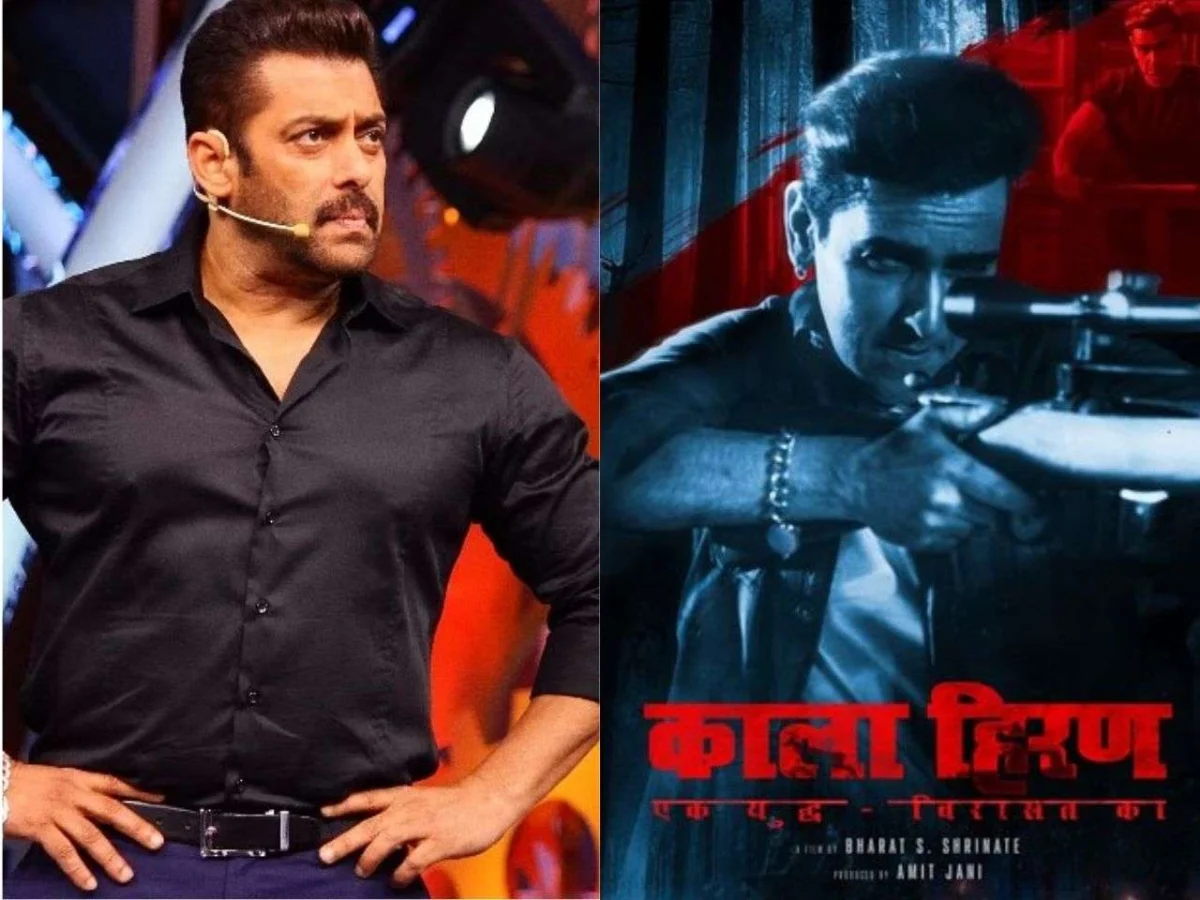
Mumbai, India – June 2, 2026 – Bollywood superstar Salman Khan has officially entered the legal arena, sending a strongly worded legal notice to the makers of an upcoming film titled "Kala Hiran." The notice, issued by DSK Legal on behalf of the actor, demands an immediate cessation of all development and promotional activities for the film, which is allegedly based on Khan’s infamous blackbuck poaching case. The move signals a fierce defense of his professional and personal image, as well as his legal rights, against what his team describes as a potentially defamatory and rights-infringing project.
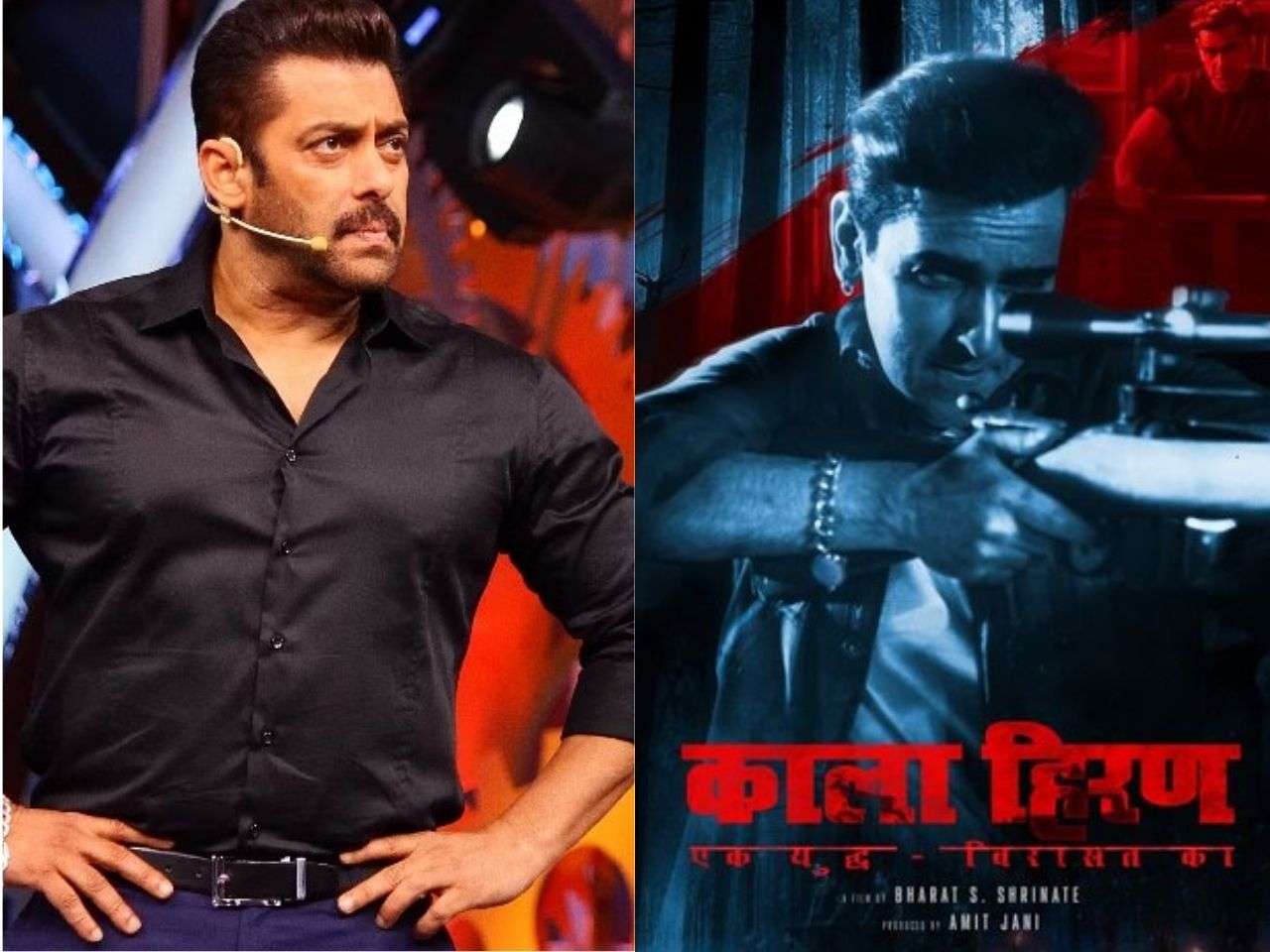
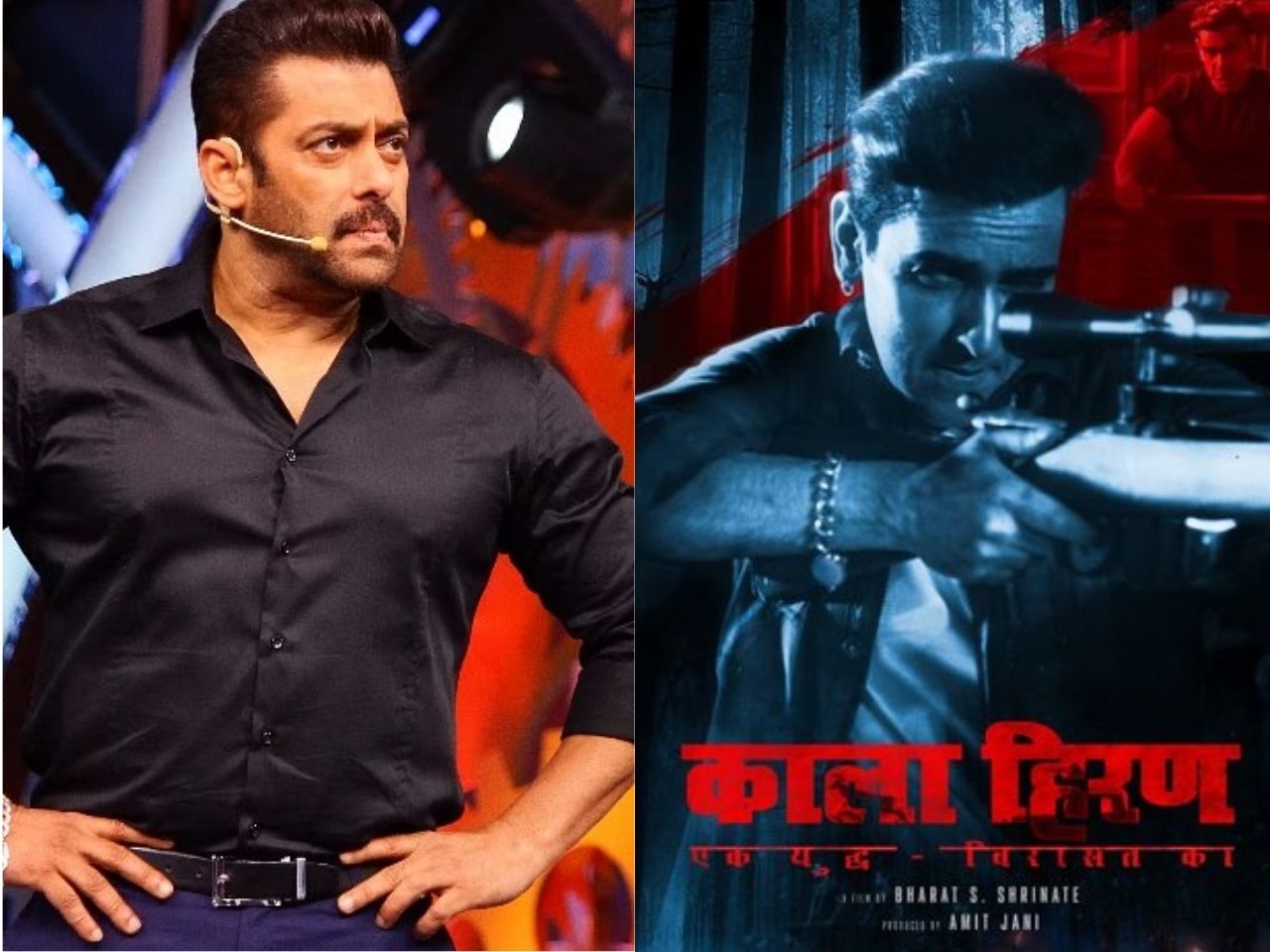
The film’s announcement, accompanied by a poster featuring an actor bearing a striking resemblance to Khan and wearing a distinctive blue bracelet, has left little room for ambiguity regarding its subject matter. The clear allusion to the long-standing blackbuck poaching case, which has cast a shadow over the actor’s career for years, has prompted Khan to take decisive legal action. This development underscores the intense scrutiny and potential for exploitation that high-profile legal cases can attract in the entertainment industry.
)
The Genesis of the Legal Storm: "Kala Hiran" and its Alleged Connection
The film "Kala Hiran," which translates to "Black Deer" in Hindi, has ignited a legal firestorm due to its perceived direct inspiration from the sensitive and ongoing legal battles surrounding Salman Khan. The poster, designed to immediately evoke the actor and his past legal entanglements, has been interpreted by Khan’s legal team as a blatant attempt to leverage his notoriety for commercial gain without his consent.
)
Sources close to the production indicate that casting director Akshay Pandey is at the forefront of this venture. The legal notice specifically names Pandey and his associates, accusing them of actively approaching actors and circulating promotional materials, including synopses and character sketches, that explicitly link the film to the blackbuck poaching case involving Salman Khan. This proactive dissemination of information, according to the notice, is seen as a deliberate effort to capitalize on the public’s familiarity with the case and the actor’s persona.

A Deep Dive into the Legal Allegations: Defamation, Rights Infringement, and Judicial Interference
The legal notice, dated April 24, 2026, outlines a multi-pronged attack on the "Kala Hiran" project, citing several critical violations.
)
1. Defamation and Damage to Reputation: The core of Salman Khan’s grievance lies in the alleged defamatory nature of the film. His legal team asserts that "Kala Hiran" contains false and misleading imputations that have the potential to severely damage Khan’s reputation, both personally and professionally. The notice claims the project is being manufactured to generate controversy and attract public attention at the expense of the actor’s meticulously cultivated image and goodwill. The fear is that a sensationalized portrayal could irrevocably harm his standing in the industry and with his vast fan base.
)
2. Violation of Personality and Publicity Rights: A significant argument put forth by Khan’s legal counsel revolves around the violation of his personality rights, privacy rights, and publicity rights. The notice contends that the film, by using identifiable references to Salman Khan and events directly connected to him, is attempting to profit from his fame and goodwill without his authorization. The unauthorized use of his likeness, persona, or even events closely associated with him constitutes a direct infringement on his right to control his own image and public representation.
)
3. Interference with Judicial Proceedings: The timing and nature of the film’s development also raise concerns about interference with the administration of justice. The blackbuck poaching case, a complex and protracted legal battle, is reportedly still pending before the Rajasthan High Court. The legal notice argues that producing a film based on such a sensitive and ongoing matter could be construed as an attempt to influence public opinion and potentially prejudice the judicial process. A sensationalized or biased portrayal, it is feared, could create pre-conceived notions about Khan, thereby compromising his right to a fair trial.
)
4. Unauthorized Use of Name and Persona: The notice explicitly states that Salman Khan has not granted any authorization or consent for the use of his name, persona, or any events connected to him in relation to the "Kala Hiran" project. This lack of consent forms the bedrock of the legal challenge, highlighting the unauthorized appropriation of his identity for the film’s narrative.
)
Chronology of the Dispute: From Announcement to Legal Action
The unfolding of this legal dispute can be traced through a series of events:
)
- Early April 2026: News emerges of an upcoming film titled "Kala Hiran," with its initial promotional materials strongly suggesting it is based on Salman Khan’s blackbuck poaching case. A poster featuring an actor resembling Khan, complete with a signature blue bracelet, fuels speculation and public interest.
- Mid-April 2026: Salman Khan’s legal team begins to gather information regarding the film’s production and the individuals involved. They reportedly become aware of casting director Akshay Pandey’s alleged activities in approaching actors and circulating promotional content.
- April 24, 2026: DSK Legal, acting on behalf of Salman Khan, formally issues a legal notice to Akshay Pandey and all other relevant parties involved in the "Kala Hiran" project. The notice details the allegations of defamation, rights infringement, and potential interference with judicial proceedings.
- Late April – Early May 2026: The legal notice demands an immediate halt to all production and promotional activities for "Kala Hiran." A deadline is set for compliance, with the threat of civil and criminal legal proceedings, including claims for damages and compensation, looming if the demands are not met.
- June 2, 2026: News of Salman Khan’s legal action breaks, bringing the dispute into the public domain. The article reports on the contents of the legal notice and the actor’s firm stance against the unauthorized use of his persona and the alleged defamation.
Supporting Data and Context: The Blackbuck Poaching Case
The blackbuck poaching case is a significant and sensitive legal matter that has been associated with Salman Khan for over two decades. The incident dates back to October 1998, when Khan, along with other Bollywood actors, was accused of poaching two blackbucks in Kankani village near Jodhpur, Rajasthan, during the shooting of the film "Hum Saath Saath Hain."
)
- Allegations: The primary charges against Khan and others included poaching of endangered species and the use of unlicensed firearms.
- Legal Proceedings: The case has seen numerous legal battles, appeals, and convictions, as well as acquittals, over the years. Salman Khan was convicted by a lower court in 2006 and sentenced to five years in prison, but the sentence was suspended by the Rajasthan High Court in 2007. In 2018, he was convicted again by a lower court and sentenced to five years in prison, but was later granted bail by the Sessions Court. The case has continued to wind its way through the judicial system, with appeals and further proceedings at various levels.
- Public Perception: The blackbuck poaching case has been a recurring topic in media coverage and public discourse, significantly impacting Salman Khan’s public image and often resurfacing during significant career milestones or legal developments.
The protracted nature and high-profile status of this case make any attempt to dramatize it in a film a sensitive undertaking, especially without the direct involvement or consent of the individual at its center.
)
Official Responses and Demands: A Clear Ultimatum
The legal notice issued by DSK Legal on behalf of Salman Khan is unequivocal in its demands and lays out a clear ultimatum for the "Kala Hiran" makers.
)
Key Demands:
)
- Immediate Halt to Production and Promotion: The primary demand is for Akshay Pandey and all other parties involved in the film to cease all ongoing production activities, including filming, editing, and any form of post-production work. Furthermore, all promotional activities, including the circulation of posters, trailers, social media posts, and any other marketing materials, must be immediately discontinued.
- Unconditional Written Apology: The legal notice also calls for an unconditional written apology from the makers to Salman Khan. This apology is likely intended to acknowledge the wrongdoing and mitigate the damage caused to his reputation.
- Consequences of Non-Compliance: The notice serves as a stern warning, stipulating that failure to comply with these demands within 24 hours of its receipt will result in the initiation of civil and criminal legal proceedings. These proceedings would include claims for substantial damages and compensation for the harm caused to Khan’s reputation, privacy, and publicity rights.
The strict 24-hour compliance window underscores the urgency and seriousness with which Salman Khan and his legal team are approaching this matter. It indicates a strong determination to protect his rights and prevent any further exploitation of his persona and legal history.
)
Implications and Wider Ramifications: The Ethics of Biopics and Celebrity Rights
The legal action taken by Salman Khan against the makers of "Kala Hiran" has significant implications for the film industry and raises pertinent questions about the ethics of creating biopics and the protection of celebrity rights.
)
- The Line Between Inspiration and Infringement: This case highlights the fine line between artistic inspiration and outright infringement of personality rights. While filmmakers often draw inspiration from real-life events and personalities, the unauthorized use of a person’s name, likeness, or life story for commercial purposes without their consent can lead to serious legal repercussions.
- The Power of Personality Rights: The case emphasizes the growing importance of personality rights in the digital age. Celebrities, with their established public personas, have a vested interest in controlling how their image and life stories are portrayed and monetized. Legal actions like this serve as a reminder that these rights are enforceable.
- Ethical Considerations in Biopic Production: The controversy surrounding "Kala Hiran" prompts a discussion on the ethical responsibilities of filmmakers when creating biopics or films inspired by real-life individuals, particularly those involved in ongoing legal matters. Transparency, consent, and a commitment to factual accuracy are crucial to avoid legal entanglements and maintain journalistic integrity.
- Precedent for Future Cases: This legal battle could set a precedent for how similar cases are handled in the future. It underscores the willingness of high-profile individuals to pursue legal avenues to protect their rights against perceived exploitation.
- Impact on the Film Industry: Such legal disputes can create a chilling effect on creative freedom, but they also serve as a necessary check on potential abuses. The industry may see increased caution and a greater emphasis on obtaining clearances and respecting individual rights when developing projects based on real-life figures.
As the legal battle unfolds, the outcome of this notice will be closely watched by the Bollywood fraternity and legal experts alike, offering insights into the evolving landscape of celebrity rights and the ethical boundaries of filmmaking. Salman Khan’s decisive legal move signals a robust defense against any entity seeking to capitalize on his life’s narrative without his explicit endorsement.
