

The Indian automotive landscape is currently undergoing a seismic shift, transitioning from a predominantly internal combustion engine (ICE) market to a sophisticated, multi-powertrain ecosystem. As we enter June 2026, the industry is witnessing one of its most diverse months on record. Following a high-octane May—which saw the introduction of the Honda City facelift, the refreshed Tiago EV, and the debut of MG’s flagship Majestor—June is set to further accelerate this momentum.
This month’s lineup is a strategic blend of high-voltage electric vehicles (EVs), long-range Plug-in Hybrid Electric Vehicles (PHEVs), and high-performance ICE machines. From the nostalgic resurgence of the Tata Sierra to the technical prowess of the BMW X6 M60i, June 2026 represents a microcosm of the global automotive transition, tailored specifically for the Indian consumer.
Main Facts: A Triple-Threat Strategy
The primary takeaway for June 2026 is the absence of a "one-size-fits-all" approach. Manufacturers are no longer betting solely on one technology. Instead, they are diversifying to capture different segments of the market:

- The EV Vanguard: Tata Motors continues its aggressive electrification strategy with the launch of the Sierra EV, a vehicle that leverages heritage branding to drive future-tech adoption.
- The Hybrid Middle-Ground: BYD and Honda are doubling down on hybrid technology. While BYD introduces its sophisticated DM-i Plug-in Hybrid system, Honda is bringing the ZR-V via the CBU (Completely Built-Up) route to test the waters for premium strong hybrids.
- The Luxury Performance Tier: Mercedes-Benz, BMW, and Skoda are catering to the upper echelons of the market. These launches focus on "mild-hybrid" performance and raw ICE power, proving that the enthusiast market remains vibrant despite the push for electrification.
Chronology: The June 2026 Launch Timeline
The month is structured with strategic announcements aimed at maintaining consumer interest from the first week to the last.
- Early June (June 1st – June 8th): Pre-launch activities and bookings commence for the Mini Countryman C, marking a milestone as the first Countryman to be locally produced in India.
- June 9th: BYD India is scheduled to officially launch its first PHEV model. This date marks a significant entry for the Chinese giant into the Indian hybrid space, potentially disrupting the dominance of Japanese manufacturers.
- Mid-June (June 15th): Mercedes-Benz takes center stage with the launch of the S-Class facelift. The focus will initially be on the PHEV variant, emphasizing the brand’s "Electric First" philosophy for its flagship sedan.
- Late June (June 20th – June 30th): The much-anticipated Tata Sierra EV is expected to see its commercial rollout. Simultaneously, price announcements for the Honda ZR-V and the official debut of the BMW X6 M60i and Skoda Kodiaq RS will round out the month.
Supporting Data: Technical Deep-Dive into the June Newcomers
1. Tata Sierra EV: The Return of a Legend
The Sierra EV is perhaps the most significant launch for the domestic market. Built on the Acti.ev platform, it is designed to offer a "lounge-like" experience.
- Drivetrain: Available in Rear-Wheel Drive (RWD) and All-Wheel Drive (AWD) configurations.
- Range: Targeted real-world range of 500+ km per charge.
- Aesthetics: Unlike its ICE counterpart, the EV features a "Tech-Forward" face with a closed grille, sequential LED signatures, and an aerodynamic wheel design.
- Competitive Landscape: It enters a crowded sub-segment, facing off against the Mahindra BE 6, Hyundai Creta EV, and the Maruti eVitara.
2. BYD PHEV: Redefining Range Anxiety
BYD is introducing its DM-i (Dual Mode intelligence) technology, which focuses on efficiency. Whether India receives the Atto 2 DM-i or the Sealion 6 DM-i, the specifications are formidable:

- Atto 2 DM-i: Offers battery options of 7.8 kWh or 18 kWh, with a staggering combined range of up to 998 km.
- Sealion 6 DM-i: Features a 1.5-litre turbo-petrol engine paired with an 18.3 kWh or 26.6 kWh battery, pushing the combined range beyond 1,000 km.
- Market Impact: By offering a 1,000 km range, BYD is directly addressing the infrastructure gaps in India’s charging network.
3. Mercedes-Benz S-Class Facelift (PHEV)
The W223 facelift brings subtle aesthetic changes but massive internal upgrades.
- Powertrain: 3.0-litre turbo-petrol inline-six combined with a potent electric motor.
- Output: 435 PS of power and 680 Nm of torque.
- EV Capability: A 22 kWh battery allows for approximately 100 km of pure electric driving, making it ideal for zero-emission city commuting for the elite.
4. The Performance SUVs: BMW X6 M60i and Skoda Kodiaq RS
For those who prioritize driving dynamics over fuel economy, June offers two distinct flavors of performance.
- BMW X6 M60i: A 4.4-litre twin-turbo V8 with mild-hybrid assistance. It produces 523 PS and can sprint to 100 km/h in 4.3 seconds.
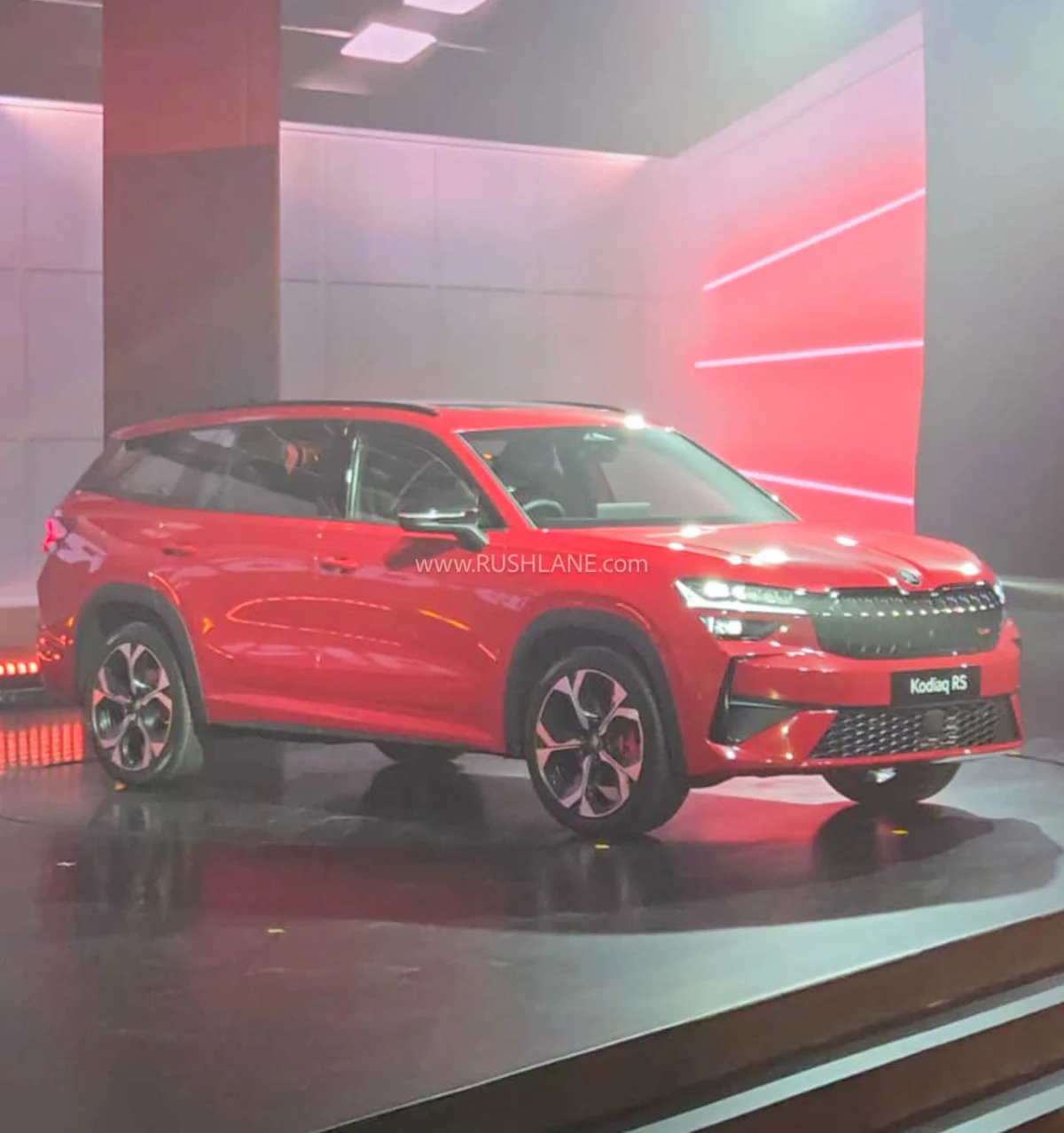
- Skoda Kodiaq RS: The first RS-badged SUV in India. It features a 2.0-litre TSI engine tuned to 265 PS, paired with a 7-speed DSG and torque-vectoring AWD.
Official Responses and Industry Sentiment
Industry analysts suggest that the June 2026 launch window reflects a maturing market.

A spokesperson for Tata Motors recently noted, "The Sierra EV is not just a car; it is a statement of our capability to blend heritage with future-ready technology. Our focus remains on providing a range that eliminates anxiety while delivering a premium cabin experience."
Meanwhile, BYD India’s leadership has hinted at a shift in consumer preference: "We are seeing a clear trend where consumers want the benefits of an EV for city driving but the security of a petrol engine for long-distance travel. Our DM-i technology is the perfect bridge for the Indian geography."
Skoda Auto India has emphasized that the Kodiaq RS is a "halo product" intended to solidify the brand’s image as a provider of European performance. "The Indian enthusiast is evolving. They want the practicality of a 7-seater SUV but the soul of a sports car. The RS badge delivers exactly that," a company representative stated during the pre-launch unveil.

Implications: What This Means for the Indian Market
The influx of these diverse models in June 2026 carries several long-term implications for the industry and the consumer:
1. The Normalization of Hybrids
For years, the Indian market was split between petrol/diesel and pure EVs. The entry of BYD’s PHEV and the Honda ZR-V strong hybrid suggests that the "middle path" is becoming a mainstream reality. This could force the government to reconsider taxation on hybrids, which currently face a higher GST bracket compared to EVs.
2. The Premiumization of Local Manufacturing
The Mini Countryman C being locally produced is a landmark moment. It indicates that global luxury brands now see enough volume in India to justify local assembly lines for their sub-compact models. This will likely lead to more competitive pricing and a surge in "entry-level luxury" sales.

3. Infrastructure Pressure vs. Self-Sufficiency
While the Tata Sierra EV pushes the need for more DC fast chargers, the BYD and Mercedes PHEVs offer a "self-sufficient" alternative. These vehicles can be charged at home for daily use but rely on the existing petrol station network for interstate travel. This "dual-track" development reduces the immediate pressure on the national power grid while still lowering the overall carbon footprint.
4. The Survival of the Enthusiast Engine
The launch of a V8-powered BMW and a high-output Skoda SUV proves that ICE technology is not dead; it is simply becoming more exclusive. As mass-market segments move toward electrification, the "internal combustion" experience is being repositioned as a luxury, high-performance niche.
Conclusion
June 2026 stands as a testament to the complexity and vibrancy of the Indian automotive sector. Whether it is the silent glide of the Tata Sierra EV, the marathon-like endurance of the BYD PHEV, or the visceral roar of the BMW X6 M60i, the options available to the Indian buyer have never been more varied. As manufacturers navigate the fine line between sustainability and performance, the consumer emerges as the ultimate winner, with a vehicle available for every conceivable need and lifestyle.
