


The Indian automotive landscape is currently undergoing a seismic shift, transitioning from a market dominated by hatchbacks to one defined by sophisticated, tech-laden SUVs. In this high-stakes environment, Renault has unveiled a comprehensive roadmap that transcends mere product launches. At the heart of this "Renaulution" in India is the Renault Bridger Concept, a vehicle that serves as a manifesto for the brand’s future. Far more than a design study, the Bridger represents a layered strategy designed to capture the burgeoning B-SUV segment while leveraging a sophisticated dual-platform architecture.
With India positioned as one of Renault’s top three global markets, the stakes could not be higher. The French automaker is aiming for India to contribute nearly 35% of its global sales in the near future, supported by a plan to expand its local portfolio to seven models by 2030.
I. Main Facts: The Bridger Concept and the Multi-Energy Vision
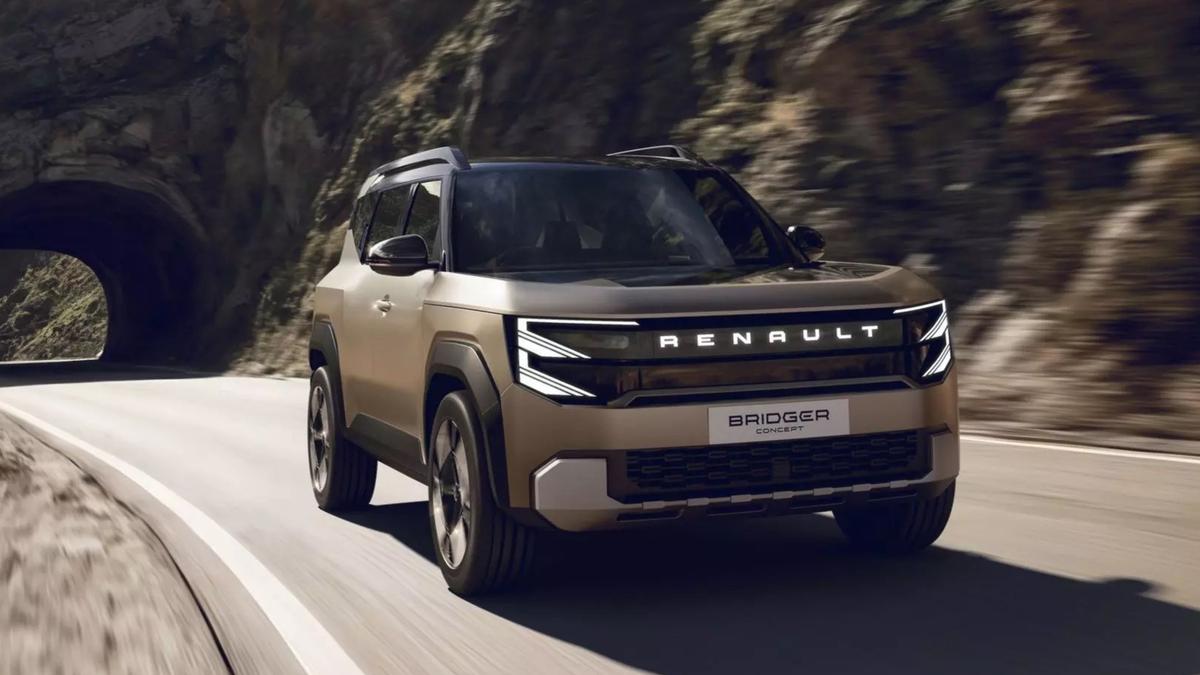
The Renault Bridger Concept is the primary protagonist in Renault’s next Indian chapter. Positioned squarely in the competitive B-SUV segment, the Bridger is designed to bridge the gap between rugged utility and urban sophistication.
Design and Positioning
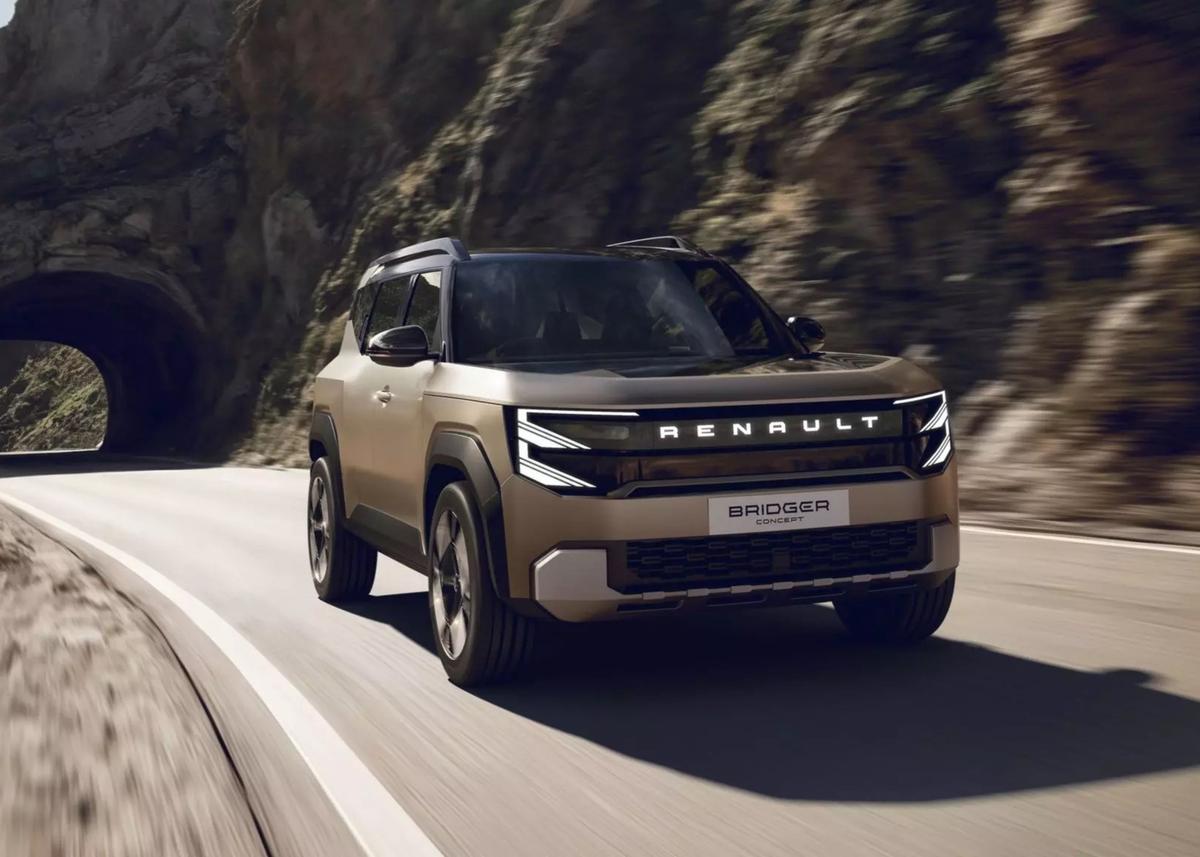
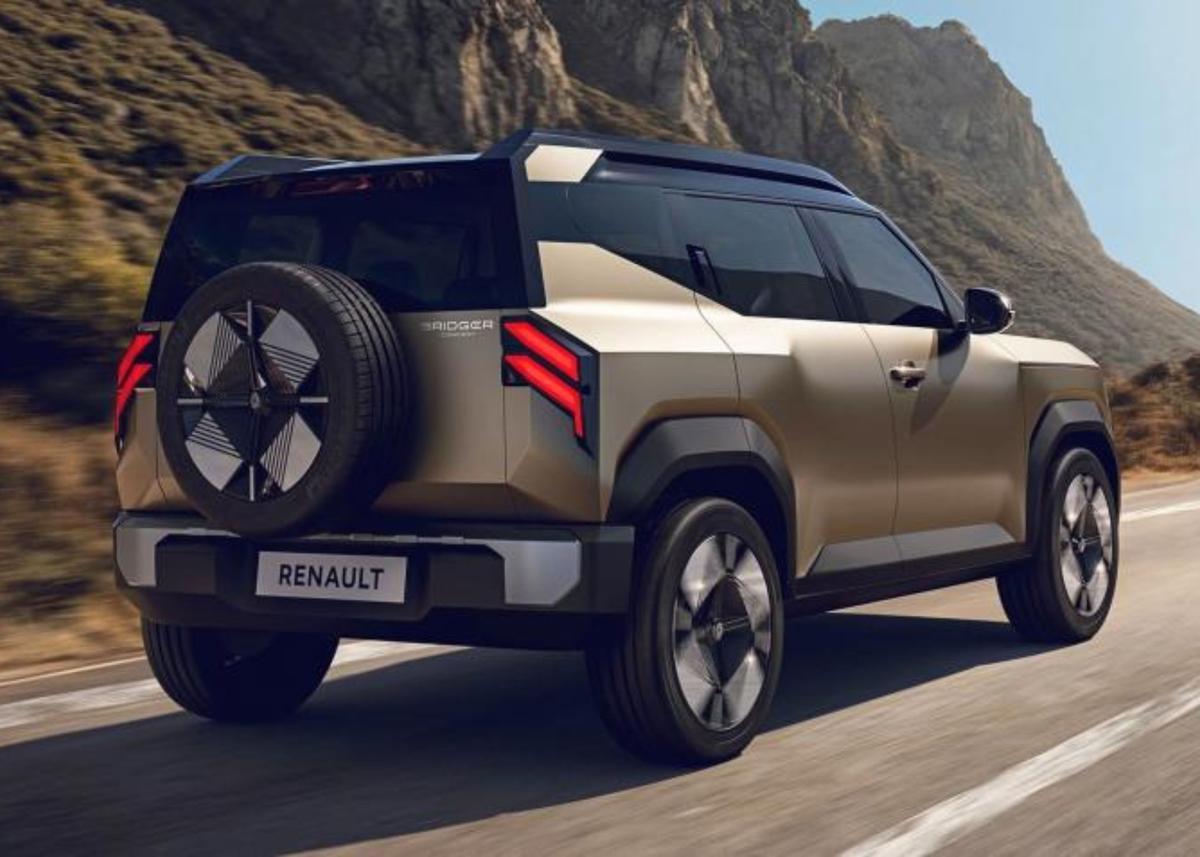
The Bridger exhibits a commanding presence that belies its compact footprint. Its design language features an upright nose, squared-off wheel arches, and clean, muscular surfacing. Unlike many concepts that lean toward futuristic abstraction, the Bridger feels grounded in reality. It is an SUV designed for the complexities of Indian cities—tight overhangs for maneuverability and high ground clearance for varied terrains—while tapping into the "lifestyle" narrative that modern Indian buyers crave.
The RGMP Foundation
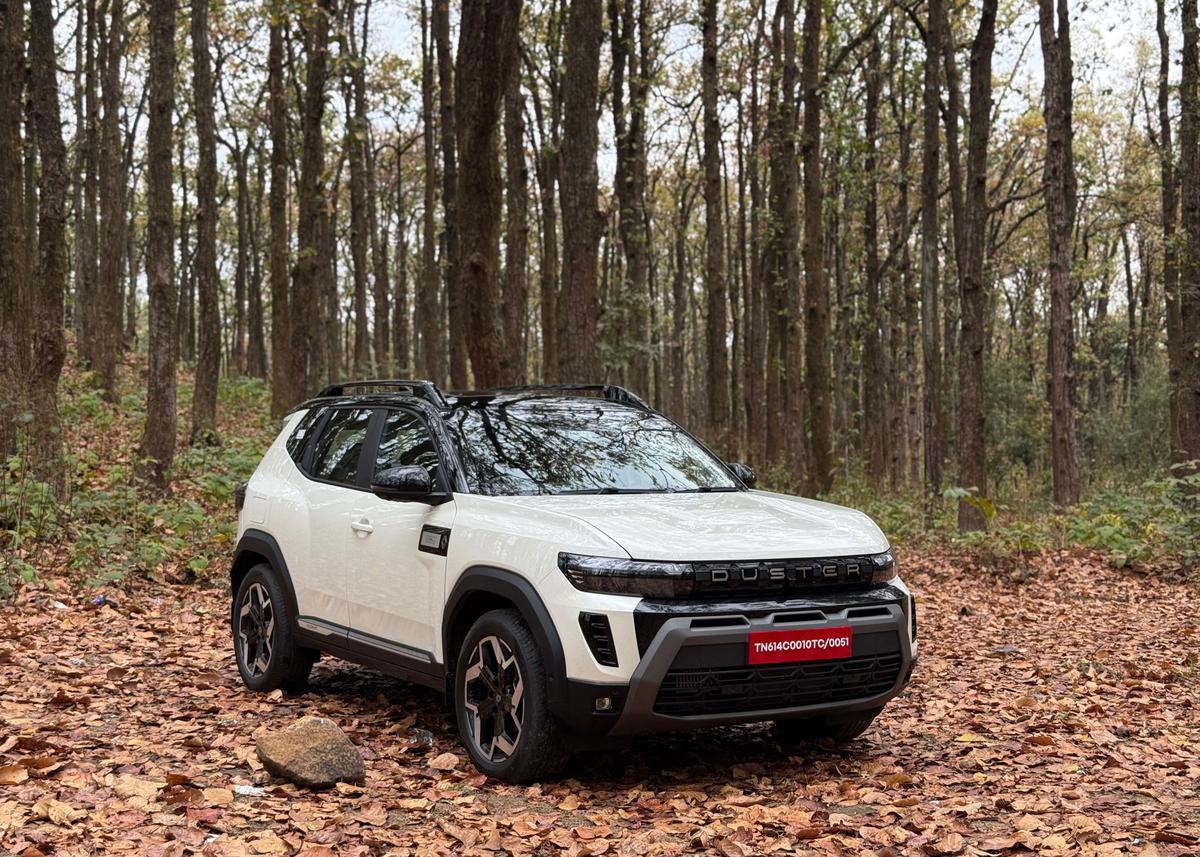
The most significant technical revelation is that the Bridger will be the second vehicle built on the Renault Group Modular Platform (RGMP). This platform is a cornerstone of Renault’s global engineering prowess, having already debuted in India with the all-new Renault Duster.
The RGMP is a "multi-energy" architecture. Unlike traditional platforms that require significant re-engineering to switch between propulsion types, RGMP was designed from the outset to accommodate:
- Internal Combustion Engines (ICE): Specifically high-efficiency turbo-petrol units.
- Flex-Fuel Applications: Aligning with India’s push toward ethanol blending.
- Strong Hybrids: Providing a middle ground for fuel efficiency without range anxiety.
- Battery Electric Vehicles (BEV): Ensuring the platform remains future-proof as infrastructure matures.
II. Chronology: The Roadmap to 2030
Renault’s journey in India has been defined by bold risks—from the disruptor Duster in 2012 to the volume-driving Kwid and the segment-creating Triber. The current timeline marks the beginning of their most aggressive product renewal cycle to date.
- The Re-Entry (2024-2025): The all-new Renault Duster has already re-established the brand in the midsize SUV space. Its immediate impact has been bolstered by advanced turbo-petrol options.
- The Hybrid Push (Late 2024): A strong hybrid variant of the Duster is slated to join the lineup during the current festive season, marking Renault’s first major foray into electrified powertrains in India.
- The Bridger Era (2025-2026): Following the Duster, the production version of the Bridger Concept will debut, targeting the high-volume B-SUV segment.
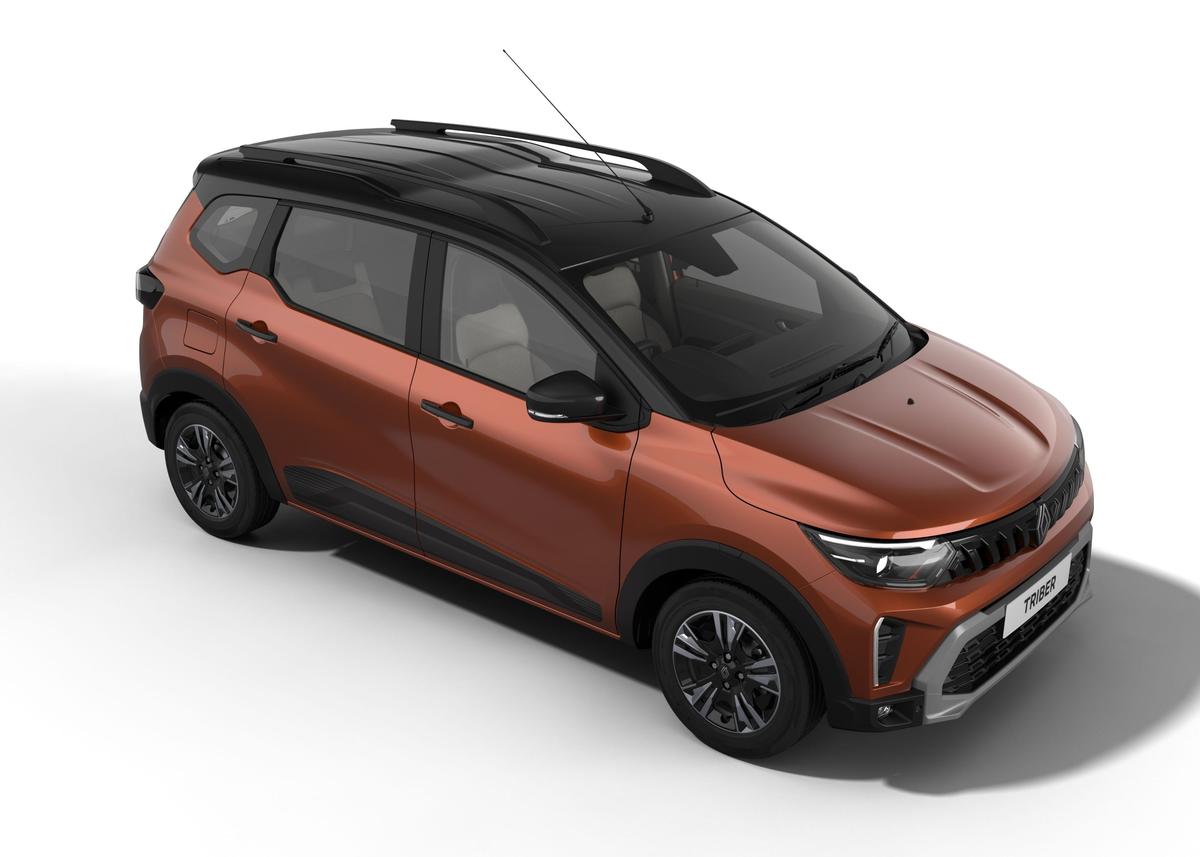
- Portfolio Diversification (2025-2027): Renault will introduce CNG variants of its existing popular models, the Kiger and Triber, to cater to the demand for lower operating costs. Simultaneously, the Triber is scheduled to receive a more powerful engine to address consumer feedback regarding its highway performance.
- The 2030 Horizon: By the end of the decade, Renault aims to have seven distinct models in India, covering every major price point from entry-level mobility to premium electrified SUVs.
III. Supporting Data: A Dual-Platform Strategy
To balance affordability with technological advancement, Renault is employing a two-pronged platform strategy. This allows them to maintain a competitive price floor while offering a high ceiling for tech-savvy buyers.
1. RGEP (Renault Group Entry Platform)
This platform remains the backbone of Renault’s volume play. It currently underpins the Kiger and Triber.
- Focus: Cost-optimization, lightweight construction, and space efficiency.
- Evolution: The RGEP is being updated to support alternative fuels like CNG, ensuring that Renault remains a viable choice for value-conscious buyers in Tier II and Tier III cities.
2. RGMP (Renault Group Modular Platform)
The RGMP represents Renault’s premiumization strategy.
- Focus: Advanced electrical/electronic (E/E) architecture, which allows for sophisticated infotainment, ADAS (Advanced Driver Assistance Systems), and high-level software integration.
- Efficiency: By sharing this platform globally, Renault achieves economies of scale that make high-end technology more accessible to the Indian consumer.
Market Dynamics and Global Significance
Renault’s commitment to India is backed by staggering internal targets. The company has identified India as one of its "Top 3" strategic markets globally.
- Sales Target: India is projected to account for 35% of Renault’s total global sales volume in the coming years.
- Manufacturing Prowess: The Chennai manufacturing facility, operated in partnership with Nissan, is being transformed into a global hub. The engineering work conducted here on the RGMP and RGEP architectures will not only serve local needs but will be exported to other emerging markets, including Latin America and Southeast Asia.
IV. Official Responses: Leadership Insights from Chennai
During a recent showcase of the RGMP architecture in Chennai, the leadership of Renault Group emphasized that India is no longer an "afterthought" for global product development, but rather a starting point.
Francois Provost, CEO of Renault Group (International Development & Partnerships), highlighted that the brand’s strategy is built on "measured, technically robust groundwork." He noted that the flexibility of the RGMP allows the company to pivot quickly based on regulatory changes. If the Indian government shifts its focus more heavily toward hybrids or full EVs, Renault can adapt its production line without the "extensive and expensive re-engineering" that hobbled legacy platforms.
Stephane Deblaise, CEO of Renault India, addressed the specific needs of the Indian buyer. He pointed out that the Bridger Concept was born from observing the "evolving expectations" of the market. "Urban India requires a specific kind of toughness," Deblaise suggested. "It isn’t just about looking like an SUV; it’s about the structural integrity and the multi-energy capability that ensures the vehicle remains a relevant asset for the owner over a ten-year cycle."
The leadership also confirmed that the Triber’s upcoming engine upgrade is a direct response to customer feedback, signaling a more "listener-centric" approach to product management in the subcontinent.
V. Implications: What This Means for the Indian Market
Renault’s new strategy has profound implications for the automotive industry, competitors, and consumers alike.
1. The End of the "One-Size-Fits-All" Platform
Renault is proving that a successful manufacturer in India must be "platform-agnostic" regarding energy. By investing in the RGMP, Renault is insulating itself against the volatility of fuel prices and changing GST structures for EVs and hybrids. This puts pressure on competitors who are still reliant on platforms that cannot easily transition between ICE and electric.
2. The Premiumization of the B-SUV Segment
The Bridger Concept indicates that the B-SUV segment is moving away from being just "larger hatchbacks." With the inclusion of RGMP-level electronics, features like connected car tech and advanced safety will become standard expectations. This will likely drive a market-wide increase in vehicle quality, albeit at a slightly higher price point.
3. India as a Global R&D Nerve Center
The fact that Chennai is leading the development for platforms that will be used globally marks a coming-of-age for Indian automotive engineering. This "Local for Global" approach ensures that vehicles are "torture-tested" on Indian roads, which are among the most demanding in the world, resulting in more durable products for the global market.
4. Consumer Choice and Running Costs
The introduction of CNG for the Kiger and Triber, alongside strong hybrids for the Duster and Bridger, gives consumers a rare breadth of choice. Renault is positioning itself as a brand that can cater to the "cost-per-kilometer" obsessed fleet buyer and the "tech-and-status" driven urban professional simultaneously.
Conclusion
The Renault Bridger Concept is more than a car; it is a signal of intent. It represents a pivot from a brand that once relied on individual "hit" models to a brand that is building a cohesive, technically advanced ecosystem. By anchoring its future in the modular RGMP architecture and maintaining its volume base with the RGEP, Renault is preparing for a decade of complexity in the Indian market.
From the engineering bays in Chennai to the showrooms across the country, Renault’s India plan feels uniquely aligned with the realities of a market that demands both scale and adaptability. As the production version of the Bridger nears reality, it will be the ultimate test of whether this layered strategy can translate into market leadership. If the technical robustness on display in Chennai is any indication, Renault is well on its way to making India the crown jewel of its global operations.
