

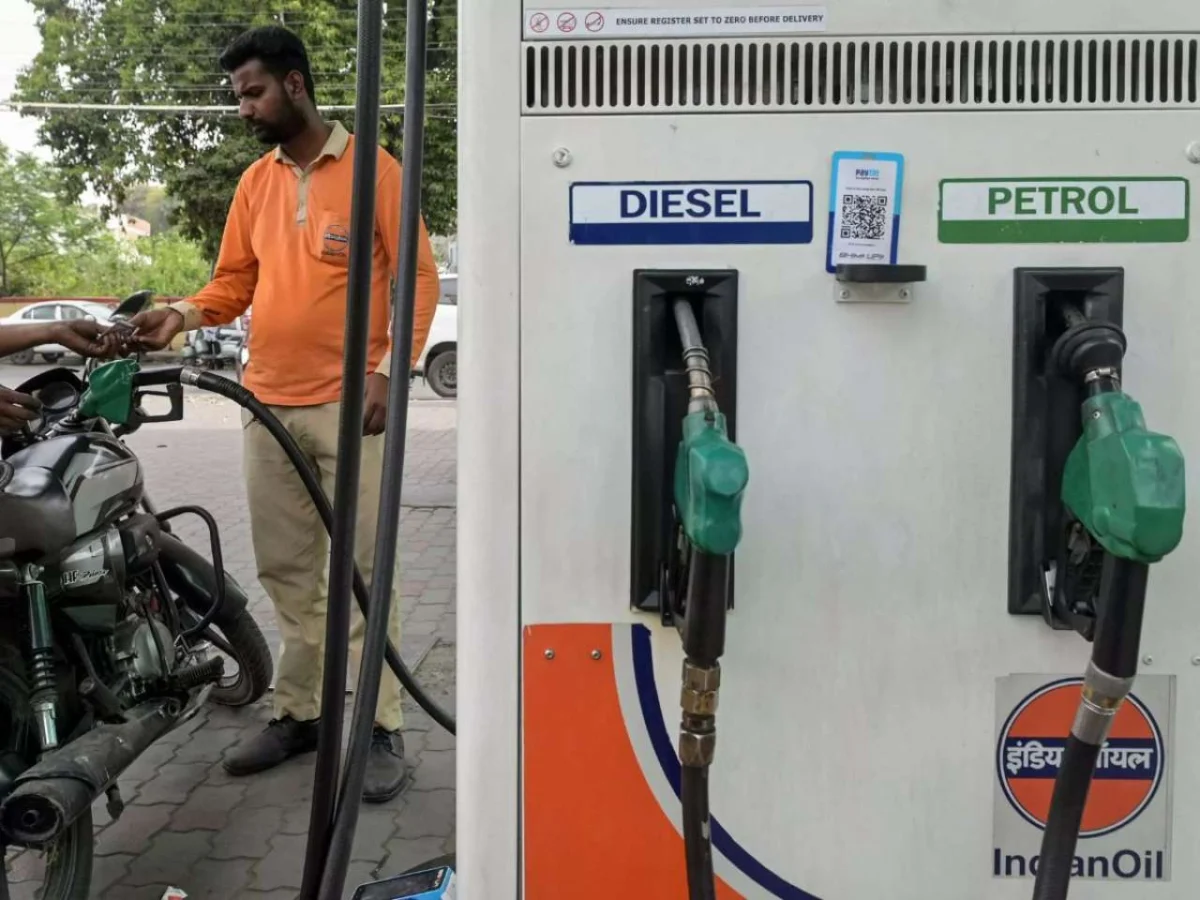
NOIDA, India – June 4, 2026 – Commuters and businesses in Noida woke up to higher fuel costs today, as petrol and diesel prices registered an increase, reflecting the complex interplay of global crude oil benchmarks, currency fluctuations, and domestic taxation policies. This latest revision sees petrol priced at Rs 102.42 per litre and diesel at Rs 95.86 per litre, adding to the ongoing financial considerations for millions across the National Capital Region.
The hike, though seemingly modest on a daily basis, marks a continuation of a gradual upward trend that has been observed in recent days, prompting renewed discussions about the sustainability of fuel pricing strategies and their broader economic implications. India, a significant global energy consumer, remains highly susceptible to international market dynamics, making domestic fuel prices a constant point of public and economic interest.
The Immediate Impact: Daily Revisions and Local Trends
The latest price update for Noida on June 4, 2026, shows a distinct upward movement from the previous day’s rates. Petrol prices surged by Rs 0.46 per litre, settling at Rs 102.42, while diesel saw an increase of Rs 0.42 per litre, reaching Rs 95.86. This daily adjustment is a direct consequence of the dynamic pricing mechanism adopted by India’s public sector oil marketing companies (OMCs), which recalibrates rates based on a 15-day rolling average of international crude oil prices and the rupee-US dollar exchange rate.
A Decade of Fluctuations in Noida
Analyzing the past ten days offers a clearer picture of the localized volatility. Petrol prices in Noida have fluctuated within a range of Rs 101.92 to Rs 102.42 per litre. Similarly, diesel rates have moved between Rs 95.37 and Rs 95.86 per litre over the same period. While these daily shifts might appear minor, their cumulative effect over weeks and months can significantly impact household budgets and operational costs for businesses, particularly those reliant on transportation.
)
This recent upward trajectory in Noida mirrors a broader pattern observed across various urban centres, albeit with regional specificities driven by varying state-level taxes. The current rates position Noida’s fuel prices within the mid-to-lower range when compared to other major Indian cities, primarily due to differences in state Value Added Tax (VAT) and other local levies.
Deeper Dive: Supporting Data and Underlying Factors
The pricing of petrol and diesel in India is a multi-faceted calculation, influenced by a confluence of international and domestic factors. Understanding these elements is crucial to comprehending the daily fluctuations observed at the pump.

National Price Spectrum: A Mosaic of Rates
Across India, fuel prices exhibit a wide variation, reflecting the nation’s federal tax structure and the localized nature of distribution. Petrol prices currently range from approximately Rs 89 to Rs 118 per litre, while diesel prices vary between Rs 85 and Rs 105 per litre. This significant disparity is not arbitrary but a result of several contributing factors:
- State Taxes (VAT): Each state imposes its own Value Added Tax (VAT) on fuel, which can differ substantially. States with higher VAT rates naturally have higher retail fuel prices.
- Dealer Commissions: Petrol pump dealers receive a commission per litre, which is also factored into the final retail price.
- Transportation Costs: The cost of transporting fuel from refineries to distribution centres and then to individual pumps varies depending on geographical location and logistical infrastructure. Remote areas or those far from refineries often incur higher transportation costs.
- Regional Pricing Policies: Some states or regions may have specific policies or subsidies that influence local pricing.
The Global Nexus: Crude Oil and Currency Exchange
At the heart of India’s fuel pricing mechanism lies the international crude oil market. India imports over 85% of its crude oil requirements, making it highly vulnerable to global price swings.
)
- International Crude Oil Prices: Benchmarks like Brent crude and West Texas Intermediate (WTI) dictate the acquisition cost for OMCs. Factors such as global demand and supply, geopolitical tensions in oil-producing regions (e.g., the Middle East, Eastern Europe), OPEC+ production decisions, and the health of the global economy all contribute to crude oil price volatility. Any significant surge in global crude prices invariably translates to higher retail fuel costs in India, assuming other factors remain constant.
- Rupee-US Dollar Exchange Rate: Since crude oil transactions are predominantly conducted in US dollars, the strength or weakness of the Indian Rupee against the dollar directly impacts the landed cost of imported crude. A depreciating rupee makes imports more expensive, thereby pushing up domestic fuel prices. Conversely, a stronger rupee can offer some relief. The Reserve Bank of India’s monetary policies and global capital flows play a crucial role in determining the exchange rate.
Domestic Taxation: The Elephant in the Room
Despite the volatility in global energy markets, retail fuel prices in India often remain relatively high, largely due to substantial taxes imposed by both the central and state governments.
- Central Excise Duty: The central government levies an excise duty on both petrol and diesel. This is a fixed component that does not fluctuate with crude oil prices.
- State VAT: As mentioned, state governments impose VAT, which is typically an ad valorem tax (a percentage of the price before VAT), meaning it increases as the base price rises.
- Road and Infrastructure Cess: Additional cesses are often levied to fund infrastructure projects.
These taxes, while crucial for government revenue generation and funding public services, form a significant portion of the final retail price, often exceeding 40-50% of the pump price. This high tax component acts as a floor, preventing prices from falling drastically even when international crude oil rates are low, and exacerbating the impact of rising crude prices on consumers.
)
Fuel Consumption in India: A Growing Demand
India remains one of the world’s largest and fastest-growing consumers of petroleum products. The demand continues to surge across both urban and rural regions, driven by economic expansion, increased vehicle ownership, and industrial activity. Diesel, in particular, is indispensable for the country’s logistics sector, powering commercial vehicles, agricultural machinery, and industrial generators. It accounts for a substantial share of commercial fuel consumption and transportation activity, making its price a critical determinant of inflation and economic growth.
Official Responses and Expert Perspectives
The ongoing dynamics of fuel pricing naturally elicit responses from policymakers, oil marketing companies, and economic analysts, each offering their perspective on the current situation and future outlook.
)
Government Stance: Balancing Revenue and Public Welfare
Both the central and state governments consistently defend the high taxation on fuel by citing the need for revenue generation to fund critical public infrastructure projects, social welfare schemes, and meet budgetary targets. Officials often highlight the substantial investments required for roads, railways, and other developmental initiatives. While there is an acknowledgment of the burden on consumers, direct intervention in terms of significant tax cuts has been sporadic and typically tied to specific economic or electoral cycles. Governments often face the challenge of balancing fiscal prudence with public sentiment regarding fuel prices.
"The revenue generated from fuel taxes is vital for maintaining our developmental trajectory and providing essential services to our citizens," stated a senior Finance Ministry official, speaking on condition of anonymity. "We continuously monitor global crude prices and currency movements, but fiscal responsibilities necessitate a certain level of taxation."
)
Oil Marketing Companies: Navigating Volatility
Public sector OMCs like Indian Oil, Bharat Petroleum, and Hindustan Petroleum play a pivotal role in the daily pricing mechanism. They assert that their calibrated pricing strategies are designed to absorb a degree of international price volatility, ensuring a measure of stability for consumers while also safeguarding their own financial health. They often point to periods where they have not fully passed on international price increases, absorbing some of the burden.
"Our daily pricing mechanism is a transparent and efficient system that reflects the true cost of fuel procurement, distribution, and taxes," explained a spokesperson from a leading OMC. "We strive to maintain a balance between market realities and consumer affordability, often bearing the brunt of short-term volatility to prevent drastic price shocks."
)
Economic Analysts: Warnings and Outlooks
Economists and industry experts frequently weigh in on the implications of fuel price trends. Many highlight the direct link between fuel costs and inflation, particularly headline inflation, as transportation costs permeate almost every sector of the economy.
Dr. Anjali Sharma, a prominent energy economist, commented, "The current upward trend in fuel prices, even if gradual, needs careful monitoring. Given India’s high reliance on imports and the significant tax component, any sustained increase in global crude prices or rupee depreciation will inevitably exert inflationary pressure. This could impact consumer spending power and potentially dampen economic recovery."
)
She further added, "While OMCs aim for stability, the underlying structural issues of high taxation and import dependence mean that consumers remain vulnerable to external shocks. A long-term strategy involving diversification of energy sources and promoting cleaner alternatives is essential."
Implications: Beyond the Pump Price
The trajectory of petrol and diesel prices has far-reaching implications, extending beyond the immediate cost to the consumer and touching upon various facets of the economy and society.
)
Impact on Consumers and Households
For the average Indian household, rising fuel prices translate directly into higher commuting costs. This affects daily travel for work, school, and leisure, potentially forcing adjustments in household budgets. For those who rely on personal vehicles, the increase can be a significant drain on disposable income. Indirectly, higher fuel prices also lead to increased costs for essential goods and services, as businesses pass on their elevated transportation expenses to consumers.
Impact on Businesses and the Economy
The logistics sector, heavily dependent on diesel, faces immediate and substantial impacts. Trucking companies, freight operators, and e-commerce delivery services see their operational costs rise, which can then be passed on to manufacturers, retailers, and ultimately, the end-consumer. This inflationary spiral can affect the competitiveness of Indian goods in both domestic and international markets.
)
Agriculture, another sector reliant on diesel for irrigation pumps and farm machinery, also feels the pinch. Higher input costs for farmers can potentially lead to increased food prices, further exacerbating inflationary pressures. Manufacturing industries, too, face elevated transportation costs for raw materials and finished goods.
Policy Outlook and Future Trajectory
While public-sector oil marketing companies are currently maintaining price stability through their calibrated strategies, the future outlook remains susceptible to several external and internal factors:
)
- Global Crude Oil Prices: A sharp and sustained increase in international crude oil prices, driven by heightened geopolitical tensions in oil-producing regions, significant supply disruptions, or a stronger-than-expected global economic recovery, could necessitate an upward revision in domestic fuel prices.
- Geopolitical Tensions: Instability in critical oil-producing regions or major shipping lanes can trigger panic buying and speculation in crude markets, leading to rapid price spikes.
- Currency Movements: A significant weakening of the Indian Rupee against the US Dollar would make crude oil imports more expensive, pushing up pump prices.
- Domestic Fuel Demand: Continued robust growth in India’s domestic fuel demand could also create upward pressure on prices, especially if supply infrastructure struggles to keep pace.
- Taxation Policies: Any changes in central or state government tax policies, either an increase or decrease in excise duty or VAT, would directly influence retail prices. While tax cuts offer immediate relief, they come at the cost of government revenue.
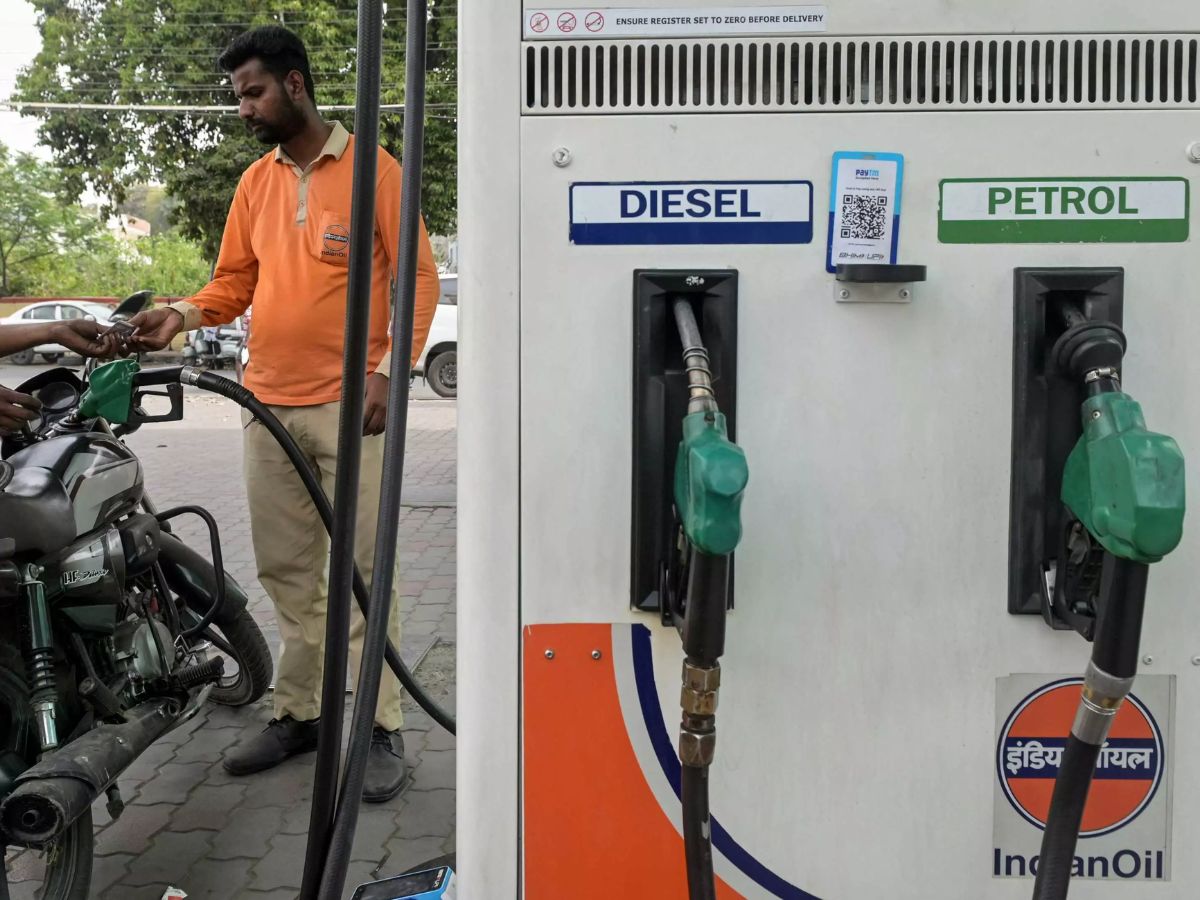
According to the latest data, petrol prices in Noida touched Rs 102.42 per litre on June 4, 2026, marking the highest level recorded during the past 10 days. Diesel prices also climbed to Rs 95.86 per litre, reflecting a gradual upward trend in line with broader fuel-price movements across the country. Recent daily revisions indicate that fuel prices remain sensitive to fluctuations in international crude oil markets and currency exchange rates, even as overall retail-price movements remain relatively moderate.
The government’s long-term strategy includes promoting electric vehicles (EVs) and exploring alternative fuels to reduce the nation’s reliance on crude oil imports, thereby insulating the economy from global price volatility. However, the transition is gradual, and conventional fuels will continue to dominate the energy landscape for the foreseeable future. As such, the daily monitoring of global crude oil prices, currency exchange rates, and domestic taxation policies will remain critical for both consumers and policymakers in navigating India’s energy future.
)
Find your daily dose of All Latest News including Sports News, Entertainment News, Lifestyle News, explainers & more. Stay updated, Stay informed- Follow DNA on WhatsApp.
