

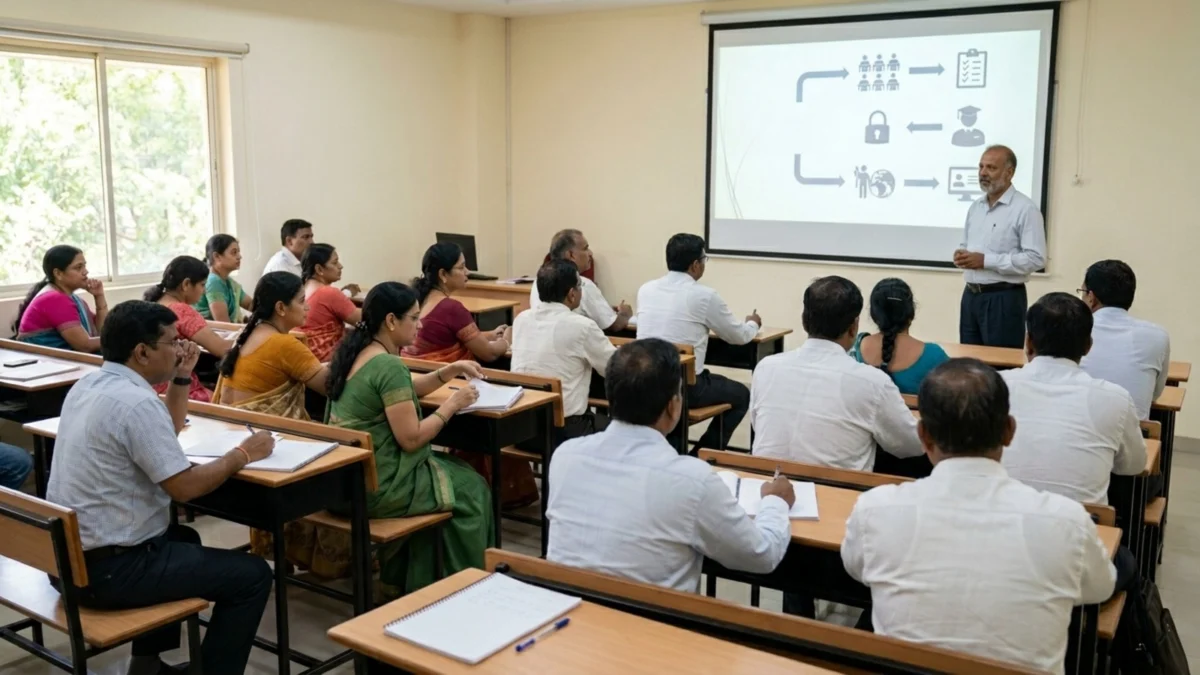
New Delhi, June 13, 2026 – In a significant move aimed at bolstering the credibility and operational efficiency of its nationwide examinations, the National Testing Agency (NTA) has unveiled a comprehensive capacity-building program titled "Pariksha Karmayogi: Capacity-Building Programme for Examination Officials." This initiative, rolled out on the iGOT Karmayogi Bharat platform, seeks to rigorously train and certify personnel involved in the supervision and conduct of large-scale national assessments, including the highly scrutinized National Eligibility cum Entrance Test (NEET UG) and the Common University Entrance Test (CUET UG).
The launch of Pariksha Karmayogi comes at a critical juncture for the NTA, which has recently faced widespread public and media attention due to a series of alleged examination irregularities. Incidents such as the NEET UG paper leak and persistent technical glitches during CUET UG examinations have cast a shadow over the agency’s operational capabilities and raised serious questions about the robustness of its examination system. This new program is positioned as a proactive measure to address these concerns head-on, by ensuring that every individual entrusted with the responsibility of conducting these high-stakes tests is adequately prepared, meticulously trained, and held to the highest standards of accountability.
Strengthening the Foundation: The Core Objectives of Pariksha Karmayogi
The overarching objective of the Pariksha Karmayogi program is to establish a standardized, secure, and transparent framework for the conduct of all offline, pen-and-paper-based examinations administered by the NTA across India. The program is specifically designed to equip examination functionaries – primarily Centre Superintendents, Invigilators, and other administrative staff at test centers – with the knowledge, skills, and ethical understanding necessary to manage examinations flawlessly.
At its heart, the initiative aims to foster a culture of professionalism and unwavering integrity within the ranks of examination officials. By providing a uniform and comprehensive training curriculum, the NTA intends to minimize the scope for human error, prevent malpractices, and ensure a level playing field for all aspiring candidates. This emphasis on capacity building is seen as a crucial step in rebuilding public trust and reaffirming the NTA’s commitment to conducting fair and merit-based assessments.
A Structured Approach to Excellence: The Four Pillars of the Program
The Pariksha Karmayogi program is meticulously structured into four distinct modules, each designed to cover a critical aspect of the examination lifecycle:
-
Module 1: The Foundation of Examination Integrity: This introductory module sets the stage by familiarizing participants with the overarching philosophy and framework of the program. It powerfully underscores the pivotal role that examination officials play in upholding the fairness, transparency, and overall integrity of the examination process. Participants are educated on the ethical considerations and the profound impact their actions have on the futures of countless students.
-
Module 2: Precision in Pre-Examination Preparedness: Moving beyond theoretical understanding, Module 2 delves into the practicalities of ensuring readiness before the examination commences. This includes a detailed examination of centre infrastructure assessment, the establishment of robust security arrangements to prevent any unauthorized access or interference, and the stringent adherence to the Standard Operating Procedures (SOPs) meticulously developed by the NTA. This module emphasizes the importance of proactive planning and meticulous execution in the pre-examination phase.
-
Module 3: Operational Excellence on Examination Day: This is arguably the most critical module, as it navigates the complex operations on the actual day of the examination. It is further subdivided into four crucial stages:
- Pre-Examination Activities: Covering the final checks, candidate entry procedures, and the distribution of examination materials.
- Start of Examination Procedures: Detailing the formal commencement of the exam, including the reading of instructions and the commencement of the writing period.
- Responsibilities During the Examination: Outlining the continuous vigilance required from invigilators, including monitoring candidate behavior, addressing queries, and ensuring a conducive environment.
- Post-Examination Protocols: Covering the secure collection of answer sheets, completion of necessary documentation, and the orderly dispersal of candidates.
-
Module 4: The Quick Reference Guide: This final module serves as an invaluable, readily accessible resource for all examination personnel. It encapsulates the most vital guidelines, reiterates key responsibilities, and highlights best practices in a concise and easily digestible format. This module acts as a pocket companion, ensuring that critical information is always at hand during the pressure of examination day.
Leveraging Technology for Scalability and Accessibility
The Pariksha Karmayogi program is hosted on the iGOT Karmayogi Bharat platform, a government-led initiative designed to provide a unified and accessible learning ecosystem for public servants. This digital infrastructure offers significant advantages, including:
- Self-Paced Learning: Officials can access the modules and complete the training at their own convenience, allowing for flexibility in their schedules.
- Assessment-Based Certification: Upon completion of the modules and successful clearing of assessments, participants will receive certifications. This ensures a tangible validation of their acquired knowledge and skills.
- Pan-India Reach: The online platform ensures that training can be delivered consistently and efficiently to examination officials across all corners of the country, irrespective of their geographical location.
- Regular Updates: The digital nature of the platform allows for swift and easy updates to the curriculum, ensuring that officials are trained on the latest procedures and guidelines.
The NTA believes that this technology-enabled approach will not only enhance procedural compliance and operational efficiency but also significantly boost accountability at examination centers. By creating a standardized training regimen, the agency aims to foster a consistent level of professionalism and competence among its examination workforce.
Addressing Recent Challenges: A Direct Response to Scrutiny
The timing of the Pariksha Karmayogi launch is undeniably linked to the recent spate of controversies that have plagued the NTA. The NEET UG paper leak, which led to widespread protests and calls for reform, and the recurring technical glitches that disrupted the CUET UG examinations, have placed the agency under immense pressure to demonstrate its commitment to reform and improvement.
The NEET UG paper leak, in particular, highlighted critical vulnerabilities in the examination security apparatus. The alleged involvement of multiple individuals and the scale of the breach necessitated a comprehensive review of the entire examination process, from question paper setting and printing to distribution and conduct. Similarly, the technical issues faced during CUET UG underscored the need for robust IT infrastructure and well-trained personnel capable of managing digital components of examinations.
The Pariksha Karmayogi program, therefore, represents a direct and strategic response to these challenges. By investing in the human element – the officials who are the frontline custodians of the examination process – the NTA is aiming to plug potential loopholes and mitigate risks. The emphasis on SOP adherence, security protocols, and ethical conduct is intended to create a more resilient examination system.
Implications for the Future of NTA Examinations
The successful implementation of the Pariksha Karmayogi program holds significant implications for the future of examinations conducted by the NTA:
- Enhanced Examination Integrity: A consistently trained and certified workforce is expected to significantly reduce the incidence of irregularities and malpractices, thereby enhancing the overall integrity of the examination process.
- Improved Candidate Experience: Better-managed examination centers, fewer technical glitches, and a more transparent process are likely to lead to a more positive and equitable experience for candidates.
- Strengthened Public Trust: By demonstrating a tangible commitment to improvement and accountability, the NTA can gradually rebuild public trust, which has been eroded by recent incidents.
- Operational Efficiency: Standardized training and clear protocols are expected to streamline operations, reduce confusion, and improve the overall efficiency of conducting large-scale examinations.
- A Blueprint for Other Agencies: The Pariksha Karmayogi initiative could potentially serve as a model for other examination conducting bodies in India, promoting a national standard for examination personnel training.
The NTA has emphasized that the launch of Pariksha Karmayogi is part of its broader, ongoing efforts to strengthen the entire examination ecosystem. This includes leveraging technology for administrative efficiency, improving question paper design and security, and fostering a culture of continuous improvement. The agency acknowledges that building a truly robust and trustworthy examination system is an ongoing journey, and the Pariksha Karmayogi program is a critical step in that direction, signaling a clear intent to move past recent setbacks and forge a path towards greater reliability and fairness in national assessments.
