

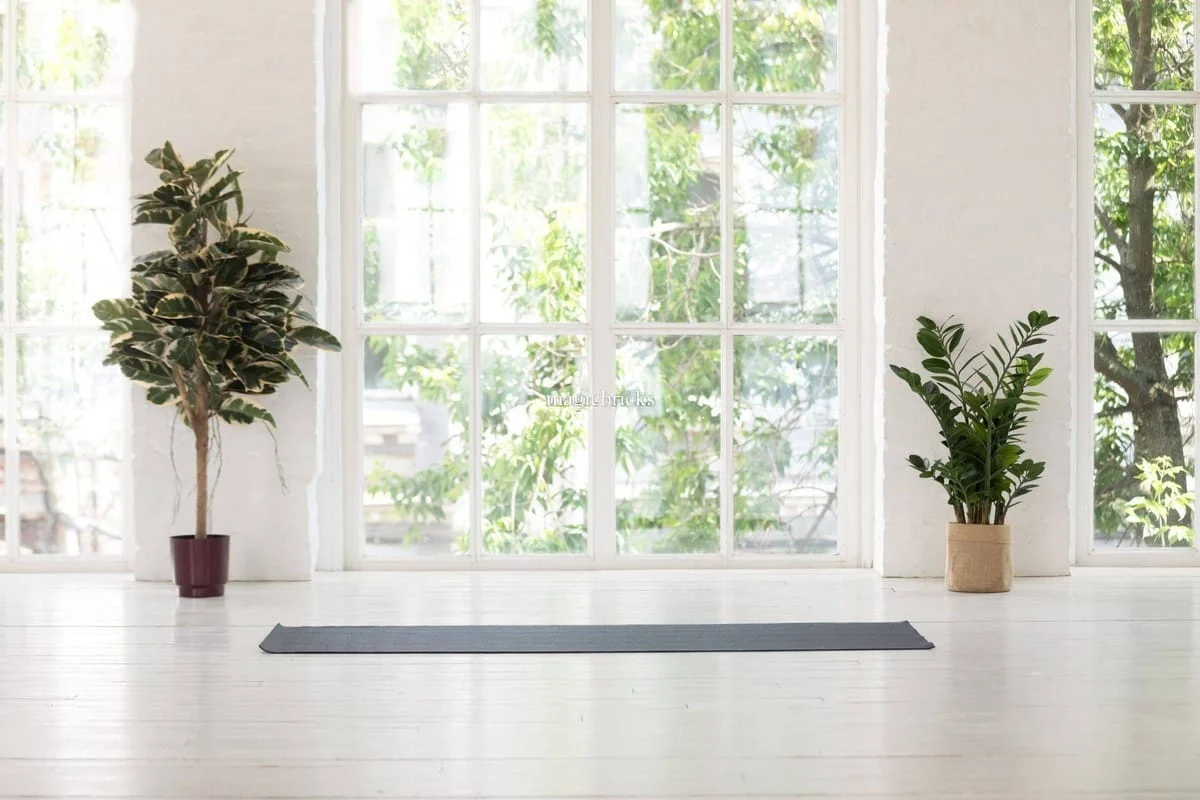
In an era increasingly defined by digital saturation and high-velocity lifestyles, the domestic environment has transitioned from a mere residence to a critical site for mental and physical recuperation. Among the most significant trends in modern interior design is the dedicated "wellness room," with the home yoga studio leading the vanguard. Beyond simple aesthetics, the design of a yoga space is an exercise in sensory architecture—creating an environment that actively facilitates a shift from the sympathetic (fight-or-flight) to the parasympathetic (rest-and-digest) nervous system.
The following report explores the essential components, psychological underpinnings, and practical strategies for transforming any residential area into a professional-grade yoga sanctuary.
I. Main Facts: The Intersection of Design and Mindfulness
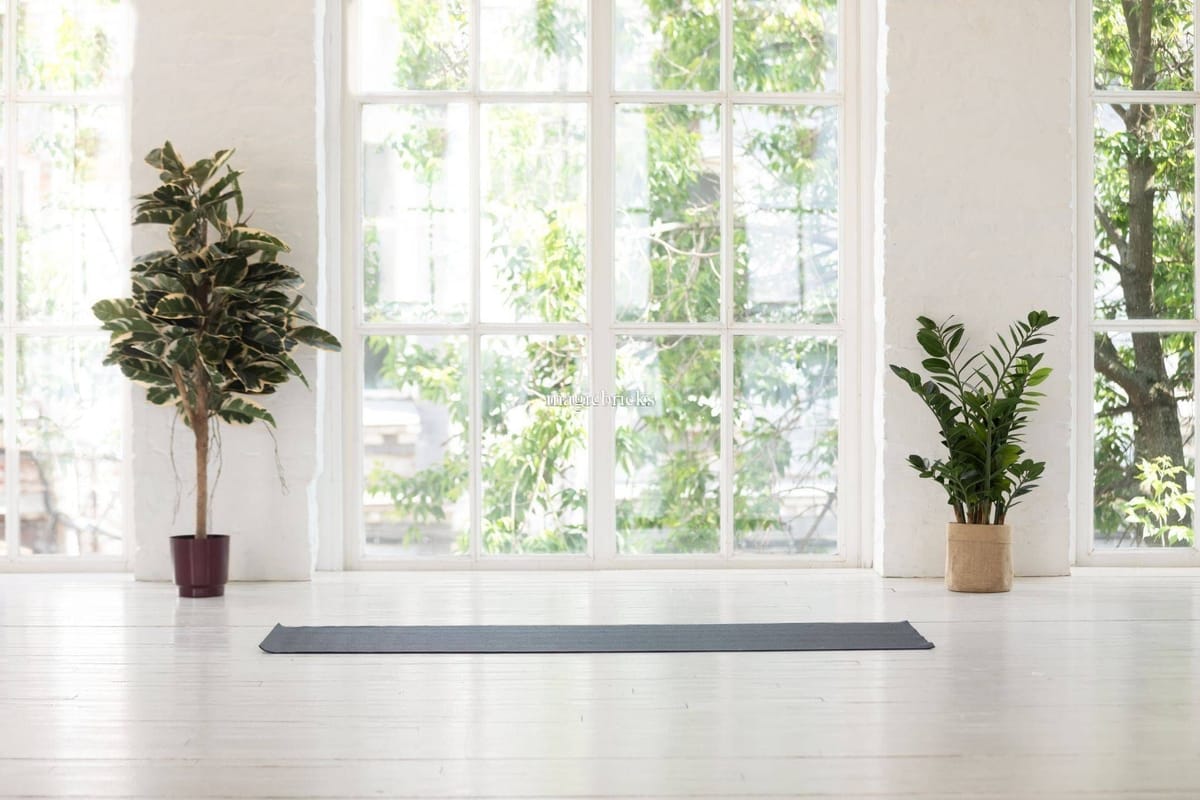
The concept of a "Yoga Room" is rooted in the ancient Indian principle of Saucha (purity) and Vastu Shastra (the science of architecture). Modern wellness design marries these traditional concepts with contemporary environmental psychology. The primary objective is to eliminate "visual noise"—the cognitive load caused by clutter and disjointed design—to allow the practitioner to focus entirely on breath and movement.
Key data suggests that a dedicated space for mindfulness significantly increases the consistency of practice. According to behavioral psychology, environmental cues (the specific smell of incense or the sight of a rolled mat) act as "habit triggers," making it easier for the brain to enter a meditative state. Furthermore, the use of non-toxic materials and biophilic elements (nature-inspired design) has been shown to lower cortisol levels and improve respiratory health during deep breathing exercises.
II. Chronology of Transformation: A Step-by-Step Design Process
Creating a yoga sanctuary is not an overnight task but a deliberate process of subtraction and addition.
Phase 1: The Purge and Preparation
The transformation begins with the removal of non-essential items. In the context of yoga, a room’s "emptiness" is its most valuable asset.
- De-cluttering: Remove heavy furniture that obstructs movement.
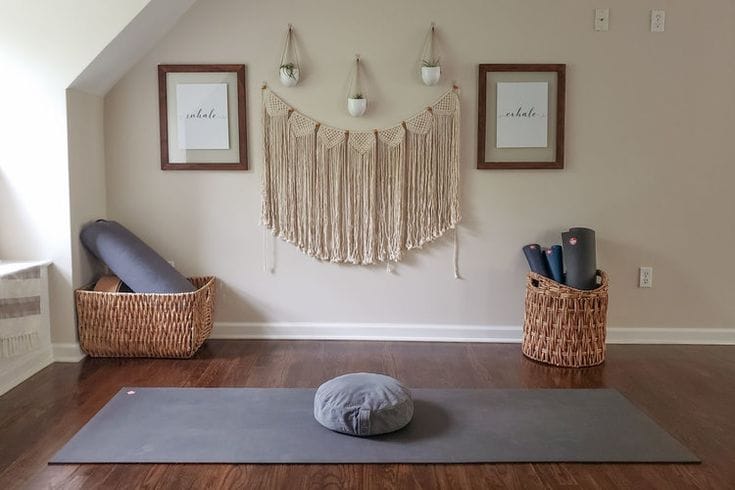
- Defining the Perimeter: Even in multi-purpose rooms, use rugs or tapestries to delineate the "sacred" boundary of the practice area.
- Storage Solutions: Install floating wooden shelves or use wicker baskets to house props like blocks, straps, and bolsters. This keeps the floor clear for "Savasana" and dynamic flows.
Phase 2: Establishing the Sensory Baseline
Once the space is cleared, the focus shifts to the "hard" elements of design: color and light.
- Color Application: Opt for low-VOC (Volatile Organic Compound) paints. Soft earth tones, sage greens, and muted blues are preferred for their ability to reflect natural light without glare.
- Lighting Installation: Move away from harsh overhead fluorescents. The integration of dimmable LED strips, Himalayan salt lamps, and warm-toned floor lamps allows for "scene-setting"—bright for morning Vinyasa and dim for evening Yin yoga.
Phase 3: Sensory Layering
The final stage involves the "soft" elements that engage the senses of smell, touch, and sound.
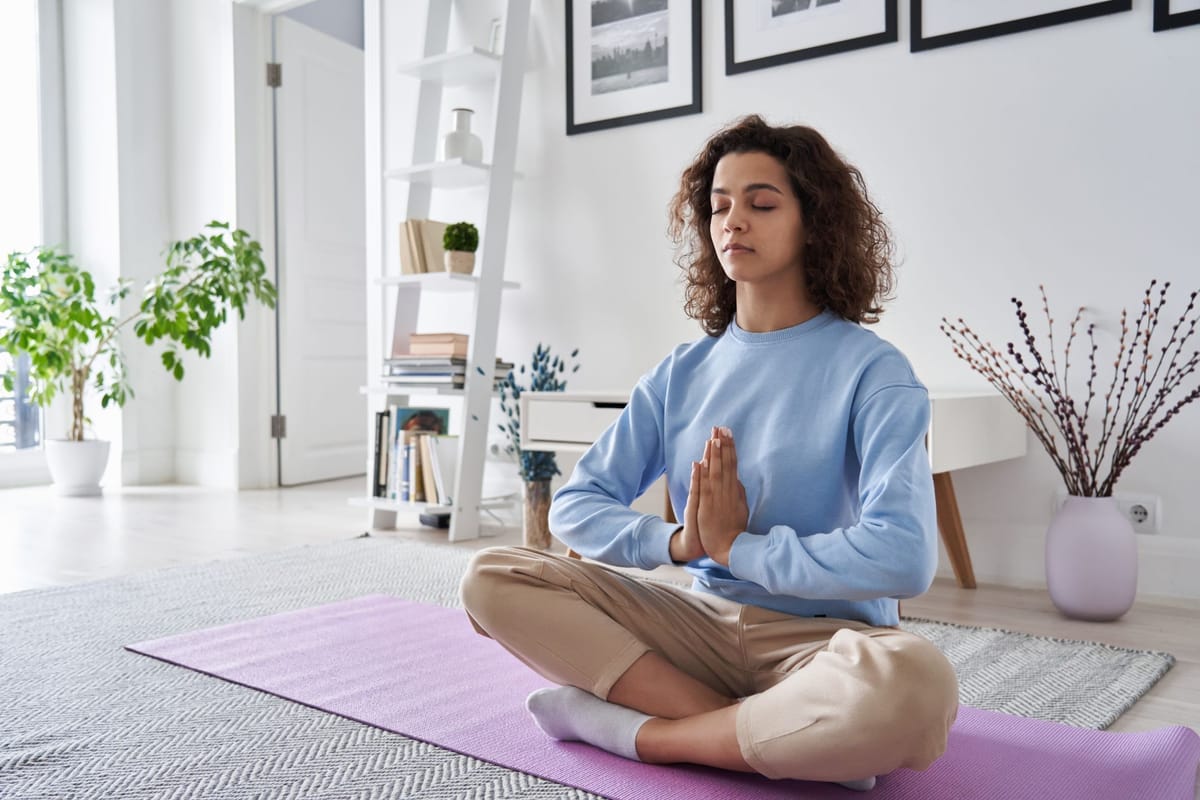
- Olfactory Design: Introducing essential oil diffusers or high-quality incense.
- Acoustic Treatment: Adding rugs or tapestries to dampen echoes, creating a "hushed" atmosphere.
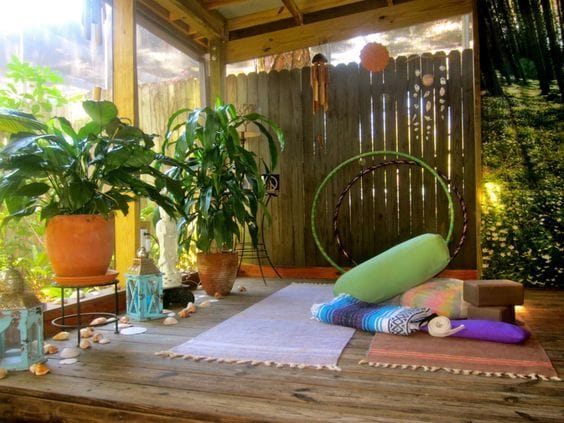
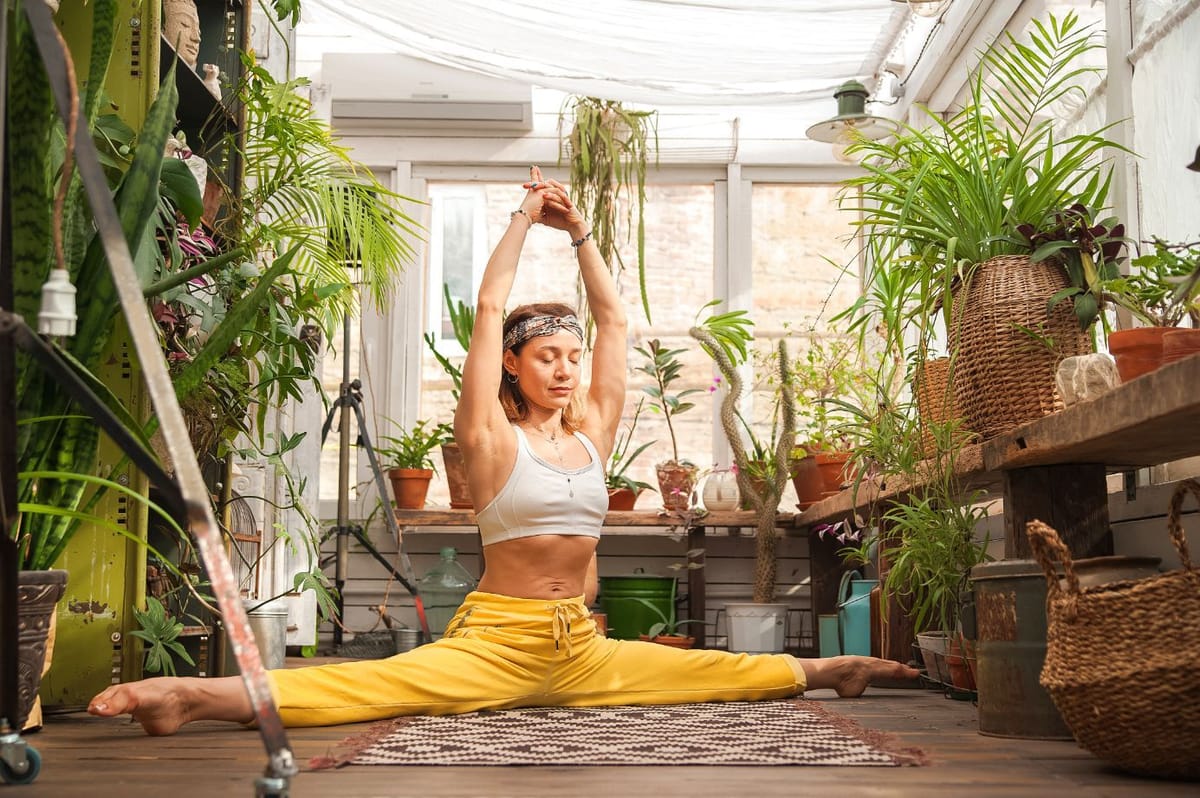
- Biophilic Integration: Placing air-purifying plants to bridge the gap between the indoors and the natural world.
III. Supporting Data: The Science of Yoga Room Elements
To understand why certain decor choices are more effective than others, we must look at the physiological and psychological data supporting them.
1. Biophilic Impact and Air Quality
Research indicates that indoor plants do more than provide aesthetic value. Species such as the Snake Plant (Sansevieria) and Boston Fern are documented air purifiers. During a yoga session, where oxygen intake increases significantly, the presence of these plants ensures a higher concentration of "clean" air, free from common household toxins like formaldehyde and benzene.
2. Chromotherapy (Color Therapy)
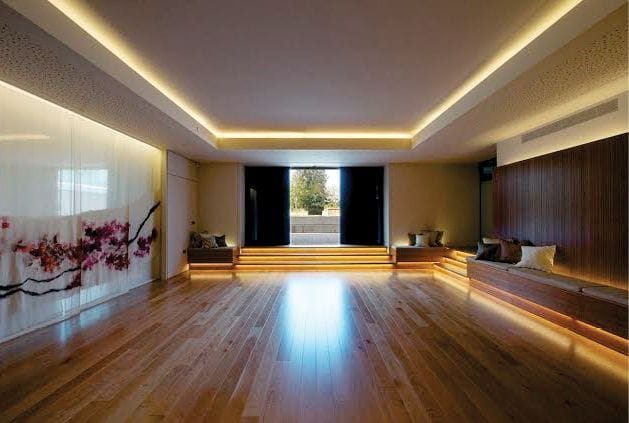
The choice of a palette is a biological decision.
- Blue and Green: Linked to lower heart rates and reduced anxiety.
- Orange and Soft Yellow: Associated with the "Sacral" and "Solar Plexus" chakras, these colors can stimulate creativity and energy during morning sessions.
- White and Off-White: Provide a "Tabula Rasa" (blank slate) effect, reducing cognitive fatigue.
3. The Role of Reflective Surfaces
While some practitioners find mirrors distracting, they serve a vital ergonomic purpose. A full-length mirror allows for the self-correction of "Asanas" (postures). Data from sports science suggests that visual feedback is one of the fastest ways to improve proprioception (the sense of self-movement and body position), thereby reducing the risk of joint injury.
IV. Expert Recommendations: Twelve Essential Decor Strategies
Designers and yoga professionals recommend a holistic approach to decor, focusing on twelve specific interventions:
- Minimalist Organization: Use natural materials like wicker and bamboo for storage to maintain a "zen" aesthetic.
- Indoor Greenery: Use tiered plant stands to create a "living wall" effect, even in small spaces.
- The Neutral Palette: Prioritize matte finishes over gloss to prevent distracting light reflections.
- Adaptive Lighting: Utilize smart bulbs that can transition from cool blue (for focus) to warm amber (for relaxation).
- Aromatherapeutic Zones: Dedicate a specific corner for a diffuser, using lavender for sleep-focused yoga or citrus for energizing flows.
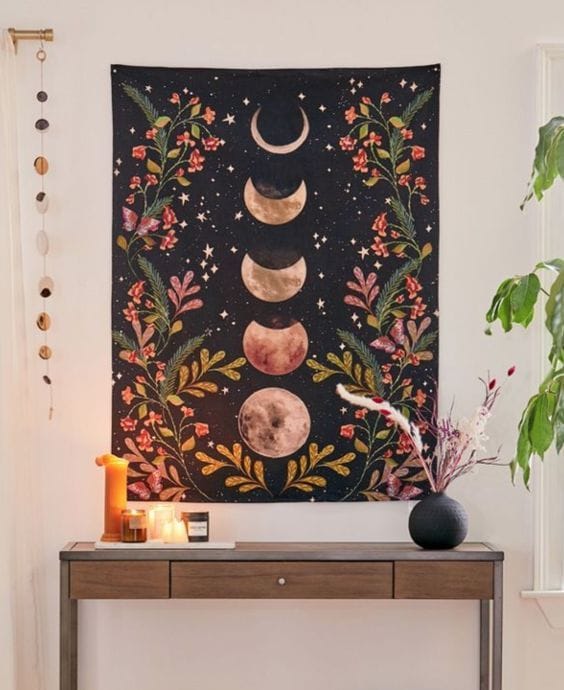
- Textile Art: Tapestries with Mandalas or geometric patterns can serve as "Drishti" (focal points) during balance poses.
- Crystal Energy: Incorporating Amethyst (for peace) or Clear Quartz (for clarity) can serve as symbolic anchors for the practice.
- Alignment Mirrors: Position mirrors perpendicular to the mat to check side-profile alignment in poses like Warrior II.
- Organic Textures: Choose jute or cotton rugs over synthetic fibers to enhance the tactile connection to the earth.
- Hydro-Acoustics: A small tabletop fountain provides "white noise" that masks external traffic sounds, facilitating deeper meditation.
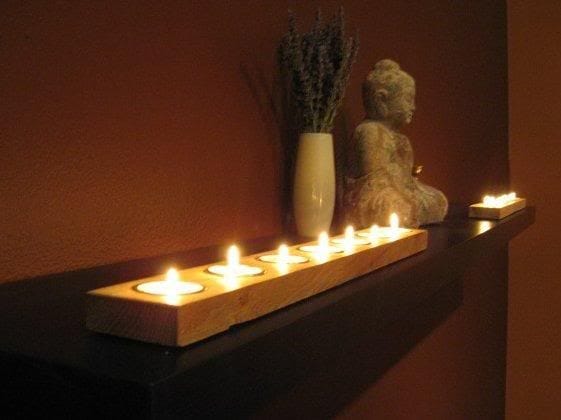
- Sound Healing Tools: Keeping a Tibetan singing bowl or chimes nearby allows for a "ritualistic" start and end to the session, clearing the room’s "energetic" space.
- Prop Stations: Wall-mounted racks for yoga mats prevent "curling" and keep the equipment in peak condition.
V. Official Responses and Design Philosophy
Leading interior designers specializing in "Wellness Real Estate" argue that the home yoga room is no longer a luxury but a functional necessity in modern urban planning. The "Official Response" from the design community emphasizes three pillars:
Functional Practicality: A yoga room must first work as a gym. This means ensuring the floor is slip-resistant and the temperature is controllable.
Symbolic Resonance: The decor should reflect the practitioner’s journey. Whether it is a statue of Buddha, a Sri Yantra, or a simple collection of stones from a favorite beach, these items turn a room into a "shrine" for self-care.

Sustainability: There is a strong industry push toward "Eco-Yoga" spaces. This involves using cork blocks instead of foam, natural rubber mats, and sustainably sourced wooden flooring.
VI. Implications: The Long-term Benefits of a Dedicated Space
The implications of establishing a home yoga sanctuary extend far beyond the physical act of exercise.
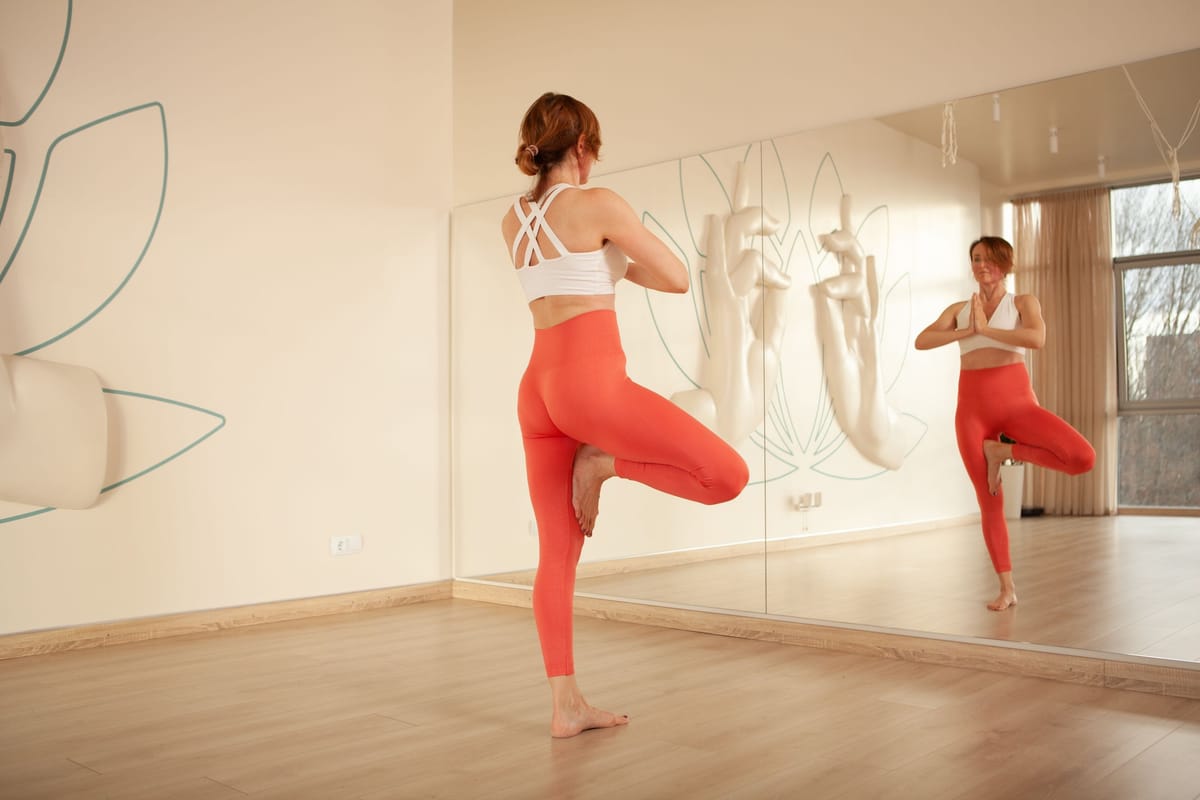
Mental Health and Resilience
In a world of constant connectivity, a yoga room represents a "digital-free zone." The psychological implication is the creation of a "Third Space"—neither work nor traditional domestic life—where the individual can process stress.
Economic Value
Real estate trends show that homes with dedicated wellness alcoves or "meditation rooms" are seeing increased marketability. As buyers prioritize health, a professionally designed yoga space adds tangible value to a property.
Habit Formation
The most profound implication is the democratization of wellness. By removing the barriers of travel time and studio fees, a home yoga room empowers the individual to take full agency over their health. It shifts yoga from an "event" to a "lifestyle."
Conclusion
The design of a yoga room is an investment in the self. By carefully selecting colors, managing light, and integrating natural elements, one can create a sanctuary that rivals any professional studio. Whether it is a grand dedicated room or a quiet corner of a bedroom, the principles of Saucha, biophilia, and sensory design remain the same: simplify the environment to amplify the soul. As the final "Savasana" ends, the practitioner should feel that their room, much like their body, is a place of perfect balance.
