

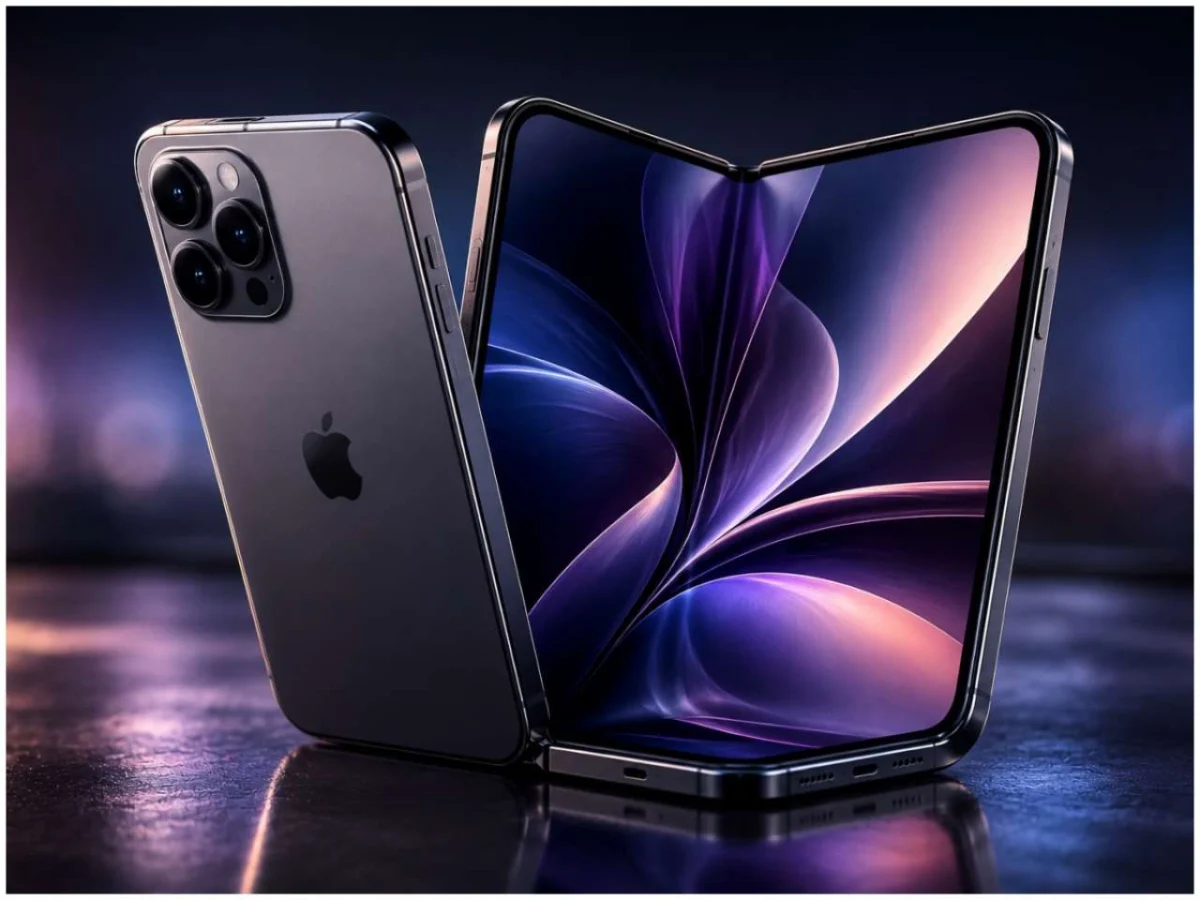
CUPERTINO, CA – The long-whispered notion of an Apple foldable iPhone has roared back into the global spotlight, propelled by a flurry of intriguing clues unearthed within the first developer beta of iOS 27. As the tech giant typically shrouds its future products in an impenetrable veil of secrecy, the accidental or deliberate inclusion of these software hints has sent shockwaves through the industry, igniting fervent speculation that a revolutionary new form factor for the iPhone could be closer than ever before.
For years, the concept of a foldable iPhone remained firmly in the realm of patents and theoretical discussions. Now, with developers diving deep into the freshly released iOS 27 beta, concrete references and software adjustments have emerged, pointing directly to Apple’s active development of a device with multiple, adaptable displays. This isn’t merely a fleeting rumor; the digital breadcrumbs found within Apple’s own operating system suggest a concerted effort to prepare the software ecosystem for a device poised to redefine the iPhone experience.
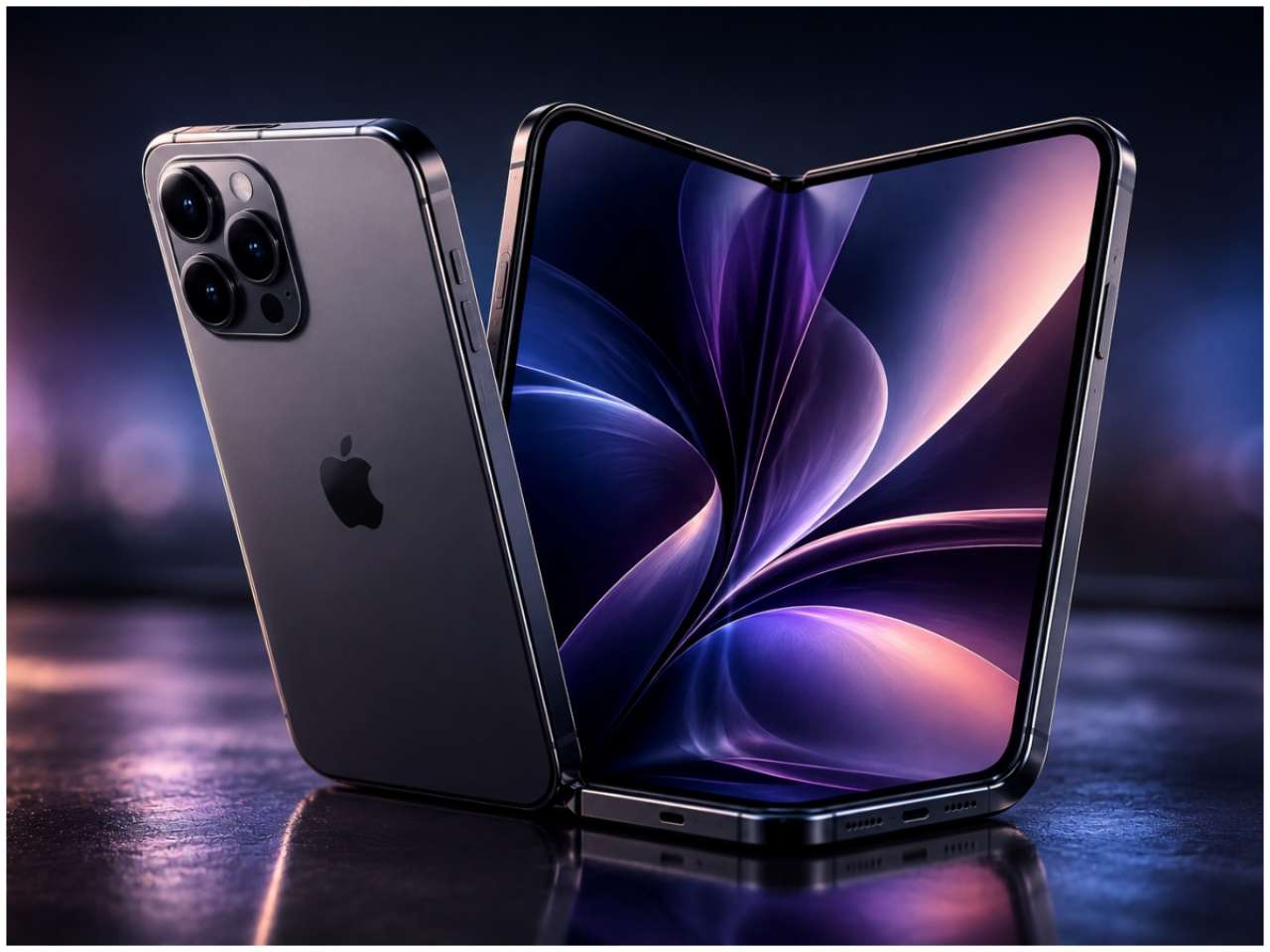
The revelations come at a pivotal moment in the smartphone industry, where foldable devices, once niche and experimental, are rapidly gaining traction, particularly from competitors like Samsung and Google. Apple’s potential entry into this burgeoning market segment could irrevocably alter the competitive landscape, setting new benchmarks for design, durability, and user experience.
Main Facts: The Digital Footprints of a Foldable Future
The core of the renewed excitement stems from specific findings within the iOS 27 developer beta. Netizens and seasoned developers, ever vigilant for hidden insights into Apple’s roadmap, have reported several undeniable hints:
)
- Code References: Key among the discoveries are specific software code mechanisms such as ‘Foldslate’ and ‘AngleDegrees’. These terms are highly suggestive. ‘Foldslate’ implies a device that can transition between a folded (phone-like) and unfolded (tablet-like) state, reminiscent of a slate or tablet when fully open. ‘AngleDegrees’ strongly points to the sophisticated hinge mechanism required for a foldable device, indicating the software’s ability to track and respond to the physical angle of the device’s fold. This level of detail in the code signifies active engineering rather than mere conceptual exploration.
- Multi-Display Support: Developers have also uncovered references within the beta to repair tools and software support specifically designed for iPhones featuring "more than a single display." This is a critical piece of evidence, moving beyond abstract code names to direct acknowledgment of a multi-screen hardware configuration. Such infrastructure would be essential for diagnosing and servicing a foldable device, underscoring Apple’s long-term planning for its eventual release.
- Larger Screen Optimizations: Beyond the explicit foldable references, iOS 27 introduces several new software features and UI adjustments that appear uniquely suited for a device with a significantly larger screen footprint than current iPhone models. These optimizations suggest Apple is refining its operating system to handle new multitasking paradigms, extended display areas, and potentially novel interaction methods that would be impractical on a conventional single-screen smartphone.
- macOS 27 Integration: Further bolstering the multi-device, multi-screen narrative, macOS 27, also in beta, brings notable improvements to iPhone Mirroring. Specifically, users will now be able to resize the mirrored iPhone screen into a wider format on their Macs. This enhancement could be particularly beneficial for a foldable iPhone, allowing for seamless transitions between its various display states and offering a more flexible mirroring experience that accommodates the device’s adaptable aspect ratios.
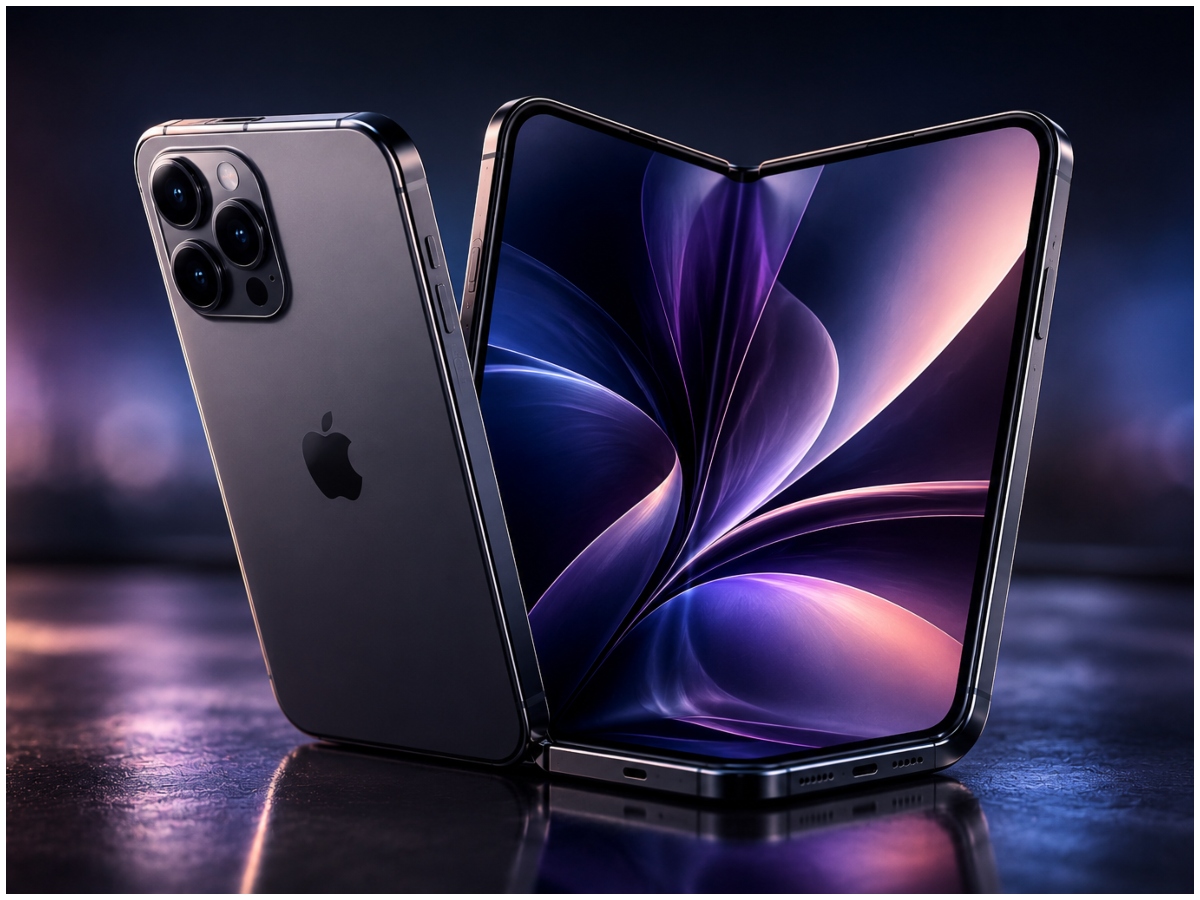
- Leaked Physical Design: Complementing the software clues, earlier reports from outlets like Mac Rumours provided tantalizing glimpses into the potential physical attributes of a foldable iPhone. These leaks, which surfaced ahead of an anticipated 2026 launch for a specific model, described a device with a book-like design, featuring a 4:3 aspect ratio when unfolded. The outer display is rumored to measure around 5.5 inches, while the internal, larger OLED screen is expected to be approximately 7.8 inches – effectively presenting a compact, iPad-like experience when fully opened. The device is also rumored to sport an ultra-thin 4.5 mm titanium frame, with volume buttons positioned on the top edge and notably, no Apple Action Button, suggesting a focus on minimalist design and possibly alternative interaction methods. These early design specifications hinted at a debut in a single white color.
Chronology: From Patents to Production Whispers
The journey towards an Apple foldable iPhone has been a protracted one, marked by years of speculation, patent filings, and intermittent leaks.
Early 2010s – 2020: The Patent Trail: Apple’s interest in foldable and flexible display technologies dates back over a decade. Numerous patent applications filed by the company have detailed various approaches to foldable devices, including different hinge mechanisms, flexible screen materials, and software interfaces adapted for dynamic form factors. These early patents, while not guarantees of a product, demonstrated Apple’s strategic exploration of the technology, often covering everything from clamshell designs to vertically folding tablets. Many industry watchers believed Apple was deliberately taking its time, learning from the early stumbles of competitors and meticulously refining its approach.

2021-2023: Increasing Rumor Mill Activity: As the foldable market began to mature with more robust offerings from Samsung, Huawei, and Google, rumors surrounding Apple’s entry intensified. Reports from reputable analysts and supply chain sources suggested Apple was actively engaging with display manufacturers like Samsung Display and LG Display for foldable OLED panels. Prototypes were rumored to be in testing, with discussions focusing on the formidable engineering challenges: eliminating the display crease, ensuring hinge durability, and integrating a robust, premium design that meets Apple’s exacting standards. The "2026" launch timeline, specifically for a book-style foldable, gained some traction during this period, often tied to these specific design leaks.
Late 2023 – Early 2024: Supply Chain Scrutiny: Further reports hinted at Apple’s supply chain partners gearing up for foldable component production. This included not just displays, but also specialized hinge components, flexible battery technologies, and robust chassis materials like titanium, which align with the recent Mac Rumours leaks. The increased activity in the supply chain signaled a shift from purely R&D to more concrete product development stages.
)
Mid-2024: The iOS 27 Beta Revelation: The release of the first developer beta for iOS 27 in mid-2024 marked a significant turning point. Unlike abstract patents or anonymous supply chain whispers, the code references within Apple’s own operating system provided the most direct evidence yet of an impending foldable device. The ‘Foldslate’ and ‘AngleDegrees’ mechanisms, coupled with multi-display repair tool references and UI adaptations, signify that Apple is not just considering, but actively preparing its software platform for this new hardware paradigm. This direct software evidence suggests a product that is not years away, but potentially much closer to fruition, prompting the "September this year" launch speculation alongside the iPhone 18 series.
The discrepancy between the "2026" launch associated with specific physical design leaks and the "September this year" launch linked to the iOS 27 beta could indicate several possibilities. It might suggest that an initial developer preview or a more limited launch could occur "this year" to gather feedback and refine the software, with a broader commercial rollout of a refined model, perhaps the specific book-style design, in 2026. Alternatively, it could simply reflect the dynamic and often conflicting nature of leaks and rumors surrounding Apple’s highly anticipated products. Given the immediacy of the iOS 27 beta, the possibility of an unveiling or a developer-focused launch within the next year appears increasingly plausible.
)
Supporting Data: Deciphering the Clues
The granular details within the iOS 27 and macOS 27 betas, combined with previous hardware leaks, paint a compelling picture of Apple’s foldable ambitions.
Software Architecture for Flexibility:
The discovery of Foldslate and AngleDegrees within the iOS 27 beta’s core frameworks is particularly telling. Foldslate likely refers to the overall state management for a foldable device, enabling seamless transitions between folded, partially folded, and unfolded modes. This would involve adapting the user interface, app layouts, and interaction models dynamically. For instance, when folded, the device might function as a standard iPhone, utilizing the outer display. When unfolded, it would transform into a mini-tablet, offering enhanced multitasking and media consumption experiences.
)
AngleDegrees strongly suggests that the software will be able to precisely detect the angle of the device’s hinge. This capability is crucial for advanced foldable interactions. Imagine an app that automatically splits its interface across two screens when folded at 90 degrees (like a mini-laptop), or a camera app that uses the hinge angle for unique hands-free photography modes. This level of granular control points to Apple’s typical attention to detail in integrating hardware and software.
The references to repair tools and software support for "more than a single display" further solidifies the notion that Apple is preparing for the practicalities of a multi-screen device. This isn’t just about launching a product; it’s about building the entire ecosystem around it, including diagnostics, maintenance, and repair services. This foresight indicates a mature product development cycle.
)
User Interface Adaptations in iOS 27:
The new features in iOS 27, described as "best suited for an iPhone with a large screen rather than the current ones," align perfectly with a foldable form factor. These could include:
- Enhanced Multitasking: More sophisticated split-screen views, drag-and-drop functionalities across multiple apps, and potentially a more desktop-like windowing system when unfolded.
- Adaptive Layouts: Apps automatically adjusting their interfaces to fill the larger display, offering more information density or unique interaction zones.
- New Widgets and Control Center: Widgets that can dynamically expand or offer more functionality on a larger canvas, or a Control Center that adapts to the unfolded state, providing quick access to features relevant to a tablet-like experience.
- Optimized Keyboard Experience: A larger virtual keyboard when unfolded, potentially supporting a more comfortable two-hand typing experience akin to a small tablet.
macOS 27 and iPhone Mirroring:
The improvement in macOS 27’s iPhone Mirroring, allowing users to resize the mirrored iPhone screen into a wider format on Macs, is another piece of the puzzle. This feature could be designed to accommodate the varied aspect ratios of a foldable iPhone. When a foldable device is in its unfolded, wider state, mirroring it onto a Mac in a similarly wide format would ensure a more natural and productive workflow, maintaining the device’s unique screen real estate and potentially even enabling seamless transitions or interactions across the mirrored display.
)
Hardware Specifications from Leaks:
The leaked physical details, particularly from Mac Rumours, provide a tangible vision of the potential device:
- Book-like Design with 4:3 Aspect Ratio: This design, similar to Samsung’s Galaxy Z Fold and Google’s Pixel Fold, suggests a focus on productivity and media consumption when unfolded, offering a tablet-like experience. The 4:3 aspect ratio is common in tablets and is well-suited for document viewing and web browsing.
- Dual Display Sizes (5.5-inch outer, 7.8-inch inner OLED): The 5.5-inch outer display provides a compact, usable smartphone experience when folded, allowing for quick checks of notifications, calls, and basic app interactions. The 7.8-inch inner OLED screen, when unfolded, offers a significant canvas for immersive content, multitasking, and creative work. This size positions it as a smaller version of an iPad mini, blurring the lines between phone and tablet.
- Ultra-thin 4.5 mm Titanium Frame: Titanium, known for its strength-to-weight ratio, has recently been adopted by Apple for the iPhone 15 Pro series. Its use in a foldable would be critical for maintaining a slim profile while ensuring structural integrity and durability, addressing a key concern with foldable devices.
- Volume Buttons on Top Edge, No Action Button: This design choice is intriguing. Placing volume buttons on the top edge might be an ergonomic decision for a device that can be held in various orientations. The absence of the Action Button, introduced with the iPhone 15 Pro, could indicate that this leaked design is either an earlier prototype, a different product line, or that Apple envisions different interaction methods for its foldable, perhaps relying more on gestures or contextual software buttons.
- Single White Color: A limited color palette for an initial launch is not uncommon for Apple, allowing them to streamline production and focus on the core technology.
Market Context and Competitive Landscape:
Apple’s potential entry into the foldable market would occur amidst a landscape increasingly populated by mature products. Samsung has led the charge with its Galaxy Z Fold and Z Flip series, now in their fifth or sixth generations, boasting refined hinges, improved displays, and robust software. Google entered the fray with the Pixel Fold, bringing its AI prowess and stock Android experience to the foldable form factor. Chinese manufacturers like Huawei, Xiaomi, and Honor also offer compelling foldable options.
)
Apple’s strategy typically involves waiting for a market to mature, observing competitors’ successes and failures, and then entering with a highly polished, premium product that aims to redefine the category. The "crease" in the display, hinge durability, and software optimization have been key challenges for early foldables. If Apple is indeed preparing a foldable, it is highly likely to address these issues head-on, leveraging its deep integration of hardware and software to deliver a superior, seamless experience.
Official Responses: The Silence of the Apple
In typical Apple fashion, there has been no official response, comment, or acknowledgment from the company regarding the iOS 27 beta findings, the specific code references, or the earlier hardware leaks concerning a foldable iPhone. This steadfast silence is a cornerstone of Apple’s product development strategy.
)
Apple maintains an unparalleled level of secrecy surrounding its unreleased products. This approach serves multiple strategic purposes:
- Competitive Advantage: Keeping future products under wraps prevents competitors from anticipating and reacting to Apple’s innovations.
- Controlling the Narrative: Apple prefers to announce products on its own terms, in meticulously choreographed events that maximize impact and allow the company to control the messaging entirely. Leaks, even significant ones, are never officially confirmed or denied.
- Managing Expectations: By not commenting on rumors, Apple avoids setting premature expectations that might not be met if development plans change.
- Building Anticipation: The mystique surrounding Apple’s future products is a powerful marketing tool, generating immense buzz and excitement leading up to official announcements.
Therefore, while the technical evidence within the iOS 27 beta is compelling, consumers and industry watchers should not expect any official confirmation from Apple until the company is ready to formally unveil the device, likely during one of its signature product launch events. This silence, ironically, often amplifies the credibility of persistent and technically detailed leaks, as Apple’s policy dictates that only genuinely credible information would warrant no comment.
)
Implications: Reshaping the Smartphone Horizon
The potential arrival of an Apple foldable iPhone carries profound implications for the technology industry, the smartphone market, and the broader consumer electronics landscape.
Market Disruption and Competitive Pressure:
Apple’s entry into the foldable market would immediately validate the form factor in a way that no other manufacturer has achieved. The "Apple effect" often transforms nascent technologies into mainstream phenomena. This would undoubtedly intensify competition, forcing rivals like Samsung and Google to further innovate in design, durability, and software features. It could also accelerate the adoption of foldable phones globally, moving them from a niche, premium category to a more widespread, albeit still high-end, segment. Expect increased investment in foldable display technology, hinge mechanisms, and flexible battery solutions across the supply chain.
)
User Experience Revolution:
A foldable iPhone would introduce entirely new interaction paradigms. The ability to seamlessly switch between a compact phone and a larger, tablet-like display offers unprecedented versatility.
- Productivity: Enhanced multitasking, split-screen applications, and a larger canvas for document editing, email, and web browsing would significantly boost productivity for professionals and power users.
- Media Consumption: An unfolded 7.8-inch OLED screen would offer a far more immersive experience for watching videos, playing games, and browsing photos than any current iPhone.
- Creativity: The larger display could unlock new possibilities for creative apps, digital art, and content creation on the go.
- Ergonomics: The "book-like" design could provide a more comfortable reading experience, while the folded state offers portability that even the largest current iPhones struggle to match.
Developer Ecosystem Challenges and Opportunities:
The introduction of a foldable iPhone would present both challenges and immense opportunities for Apple’s vast developer ecosystem.
)
- Adaptation: Developers would need to optimize their existing apps to seamlessly adapt to dynamic screen sizes, aspect ratios, and potentially new input methods (e.g., stylus support for the larger screen). This requires significant effort in UI/UX design and coding.
- Innovation: The new form factor would also spur innovation, encouraging developers to create entirely new app experiences that leverage the foldable design, such as unique multitasking workflows, dual-screen interactions, or custom layouts for specific angles of the hinge. Apple’s provision of tools like SwiftUI and UIKit for adaptive layouts would be crucial here.
Apple’s Strategic Positioning:
A foldable iPhone would solidify Apple’s position at the pinnacle of the premium smartphone market. It would demonstrate Apple’s continued commitment to innovation and its ability to push the boundaries of mobile technology. The high price point associated with foldable devices aligns with Apple’s premium brand strategy, potentially opening up new revenue streams and attracting a discerning segment of users eager for cutting-edge technology. It also allows Apple to maintain its average selling price (ASP) in a competitive market.
Supply Chain and Manufacturing Challenges:
Producing a foldable device at Apple’s scale presents monumental challenges. Sourcing high-quality, durable foldable OLED panels, engineering a robust and aesthetically pleasing hinge mechanism that can withstand hundreds of thousands of folds, and integrating these complex components into a seamless, thin titanium frame will require immense manufacturing prowess. The potential for a "September this year" launch, even if limited, would mean these supply chain hurdles are largely overcome. A "2026" launch, on the other hand, would suggest Apple is still perfecting manufacturing processes for mass production of a specific design.
)
Pricing and Availability:
Given the advanced technology and premium materials involved, an Apple foldable iPhone is almost certain to command a significantly higher price point than even the most expensive Pro Max models. Initial pricing could easily exceed $1,500 or even $2,000, positioning it as an ultra-premium device. Initial availability might also be limited, particularly if a launch occurs "this year," focusing on key markets before a broader rollout.
Long-Term Vision for Apple’s Hardware:
The foldable iPhone is not just a new device; it represents a glimpse into Apple’s long-term vision for personal computing. It blurs the lines between phone, tablet, and potentially even laptop, offering a versatile computing experience in a single, highly portable form factor. This move could also inform future designs for iPads and even MacBooks, suggesting a future where devices are more adaptable and context-aware. The convergence of iOS and macOS features, hinted at by the iPhone Mirroring improvements, points towards a more unified and flexible ecosystem.
)
In conclusion, the clues embedded within the iOS 27 beta are far more substantial than previous whispers and patent filings. They signal that Apple is not just contemplating, but actively engineering and preparing its software for a foldable iPhone. While the exact launch timeline remains subject to conflicting reports—with a potential unveiling "this year" and a more definitive commercial release or specific model in "2026"—the digital footprints are undeniable. The world now watches with bated breath, anticipating Apple’s next revolutionary leap into the future of mobile technology.
Find your daily dose of All Latest News including Sports News, Entertainment News, Lifestyle News, explainers & more. Stay updated, Stay informed- Follow DNA on WhatsApp.
