

New Delhi, September 20, 2026 – India’s rich tapestry of traditional crafts is far from being confined to hushed museum halls or exclusive galleries. Across the subcontinent, vibrant communities of artisans diligently practice age-old techniques, transforming their homes and humble workshops into dynamic centers of living art. These villages, often nestled away from the bustle of metropolises, offer travelers an unparalleled opportunity to witness firsthand the creation of exquisite artifacts, understand the cultural narratives they embody, and connect with the custodians of India’s artistic heritage. From the intricate Pattachitra paintings of Odisha to the vibrant lacquered toys of Karnataka, these artisanal hubs are not just repositories of craft; they are thriving ecosystems where tradition meets contemporary relevance, ensuring these art forms continue to captivate and endure.
This article delves into a selection of these remarkable villages, highlighting their unique crafts, the stories behind their creation, and the ongoing efforts to sustain these invaluable traditions for future generations.
The Enduring Charm of Indian Artisanal Villages
The essence of Indian craftsmanship lies in its deep-rooted connection to everyday life and its transmission through familial lineages. Unlike mass-produced goods, these crafts are imbued with the spirit of their creators, reflecting local folklore, religious beliefs, and the natural environment. Visiting these villages provides a profound insight into the meticulous processes, the dedication of the artisans, and the cultural significance of each piece.
The Indian government and various non-governmental organizations have recognized the importance of preserving these crafts. Initiatives focusing on skill development, market access, and the promotion of rural tourism aim to empower artisans and create sustainable livelihoods. These efforts are crucial in preventing the erosion of traditional knowledge in the face of modernization and global competition.
A Geographical Tapestry of Artistic Excellence
India’s diverse geography has fostered a remarkable array of distinct artistic traditions. Each region, with its unique resources and cultural influences, has developed crafts that are as varied as the landscape itself.
1. Raghurajpur, Odisha: The Heartbeat of Pattachitra and Palm-Leaf Art
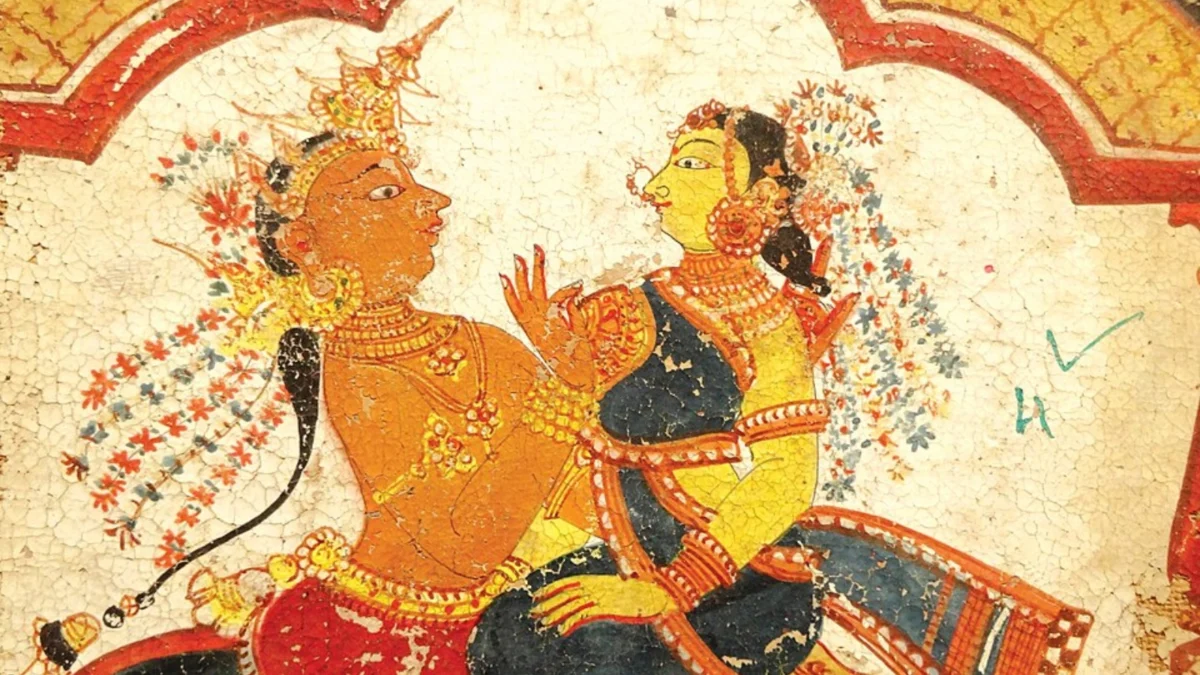
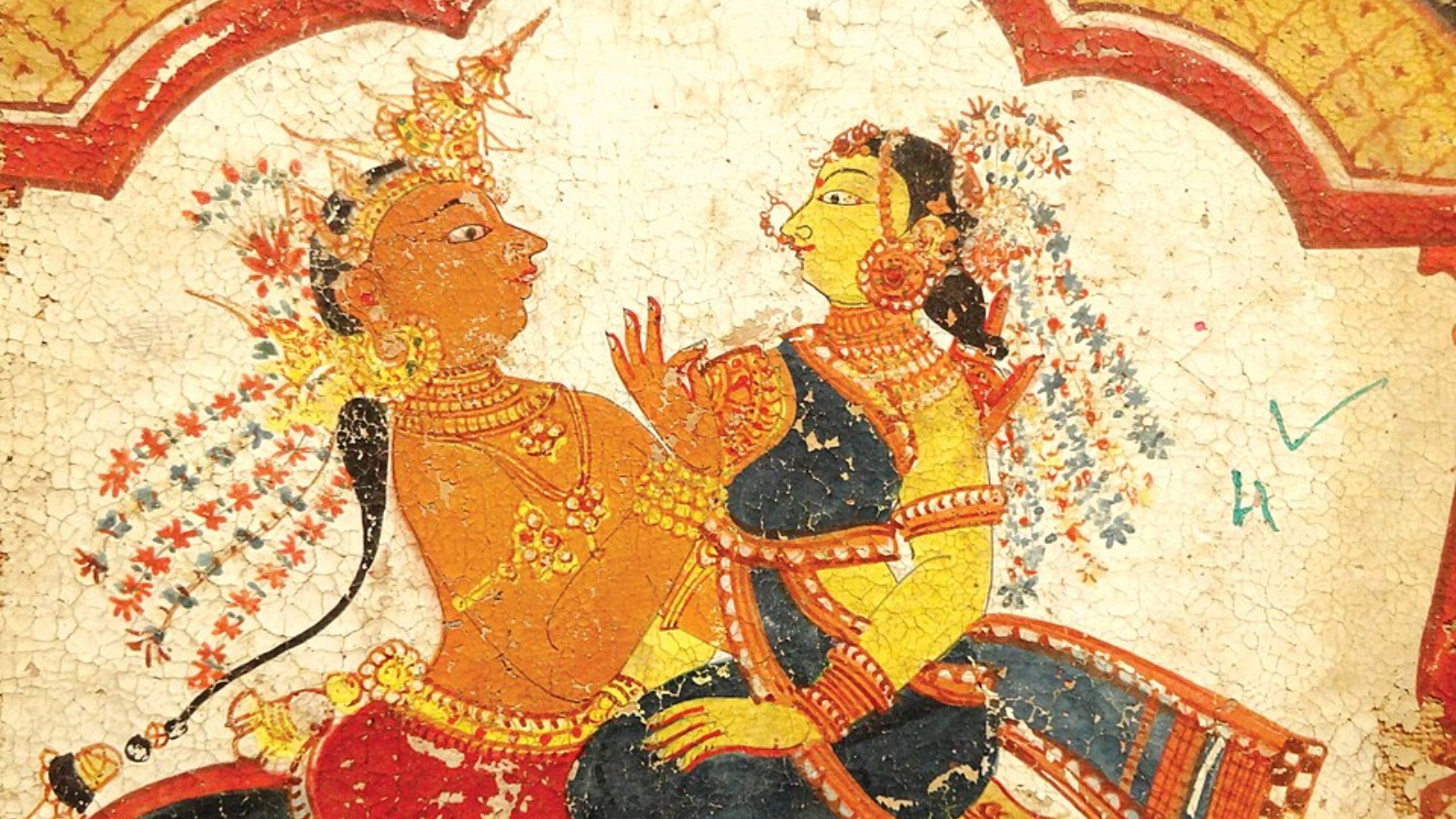
Located a mere 12 kilometers from the holy city of Puri, Raghurajpur stands as one of India’s most celebrated heritage craft villages. Here, the artistic spirit permeates every household, with nearly every home functioning as a dedicated workshop for its resident artisans. The village is particularly renowned for its Pattachitra paintings, a traditional art form characterized by vibrant colors and intricate detailing, meticulously rendered on specially prepared cloth.
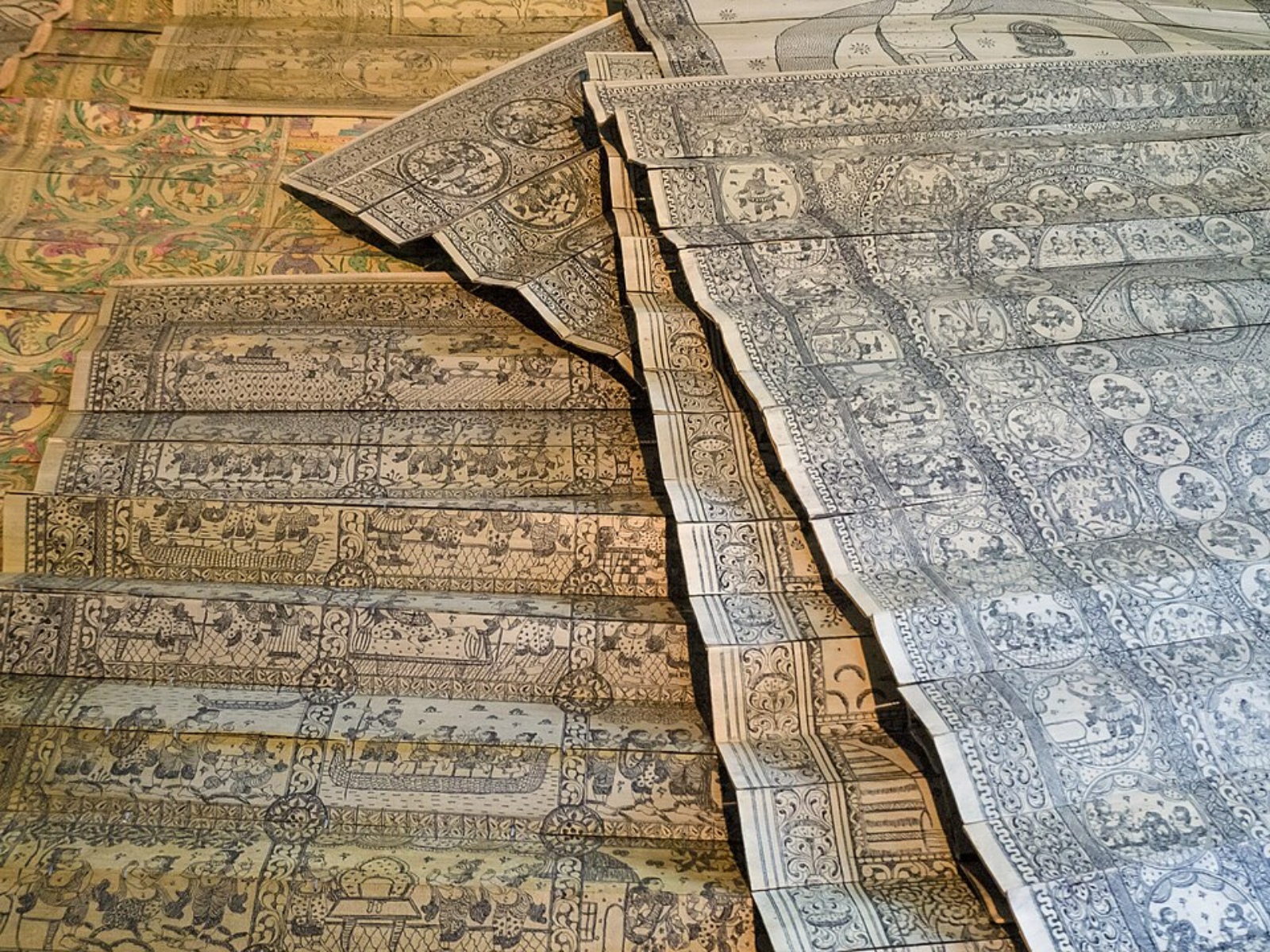
The thematic repertoire of Pattachitra is deeply rooted in Hindu mythology, with a significant emphasis on narratives surrounding Lord Jagannath, the presiding deity of Puri. These paintings often serve as visual storytelling, bringing ancient epics and local legends to life. Beyond Pattachitra on cloth, the artisans of Raghurajpur are masters of several other traditional crafts. They skillfully practice palm-leaf engraving, a delicate art of inscribing intricate designs onto dried palm leaves, and create papier-mâché objects, transforming discarded paper into decorative and functional items. Wood carving and mask making are also integral to the village’s artistic output, further showcasing the multifaceted talents of its craftspeople.
The artistic legacy in Raghurajpur is a testament to generational knowledge transfer. Elders meticulously guide younger generations, ensuring the nuances of brushstrokes, color mixing using natural pigments, and the storytelling techniques are passed down with precision. This unbroken chain of learning is what allows Raghurajpur to maintain the authenticity and vibrancy of its crafts. The proximity to Puri also means that these crafts are deeply intertwined with the religious and cultural fabric of the region, often finding their way into temple decorations and rituals.
2. Pipili, Odisha: The Kaleidoscope of Chandua Appliqué Work
A short distance from Raghurajpur and Puri lies Pipili, a village that has become synonymous with Odisha’s exquisite appliqué work, locally known as Chandua. This vibrant craft involves the artful stitching together of pieces of colored fabric to create intricate and visually stunning decorative patterns. The process is labor-intensive, requiring immense skill and an eye for color coordination.
The origins of Chandua are deeply intertwined with the religious traditions of Odisha, most notably the annual Rath Yatra festival in Puri. The elaborate fabric decorations used to adorn the chariots of Lord Jagannath and his siblings during this grand procession are primarily crafted in Pipili. The vibrant hues and detailed designs symbolize auspiciousness and devotion, playing a vital role in the visual spectacle of the festival.
While its connection to religious ceremonies is profound, the artisans of Pipili have successfully diversified their creations to cater to a broader market. They now produce a wide array of products, including decorative wall hangings, intricately embroidered umbrellas, illuminated lanterns, stylish bags, and various other household and decorative items. These contemporary applications demonstrate the adaptability of traditional crafts and the entrepreneurial spirit of the artisans. The village’s skilled craftspeople are adept at combining different fabric textures and colors to create pieces that are both aesthetically pleasing and functional, making Pipili a significant hub for textile art.
3. Nirona, Gujarat: A Confluence of Rogan Art, Copper Bells, and Lacquer Work
Nestled in the Kutch region of Gujarat, Nirona presents a unique proposition for craft enthusiasts as it is home to several distinct traditional crafts coexisting harmoniously within a single village. This concentration of artistic skills makes Nirona a particularly fascinating destination for those seeking to explore the diverse artisanal landscape of India.
The village is most celebrated for Rogan painting, an intricate textile art form that is almost exclusively practiced here. The technique involves the meticulous application of colored pigments, derived from castor oil, onto fabric using a metal stylus. The process is mesmerizing to witness, as the artist deftly manipulates the viscous paint to create elaborate floral motifs, geometric patterns, and figurative designs. Rogan art is characterized by its rich texture and lustrous finish, making each piece a work of art.
Beyond Rogan painting, Nirona is also a prominent center for copper bell making. The artisans here create beautifully crafted bells, often adorned with intricate carvings, which are not only decorative but also hold cultural significance, traditionally used for livestock and in temples. Furthermore, the village is known for its lacquered wooden objects. This craft involves the intricate application of colored lacquer onto carved wooden items, creating a smooth, polished, and often brightly colored finish. The combined presence of these diverse crafts in Nirona underscores the artisanal richness of the Kutch region and the ability of its people to sustain multiple traditional art forms.
4. Hodka, Gujarat: Threads of Embroidery and the Warmth of Leather Craft
Also situated in the Kutch district of Gujarat, Hodka offers a captivating glimpse into the region’s enduring textile traditions and its mastery of leatherwork. The village is renowned for its distinctive embroidery styles and the creation of finely crafted leather goods, all produced using techniques passed down through generations. The artisans of Hodka are deeply connected to the cultural heritage of their communities, and their crafts reflect this profound lineage.
The embroidery work found in Hodka is characterized by its intricate patterns, vibrant thread work, and the use of mirrors that add a shimmering dimension to the fabric. These designs are often incorporated into clothing, home furnishings, and decorative items. The leatherwork, too, is a testament to the artisans’ skill, with pieces ranging from ornate bags and footwear to functional accessories, all exhibiting a high level of craftsmanship.
A unique aspect of Hodka’s appeal is its successful integration of rural tourism. Visitors have the opportunity to experience the distinctive bhunga houses – traditional circular mud dwellings that are often beautifully decorated with local artwork and mirror work. Hodka’s rural tourism model allows travelers to immerse themselves in the village’s way of life, staying within the community and engaging directly with its crafts and culture. This immersive experience provides a deeper appreciation for the artisans’ skills and the cultural context in which their crafts are created.
5. Channapatna, Karnataka: The Vibrant World of Lacquered Wooden Toys
Lying strategically between Bengaluru and Mysuru, Channapatna has earned the affectionate moniker of Karnataka’s "Toy Town." For over two centuries, this vibrant village has been a hub for artisans who transform locally sourced wood into an array of brightly colored toys and decorative objects. The craft of Channapatna toys is a cherished tradition that has not only preserved its historical essence but also adapted to contemporary demands.
The intricate process of creating these toys involves turning locally grown wood, such as ivory wood, on a lathe. As the wood spins, artisans skillfully apply colored lacquer, creating smooth, polished surfaces and vibrant hues. A defining characteristic of Channapatna toys is the use of traditional, vegetable-based colors, which are not only eco-friendly but also impart a unique sheen to the finished products. The simplicity of the tools used, combined with the artisans’ expertise, results in toys that are both aesthetically pleasing and safe for children.
The significance of Channapatna’s craft is underscored by its recognition with a Geographical Indication (GI) tag, a testament to its unique origin and quality. In recent times, the workshops in Channapatna have expanded their production beyond traditional toys and puzzles to include contemporary home décor items, demonstrating the craft’s ability to evolve while retaining its inherent handmade character. This adaptability ensures that the legacy of Channapatna’s toy-making tradition continues to thrive, appealing to both traditionalists and modern consumers.
The Chronology of Craft Preservation and Evolution
The practice of these traditional crafts can be traced back centuries, with many techniques passed down through countless generations.
- Ancient Origins: The roots of Pattachitra painting in Odisha, for example, are believed to extend back to the 12th century, intrinsically linked to the temple traditions of Puri. Similarly, appliqué work likely evolved alongside religious festivals and temple decorations.
- Centuries of Transmission: In villages like Channapatna, the tradition of wooden toy making has been a cornerstone of the local economy for over 200 years, with families specializing in the craft. Rogan art in Nirona, though less documented historically, represents a distinct artistic evolution within the Kutch region.
- Post-Independence Revival Efforts: Following India’s independence, there was a growing recognition of the need to preserve and promote indigenous crafts. Government bodies and cultural organizations began to support artisans through training programs, exhibition opportunities, and marketing initiatives.
- The Rise of Rural Tourism: In recent decades, the concept of rural tourism has gained momentum, providing a vital platform for artisanal villages like Raghurajpur and Hodka to showcase their crafts directly to a wider audience. This not only generates income for artisans but also fosters cultural exchange and appreciation.
- Geographical Indication (GI) Tagging: The conferral of GI tags, such as the one for Channapatna toys, has provided legal protection and enhanced the marketability of these unique crafts, safeguarding them from imitation.
- Modern Adaptations: Contemporary artisans are increasingly incorporating modern design sensibilities and sustainable practices into their work, ensuring the relevance and appeal of traditional crafts in the 21st century.
Supporting Data and Economic Impact
The economic impact of these artisanal villages, while often localized, contributes significantly to rural economies and national heritage preservation.
- Employment Generation: These villages provide direct and indirect employment to thousands of artisans, supporting entire families and communities. For instance, in Raghurajpur, nearly every household is involved in artistic production.
- Contribution to Rural Tourism: Villages like Hodka have successfully integrated tourism into their economic model, generating revenue through homestays, guided tours, and direct sales of crafts. This model has proven effective in empowering local communities.
- Market Reach: While some crafts are sold through local markets and direct tourist sales, many artisans and cooperatives are increasingly accessing national and international markets through online platforms and dedicated craft exhibitions.
- Value Addition: The transformation of raw materials into high-value artisanal products contributes to the local economy and showcases India’s creative prowess on a global stage. The GI tag for Channapatna toys, for example, has boosted their market value and consumer confidence.
- Cultural Preservation Investment: The economic activity generated by these crafts directly fuels their preservation. As artisans find viable livelihoods, they are more likely to continue practicing and passing down their skills.
Official Responses and Support Mechanisms
The Indian government and various cultural bodies have implemented several strategies to support and promote traditional crafts.
- Ministry of Textiles: Through its various schemes, the Ministry of Textiles provides financial assistance, training, and marketing support to artisans and craft clusters across the country.
- Office of the Development Commissioner (Handicrafts): This office plays a crucial role in implementing policies, organizing craft fairs, and facilitating market linkages for handicrafts.
- State Government Initiatives: Individual state governments often have dedicated departments or agencies focused on promoting their unique crafts, offering subsidies, and organizing regional exhibitions. For example, the Odisha government has actively promoted Pattachitra and appliqué work.
- Geographical Indications (GI) Registry: The GI tag system, administered by the Geographical Indications Registry, provides legal protection to traditional crafts, preventing their misuse and ensuring authenticity.
- UNESCO Recognition: The recognition of certain crafts or craft villages by UNESCO as intangible cultural heritage further underscores their global significance and can lead to increased international support and conservation efforts.
- Promotion of Rural Tourism: Government initiatives aimed at developing rural tourism infrastructure and marketing artisanal villages as tourist destinations have been instrumental in creating sustainable economic opportunities for artisans.
Implications for the Future
The continued vitality of India’s artisanal villages holds profound implications for the nation’s cultural, economic, and social landscape.
- Preservation of Cultural Heritage: These villages are living museums, safeguarding invaluable artistic traditions, knowledge systems, and cultural narratives that are integral to India’s identity. Their sustenance ensures that future generations can connect with their heritage.
- Economic Empowerment: For many rural communities, these crafts represent a significant source of livelihood, offering an alternative to migration and urban drift. Empowering artisans can lead to improved living standards and economic self-sufficiency.
- Sustainable Development: Many traditional crafts utilize natural materials and eco-friendly processes, aligning with global trends towards sustainability. Promoting these crafts can foster a more environmentally conscious approach to production and consumption.
- Global Soft Power: India’s rich artisanal heritage is a significant aspect of its cultural diplomacy. The unique craftsmanship and aesthetic appeal of Indian crafts can enhance the country’s global image and foster cross-cultural understanding.
- Inspiration for Innovation: The timeless techniques and artistic expressions found in these villages can serve as a wellspring of inspiration for contemporary artists, designers, and innovators, leading to new forms of creative expression that bridge tradition and modernity.
- Challenges and Opportunities: While the future appears promising, challenges such as market access, competition from mass-produced goods, and the need for continuous skill upgradation remain. However, the growing appreciation for handmade products and the potential of digital platforms present significant opportunities for these artisanal villages to flourish.
In conclusion, the artisanal villages of India are not merely places where crafts are made; they are vibrant custodians of cultural memory and economic resilience. By supporting these communities and celebrating their extraordinary skills, India not only preserves its rich artistic legacy but also fosters a more inclusive and culturally vibrant future. The journey through these villages is a profound reminder of the enduring power of human creativity and the importance of keeping ancient traditions alive in a rapidly changing world.
