

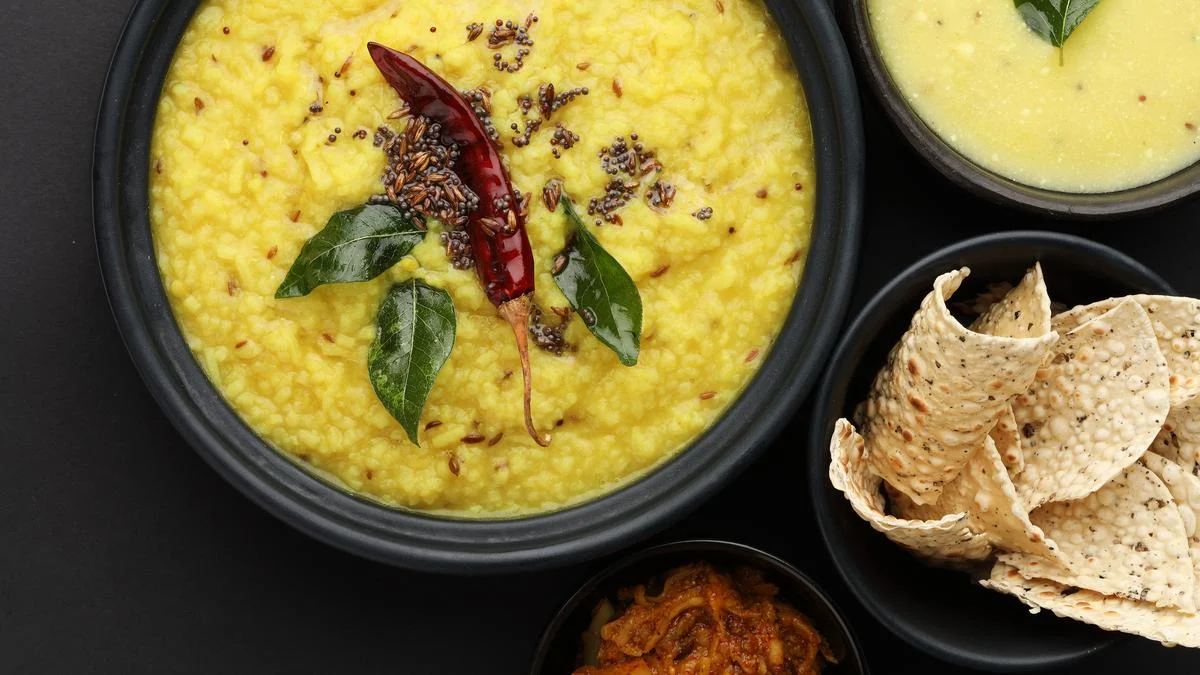
New Delhi, June 23, 2026 – In an era dominated by rapid culinary innovation and globalized food trends, a recent discovery has stirred a wave of appreciation for the simple, comforting, and historically rich dish known as khichdi. Priyadarshini Sharma, a resident of Delhi, stumbled upon a treasure trove of culinary history tucked away in her grandmother’s attic: a well-worn cookbook from 1984, brimming with an astonishing 59 distinct khichdi recipes. This find has not only unearthed a forgotten legacy of home cooking but also reignited interest in this ancient Indian staple, offering a glimpse into the diverse and adaptable nature of a dish often perceived as basic.
Sharma’s serendipitous discovery, made while organizing family archives, has brought to light a collection that showcases the remarkable versatility of khichdi, a dish that has been a cornerstone of Indian cuisine for centuries. The cookbook, penned by her late grandmother, a meticulous record-keeper of her culinary experiences, details recipes that range from the incredibly simple and quick to more elaborate preparations involving a medley of spices and ingredients.
“It was like opening a time capsule,” Sharma shared, her voice filled with a sense of wonder. “I always knew my grandmother was an excellent cook, but I never imagined she had documented so many variations of khichdi. Each page was filled with her neat handwriting, detailing ingredients, methods, and even little personal notes. It’s a testament to her love for food and her family.”
The sheer volume of recipes – 59 distinct preparations – challenges the common perception of khichdi as a singular, unvarying dish. It underscores its adaptability to regional ingredients, dietary needs, and varying palates, a characteristic that has ensured its enduring presence in Indian households. From the plains of Punjab to the coastal kitchens of Kerala, khichdi has been a canvas for local flavors and traditions.
The Enduring Appeal of Khichdi: A Culinary Cornerstone
Khichdi, a wholesome and easily digestible dish, is a harmonious blend of rice and lentils, often enhanced with spices and sometimes vegetables. Its origins are deeply rooted in the Indian subcontinent, with historical mentions dating back to ancient texts. Its popularity stems from its nutritional completeness, its ease of preparation, and its inherent comfort factor, making it a go-to meal for all ages, from infants to the elderly, and particularly for those recovering from illness.
The significance of khichdi extends beyond its nutritional value. It is a dish that embodies simplicity, humility, and the concept of "nourishment with ease." In many Indian households, it is considered the ultimate comfort food, evoking memories of childhood, care, and home. The act of preparing and sharing khichdi is often intertwined with notions of healing, soothing, and providing sustenance.
Sharma’s grandmother’s cookbook, therefore, represents more than just a collection of recipes; it is a legacy of familial tradition and a testament to the profound cultural significance of khichdi. The cookbook’s revival has sparked conversations among food historians, culinary enthusiasts, and home cooks alike, prompting a re-evaluation of this seemingly modest dish.
Unearthing a Culinary Legacy: The 1984 Cookbook
The cookbook, meticulously dated 1984, offers a fascinating glimpse into the culinary landscape of that era. It reflects the ingredients and cooking techniques prevalent at the time, providing a historical context for the evolution of Indian cuisine. The fact that 59 of these recipes are dedicated solely to khichdi highlights its importance and versatility in the everyday meals of a typical Indian household.
“The variety is astounding,” Sharma explained. “There are recipes for different dals, different types of rice, some with specific spice blends, others with added vegetables, and even variations for different occasions. She had a recipe for a ‘quick weekday khichdi,’ a ‘festive khichdi,’ and even a ‘light khichdi for a summer day.’ It’s incredible how she managed to create so many distinct dishes from such simple ingredients.”
The cookbook’s discovery has been met with considerable interest from the culinary community. Food bloggers, chefs, and researchers have lauded Sharma’s find, recognizing its potential to contribute to the understanding of India’s culinary heritage. Many have expressed a desire to explore these vintage recipes, to recreate them, and to share them with a wider audience, thus preserving this gastronomic legacy.
A Simple Yet Profound Recipe: The Everyday Khichdi
Among the 59 recipes, Sharma has chosen to share one that she describes as an “easy everyday khichdi,” a perfect embodiment of the dish’s fundamental appeal. This recipe, passed down through generations, emphasizes the core elements of rice, dal, and simple spices, with clear instructions that make it accessible to even novice cooks.

The recipe, as presented, is a testament to the elegance of simplicity. It begins with the crucial step of rinsing the grains – rice and dal – thoroughly. This ensures the removal of excess starch, leading to a smoother, more digestible khichdi. The base is then prepared by boiling water, into which turmeric powder and salt are added, imparting both color and flavor.
The type of dal used dictates a slight variation in the cooking process. For quick-cooking dals like moong or masoor, they are added along with the rice. However, for harder dals such as tuvar or chana, an initial simmering period of ten minutes is recommended before the rice is introduced. This ensures that all components cook to a tender, blended consistency.
The cooking process itself is designed for gentleness. Once the grains are added, the heat is reduced, and the pot is covered. The aim is to allow the ingredients to soften and meld together, creating a porridge-like texture. The recipe provides approximate cooking times for both stovetop and pressure cooker methods, offering flexibility for modern kitchens.
The final, quintessential touch is the tempering, or "tadka." This involves heating ghee or oil in a small pan and adding cumin seeds and mustard seeds, allowing them to crackle and release their aromas. A pinch of asafoetida (hing) and slit green or dried red chilies are then fried until fragrant, infusing the khichdi with a burst of savory and slightly pungent flavors. This sizzling tadka is then poured over the cooked khichdi, transforming it into a complete and satisfying meal.
The recipe concludes with practical tips, such as adjusting the water quantity for desired consistency and the option to incorporate vegetables at step three for added nutrition and flavor. This adaptability is a hallmark of khichdi, allowing it to be a versatile dish that can be tailored to individual preferences and dietary needs.
Chronology of a Culinary Rediscovery
The journey of this particular khichdi recipe, and indeed the entire cookbook, can be traced through a series of interconnected events:
- Circa 1980s: Priyadarshini Sharma’s grandmother diligently records her culinary knowledge, including a comprehensive collection of khichdi recipes, in a personal cookbook. This period represents the creation and preservation of the culinary legacy.
- Early 2000s: The grandmother passes away, and the cookbook, along with other family heirlooms, is likely stored away, awaiting future rediscovery.
- June 2026: Priyadarshini Sharma undertakes a significant archival effort, sorting through family possessions. During this process, she unearths the 1984 cookbook.
- Mid-June 2026: Sharma delves into the cookbook, identifying the extensive collection of 59 khichdi recipes and recognizing their historical and personal value.
- June 23, 2026: Sharma decides to share one of the simpler, everyday khichdi recipes with the public, marking the formal "re-publication" and wider dissemination of this vintage recipe. This act initiates a renewed appreciation for traditional Indian cooking.
- Late June 2026 Onwards: The news of the discovered cookbook and the shared recipe gains traction, inspiring culinary enthusiasts, food bloggers, and media outlets to explore and recreate other recipes from the collection, potentially leading to further archival and culinary research.
Supporting Data and the Enduring Popularity of Khichdi
The rediscovery of Sharma’s grandmother’s khichdi recipes is set against a backdrop of khichdi’s consistent presence and evolving perception in Indian society. While often categorized as a "simple" or "comfort" food, its significance is far-reaching:
- Nutritional Staple: Studies on Indian diets consistently highlight rice and lentil-based preparations like khichdi as crucial sources of protein, carbohydrates, and essential micronutrients for a large segment of the population.
- Health and Wellness: In Ayurvedic traditions and modern medical advice, khichdi is frequently recommended for its digestibility, making it a staple in post-illness recovery diets and for individuals with sensitive digestive systems.
- Economic Accessibility: The primary ingredients – rice and lentils – are generally affordable and widely available, making khichdi an economical and accessible meal for households across all income strata.
- Cultural Integration: Khichdi is deeply woven into the cultural fabric of India. It is a dish served during auspicious occasions, as a first solid food for infants (annaprashana), and as a symbol of home and maternal care.
- Modern Interpretations: While traditional recipes are being rediscovered, khichdi also continues to evolve. Modern chefs and home cooks are experimenting with gourmet ingredients, international spices, and diverse vegetables, demonstrating its timeless appeal and adaptability.
The 59 recipes found in Sharma’s grandmother’s cookbook provide concrete evidence of the depth and breadth of this culinary tradition, moving beyond anecdotal evidence to a documented historical record of everyday Indian cooking.
Official Responses and Culinary Community Reactions
The announcement of Priyadarshini Sharma’s discovery has garnered enthusiastic responses from various quarters:
- Culinary Historians: Experts in Indian food history have expressed delight, noting that such personal cookbooks offer invaluable insights into domestic culinary practices that often go undocumented in more formal gastronomic literature. Dr. Anjali Rao, a renowned food historian, commented, "Personal cookbooks are the true archives of our culinary past. They reveal the nuances of home cooking, regional variations, and the evolution of dishes at the grassroots level. Sharma’s find is a significant contribution to our understanding of Indian food heritage."
- Food Bloggers and Influencers: The culinary blogging community has been abuzz with the news. Many have announced plans to recreate recipes from the 1984 cookbook and share their experiences, driving a surge of interest in traditional khichdi preparations. #VintageKhichdi and #GrandmasCookbook have begun trending on social media platforms.
- Culinary Schools and Institutions: Educational bodies are considering incorporating the study of such vintage recipes into their curriculum, emphasizing the importance of preserving and understanding traditional cooking methods.
- General Public: Home cooks and food enthusiasts have responded with nostalgia and excitement, eager to reconnect with the flavors of their childhood and explore the forgotten recipes of their grandmothers. Many have shared their own family khichdi memories, further highlighting the dish’s emotional resonance.
Implications and the Future of Vintage Recipes
The rediscovery of Priyadarshini Sharma’s grandmother’s khichdi recipes carries significant implications for the culinary landscape:
- Preservation of Culinary Heritage: This find serves as a potent reminder of the importance of preserving personal cookbooks and family recipes. These documents are invaluable historical artifacts that capture the essence of a generation’s culinary knowledge.
- Revival of Traditional Cooking: In an age of convenience foods, the emphasis on simple, wholesome, and home-cooked meals is seeing a resurgence. Sharma’s discovery provides a tangible connection to a time when such cooking was the norm, encouraging a return to traditional techniques and ingredients.
- Intergenerational Connection: The act of recreating these recipes can foster a powerful intergenerational connection, allowing younger generations to experience the culinary traditions of their elders and understand the stories behind the food.
- Inspiration for Innovation: While the focus is on preserving the past, these vintage recipes also offer a rich source of inspiration for contemporary chefs and home cooks. They can be a springboard for new interpretations, blending traditional flavors with modern culinary techniques.
- Educational Value: The detailed instructions and ingredient lists provide valuable educational material, offering insights into the culinary practices and ingredient availability of a specific historical period.
Priyadarshini Sharma’s accidental dive into her grandmother’s past has unearthed more than just recipes; it has unearthed a connection to heritage, a celebration of simplicity, and a testament to the enduring power of food to nourish both the body and the soul. As the culinary world embraces these rediscovered flavors, the humble khichdi, once perhaps overlooked, is poised to reclaim its rightful place as a cherished icon of Indian cuisine, its legacy enriched by the meticulous love of a grandmother and the serendipitous find of her granddaughter. The 59 khichdi recipes stand as a silent, yet powerful, narrative of culinary continuity, inviting everyone to taste a piece of history.
