

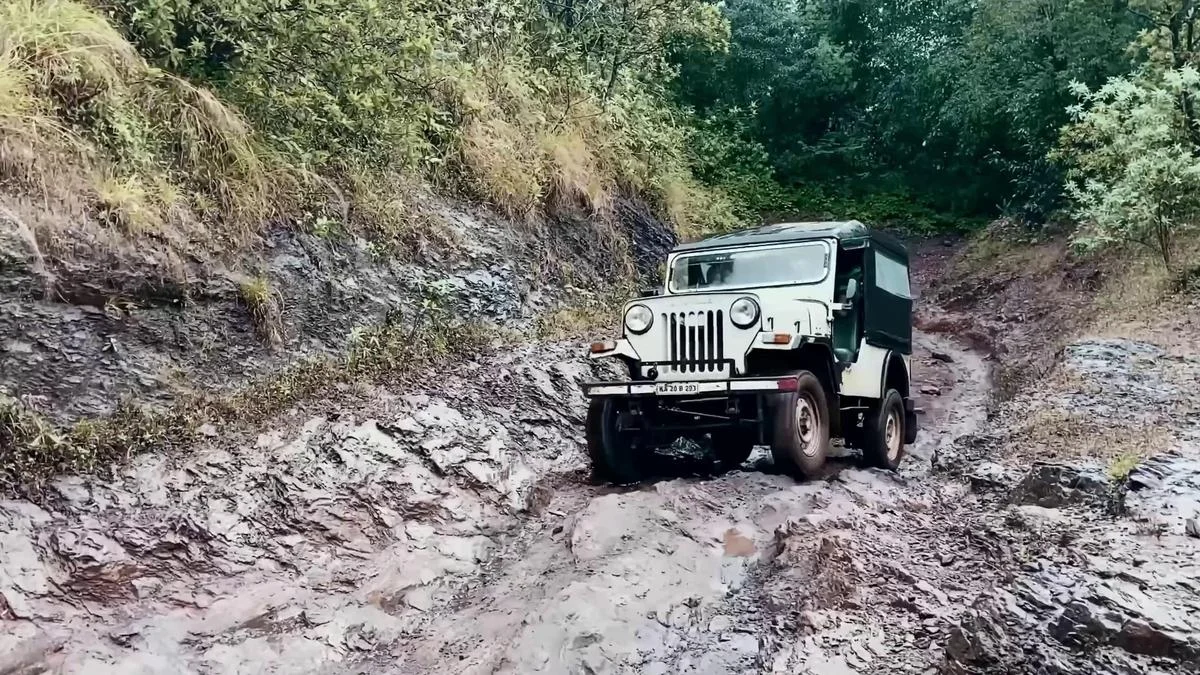
The rugged, unforgiving terrain between Karnataka’s revered Kollur Mookambika Temple and the spiritually significant Kodachadri peak is more than just a challenging route; it’s a daily battlefield for a dedicated group of jeep drivers. Their lives are an exhilarating, yet perilous, adventure, as they expertly navigate rocky paths and unpredictable conditions to ferry pilgrims to their spiritual destination. Filmmaker Sohan Lal’s documentary, "Wheels of Kodachadri," shines a much-needed spotlight on these unsung heroes, revealing the immense skill, dedication, and personal sacrifice that defines their livelihood.
The Daily Grind: An Off-Road Odyssey for Devotion and Livelihood
For the jeep drivers of Kodachadri, each day presents a unique challenge. Their office is the unpaved, treacherous 35-kilometer stretch that winds from the Mookambika Temple to the sacred Kodachadri peak. This journey, often taking over an hour and a half, is not for the faint of heart. Approximately one hour of this time is dedicated solely to conquering the brutal, unyielding terrain. The jeeps, robust and resilient, carry pilgrims to the foothills of Kodachadri, from where the final ascent to Sarvanjapeedam – the hallowed ground where Adi Shankaracharya attained spiritual enlightenment – is a 1.5-kilometer trek.
This demanding off-road experience is not merely a service; it is the very foundation of their existence. These drivers, many of whom are Malayalis residing in a dedicated village within the region, have honed their skills through years of relentless practice. Their proficiency in navigating the extreme conditions, often exacerbated by seasonal rains, is a testament to their unwavering commitment.
A Glimpse into Their Lives: The Genesis of "Wheels of Kodachadri"
Filmmaker Sohan Lal, recently lauded with the Best Director award at the 16th Pune Short Film Festival for "Wheels of Kodachadri," was initially drawn to the Mookambika-Kodachadri route by a spiritual inclination. However, his repeated journeys revealed a deeper story: the extraordinary efforts and remarkable skill of the jeep drivers. Intrigued, he began to delve into their lives, listening to their personal narratives and understanding the profound connection they share with this challenging landscape.

"I have travelled several times between Mookambika and Kodachadri, not just because I am religious," Sohan explains. "I cherish the experience. That was when I was amazed by the effort and skill of these drivers. Then I started knowing more about their lives and listened to their stories. Majority of them are Malayalis. In fact, there is a village there where most of these drivers stay." This burgeoning curiosity and admiration for the drivers’ resilience formed the bedrock of his documentary.
A Historical Shift: From Footpaths to Four-Wheel Drive
The journey to Kodachadri has undergone a significant transformation over the decades. In earlier times, devotees undertook the entire arduous journey on foot, traversing deep forests and dedicating an entire day to reach their destination. The advent of the jeep service in 1984 marked a pivotal moment. Initially, a single jeep was designated for the chief priest, symbolizing the nascent beginnings of this crucial transportation link.
Lakshman Devadiga, hailed as the first jeep driver on this route, now runs a shop selling religious articles and deity photographs near the temple. His story, a living testament to the evolution of this service, is prominently featured in Lal’s documentary. His experiences offer a poignant historical perspective on the challenges and triumphs faced by these early pioneers.
The Operational Dynamics: A Well-Oiled Machine on Rough Terrain
Today, the jeep service operates with remarkable efficiency, boasting a fleet of 136 vehicles. These jeeps function as a meticulously organized system, with each vehicle assigned a number in a queue, ensuring a fair rotation for service. The drivers adhere to rates prescribed by their union, typically charging ₹400 per person, with an additional ₹70 levied by the Forest Department at the check post where the off-road expedition commences. The per-head fare, however, is subject to variation based on the occupancy of the vehicle, a pragmatic adjustment to the economics of their profession.

Beyond the Spiritual: An Adventure for the Soul
While the primary purpose of the journey is spiritual pilgrimage, "Wheels of Kodachadri" also highlights the growing segment of visitors who are drawn to the region for the sheer thrill of the off-road experience and the adventure of trekking. Sohan Lal observes that the allure of Kodachadri extends beyond religious devotion, encompassing a profound connection with the raw, untamed beauty of nature. "What makes the place spiritual has a lot to do with experiencing the off-road part, whether you are a believer or not," he notes. This dual appeal underscores the multifaceted charm of Kodachadri, drawing in a diverse range of visitors seeking both solace and exhilaration.
The Unseen Costs: Wear and Tear, and Long Waits
The documentary meticulously captures the daily realities faced by these drivers. Their vehicles are constantly subjected to the harsh impacts of the rugged terrain, leading to frequent repairs, the cost of which is borne entirely by the drivers themselves. This financial burden, coupled with the physical demands of the job, paints a picture of their unwavering dedication.
Furthermore, the drivers often endure lengthy waits at the base of Kodachadri once they have dropped off their passengers. The return journey is dictated by the pace of the pilgrims, who may choose to extend their time at the summit for meditation or to soak in the breathtaking vistas. "It usually takes two hours for them to climb the peak, watch Sarvanjapeedam and come back to the base," Sohan elaborates. "But the problem is a jeep will have devotees who come from different regions. Often some of them would prefer to stay longer and meditate; some would choose to enjoy the breathtaking view. So the devotees return to the jeeps at different time and the drivers have to wait till all of them come back." This waiting period, while a necessity for ensuring passenger safety and satisfaction, represents lost earning opportunities and adds another layer of complexity to their daily operations.
The Filmmaker’s Perspective: Immersion and Empathy
Sohan Lal’s approach to filmmaking involved an immersive experience, with the shoot spanning various seasons. This allowed him to witness firsthand the escalating challenges and the heightened bravery required during the monsoon season. "Rainy season is extremely dangerous. Their driving skill and courage are put to test often then," he remarks, underscoring the critical role of their expertise in ensuring safe passage.

A Legacy of Storytelling: Sohan Lal’s Cinematic Journey
"Wheels of Kodachadri" is the latest addition to Sohan Lal’s impressive directorial portfolio. Produced by Jahangir Shamz, known for his work on acclaimed films like Priyanandanan’s "Bhakthajanangalude Sradhakku," Madhu Kaithapram’s "Madhyavenal," and Jayaraj’s "Hasyam," the documentary is poised to make a significant impact on the film festival circuit.
With over 15 years of experience as a mediaperson, Sohan has a rich background in television production. His telefilm "Neermathalathinte Pookkal," an adaptation of Madhavikutty’s story, garnered multiple accolades, including five State awards, showcasing his adeptness at translating literary narratives into compelling visual stories.
His foray into feature films began with "Orkkukkuka Vallappozhum," starring the legendary Thilakan, followed by the star-studded anthology "Kathaveedu," which featured stories by literary giants MT Vasudevan Nair, Madhavikutty, and Vaikom Muhammed Basheer. He has also explored the realm of children’s cinema with a trilogy of films: "The Great Indian Road Movie," "Appuvinte Sathyanveshanam" (which received a State award for best child artist), and the yet-to-be-released "Swapnangal Pookkunna Kaadu."
Lal’s documentary work is equally noteworthy, including "Venal Vasantham" and "Autobiography of a Stray Dog." He has recently completed shooting a documentary focused on the culling of ducks in Kuttanad to prevent the spread of bird flu. Currently, he is engaged in developing a web series and a new feature film, further cementing his reputation as a versatile and prolific storyteller.

Conclusion: A Tribute to Resilience and Dedication
"Wheels of Kodachadri" is more than just a documentary; it is a profound tribute to the resilience, skill, and unwavering dedication of the jeep drivers who navigate the challenging terrains of Kodachadri. Their daily lives, a blend of adventure and responsibility, underscore the human element behind the spiritual journey of countless pilgrims. Sohan Lal’s cinematic lens has not only captured their arduous profession but has also amplified their voices, bringing to light the untold stories of these unsung heroes of the sacred mountains. As the documentary continues its festival run, it serves as a powerful reminder of the human spirit’s capacity to overcome adversity and find purpose in the most demanding of circumstances.
