

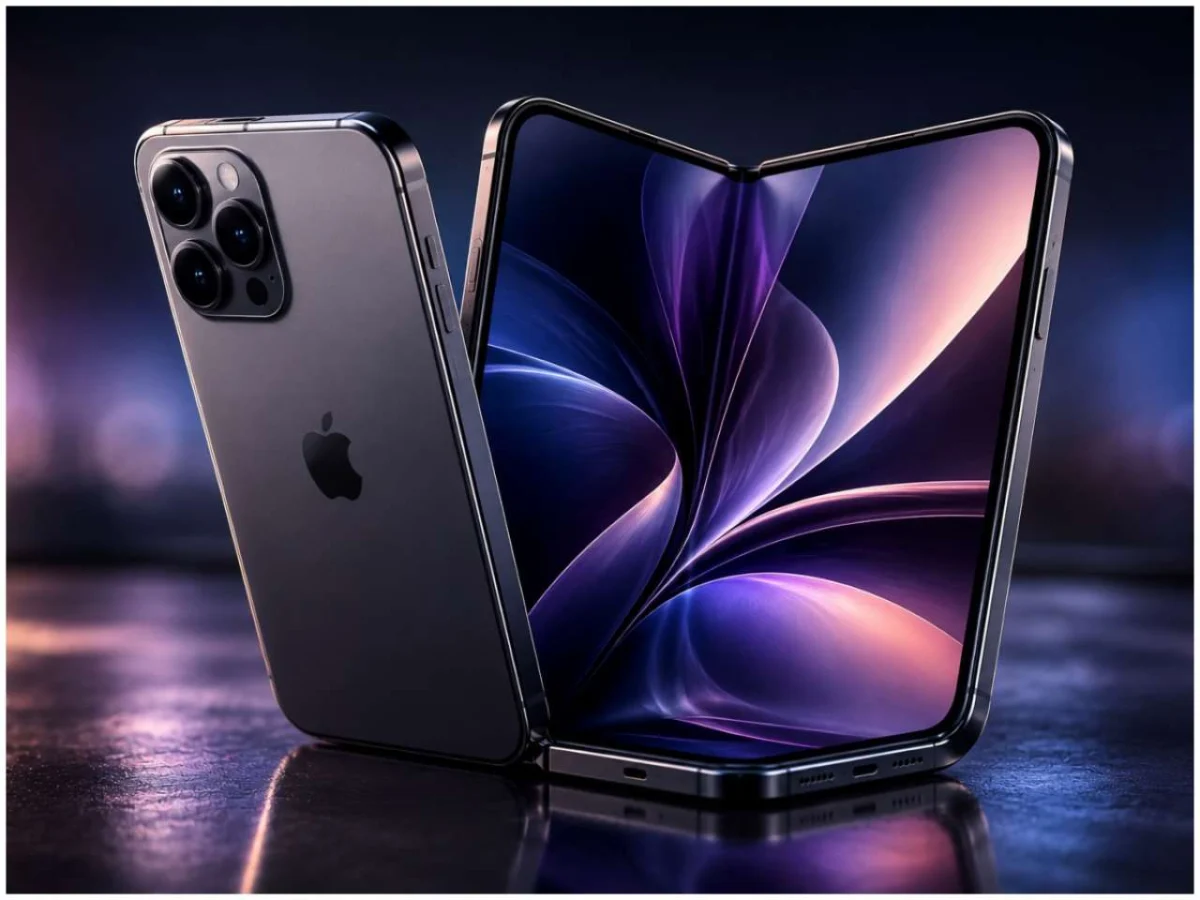
CUPERTINO, CA – The long-whispered notion of an Apple foldable iPhone has roared back into the technological spotlight, sending ripples of excitement through the industry and among consumers. Fresh clues unearthed within the inaugural developer beta of iOS 27 have ignited a fervent debate, suggesting that Apple’s highly anticipated entry into the flexible display market might be far closer than previously imagined. Netizens and developers poring over the newly released software have reportedly uncovered a trove of hidden references and functionalities, painting a compelling picture of a device that could redefine the premium smartphone landscape.
For years, the prospect of an iPhone capable of folding has been relegated to the realm of patent filings and speculative renders. However, the recent discoveries in iOS 27 mark a significant shift, transforming abstract possibilities into tangible software evidence. These findings, corroborated by various developer reports and industry analyses, suggest that Apple is not just researching foldable technology, but actively integrating support for it deep within its core operating system. The implications are profound, hinting at an imminent product launch that could shake the foundations of the mobile technology sector.
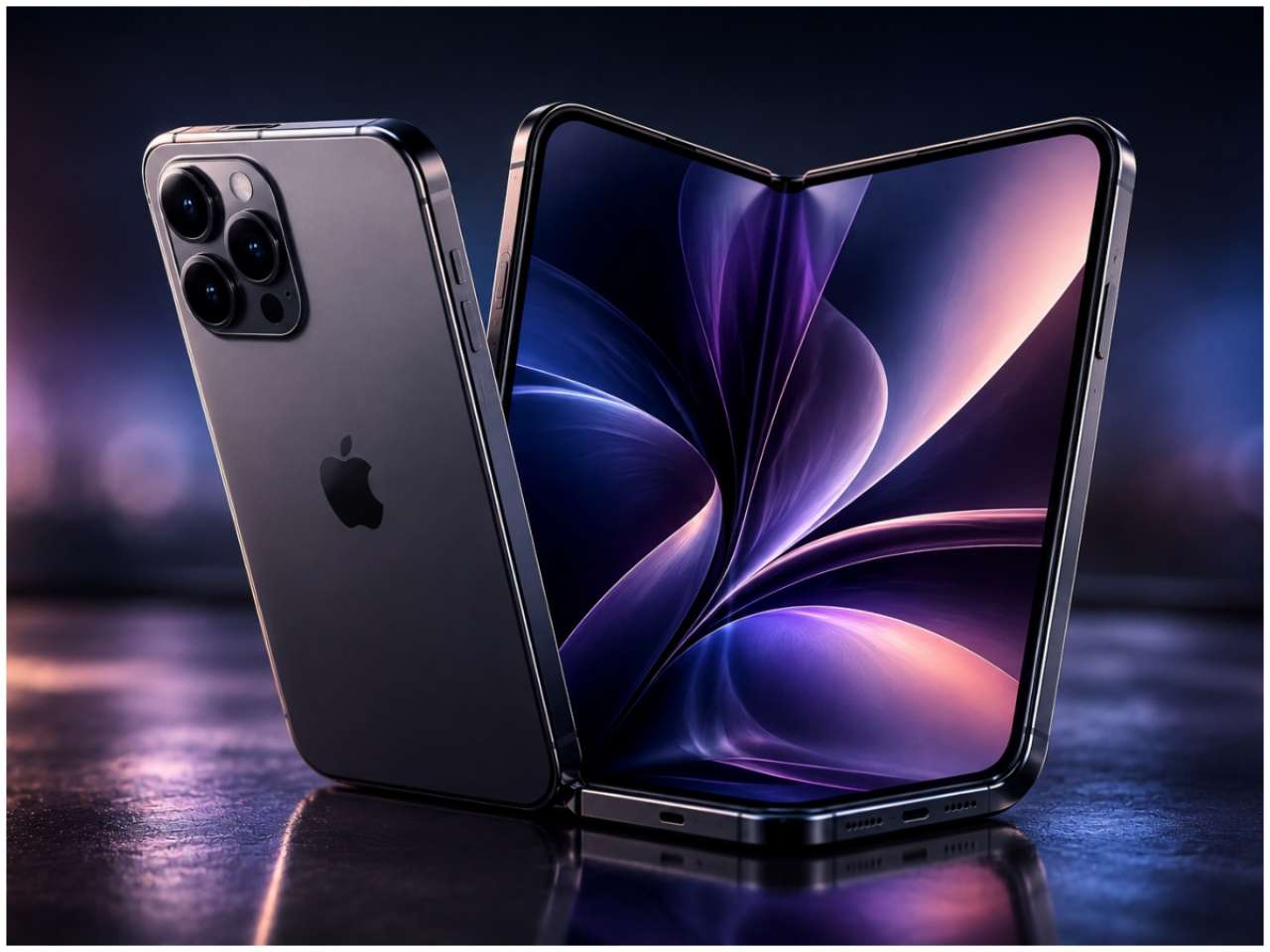
The Core Revelation: Unpacking the iOS 27 Beta Clues
The latest developer beta of iOS 27 has become an unexpected treasure trove for tech enthusiasts, offering the most concrete evidence to date of Apple’s foldable ambitions. Developers, known for their meticulous examination of new software builds, were quick to spot intriguing elements within the code base that point directly to a multi-display, foldable device.
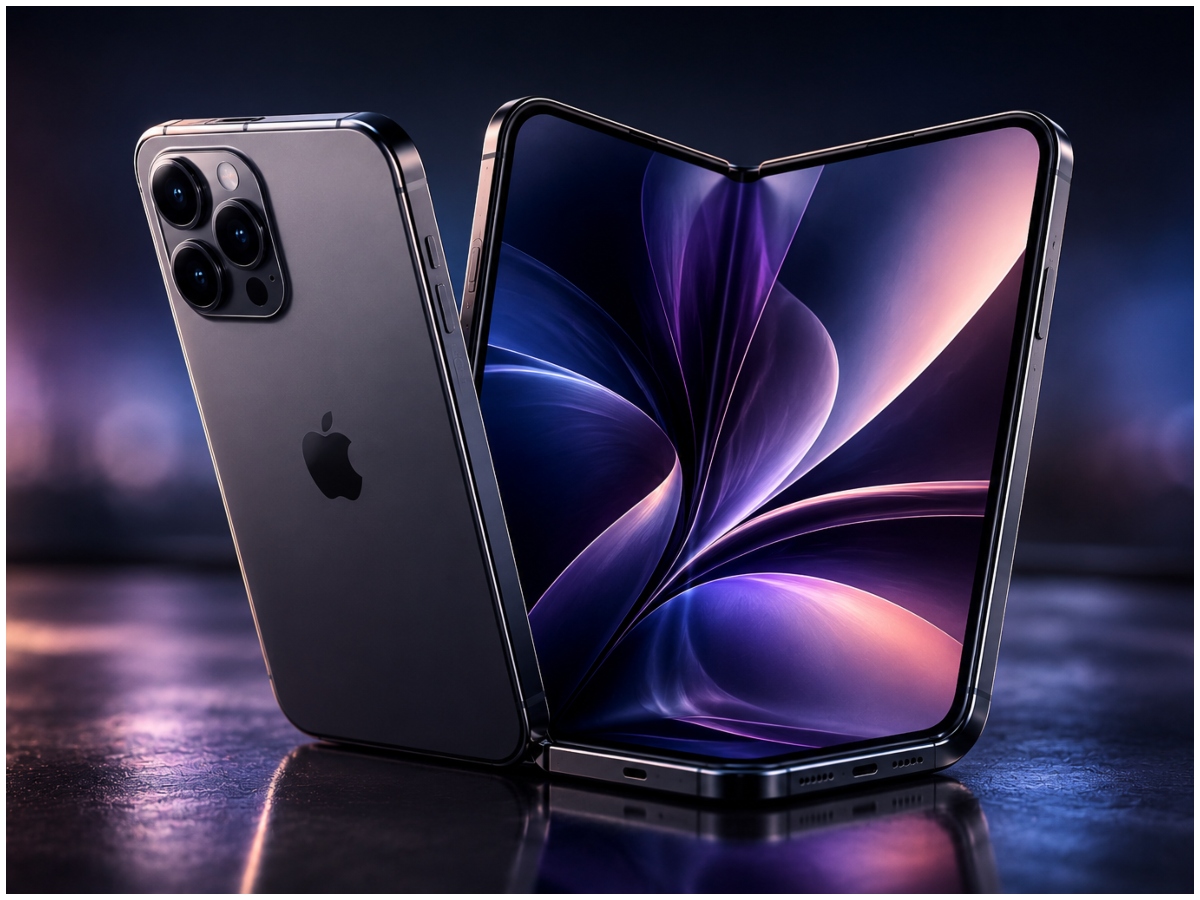
Among the most compelling discoveries are specific mechanisms and terminologies embedded within the software. Reports, notably highlighted by a Bloomberg analysis, detail references such as ‘Foldslate’ and ‘AngleDegrees’. These terms are highly suggestive of a device possessing a dynamic, articulate structure – ‘Foldslate’ possibly indicating a slate-like device that can fold, and ‘AngleDegrees’ likely pertaining to the precise angular positioning of a hinge mechanism or display sections. Such granular control over a device’s physical state is critical for the seamless operation of a foldable phone, enabling the software to adapt its interface based on whether the device is fully open, partially folded, or closed.
)
Beyond these nomenclature clues, developers have also uncovered references to specialized repair tools and software support specifically designed for an iPhone with "more than a single display." This particular detail carries significant weight. The need for unique repair protocols and diagnostic software for a multi-display iPhone implies that such a device is not merely a concept, but a tangible product in the advanced stages of development, requiring logistical and maintenance infrastructure. Standard iPhones, with their singular display, do not necessitate such distinctions in software support. The complexity of repairing and maintaining a foldable device, particularly its delicate display and hinge mechanism, would undoubtedly demand specialized tools and software, which Apple appears to be preparing for.
These collective findings within the iOS 27 beta are not merely speculative; they represent concrete architectural changes within Apple’s operating system, laying the groundwork for a radically different hardware form factor. The presence of these elements deep within the developer beta suggests that Apple is moving beyond the experimental phase and is actively building the software backbone necessary for a foldable iPhone’s successful deployment.

A Chronology of Apple’s Foldable Journey and Industry Context
The journey towards an Apple foldable device has been a protracted one, marked by years of patents, industry speculation, and a cautious approach from Cupertino. To fully appreciate the significance of the iOS 27 revelations, it’s crucial to contextualize Apple’s history with foldable technology within the broader industry landscape.
Early Rumblings and Patent Proliferation (Mid-2010s to Early 2020s):
The concept of foldable phones began to gain traction in the mid-2010s, with various manufacturers showcasing prototypes and filing patents. Apple, known for its strategic long-term planning, was no exception. Numerous patent applications emerged from Apple over the years, detailing designs for flexible displays, sophisticated hinge mechanisms, and even self-healing screen technologies. These patents often depicted devices that could fold vertically like a clamshell or horizontally like a book, covering a wide array of potential form factors. While patents don’t guarantee a product, they clearly indicated Apple’s deep engagement with the underlying technologies required for foldables.
)
The Rise of Competitors and Apple’s Deliberate Pace:
As Apple quietly amassed its portfolio of foldable patents, its competitors stormed the market. Samsung led the charge with the groundbreaking Galaxy Fold in 2019, followed by the Galaxy Z Flip, establishing itself as the dominant player in the foldable segment. Huawei, Motorola, Google, and more recently, OnePlus and Honor, have all launched their own foldable devices, demonstrating varying degrees of success and innovation. These early entrants faced significant challenges, including durability concerns, high price points, and software optimization issues.
Apple’s characteristic approach has been one of patient observation. Unlike its rivals, who often embrace new technologies in their nascent stages, Apple typically waits for technologies to mature, supply chains to stabilize, and user experiences to be refined before making its grand entry. This deliberate strategy has often paid dividends, allowing Apple to learn from competitors’ missteps and deliver a more polished, user-centric product. For foldables, this meant waiting for flexible display technology to become more robust, hinge mechanisms to be more durable, and the software ecosystem to be ready for such a paradigm shift.
)
Intensifying Rumors and Supply Chain Whispers (Early 2020s):
In recent years, rumors surrounding Apple’s foldable project intensified. Reports from reputable analysts and supply chain sources began to suggest that Apple was actively working with display manufacturers like Samsung Display and LG Display on flexible OLED panels. Test units and internal prototypes were reportedly being evaluated for durability and user experience. While no definitive leaks of a physical device emerged, the increasing frequency and specificity of these rumors indicated that the project was moving beyond the conceptual phase.
The iOS 27 Beta as a Turning Point:
The release of the first developer beta for iOS 27 marks a critical inflection point in this chronology. Developer betas are crucial stages in Apple’s software development cycle, providing early access to upcoming features and API changes. The inclusion of specific code references for foldable hardware at this stage strongly suggests that the associated hardware is not only far along in development but is nearing a state where software integration becomes paramount. This isn’t just a patent; it’s code being written for a product that is intended to ship. The timing of this discovery, especially considering the speculated launch window, aligns perfectly with the typical product development cycle for a major Apple device.
)
Supporting Data: Software, Hardware, and Design Insights
The clues extend beyond mere code snippets, encompassing software features tailored for larger screens and detailed hardware specifications obtained through various leaks.
Software Features for an Expanded Canvas:
iOS 27 introduces several new features and UI enhancements that appear remarkably well-suited for a device with a significantly larger display than current iPhones. While Apple has not explicitly linked these features to a foldable device, their design philosophy strongly suggests optimization for an expanded screen real estate. This could include more robust multitasking capabilities, enhanced split-screen modes, and redesigned applications that leverage additional space for information density or richer media experiences. Imagine, for instance, a Mail app displaying a full inbox alongside an open email composition window, or a Maps app showing navigation directions while simultaneously displaying Yelp reviews of nearby businesses – all made possible by an expansive, foldable internal screen.
)
Furthermore, macOS 27 brings notable improvements to iPhone Mirroring, a feature that allows users to cast their iPhone screen onto a Mac. Crucially, the update allows users to resize the mirrored iPhone screen into a "wider format" on Macs. This seemingly minor detail carries significant weight. A wider format mirroring capability could be a direct preparation for a foldable iPhone that, when unfolded, adopts a wider, more tablet-like aspect ratio. This would allow for a more natural and optimized mirroring experience, reflecting the unfolded state of the device rather than being constrained by the narrower dimensions of a traditional iPhone. Such integration across Apple’s ecosystem is a hallmark of their product strategy, ensuring seamless transitions between devices.
Hardware Leaks and Anticipated Specifications (Mac Rumours):
Adding another layer of detail to the unfolding narrative are hardware leaks, specifically those reported by Mac Rumours. These reports, often based on supply chain intelligence and internal renders, paint a vivid picture of the potential foldable iPhone’s physical characteristics.
)
- Design Aesthetic: The device is expected to feature a "book-like design," a form factor popularized by devices like Samsung’s Galaxy Fold. This design philosophy emphasizes a compact phone experience when closed, transforming into a tablet-like canvas when unfolded. The rumored 4:3 aspect ratio for the internal display further reinforces this tablet-like experience, offering a more square-ish screen ideal for productivity, document viewing, and multi-window multitasking.
- Dual Displays: Mac Rumours details a dual-display setup: an outer display of approximately 5.5 inches and an inner OLED screen measuring around 7.8 inches. The 5.5-inch outer display would provide a fully functional smartphone experience when the device is closed, making it usable for quick tasks, notifications, and phone calls without needing to unfold. The 7.8-inch internal display, once unfolded, would offer an expansive workspace, effectively making the device a "smaller version of an iPad." This strategic sizing could position the foldable iPhone as a bridge between the iPhone and iPad lines, offering the portability of a phone with the immersive experience of a small tablet.
- Premium Materials and Engineering: The potential device is rumored to feature an "ultra-thin 4.5 mm titanium frame." Titanium, known for its exceptional strength-to-weight ratio and corrosion resistance, is a premium material increasingly favored by Apple (seen in the iPhone 15 Pro series and Apple Watch Ultra). Achieving a thickness of just 4.5 mm, especially for a foldable device that needs to accommodate a hinge mechanism and dual displays, would represent a significant engineering feat, underscoring Apple’s commitment to sleek design and advanced material science.
- Button Placement and Action Button Omission: Interestingly, the volume buttons are rumored to be positioned on the "top edge," departing from the typical side placement on current iPhones. This could be a design choice dictated by the hinge mechanism or the desire to maintain a cleaner aesthetic on the side rails. Furthermore, the reports suggest "no Apple’s Action Button," a feature introduced with the iPhone 15 Pro models. If true, this omission could indicate either a design simplification for the first-generation foldable or a re-evaluation of its utility in a device with a unique form factor.
These detailed specifications, when combined with the iOS 27 beta clues, paint a remarkably consistent and compelling picture of Apple’s forthcoming foldable device. They suggest a product meticulously engineered for both form and function, designed to offer a premium, versatile user experience.
Official Responses: Apple’s Enigmatic Silence
In true Apple fashion, there has been no official comment from the company regarding these pervasive leaks or the existence of a foldable iPhone. Apple maintains an ironclad policy of secrecy regarding unreleased products, a strategy that has historically fueled intense speculation and heightened anticipation for its product launches.
)
This steadfast silence, while frustrating for eager consumers and analysts, is entirely consistent with Apple’s corporate communications strategy. The company rarely, if ever, acknowledges rumors, leaks, or even direct questions about future products. Their official position is to only discuss products once they have been formally unveiled on stage during an official event.
However, Apple’s silence, far from quashing rumors, often serves to amplify them. The absence of a denial, coupled with the overwhelming volume of patent filings, supply chain reports, and now, explicit software clues in a developer beta, lends a degree of credibility to the speculation. Industry observers understand that for Apple to integrate such specific code into a public-facing developer beta, the underlying hardware must be well past the conceptual stage. The company’s traditional "no comment" stance, in this context, does little to dispel the growing belief that a foldable iPhone is indeed around the corner.
)
This pattern has been observed with countless past Apple products, from the original iPhone and iPad to the Apple Watch and, most recently, the Apple Vision Pro. Each product was subject to years of rumors and leaks before its official unveiling, with Apple maintaining its characteristic silence until the opportune moment.
Implications: Market Impact, User Experience, and the Future of Apple’s Ecosystem
The potential launch of an Apple foldable iPhone carries immense implications across the technology landscape, promising to reshape market dynamics, redefine user experiences, and further integrate Apple’s formidable ecosystem.
)
Market Impact and Competitive Landscape:
Apple’s entry into the foldable market would be nothing short of a seismic event. Currently dominated by Samsung, the foldable segment would instantly gain a new level of legitimacy and mainstream appeal with Apple’s participation.
- Validation of the Foldable Category: Apple’s endorsement would signify that foldable technology has matured sufficiently to meet its stringent standards for quality, durability, and user experience. This could encourage more consumers to consider foldables, accelerating market growth.
- Intensified Competition: Samsung and other foldable manufacturers would face their most formidable competitor yet. Apple’s design prowess, software optimization, and brand loyalty could significantly disrupt existing market shares. This heightened competition would likely drive further innovation, improved durability, and potentially more competitive pricing across the industry.
- Pricing Strategy: Foldables are inherently expensive. An Apple foldable would likely sit at the very top of the premium smartphone segment, potentially exceeding the price point of even the highest-tier Pro Max iPhones. Its pricing strategy would be keenly watched, influencing perceptions of value and luxury in the foldable space.
Transformative User Experience (UX):
A foldable iPhone promises to deliver a fundamentally different and enhanced user experience, blending the portability of a smartphone with the versatility of a tablet.
)
- Enhanced Productivity and Multitasking: The larger internal display would unlock unprecedented multitasking capabilities on an iPhone. Users could run multiple apps side-by-side with greater efficiency, handle complex workflows, and engage in more immersive content creation. The "smaller version of an iPad" aspect ratio is ideal for professional applications, document editing, and collaborative tools.
- Immersive Media Consumption: A 7.8-inch OLED screen offers a significantly more immersive experience for watching videos, playing games, and browsing photos compared to traditional iPhone displays. This would elevate the foldable iPhone as a premier entertainment device.
- Innovative Interaction Modes: The folding mechanism itself could introduce new interaction paradigms. Half-folded modes (like "Flex Mode" on Samsung devices) could allow for hands-free video calls, tabletop media viewing, or unique camera angles. The software clues like ‘AngleDegrees’ strongly hint at such adaptive interfaces.
- Durability Concerns: Despite advancements, durability remains a primary concern for foldables (screen crease, hinge longevity). Apple’s reputation for premium build quality would be put to the test, and its approach to addressing these challenges will be crucial for consumer adoption.
Integration within Apple’s Ecosystem:
The foldable iPhone would seamlessly integrate into Apple’s already robust ecosystem, potentially blurring the lines between its different product categories.
- Continuity Features: Expect existing Continuity features (Handoff, Universal Clipboard, Sidecar) to be optimized for the foldable form factor, enabling effortless transitions between the iPhone, iPad, and Mac, especially with the enhanced macOS 27 iPhone Mirroring.
- App Ecosystem Adaptation: Developers would need to optimize their apps for the varying screen states and aspect ratios of the foldable iPhone. Apple’s strong developer community and strict guidelines would likely ensure a smooth transition, but it represents a significant undertaking.
- Potential for New Accessories: The unique form factor could spur the development of new accessories, such as specialized cases, stands, or even an Apple Pencil variant optimized for the larger, flexible display.
Future Outlook and Launch Timelines:
The rumors suggest two primary launch windows: "later this year" (September 2024 alongside iPhone 18 Pro and iPhone 18 Pro Max) or a more conservative 2026 timeframe.
)
- September 2024 Launch: If true, this would be an incredibly aggressive launch for Apple, indicating that the device is in a very advanced stage of development. Introducing it alongside the iPhone 18 Pro models would position it as the ultimate premium offering, a true "one more thing" moment. The iOS 27 beta clues certainly support this accelerated timeline.
- 2026 Launch: A 2026 launch would align more with Apple’s traditional cautious approach, allowing for further refinement of the technology, optimization of the supply chain, and more extensive testing for durability and user experience. This would also give the foldable market more time to mature.
Regardless of the precise launch date, the revelations within iOS 27 have undeniably shifted the narrative from "if" to "when." Apple’s foray into foldables is poised to be a defining moment for the company and the broader technology industry. It promises not just a new device, but a reimagining of what a smartphone can be, pushing the boundaries of design, functionality, and user interaction within the meticulously crafted Apple ecosystem. The world now waits with bated breath for Apple to officially unveil its next groundbreaking innovation.
