

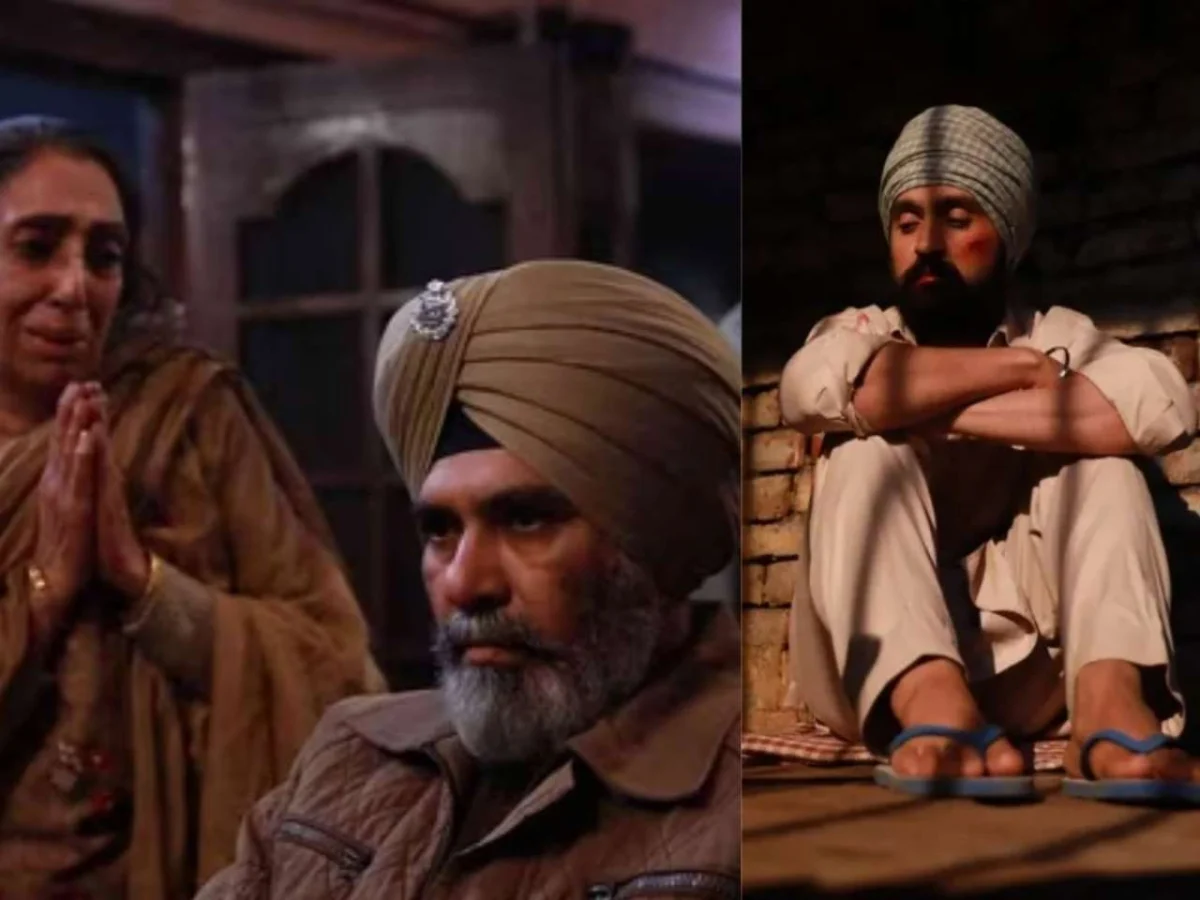
Chandigarh, India – A wave of defiance is sweeping across Punjab’s rural heartlands following the abrupt withdrawal of the Diljit Dosanjh-starrer "Satluj" (formerly "Punjab 95") from the ZEE5 streaming platform. Merely 48 hours after its surprise digital debut, the film, which has faced a tumultuous journey marked by extensive censorship battles, has been pulled offline. However, rather than stifling its reach, the ban appears to have galvanized a powerful grassroots movement, with communities in Punjab reportedly downloading the film and organizing free village screenings, an act actor Suvinder Vicky describes as akin to performing "seva."
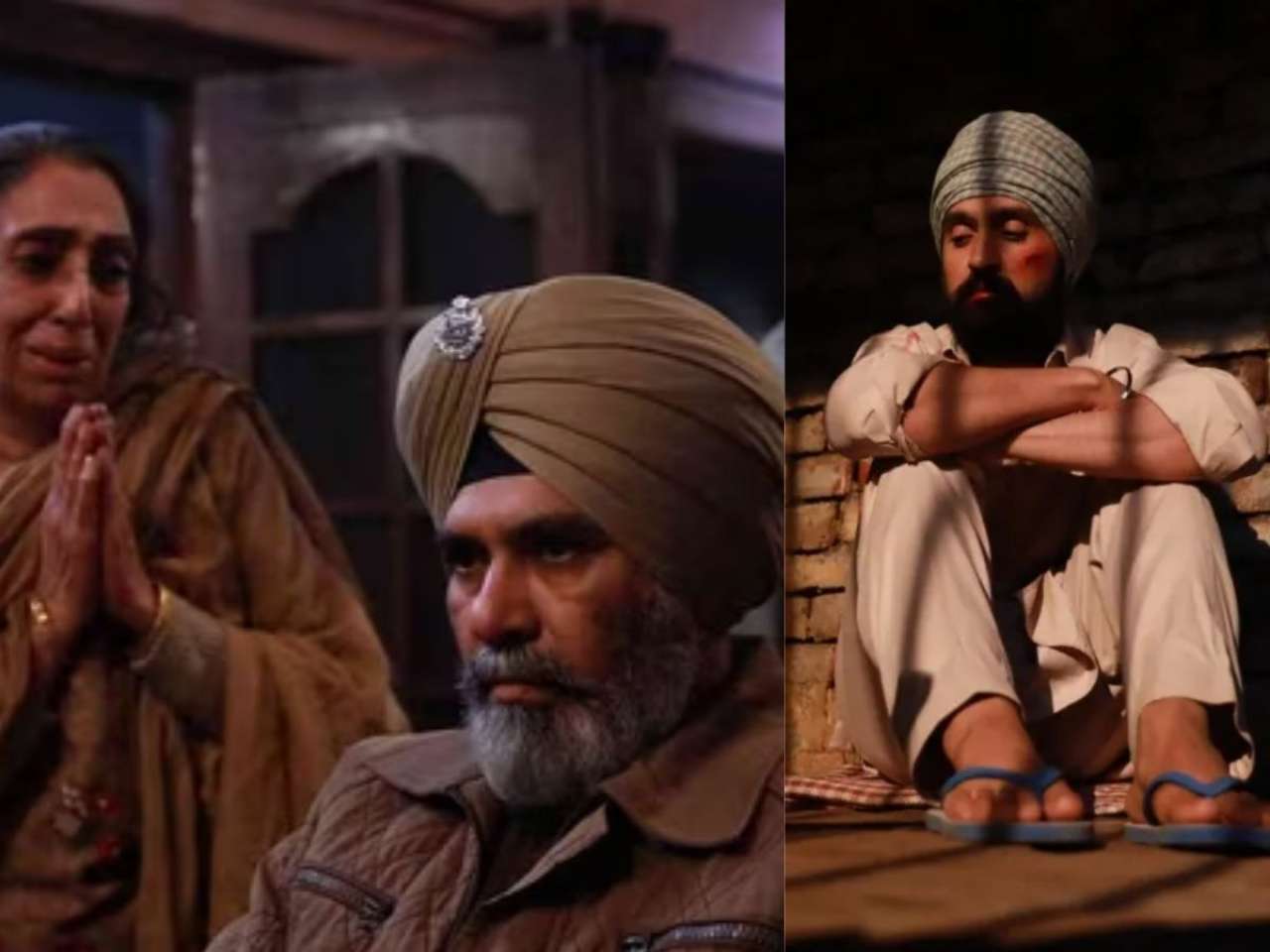
The Unforeseen Digital Ban and the Rise of "Seva" Screenings
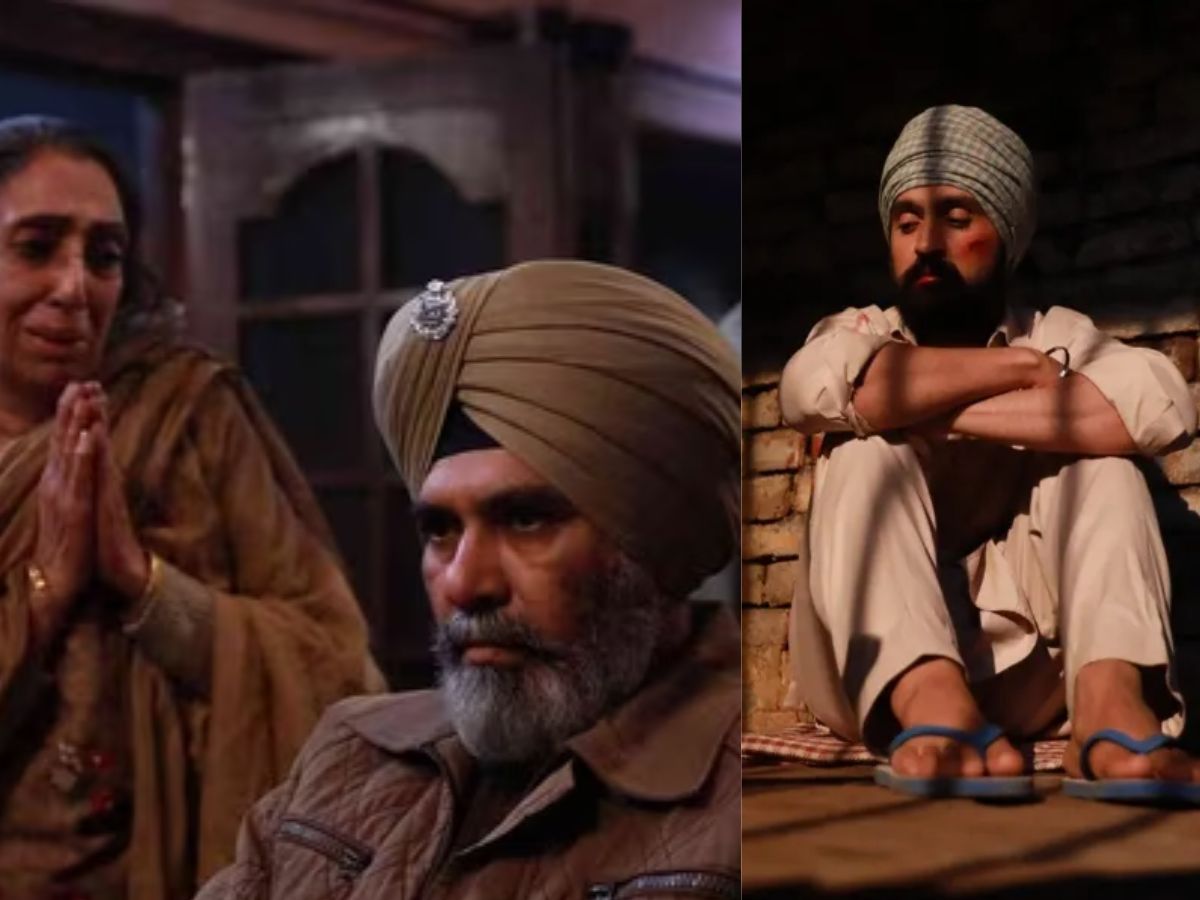
Suvinder Vicky, a prominent actor in the film, has spoken out about the profound disappointment surrounding the film’s sudden removal from ZEE5. He revealed to NDTV that the digital blackout has inadvertently sparked an unprecedented community-driven initiative. "I have heard that people are bringing projectors to Punjabi villages and setting up screenings," Vicky shared, his voice laced with emotion. "People are treating this movie in the same manner as they serve langar or chabeel at Gurpurab. That really moves me."
)
This profound sentiment of "seva," or selfless service, underscores the deep connection many in Punjab feel with the narrative presented in "Satluj." The film, which reportedly delves into sensitive socio-political themes, has clearly resonated with audiences to the extent that they are willing to go to extraordinary lengths to ensure its accessibility, bypassing official channels in a powerful display of popular will. The act of screening the film as "seva" transforms a potentially controversial cinematic release into a communal event, emphasizing shared values and the importance of disseminating stories that matter to the community.

A History of Censorship: The Arduous Path of "Satluj"
The journey of "Satluj" from its conception to its digital release, and subsequent ban, has been fraught with significant challenges, primarily stemming from censorship. The film’s narrative appears to have touched upon themes that the authorities deemed sensitive, leading to prolonged scrutiny and demands for extensive alterations.
)
The CBFC Imbroglio: 127 Cuts and a Legal Battle
Initially, the film, then titled "Punjab 95," faced an overwhelming demand for 127 cuts from the Central Board of Film Certification (CBFC). This extensive list of proposed alterations highlighted the significant reservations the censor board had regarding the film’s content. The filmmakers, unwilling to compromise the integrity of their vision, found themselves in a protracted legal battle. Director Honey Trehan filed a lawsuit against the CBFC’s decision, leading to an indefinite postponement of the film’s theatrical release. This period of legal deadlock underscored the deep chasm between the filmmakers’ artistic intent and the regulatory framework governing content in India.
)
The OTT Loophole and a Fleeting Digital Release
After nearly four years of grappling with the CBFC and facing a stalled theatrical release, the producers explored an alternative avenue for distribution. By renaming the film "Satluj," and strategically targeting Over-The-Top (OTT) platforms, they sought to circumvent the stringent censorship regulations that apply to theatrical releases. OTT platforms, operating under different regulatory guidelines, offered a potential pathway to reach audiences without the extensive cuts mandated by the CBFC. This maneuver led to the film’s discreet debut on ZEE5, a move that initially seemed to bypass the censorship hurdles. However, this brief period of digital accessibility proved to be short-lived.
)
Government Directives and the "Security Concerns"
The reprieve granted by the digital release was abruptly halted by government intervention. Citing "security concerns" and an alleged disregard for "established intermediate norms," a government official, speaking to PTI, confirmed that Zee was compelled to withdraw the movie from its platform. The vagueness of the "security concerns" and "intermediate norms" has fueled speculation and raised questions about the true motivations behind the ban, particularly given the film’s sensitive subject matter. This swift government directive highlights the significant influence of official bodies in shaping the dissemination of cultural content, even on private digital platforms.
)
Suvinder Vicky on Set: A Crucible of Intense Focus and Artistic Dedication
Beyond the censorship battles and digital bans, actor Suvinder Vicky offered a glimpse into the creative process behind "Satluj," particularly his collaboration with lead actor and producer Diljit Dosanjh. Vicky, who portrays the character of SSP Sugga, described a remarkably professional and intensely focused atmosphere on set.
)
Shunned Small Talk, Embraced Immersion
Vicky revealed that both he and Diljit Dosanjh made a conscious decision to minimize casual conversation on set, a move aimed at fostering complete immersion in their respective roles. "In order to stay fully immersed in their respective roles, both actors absolutely shunned small talk on a wonderfully calm and professional set," Vicky explained. This dedication to craft, to embodying their characters with an unwavering focus, speaks volumes about the seriousness with which they approached the project. The absence of extraneous chatter allowed for a deeper concentration on the emotional and psychological nuances required for their performances.
)
Praising Dosanjh’s Unwavering Commitment
Vicky’s admiration for Diljit Dosanjh was palpable. He lauded Dosanjh’s commitment to the film, referring to him as a "true artist." This praise suggests that Dosanjh was not merely an actor in the project but a deeply invested contributor, driven by a passion for the story and its message. The collaborative spirit, characterized by mutual respect and a shared dedication to artistic excellence, appears to have been a cornerstone of the filming experience, despite the external challenges the film would later face.
)
Implications and the Power of the People
The banning of "Satluj" and the subsequent grassroots screenings have significant implications, highlighting the evolving dynamics between content creators, regulatory bodies, and the audience in the digital age.
)
The Resilience of Storytelling
The act of villagers organizing "seva" screenings demonstrates the inherent resilience of storytelling and the deep-seated desire of communities to engage with narratives that reflect their experiences or address their concerns. Even when official channels are blocked, the human impulse to share and experience stories finds a way. This phenomenon underscores the limitations of censorship in truly silencing a compelling narrative, especially in a connected world where digital dissemination, however informal, can still occur.
)
A Test Case for Freedom of Expression
"Satluj’s" journey serves as a potent case study for the ongoing debate surrounding freedom of expression in India. The film’s struggle with censorship and its subsequent digital ban raise critical questions about the scope of artistic freedom, the criteria for deeming content a "security concern," and the potential for subjective interpretation of "established intermediate norms." The government’s intervention, even if justified by official reasoning, casts a shadow over the space for critical and potentially controversial narratives in mainstream entertainment.
)
The Evolving Role of OTT Platforms
The incident also underscores the evolving role and responsibility of OTT platforms in India. While these platforms have democratized content distribution and offered alternatives to traditional media, they are not entirely immune to external pressures. The swift withdrawal of "Satluj" from ZEE5, allegedly under government directives, suggests a complex interplay of commercial interests, regulatory compliance, and potential political considerations that platform providers must navigate.
)
The Unstoppable Spirit of Punjab
Ultimately, the story of "Satluj" and its village screenings is a testament to the indomitable spirit of Punjab. In the face of adversity and censorship, the people have found a way to reclaim their narrative, transforming a cinematic work into an act of communal service and cultural affirmation. The "seva" screenings are not just about watching a film; they are about preserving a story, fostering dialogue, and asserting the right to access and share information, even when official channels attempt to impose silence. The echoes of projectors in Punjabi villages serve as a powerful reminder that the desire for authentic storytelling, when deeply felt, can overcome even the most formidable barriers.
