

New Delhi, India – July 8, 2026 – A wave of disappointment and a complex mix of emotions has swept through the artistic community following the abrupt removal of the biographical drama "Sutlej" from the Indian streaming platform ZEE5, a mere 48 hours after its global debut. The film, which chronicles the life and activism of the late Jaswant Singh Khalra, a prominent human rights defender who fearlessly exposed alleged extrajudicial killings and unlawful cremations in Punjab during the turbulent militancy era of the 1980s and 1990s, has found itself at the center of a regulatory storm. While the movie has been made available to audiences worldwide, its sudden disappearance from the Indian digital landscape has prompted a heartfelt reaction from co-star Geetika Vidya, who articulated a sentiment of hope that is "both fulfilled and unfinished."
The Heartbreak of a Divided Release: Geetika Vidya’s Poignant Statement
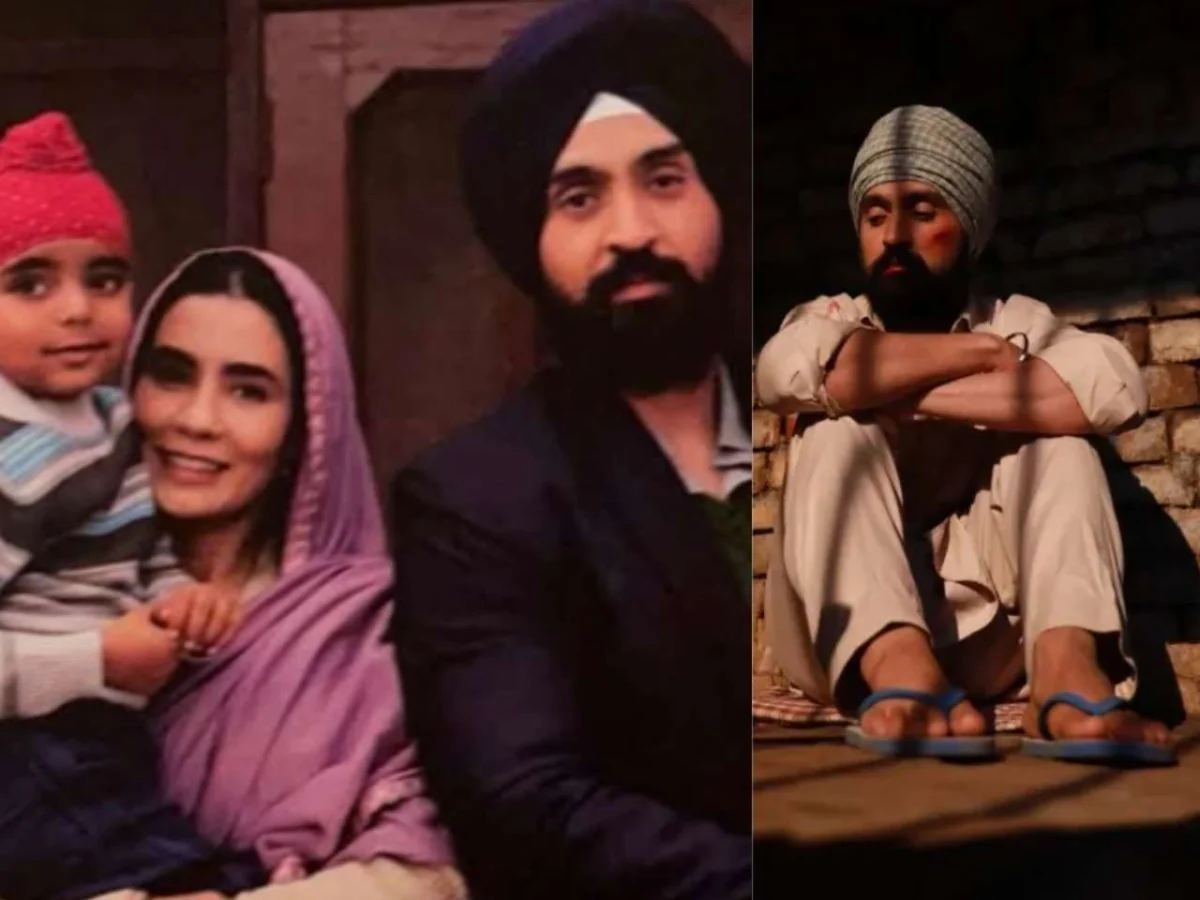
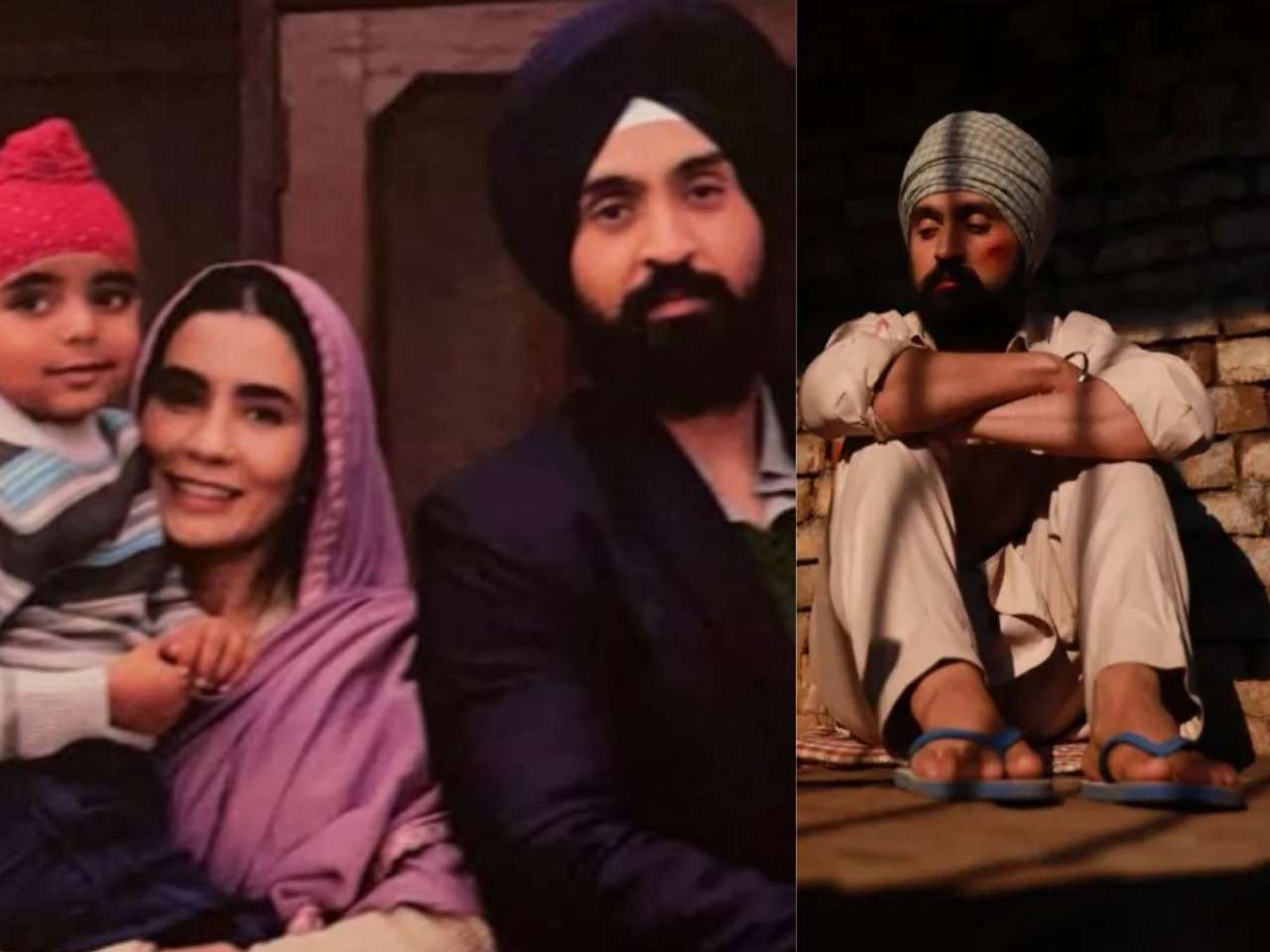
Geetika Vidya, who portrays Bibi Paramjit in "Sutlej," took to social media to express her profound feelings about the film’s bifurcated release. In an Instagram post accompanied by a poignant behind-the-scenes photograph featuring herself, two young actors, and the film’s lead, Diljit Dosanjh, Vidya reflected on the arduous journey of bringing "Sutlej" to fruition.
"For four years, we carried this film quietly in our hearts, hoping for the day we could finally share it with you," Vidya wrote, her words resonating with the dedication and passion invested by the entire cast and crew. She poignantly described the current situation as a hope that feels "both fulfilled and unfinished." This sentiment encapsulates the bittersweet reality: the film’s narrative, inspired by the courage of Jaswant Singh Khalra, is reaching audiences across the globe, thereby fulfilling a part of the filmmakers’ vision. However, its inability to be accessed by the very audience it aims to inform and provoke thought within India leaves a significant void, an unfinished chapter in its intended dissemination.
Vidya also lauded the unwavering tenacity of director Honey Trehan, whose vision and perseverance were instrumental in navigating the challenges inherent in producing such a socially relevant and potentially contentious film. Her message concluded with a powerful call to action, echoing the spirit of Jaswant Singh Khalra himself: "#challengethedarkness." This hashtag serves as a potent reminder of the film’s core message – the imperative to confront injustice and shed light on suppressed truths, even in the face of adversity.
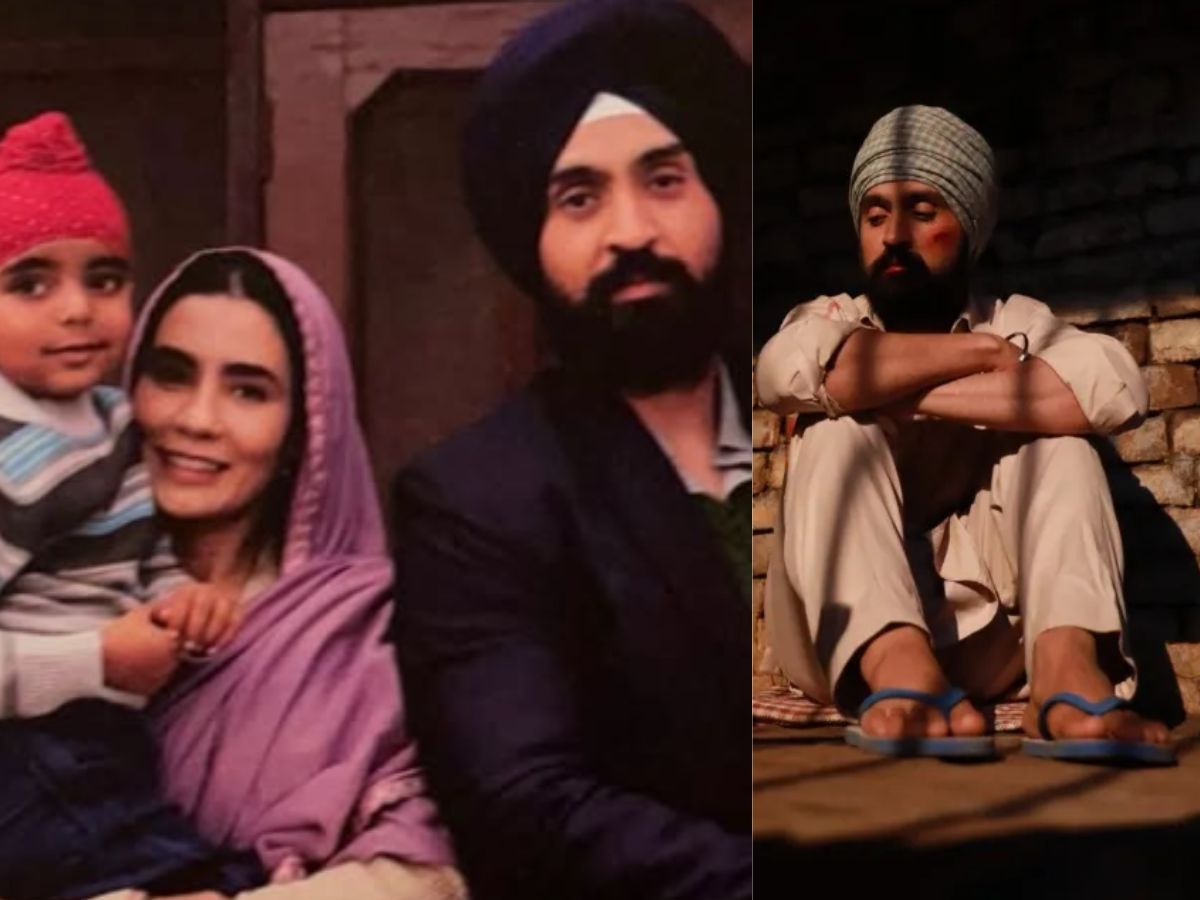)
The accompanying Instagram post, a visual testament to the collaborative spirit behind "Sutlej," likely showcases moments of intense dedication, shared vision, and the camaraderie that often binds artists together during the creative process. The presence of young actors in the photograph further emphasizes the film’s potential to educate and inspire future generations about the sacrifices made for truth and justice.
Unraveling the Controversy: The Sudden Withdrawal from ZEE5
The swift removal of "Sutlej" from ZEE5, a popular Over-The-Top (OTT) platform, has ignited a fervent debate surrounding film censorship, regulatory oversight, and the freedom of artistic expression in India. The film, which premiered on ZEE5 on July 3, 2026, was taken down by July 5, a mere 48 hours later, leaving many viewers and industry observers bewildered and concerned.

The official explanation for the film’s abrupt discontinuation points to alleged procedural irregularities and a lack of proper certification. According to sources within the Union Ministry of Information and Broadcasting, the producers of "Sutlej" are accused of circumventing the standard regulatory processes mandated for film releases. A government official, speaking on condition of anonymity, stated that the film was released on an OTT platform under a different title, purportedly to bypass the requirement of obtaining a theatrical accreditation certificate. This maneuver, it is alleged, did not comply with the established guidelines.
Consequently, the government reportedly issued instructions to ZEE5 to immediately remove the film from its Indian library. This action has raised critical questions about the Ministry’s interpretation of existing regulations and the implications for films that tackle sensitive historical and social issues. The requirement for theatrical certification, even for direct-to-OTT releases, and the mechanisms for its waiver or alternative certification are central to this controversy.
)
"Sutlej": A Tribute to Jaswant Singh Khalra’s Enduring Legacy
At its core, "Sutlej" is a biographical drama dedicated to the memory and activism of Jaswant Singh Khalra. Khalra was a human rights activist who, driven by a profound sense of justice, embarked on a perilous investigation into the alleged disappearances and extrajudicial killings that plagued Punjab during the peak of its militancy crisis. His relentless pursuit of truth led him to uncover evidence of mass graves and systematic human rights abuses, shedding light on a dark chapter of Indian history that many sought to keep buried.
Khalra’s work was not without immense personal cost. He faced threats, intimidation, and ultimately, his life was tragically cut short under mysterious circumstances in 1995. His legacy, however, continues to inspire those who champion human rights and demand accountability from state apparatuses. "Sutlej," therefore, aims to bring Khalra’s story to a wider audience, highlighting his courage, his commitment to justice, and the enduring relevance of his fight against state-sponsored violence and suppression.
)
The film’s narrative likely delves into Khalra’s personal journey, his motivations, the challenges he encountered, and the profound impact of his revelations. By focusing on his life, the filmmakers seek to humanize the struggle for justice and underscore the importance of individual action in challenging systemic injustices. The inclusion of actors like Diljit Dosanjh, a prominent figure in Punjabi cinema and music known for his engagement with socio-political themes, further amplifies the film’s potential reach and impact.
Chronology of Events: A Rapid Escalation
The timeline surrounding the "Sutlej" controversy is marked by a rapid escalation of events, from its anticipated release to its sudden withdrawal:
)
- Early 2026 (Pre-Release): Production and post-production of "Sutlej" are completed after approximately four years of dedicated work by the cast and crew. The film’s thematic content, dealing with sensitive historical events and a controversial activist, suggests a deliberate approach to its release strategy.
- July 3, 2026: "Sutlej" premieres on the Indian OTT platform ZEE5. The release is likely anticipated by a segment of the audience aware of the film’s subject matter and its prominent lead.
- July 5, 2026 (48 Hours Post-Release): ZEE5 abruptly removes "Sutlej" from its Indian library. This action is reportedly prompted by directives from the Union Ministry of Information and Broadcasting.
- July 6-7, 2026: News of the film’s removal and the reasons cited by the Ministry begin to circulate, sparking discussions and reactions from the media, film fraternity, and the public.
- July 7, 2026: Co-star Geetika Vidya posts an emotional statement on social media, expressing her disappointment and the complex emotions associated with the film’s divided release.
This compressed timeline underscores the swift and decisive nature of the regulatory action, leaving little room for dialogue or clarification before the film was taken offline for Indian viewers.
Supporting Data and Context: The Landscape of Film Censorship in India
The incident involving "Sutlej" is not an isolated event but occurs within the broader context of film censorship and content regulation in India. The Central Board of Film Certification (CBFC), often referred to as the Censor Board, plays a crucial role in deciding whether a film can be publicly exhibited in India. Films are typically required to obtain a certificate from the CBFC before their release in cinemas.
)
However, the burgeoning OTT platform landscape has presented new challenges and complexities for regulators. While the Information Technology (Intermediary Guidelines and Digital Media Ethics Code) Rules, 2021, aim to regulate content on digital platforms, the application and interpretation of these rules, especially concerning films that have not undergone traditional theatrical certification, are still evolving.
The official statement regarding "Sutlej" suggests that the producers may have utilized a loophole or an alternative release strategy that did not align with the Ministry’s understanding of regulatory compliance. The mention of releasing the film under a "different title" and bypassing "theatrical accreditation" points towards a potential attempt to expedite the release on OTT without fulfilling certain pre-release procedural requirements that the Ministry deems mandatory.
)
The fact that the film was available globally but banned in India raises questions about the extraterritorial reach of Indian censorship laws and the differing regulatory frameworks that apply to international versus domestic distribution. It also highlights the potential for a film with a critical social or political message to face greater scrutiny within its country of origin.
Official Responses and Broader Implications
The official response from the Union Ministry of Information and Broadcasting, as reported, emphasizes adherence to regulatory procedures and the need for proper certification. The statement suggests that the government is committed to ensuring that all content released on digital platforms complies with established guidelines.
)
However, this incident carries significant broader implications:
- Freedom of Expression: The removal of "Sutlej" raises concerns about the boundaries of freedom of expression in India, particularly for films that address sensitive historical events or critique state actions. Activists and artists often argue that such films are crucial for fostering public discourse and holding power accountable.
- Regulatory Clarity: The controversy highlights the need for greater clarity and transparency in the regulatory framework governing OTT releases in India. Ambiguities in the rules can lead to arbitrary decisions and stifle creative output.
- Impact on Filmmakers: For filmmakers, such incidents can create an environment of uncertainty and self-censorship, as they may become hesitant to tackle controversial subjects for fear of facing similar repercussions.
- Audience Access: The ban denies Indian audiences the opportunity to engage with a film that aims to shed light on a significant aspect of their history and the sacrifices of a prominent human rights activist. This can lead to a curated or incomplete understanding of important national narratives.
- Global vs. Domestic Release: The disparity between the film’s global availability and its ban in India underscores a potential double standard and raises questions about how such content is perceived and regulated differently based on the target audience.
The call to "#challengethedarkness" by Geetika Vidya, in this context, transcends the film itself. It becomes a rallying cry for open discourse, for the unhindered pursuit of truth, and for the right of citizens to access stories that inform, provoke, and ultimately, contribute to a more just and informed society. The "fulfilled and unfinished" hope articulated by Vidya perfectly encapsulates the ongoing struggle to ensure that narratives of courage and justice can be fully shared and embraced, both within India and across the world. The "Sutlej" controversy serves as a stark reminder of the delicate balance between artistic freedom, regulatory oversight, and the public’s right to know.
