Mumbai, India – The monumental cinematic adaptation of the ancient Indian epic, "Ramayana: Part One," has etched its name in the annals of Indian cinema history. Directed by the acclaimed Nitesh Tiwari, the film, featuring a stellar cast led by Ranbir Kapoor as Lord Rama, Sai Pallavi as Sita, and Yash as the formidable Ravana, has achieved an unprecedented feat, crossing the ₹1500 crore mark at the global box office within a mere 14 days of its release. This colossal achievement positions the film as the fifth highest-grossing Indian movie of all time, a testament to its overwhelming popularity and the successful reimagining of a timeless tale for a modern audience.
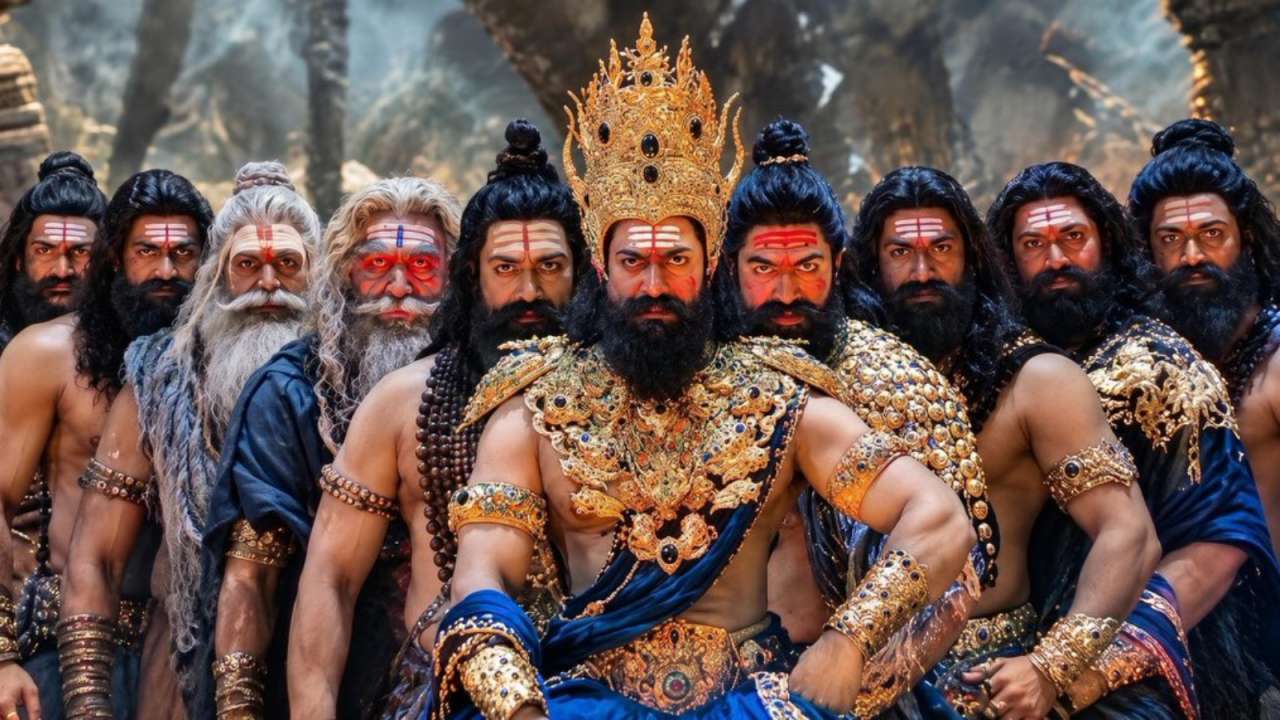
The epic drama, which premiered during the auspicious Diwali season of 2026, has not only captivated domestic audiences but also garnered immense international acclaim. Its grand scale, breathtaking visual effects, and a faithful yet engaging cinematic retelling of the revered epic have resonated deeply with viewers across the globe. As of Wednesday, November 18th, the film’s worldwide gross collections have soared past the ₹1500 crore milestone, solidifying its status as a cultural phenomenon and a commercial juggernaut.
A Box Office Phenomenon: Unprecedented Growth and Historical Context

The success of "Ramayana: Part One" can be measured not just in its financial figures, but also in its rapid ascent up the all-time highest-grossing Indian films list. In just 13 days, the film had already amassed an impressive ₹820.95 crore net in India and ₹1483.10 crore worldwide. The 14th day saw a further surge, with an estimated ₹20 crore net added to its domestic earnings, pushing the total Indian net collection beyond ₹840 crore and the worldwide gross figures to a remarkable ₹1500 crore.

This phenomenal performance places "Ramayana: Part One" in the elite company of only a handful of Indian films that have achieved such widespread commercial success. It now stands proudly behind only a select few titans of Indian cinema: "Dangal," "Dhurandhar 2," "Baahubali 2: The Conclusion," and "Pushpa 2: The Rule." The film has already surpassed the worldwide collections of other major blockbusters such as "Dhurandhar," "Pathaan," "Jawan," "KGF Chapter 2," and "RRR," underscoring its extraordinary impact on the global box office landscape.

A Cinematic Masterpiece: Nitesh Tiwari’s Vision and Star-Studded Ensemble

The directorial prowess of Nitesh Tiwari is undeniable in "Ramayana: Part One." His ability to translate the intricate narrative and profound themes of the epic onto the silver screen, while maintaining a pace that enthralls a contemporary audience, has been widely lauded. The film’s visual grandeur is a spectacle in itself, with meticulously crafted sets, awe-inspiring special effects, and stunning cinematography that brings the mythical world of Ayodhya and Lanka to life.

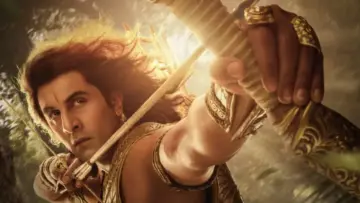
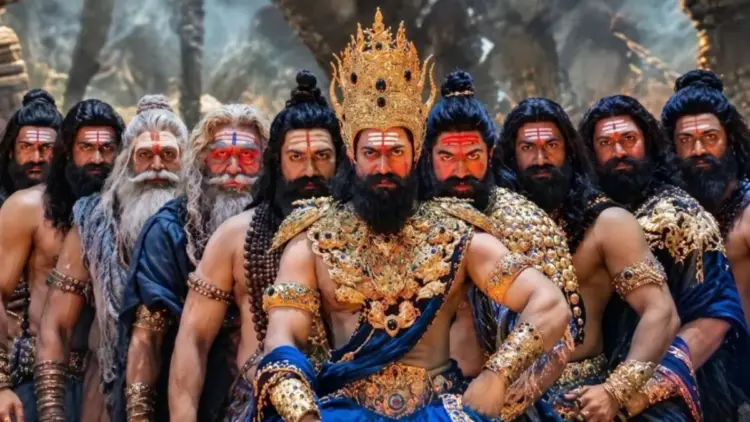
Complementing Tiwari’s vision is an ensemble cast that breathes life into the iconic characters. Ranbir Kapoor delivers a nuanced and powerful performance as Lord Rama, embodying the character’s virtues of righteousness, compassion, and courage. Sai Pallavi, as Sita, brings grace and strength to the pivotal role, portraying her resilience and unwavering devotion. The casting of Yash as Ravana has been a masterstroke, with the actor imbuing the antagonist with a compelling charisma and a formidable presence that challenges simplistic portrayals.

The supporting cast is equally impressive, adding depth and gravitas to the narrative. Sunny Deol as the mighty Hanuman, Ravi Dubey as the loyal Lakshman, Arun Govil as the wise Dashratha, and Lara Dutta as the complex Kaikeyi, among many others, have all delivered performances that have been critically acclaimed. The film also features Rakul Preet Singh as Surpanakha, Vivek Oberoi as Vidyutjihva, Kunal Kapoor as Lord Indra, Sheeba Chadha as Manthara, Indira Krishnan as Kaushalya, and Anupam Kher as Jatayu, each contributing to the rich tapestry of the Ramayana saga. The sheer scale of the cast and the caliber of their performances have undoubtedly played a crucial role in the film’s overwhelming success.

The Genesis of a Blockbuster: Production and Future Prospects

"Ramayana: Part One" is a collaborative endeavor, produced by Namit Malhotra’s Prime Focus Studios in association with the eight-time Oscar-winning visual effects company DNEG, and Yash’s Monster Mind Creations. This confluence of creative and technical expertise has resulted in a film that sets new benchmarks for visual storytelling in Indian cinema.

The ambition of the project is further highlighted by its planned two-part release. While "Part One" made its grand debut during Diwali 2026, the anticipation for "Part Two" is already palpable. Scheduled for release during Diwali 2028, the second installment promises to continue the epic journey, building upon the foundation laid by its predecessor. The strategic spacing between the releases allows audiences to fully immerse themselves in the narrative and the world created, while also providing ample time for the extensive post-production work required for such a grand spectacle.

Adding another layer of prestige to the project is the musical collaboration between two titans of the global music industry: Oscar-winning composers AR Rahman and Hans Zimmer. Their combined musical genius is expected to further elevate the cinematic experience, providing a powerful and evocative soundtrack that complements the epic scale and emotional depth of the Ramayana.

Implications and the Future of Epic Storytelling in India

The unprecedented success of "Ramayana: Part One" carries significant implications for the Indian film industry. It reaffirms the enduring power of Indian mythology and epics as compelling source material for blockbuster cinema. The film’s global appeal suggests a growing appetite for culturally rich narratives that are presented with high production values and universal themes.

Furthermore, the film’s box office performance is likely to encourage more ambitious and large-scale productions in the future. Producers and filmmakers may be emboldened to invest in projects that explore Indian heritage and mythology with a similar level of dedication to storytelling, visual effects, and star power. The success of "Ramayana: Part One" also validates the trend of creating cinematic universes and multi-part sagas, which have proven to be highly successful in engaging audiences over extended periods.

The film’s ability to transcend regional and linguistic barriers, achieving such widespread success across India and internationally, is a testament to the universal appeal of the Ramayana story. It demonstrates that when a classic narrative is reimagined with contemporary cinematic techniques and a commitment to quality, it can resonate with audiences from diverse backgrounds.

As "Ramayana: Part One" continues its triumphant run, it not only celebrates a remarkable box office achievement but also heralds a new era for epic storytelling in Indian cinema, proving that the ancient tales of India hold immense power to captivate and inspire audiences worldwide. The anticipation for "Part Two" is now at an all-time high, as audiences eagerly await the next chapter of this monumental cinematic saga.