

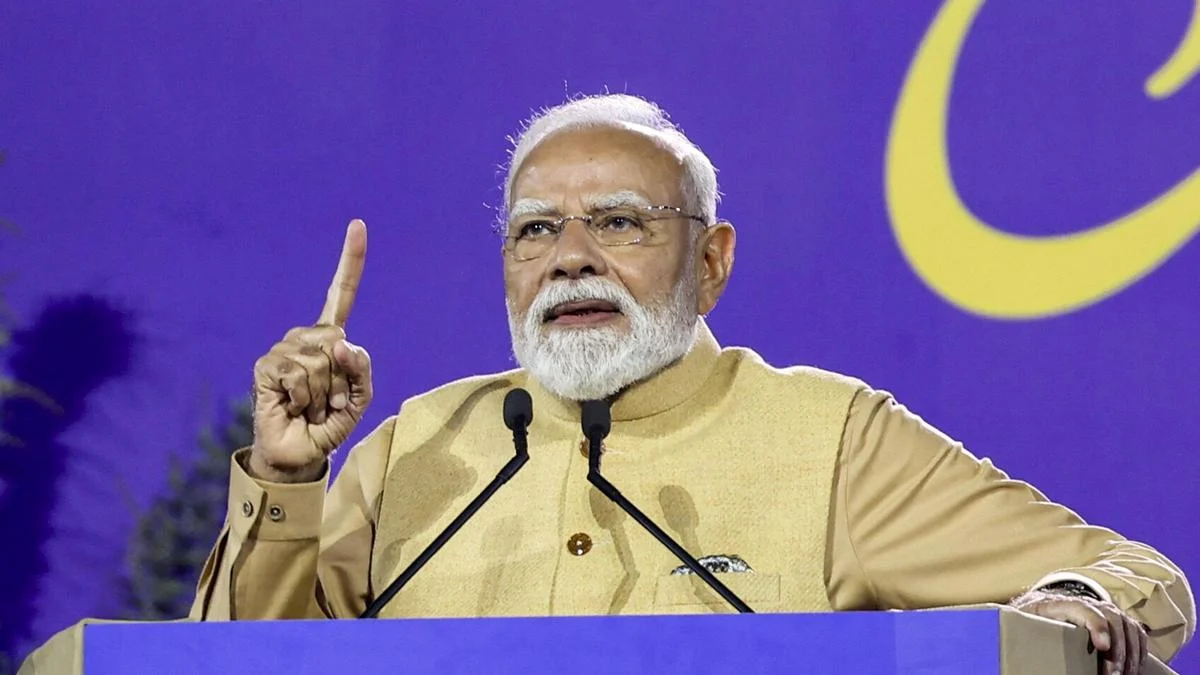
Melbourne/New Delhi – July 9, 2026 – In a significant development poised to reshape India’s digital landscape for its youth, Prime Minister Narendra Modi today offered the clearest indication yet that his government is seriously contemplating imposing stringent restrictions on social media access for teenagers. Speaking during a bilateral visit to Australia, Prime Minister Modi lauded Australia’s recent legislation banning social media for minors, signaling a potential paradigm shift in India’s approach to online safety.
"I have followed you closely, and the way you have legislated and worked to protect society in IT and social media is inspiring the world," Mr. Modi remarked to Australian Prime Minister Anthony Albanese in comments open to the press. This high-profile endorsement of Australia’s Online Safety Amendment (Social Media Minimum Age) Act, 2024, underscores a growing global consensus among policymakers regarding the detrimental impact of unregulated digital engagement on adolescent mental health and development.
The Union government, primarily through the Ministry of Electronics and Information Technology (MeitY), has been engaged in active discussions to formulate a "graded" set of restrictions. These proposed measures aim to regulate social media access and content categories based on the age cohort of a minor, moving beyond a blanket ban towards a more nuanced, yet firm, regulatory framework. This move places India firmly within a burgeoning international trend where governments are increasingly intervening to safeguard young populations from the perceived harms of the digital realm.
The Australian Precedent: A Blueprint for Digital Safeguards
Australia’s Online Safety Amendment (Social Media Minimum Age) Act, 2024, which came into effect earlier this year, represents a landmark legislative effort designed to erect robust digital barriers for its youngest citizens. The Act mandates that social media platforms actively detect and block access for individuals below the age of 16. This pioneering legislation emerged from years of intense public debate, growing parental anxieties, and compelling evidence presented by mental health experts highlighting the adverse effects of early and unrestricted social media exposure.
The Australian government’s motivation was multifaceted, driven by concerns ranging from cyberbullying and exposure to inappropriate or harmful content to the documented rise in anxiety, depression, and body image issues among adolescents. The Act places the onus squarely on social media companies to implement stringent age verification technologies and content moderation systems, holding them accountable for the digital well-being of young users. Its implementation has not been without challenges, sparking discussions around privacy, the efficacy of age verification, and the potential for circumvention. Nevertheless, its passage marked a definitive step by a major developed nation to assert governmental control over a previously unregulated digital frontier for minors, serving as a powerful global exemplar.
India’s Deliberation: A Graded Approach to Digital Age Limits
While Prime Minister Modi’s remarks indicate a strong inclination towards mirroring Australia’s protective stance, MeitY officials have suggested that India’s approach might involve a "graded set of restrictions." This nuanced strategy could involve varying levels of access or content filtering depending on a child’s age. For instance, younger adolescents might face stricter content limitations and fewer platform choices, while older teenagers could have access to certain platforms but with specific safeguards or parental oversight features.
This "graded" model signifies a careful balancing act. It acknowledges the potential benefits of digital literacy and controlled online engagement, particularly for educational and informational purposes, while simultaneously addressing the imperative to shield children from explicit content, online predation, and the pervasive pressures of social media. The specifics of these "grades" – which age groups would fall into which categories, what content would be restricted, and how these restrictions would be technically enforced – are currently subjects of intensive internal deliberation within MeitY. Experts suggest this could involve a combination of self-declaration, parental consent mechanisms, and sophisticated AI-driven content analysis tools, all within a robust legal framework.
Chronology of India’s Digital Safety Discourse
The seed for India’s current contemplation of social media restrictions for minors was sown much earlier, gradually gaining momentum amidst rising global and domestic concerns.
Early Signals from the IT Ministry
The most direct official acknowledgement of India’s deliberations came from IT Minister Ashwini Vaishnaw. During a press conference at the AI Impact Summit in February, Mr. Vaishnaw openly confirmed that discussions were underway regarding age-based restrictions on social media. "It’s a problem which is growing day by day," Mr. Vaishnaw stated, underscoring the urgency of the situation. "And certainly there is a need for protecting our children, protecting our society from these harms… we are in a conversation regarding age-based restrictions with the various social media platforms and… the right way to go about this." His remarks highlighted the government’s recognition of the escalating crisis and its proactive engagement with stakeholders, including the platforms themselves, to find a viable and sustainable solution.
State Initiatives and Jurisdictional Nuances
Further accelerating the national conversation, several State governments independently moved to address the issue. In April, both Andhra Pradesh and Karnataka announced their intentions to pursue their own laws regulating children’s social media use. Andhra Pradesh, in particular, issued a statement confirming that "Officials have been tasked with studying best practices from countries such as Singapore, Australia, and Denmark to build a robust legal and technological framework [to enforce the law] tailored to India’s needs."
However, this flurry of state-level activity introduces a critical jurisdictional dilemma. Regulating the internet is predominantly a Union subject, falling under the purview of MeitY. While states can propose and even pass laws, their enforceability and constitutional validity would likely be challenged if they conflict with Union legislation or policy. This dynamic suggests that while state initiatives signal widespread concern and can inform national policy, the ultimate authority and comprehensive framework for social media regulation will almost certainly emanate from the Union government. The un-tabled draft laws in Karnataka and Andhra Pradesh reflect this cautious approach, likely awaiting a definitive stance from the Centre.
Supporting Data and Global Context: A Widespread Concern
The impetus behind India’s potential policy shift is not isolated but is part of a burgeoning global movement driven by mounting evidence and widespread public concern over the impact of social media on young minds. Studies from reputable institutions worldwide have increasingly linked excessive social media use among adolescents to a range of negative outcomes, including:

- Mental Health Deterioration: Increased rates of anxiety, depression, self-harm ideation, and loneliness.
- Body Image Issues: Exposure to idealized and often unrealistic portrayals of beauty, leading to dissatisfaction and eating disorders.
- Cyberbullying: The pervasive nature of online interactions makes children vulnerable to harassment and abuse, with severe psychological consequences.
- Sleep Deprivation: Late-night social media use disrupting sleep patterns crucial for adolescent development.
- Reduced Academic Performance: Distraction and addiction leading to decreased focus and engagement in educational activities.
- Exposure to Inappropriate Content: Children inadvertently or intentionally encountering violent, explicit, or extremist material.
Beyond Australia, several other nations and regions have either implemented or are actively exploring similar restrictions. In the United States, states like Utah, Florida, and Arkansas have passed or are debating laws to restrict minors’ access to social media, often requiring parental consent or outright banning access below certain ages. The European Union, through its General Data Protection Regulation (GDPR), already mandates higher standards for data privacy for minors, including parental consent for processing personal data of children under 16, which indirectly impacts how social media platforms operate for young users. This global alignment reinforces the narrative that the problem is systemic and requires a coordinated, legislative response.
Official Responses and Industry Reactions
The prospect of India, with its vast youth population, adopting such a policy has elicited varied responses from government functionaries and the tech industry alike.
The Government’s Stance
Prime Minister Modi’s explicit praise for Australia’s law leaves little doubt about the Union government’s serious intent. MeitY’s ongoing consultations with social media platforms and its exploration of a "graded" system indicate a deliberate and structured approach. The primary legislative pathway remains ambiguous: whether the government will introduce an entirely new law in Parliament or implement amendments to the existing Information Technology (Intermediary Guidelines and Digital Media Ethics Code) Rules, 2021. The latter, an executive decree, would allow for quicker implementation but might face less public debate than a new parliamentary law. Given the precedent set by the IT Rules, 2021, which have been instrumental in regulating AI-generated content labeling and other digital norms, amending these rules could be a swift method for the government to introduce new age-based restrictions. Regardless of the mechanism, the underlying message is clear: the government views the protection of children online as a paramount responsibility that necessitates decisive action.
Social Media Platforms on Notice
For global tech giants like Meta, which operates Facebook, Instagram, and WhatsApp, the prospect of such bans in a market as crucial as India presents significant operational and ethical challenges. Meta, in an April statement, indicated it would "comply with social media bans where they are enforced," a pragmatic stance reflecting its global operations. However, the company also expressed reservations, suggesting that such measures "may not be the best to tackle the issue of children’s wellbeing online."
Platforms face formidable hurdles in implementing age verification at scale, especially in a diverse country like India where official identification documents for minors may not be universally available or easily verifiable digitally. Companies would need to invest heavily in advanced AI and machine learning tools, potentially integrating with national identity systems (like Aadhaar) or developing robust parental consent frameworks. There are also concerns about privacy implications, the potential for digital black markets for fake IDs, and the inevitable circumvention attempts by tech-savvy minors. The industry largely advocates for a multi-stakeholder approach that combines parental guidance, digital literacy education, and platform safety features, rather than outright bans which they argue might push young users to less regulated, more dangerous corners of the internet.
Implications and Future Outlook
The potential implementation of social media restrictions for minors in India carries far-reaching implications, sparking a vigorous debate among various stakeholders.
Digital Rights and Free Expression Concerns
Digital rights advocacy groups, such as the Internet Freedom Foundation (IFF), have voiced strong opposition to a total ban, characterizing it as an "extreme step." IFF argues that social media, while problematic, also offers avenues for civic participation, learning, and self-expression for young people. "When a playground is unsafe, we make efforts to fix the equipment, ensure appropriate guardrails, and prioritise safety as opposed to banning the use of the playground entirely," IFF stated, advocating for a focus on making the internet a safer place through digital literacy, robust safety features, and effective grievance redressal mechanisms, rather than simply blocking access. They contend that a ban could stifle young voices, limit access to information, and potentially exacerbate a digital divide, especially for those who rely on online platforms for educational resources or community building. Furthermore, there are concerns about the precedent such a ban might set for broader internet censorship and surveillance.
Enforcement Challenges and Societal Impact
The practicalities of enforcing age restrictions in India are complex. How would age verification be implemented effectively and equitably across a population of over a billion, many of whom reside in rural areas with limited digital infrastructure? Reliance on self-declaration is easily circumvented, while mandatory linkage to government IDs like Aadhaar raises significant privacy concerns. Parental consent mechanisms, while ideal, require widespread digital literacy and active parental engagement, which may not be universal. The risk of minors finding ways to bypass these restrictions through VPNs, proxy servers, or using older family members’ accounts is also considerable.
Beyond enforcement, the societal impact would be profound. A generation of digital natives would suddenly find their primary modes of social interaction and information access curtailed. This could lead to a re-evaluation of parenting styles, increased demand for alternative youth engagement activities, and a shift in how schools approach digital education. The long-term effects on India’s digital economy, particularly for platforms that thrive on user engagement, and the innovation landscape, also remain to be seen.
Conclusion: Balancing Protection with Participation
Prime Minister Modi’s unequivocal praise for Australia’s social media ban marks a pivotal moment in India’s digital governance journey. The country stands at a crossroads, grappling with the universal challenge of balancing the undeniable benefits of digital connectivity with the imperative to protect its most vulnerable citizens. The "graded" approach currently being explored by MeitY suggests an attempt to navigate this complex terrain with nuance, aiming to safeguard children without entirely isolating them from the digital world.
As the global discourse around children’s online safety intensifies, India’s eventual policy decision will not only shape the future of its own youth but will also contribute significantly to the evolving international norms for digital regulation. The challenge ahead is to craft a framework that is robust, enforceable, and technologically adaptable, one that effectively shields children from harm while simultaneously empowering them to become responsible and digitally literate citizens of the future. The conversation must extend beyond just bans, encompassing comprehensive strategies for digital education, parental empowerment, and platform accountability, ensuring that the internet remains a tool for growth and connection, rather than a source of anxiety and peril.
