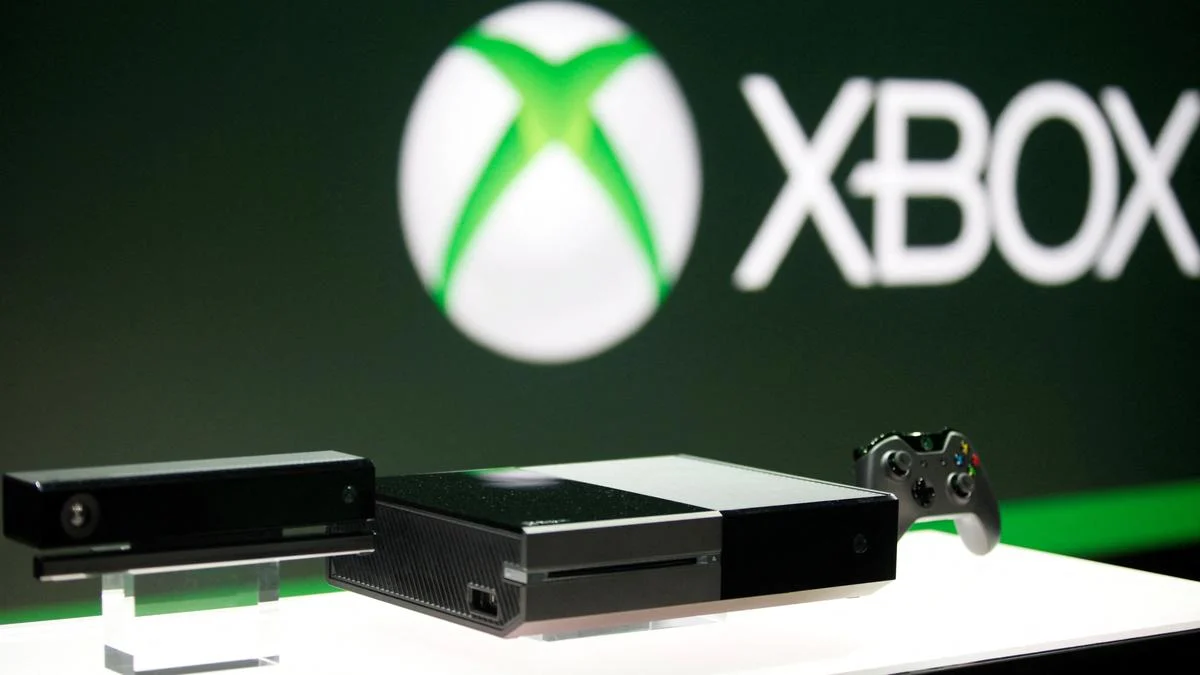
New Delhi, India – July 10, 2026 – Microsoft Corp.’s gaming division, Xbox, appears to be significantly scaling back its operations in India, a move underscored by the departure of its most senior employee in the country, Arjun Varma. Varma, who served as the India lead for Xbox’s Strategic Markets division, is exiting the company as part of Microsoft’s recently announced global headcount reduction. This development follows weeks of persistent unavailability of Xbox hardware in the Indian market and a marked limitation in the quantities of consoles being supplied, signaling a profound re-evaluation of the tech giant’s gaming strategy in the subcontinent.
The strategic retreat comes at a time when Microsoft faces multiple economic headwinds globally, including pressures on its gaming unit. For Xbox specifically, the challenges are compounded in India, a market where Sony’s PlayStation has long enjoyed a considerably larger share of the nascent console gaming segment. The departure of a key figure like Varma, coupled with the tangible reduction in product availability, paints a stark picture of Xbox’s diminishing ambitions in a country often touted as a future growth engine for digital industries.
Unpacking the Retreat: Main Facts of Xbox’s India Shift
The news of Arjun Varma’s departure, confirmed by sources familiar with the development, is not an isolated incident but rather the most visible symptom of a broader strategic pivot by Xbox in India. Varma’s exit is directly linked to Microsoft’s global decision to reduce its workforce by approximately 2%, a move that has reportedly impacted various teams, including Xbox, worldwide. This global recalibration reflects a push towards efficiency and a sharpened focus on core, profitable markets and initiatives.
For the Indian market, Varma’s departure carries particular weight. As the head of Strategic Markets for Xbox in India, he was the primary architect and executor of the brand’s local strategy. His absence leaves a significant void, raising questions about who, if anyone, will oversee Xbox’s dwindling presence in the country. More critically, his exit coincides with a prolonged period during which new Xbox consoles, particularly the latest generation Xbox Series X and Series S, have been notoriously difficult to find at official retail channels. When available, quantities have been severely restricted, suggesting a deliberate policy shift rather than mere supply chain disruptions.
This scaling back marks a notable shift from previous years when Xbox, albeit a distant second to PlayStation, still maintained a visible, if not aggressive, presence. The current situation suggests a significant de-prioritization of India within Xbox’s global strategy, potentially transforming it from a "strategic market" into a less-emphasized territory where operations are maintained at a minimal level, if at all. The underlying reasons are multifaceted, ranging from intense competition and a unique market demographic to global economic pressures and challenges in newer ventures like cloud gaming.
A Timeline of Diminishing Returns: Xbox’s Indian Journey
Xbox’s journey in India has been one of ambition tempered by formidable market realities. While never reaching the dominant heights of its rival, PlayStation, Xbox did attempt to carve out a niche, particularly with its focus on Game Pass and its cloud gaming initiatives.
Early Forays and Persistent Challenges (2000s – Early 2010s): Microsoft first introduced Xbox consoles to India in the early 2000s, but faced an uphill battle. The market was dominated by PC gaming, and the concept of dedicated home consoles was still nascent. High import duties, lack of localized content, and price sensitivity made market penetration difficult. Sony, with its earlier entry and stronger brand recall, quickly established a lead. Xbox struggled to gain significant traction, often lagging behind PlayStation in sales, retail presence, and developer support.
The Game Pass Era and Cloud Gaming Ambitions (Mid-2010s – 2023): In recent years, Xbox shifted its global strategy with the introduction of Xbox Game Pass, a subscription service offering a vast library of games. This model was seen as a potential game-changer for emerging markets like India, where the high cost of individual game purchases could be a barrier. Under leadership like Arjun Varma’s, Xbox actively promoted Game Pass in India.
A significant push came last year with the launch of Xbox’s cloud gaming service, xCloud, in India. This initiative saw Microsoft establish local servers in key cities like Mumbai and Chennai, aiming to allow users to stream their game libraries across various devices, circumventing the need for expensive console hardware. This move was widely perceived as a bold attempt to leapfrog hardware limitations and tap into India’s vast mobile-first internet user base. Varma would have been instrumental in these strategic deployments, working to localize and promote these services.
Signs of Strain and Strategic Re-evaluation (Late 2023 – Early 2026): Despite these efforts, whispers of challenges began to emerge. The adoption rate of cloud gaming in India, while initially promising, did not apparently meet internal expectations. Factors such as inconsistent internet infrastructure outside major urban centers, data costs, and the ingrained preference for free-to-play mobile games presented significant hurdles.
The true signs of a strategic re-evaluation became more apparent in the weeks leading up to Varma’s departure. Reports from retailers indicated a severe shortage of Xbox consoles. Distributors cited limited allocations from Microsoft, a stark contrast to the more consistent supply of PlayStation units. This hardware scarcity, combined with the lack of official communication regarding future stock, fueled speculation about Xbox’s commitment to the Indian market.
The Global Layoffs and Varma’s Exit (July 2026): The culmination of these internal and external pressures manifested earlier this week when Microsoft announced a 2% reduction in its global workforce. While the company did not specify which divisions were impacted, news reports quickly indicated that Xbox was among those affected. This global restructuring provided the backdrop for the internal email from Xbox’s global head, Asha Sharma, on July 6. Sharma reportedly acknowledged that while cloud gaming and other strategic moves had "created meaningful value," they "did not grow at the pace we expected," citing "low margins and losses on game investments."
Just days after these revelations, the news of Arjun Varma’s departure surfaced, cementing the impression that Xbox is undergoing a significant contraction in India. His exit, following the broader corporate restructuring and the specific challenges outlined by Sharma, marks a definitive turning point in Xbox’s operational strategy for the Indian subcontinent.
The Indian Gaming Landscape: A Tough Nut to Crack
Xbox’s struggles in India are deeply rooted in the unique characteristics of the country’s gaming market, which presents a formidable challenge to traditional console manufacturers.
Mobile Gaming’s Unassailable Reign: The most critical factor is the overwhelming dominance of mobile gaming. India is a mobile-first nation, with hundreds of millions of smartphone users. Free-to-play mobile games, often supported by in-app purchases, cater perfectly to the price-sensitive Indian consumer and the widespread availability of affordable smartphones and data plans. Games like PUBG Mobile (and its Indian variant Battlegrounds Mobile India), Free Fire, and Candy Crush have amassed user bases in the tens of millions, dwarfing the combined player count of all console and PC gamers. This ecosystem has fostered a culture where gaming is synonymous with mobile devices, making it difficult for console manufacturers to break through.
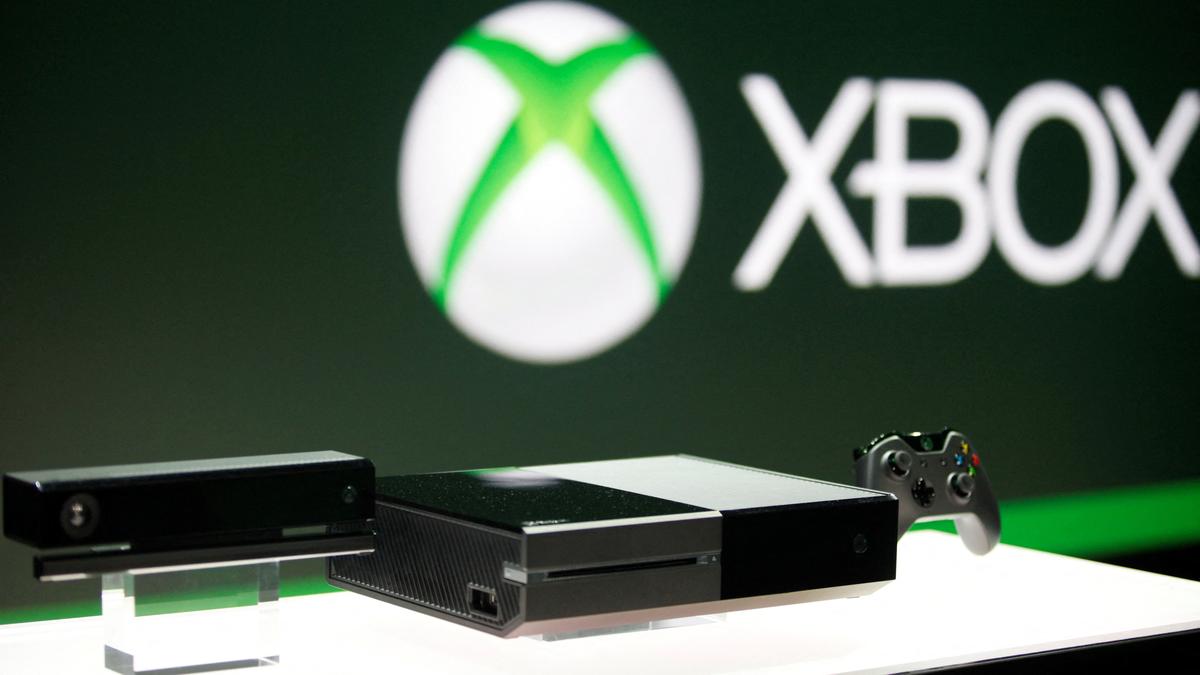
The Nascent Console Market: In stark contrast, the console market in India remains nascent. Data reviewed by The Hindu indicates that total console sales for both PlayStation and Xbox devices across the current generation of hardware (PS5, Xbox Series X/S) are well under 10 lakhs (1 million) units. To put this into perspective, the article provocatively notes that there are likely fewer PlayStation 5 devices sold in India than there are gram panchayats (village councils), which number over 250,000. This vivid analogy underscores the incredibly low penetration rate of consoles in a country of 1.4 billion people. Such figures highlight the immense cultural and economic barriers preventing widespread console adoption.
PlayStation’s Enduring Dominance: Within this small console market, Sony’s PlayStation has historically held a commanding lead. This dominance can be attributed to several factors:
- Early Mover Advantage: PlayStation established its brand in India earlier than Xbox.
- Brand Loyalty: Years of consistent presence and popular exclusive titles have fostered strong brand loyalty.
- Marketing & Retail Presence: Sony has historically invested more heavily in localized marketing and building a robust retail distribution network, ensuring better availability and visibility.
- Perceived Value: PlayStation often benefits from a perception of having a wider array of exclusive games that appeal to a global audience, which translates to local appeal.
Xbox, despite its innovations like Game Pass and cloud gaming, has struggled to chip away at this entrenched lead, often being perceived as a niche choice or a secondary option.
Economic Headwinds and the Component Crisis: Beyond market dynamics, broader economic factors are making console and PC gaming increasingly unaffordable for many Indian consumers. The article points to a "memory component crisis" as a significant contributor to sharply increasing prices for essential hardware components such as RAM, hard disks, and solid-state drives (SSDs).
- Supply Chain Disruptions: Global supply chain issues, exacerbated by geopolitical tensions and the lingering effects of the pandemic, have restricted the flow of these critical components.
- Increased Demand: The boom in computing across various sectors (data centers, AI, personal computing) has driven up demand, pushing prices higher.
- Manufacturing Costs: Rising raw material costs and manufacturing expenses further contribute to the problem.
These factors directly impact the final retail price of both PCs and gaming consoles. In a price-sensitive market like India, where discretionary spending on luxury electronics is carefully considered, such price hikes act as a significant deterrent to adoption. Even if a consumer is inclined towards console gaming, the escalating cost of entry makes it an increasingly difficult proposition.
Cloud Gaming’s Unmet Potential: Xbox’s strategic bet on cloud gaming in India was designed to bypass the hardware cost barrier. By allowing users to stream games, the idea was to make high-fidelity gaming accessible on more affordable devices. However, the success of this initiative appears to be limited, as indicated by Asha Sharma’s global assessment. In India, challenges likely include:
- Internet Infrastructure: While major cities have robust internet, consistent high-speed, low-latency broadband is not universally available, especially in Tier 2 and Tier 3 cities, which represent a vast potential market. Cloud gaming requires stable, fast connections to deliver a smooth experience.
- Data Costs: Streaming high-definition games consumes significant data, which can become expensive for users on limited mobile data plans.
- Latent Demand: While mobile gaming is huge, the specific demand for high-end console-style games via streaming might not be as widespread as initially hoped, especially given the alternatives.
These compounded challenges illustrate why India, despite its massive population and digital growth, remains a particularly difficult market for console gaming, and why Xbox might be choosing to redeploy resources elsewhere.
Silence from the Giants: Official Responses
As is often the case with sensitive corporate restructurings and market adjustments, official communication from the involved parties has been minimal. A Microsoft spokesperson did not respond to The Hindu‘s request for comment regarding Arjun Varma’s departure or the broader implications for Xbox in India. Similarly, Mr. Varma himself did not respond to a text message seeking comment.
This lack of official statements is typical during periods of global layoffs and strategic shifts. Companies often prefer to manage internal communications first and avoid public commentary that could be misinterpreted or prematurely signal future plans. For Microsoft, acknowledging a significant retreat from a market like India could have broader implications for its image as a global technology leader and its commitment to emerging markets. The silence, while frustrating for observers, is a standard corporate practice designed to control narratives during sensitive transitions. It underscores the severity and finality of the decisions being made behind the scenes.
Implications: A Shifting Landscape for Gaming in India
The departure of Xbox’s India lead and the apparent scaling back of its operations have significant implications for the Indian gaming market, for Xbox’s global strategy, and for the consumers themselves.
For Xbox in India: A Minimalist Future?
Arjun Varma’s exit, combined with the severe limitation of hardware supply, suggests a strong possibility that Xbox is transitioning to a more minimalist presence in India. This could mean:
- Focus on Digital-Only: Xbox might shift entirely to a digital-first strategy, promoting Game Pass and cloud gaming services, albeit with reduced local marketing and support. The hardware business, with its logistical complexities and low margins in India, might be largely de-prioritized.
- Reduced Localized Efforts: The scaling back could lead to fewer localized initiatives, partnerships, and community engagement efforts.
- Uncertainty for Cloud Gaming: While cloud gaming was a key focus, its reported underperformance globally, combined with local infrastructure challenges, casts a shadow over its future commitment in India. Will Microsoft continue to invest in local servers if subscriber numbers don’t justify the cost?
- Impact on Developers: Indian game developers hoping to partner with Xbox or get their games on Game Pass might find fewer opportunities for direct engagement or support.
It’s unlikely that Xbox will completely abandon the Indian market, given its long-term potential. However, the current actions suggest a significant reduction in direct investment and a strategic shift towards a leaner, less hardware-centric approach, at least in the medium term.
For the Indian Gaming Market: Reinforcing Trends
The Xbox retreat reinforces several existing trends in the Indian gaming market:
- Mobile’s Unquestioned Supremacy: This development further solidifies mobile gaming’s dominant position. Without a strong console alternative, the vast majority of new gamers will continue to enter the ecosystem via smartphones.
- PlayStation’s Enhanced Dominance: With Xbox potentially stepping back, Sony’s PlayStation will face even less direct competition in the console segment, potentially allowing it to further consolidate its market share. This could lead to less competitive pricing or innovation driven by rivalry.
- Growth of PC Gaming (with caveats): While consoles struggle, PC gaming, particularly esports, has a dedicated following. However, the rising cost of PC components remains a significant barrier to entry, limiting its broader growth.
- Opportunity for Local Innovation: The challenges faced by global giants like Xbox might ironically create opportunities for local game developers and platform providers to innovate with solutions tailored to India’s unique market conditions, such as cloud-agnostic streaming services or mobile-first hardcore gaming experiences.
For Microsoft Globally: A Broader Strategic Shift?
Xbox’s retreat from India could be a microcosm of a broader strategic re-evaluation within Microsoft’s gaming division. The global layoffs and Asha Sharma’s comments about "low margins and losses on game investments" suggest a renewed focus on profitability and efficiency across the board. Markets that are deemed too challenging, too expensive to penetrate, or not yielding expected returns might see similar scaling back. This could mean:
- Prioritization of Core Markets: Xbox might double down on established, profitable markets in North America, Europe, and Japan.
- Re-evaluation of "Xbox Everywhere": While the "Xbox Everywhere" vision aimed to make gaming accessible across devices and geographies, practical realities might force a more selective approach, focusing resources where the return on investment is clearer.
- Integration with Activision Blizzard: With the acquisition of Activision Blizzard, Microsoft’s gaming strategy is evolving. Resources might be redirected to fully integrate these new studios and leverage their IPs, potentially at the expense of developing smaller, less profitable "strategic markets."
In conclusion, Arjun Varma’s departure marks a poignant moment for Xbox in India. It signals not just a change in leadership, but a significant strategic pivot, likely leading to a diminished, more focused presence in a market that has proven uniquely challenging for traditional console gaming. While the long-term potential of India remains undeniable, Xbox appears to be recalibrating its approach, choosing efficiency and focused investment over broad-based expansion in the face of formidable local and global headwinds.