

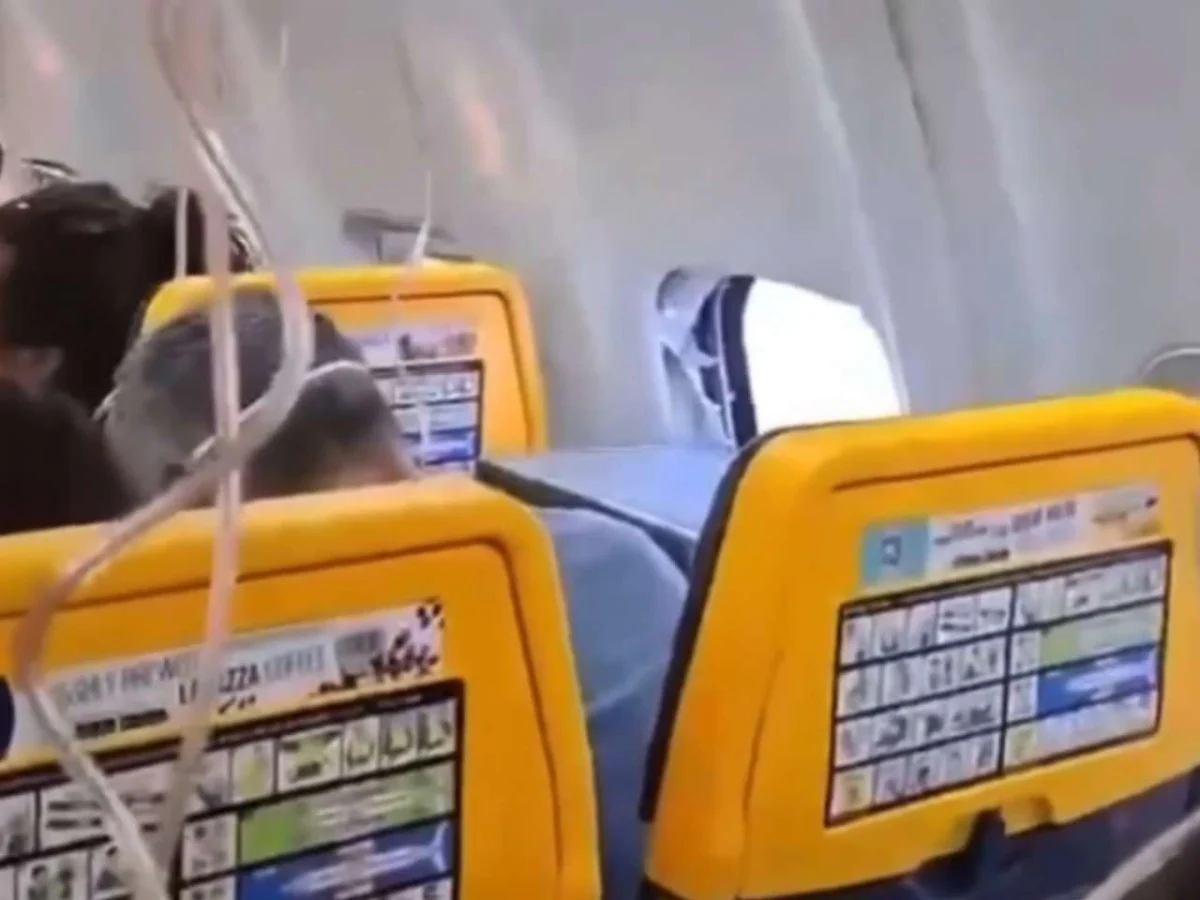
Thessaloniki, Greece – July 11, 2026 – A routine flight from Greece to Germany descended into a terrifying mid-air ordeal yesterday when a cabin window on a Malta Air aircraft, operating for Ryanair, dislodged shortly after take-off. The sudden decompression led to a passenger being partially pulled out of the plane, only to be saved by the quick-thinking and heroic actions of fellow travellers. The incident, which forced an emergency return to Thessaloniki International Airport (SKG), has sparked a high-level investigation into aviation safety protocols and aircraft structural integrity.
The flight, FR1879, a Boeing 737-800, was en route from Thessaloniki in northern Greece to Memmingen near Munich when the catastrophic failure occurred at cruising altitude. Passengers onboard described a sudden, deafening bang, followed by the immediate deployment of oxygen masks and a rapid loss of cabin pressure and altitude. The most harrowing detail emerged as a 61-year-old passenger, seated adjacent to the compromised window, was violently pulled outwards by the immense pressure differential, his head, neck, and shoulders exposed to the frigid, high-speed air outside the aircraft.
In a remarkable display of courage and solidarity, nearby passengers immediately reacted, grabbing hold of the man and physically pulling him back into the safety of the cabin. The pilots, demonstrating exceptional professionalism, initiated an emergency descent and executed a safe return to Thessaloniki, where emergency services were on standby. The injured passenger, though shaken and suffering from neck and shoulder injuries and friction burns, is reported to be stable, a testament to the swift intervention of those around him and the crew’s effective management of the emergency.
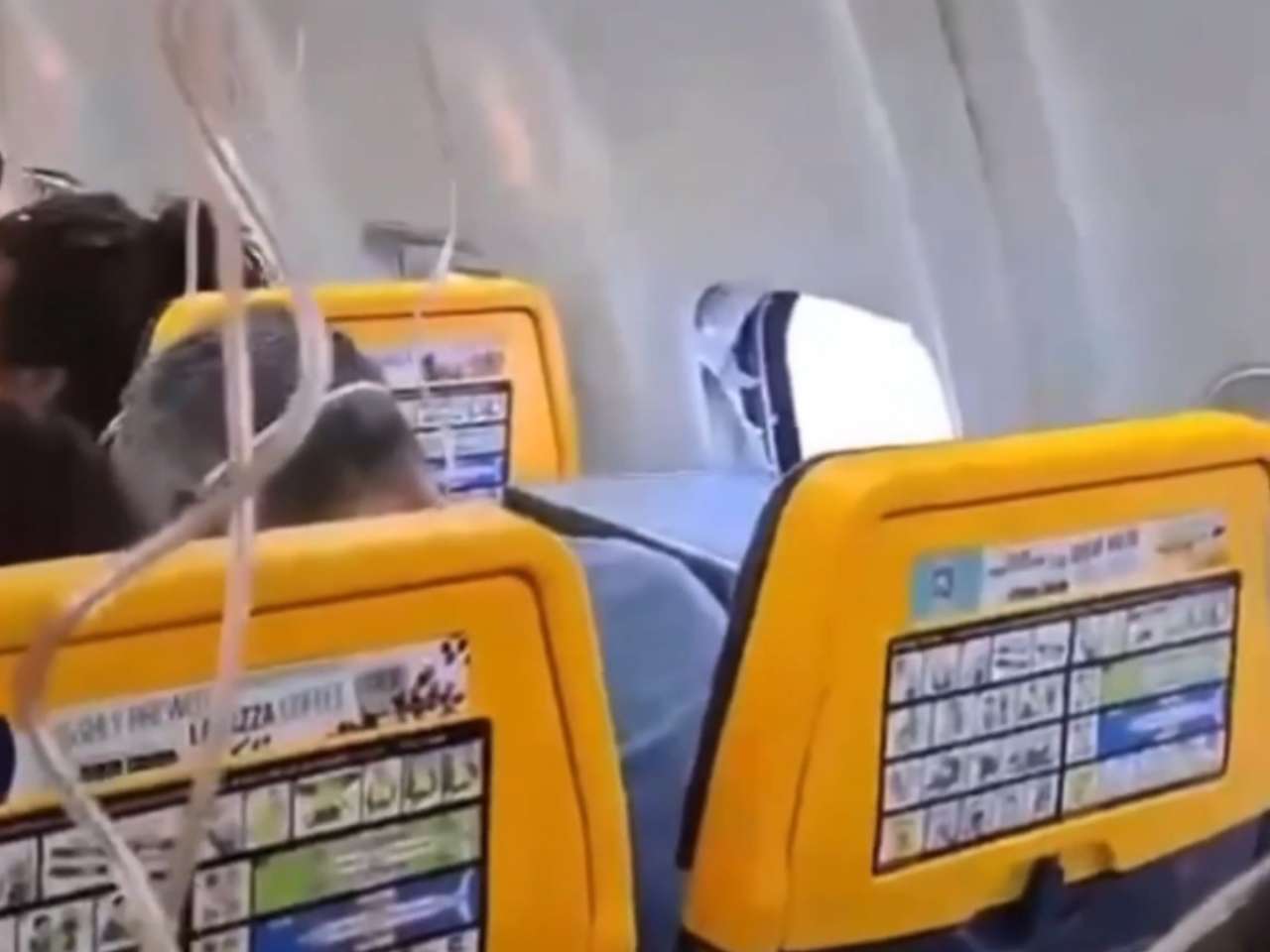
The event underscores the critical importance of aircraft maintenance, the structural integrity of cabin components, and the vital role of passenger and crew preparedness in unforeseen emergencies. As investigators from multiple international agencies converge, the aviation world watches closely, seeking answers to prevent such a terrifying incident from recurring.
Main Facts
The incident unfolded on Friday, July 10, 2026, aboard Malta Air flight FR1879, a Boeing 737-800 operating on behalf of Ryanair. The aircraft had departed from Thessaloniki International Airport in Greece, bound for Memmingen, Germany. Approximately an hour after take-off, while ascending to cruising altitude, a passenger window unexpectedly dislodged.
This sudden structural failure resulted in a rapid decompression of the aircraft cabin. The extreme pressure differential between the inside and outside of the plane caused a 61-year-old male passenger, seated next to the compromised window, to be partially sucked out. Witnesses described his head, neck, and shoulders being pulled outside the fuselage.
)
Fortunately, several quick-thinking passengers immediately intervened, physically restraining the man and pulling him back inside the aircraft. Concurrently, the flight crew initiated emergency procedures, including deploying oxygen masks and executing a rapid emergency descent. The pilots then expertly maneuvered the distressed aircraft back to Thessaloniki, where it landed safely.
Upon landing, the injured passenger received immediate medical attention for neck and shoulder injuries, as well as friction burns. Other passengers, though physically unharmed, were visibly shaken by the traumatic experience. Ryanair confirmed that the passenger received medical treatment on the ground and that a replacement aircraft was subsequently arranged to transport the remaining passengers to their intended destination in Germany.
The US National Transportation Safety Board (NTSB) has been informed of the incident, citing a "right engine issue and cabin decompression" as initial reported factors for the flight’s return. The official investigation will be led by the Aircraft Accident and Incident Investigation Committee (AAICI) of the Republic of North Macedonia, with the NTSB offering its assistance. The aircraft involved, a Boeing 737-800, has been in service with Ryanair since 2008. This rare and alarming event highlights the critical need for thorough investigations into aircraft structural integrity and maintenance protocols.
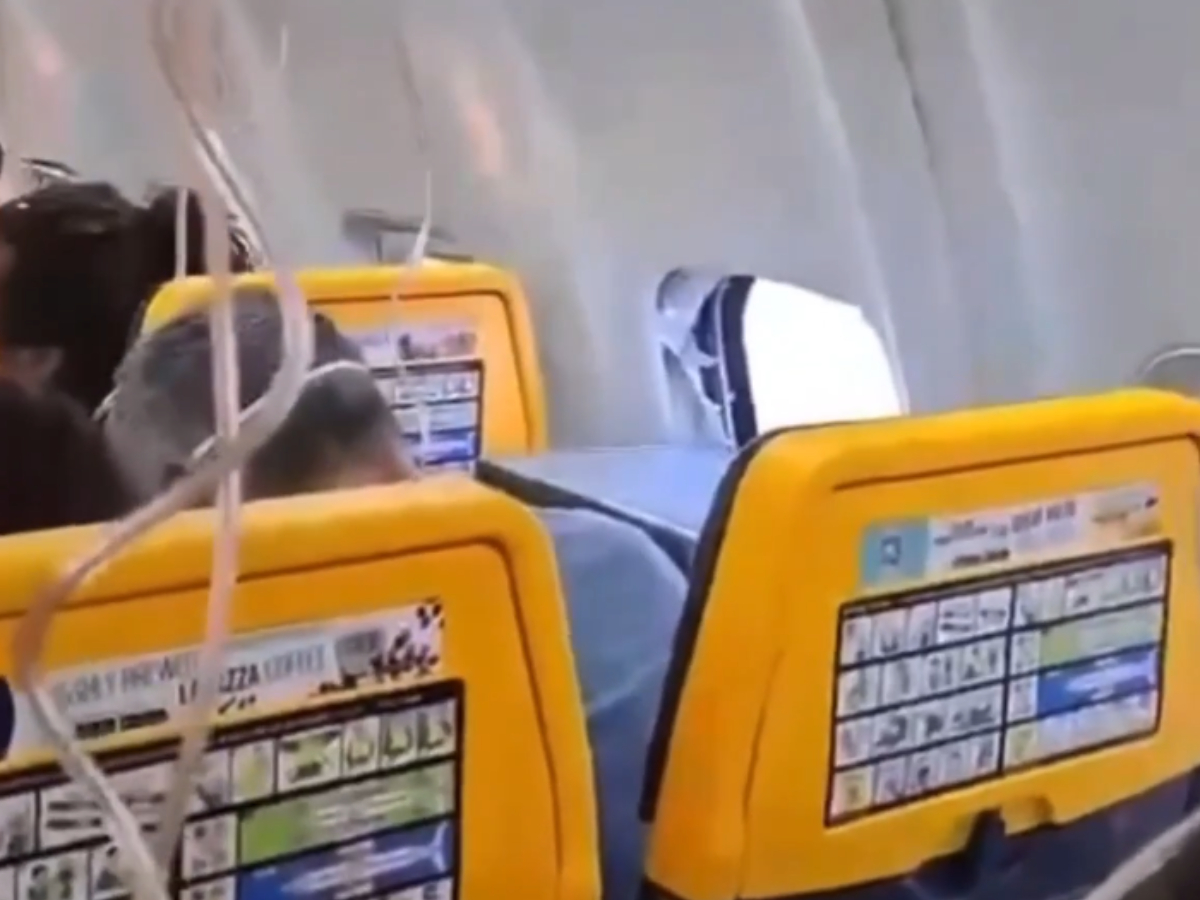)
Chronology of Terror
The events of July 10, 2026, unfolded rapidly, transforming a routine European flight into a life-threatening ordeal for those onboard.
Pre-Flight Preparations and Routine Departure
The day began like any other for the passengers of Malta Air flight FR1879. Travelers checked in at Thessaloniki International Airport, eager for their journey to Memmingen, Germany. The Boeing 737-800, a workhorse of short-to-medium-haul routes, underwent its standard pre-flight checks, and passengers boarded, settling into their seats, anticipating a comfortable flight. The mood in the cabin would have been typical – a mix of quiet anticipation, last-minute phone calls, and the rustle of newspapers or books. As the aircraft taxied to the runway and began its powerful acceleration, few could have imagined the horror that lay just moments ahead.
The Ascent and the Catastrophic Bang
Shortly after take-off, as the aircraft steadily climbed through the clear Greek skies, the cabin environment was still calm. Oxygen masks remained stowed, and seatbelt signs were likely still illuminated. Then, without warning, a deafening "bang" shattered the tranquility. Passenger Christina, whose full name was not released, described the sound as being "like a tire bursting, but very loud." This sudden, explosive noise signaled a catastrophic failure: a passenger window, located near a 61-year-old man, had come loose.

The structural integrity of the cabin was instantly compromised. At altitudes above 10,000 feet, aircraft cabins are pressurized to simulate an atmospheric pressure equivalent to a much lower altitude (typically between 6,000 to 8,000 feet) to ensure passenger comfort and safety. When a window fails, this carefully maintained pressure equilibrium is violently disrupted, leading to rapid decompression. The air inside the cabin, at a higher pressure, rushes out into the lower pressure environment outside the aircraft, often with explosive force. This sudden outflow of air can cause objects to be pulled towards the breach, a phenomenon known as "suck-out."
The Mid-Air Ordeal: A Fight for Life
The immediate aftermath of the window failure was one of pure chaos and terror. The cabin air turned icy cold as the immense pressure differential created a powerful vacuum at the site of the breach. The 61-year-old passenger, seated directly beside the failing window, bore the brunt of this force. He was partially pulled out of the aircraft, his head, neck, and shoulders exposed to the extreme elements – the deafening roar of the wind, the biting cold of high altitude, and the sheer force of the slipstream. The peril was immediate and profound; without intervention, he faced almost certain death from exposure or being completely pulled from the plane.
Witnesses like Christina described a scene of utter panic: "Screams, shrieks, shouting." The sudden loss of pressure triggered the automatic deployment of oxygen masks from the overhead compartments, a stark visual indicator of the gravity of the situation. However, in that moment of acute crisis, a few individuals rose to the occasion. Several nearby passengers, without hesitation, instinctively grabbed hold of the struggling man. They fought against the incredible suction force, physically wrestling him back into the cabin, their grip a lifeline against the vast emptiness outside. Their collective strength and immediate action were pivotal in preventing a full "suck-out" and saving his life.
)
Emergency Descent and Return
Simultaneously, the highly trained flight crew was executing emergency procedures. Having recognized the rapid decompression, the pilots immediately initiated an emergency descent. This maneuver is crucial to bring the aircraft to a safer altitude, typically below 10,000 feet, where supplemental oxygen is no longer critically required, and the external atmospheric pressure is higher, reducing the strain on the fuselage and alleviating the immediate danger of hypoxia. Flight tracking data later revealed the plane climbed above 15,000 feet shortly after take-off before descending rapidly to around 6,000 feet.
As the aircraft plunged downwards, the cabin remained a scene of heightened anxiety, but the crew’s calm commands and the gradual stabilization of the aircraft offered some reassurance. The pilots swiftly communicated their emergency to air traffic control and began the process of returning to Thessaloniki. Despite the ongoing trauma, the professional execution of emergency protocols ensured the aircraft remained under control.
Safe Landing and Aftermath
Approximately an hour after the initial take-off, the distressed Boeing 737-800 touched down safely back at Thessaloniki International Airport. Emergency response teams, including medical personnel and firefighters, were already on the tarmac, poised to assist. The relief among passengers and crew was palpable.
)
The 61-year-old passenger, the direct victim of the window failure, was immediately attended to by paramedics. He was found to have suffered neck and shoulder injuries, along with friction burns from his momentary exposure to the outside environment. He was then transported to a local hospital for further evaluation and treatment. Other passengers, while physically unharmed, were understandably shaken and required emotional support. They were deplaned and returned to the terminal, where Ryanair arranged for a replacement aircraft to continue their journey to Memmingen, allowing them to process the harrowing experience.
The Human Element: Witness Accounts and Trauma
The harrowing incident on board flight FR1879 transcends mere technical failure; it is a profound human story of terror, resilience, and extraordinary courage.
Christina’s Vivid Testimony
Christina, one of the passengers on the ill-fated flight, provided a chilling account of the events to local radio. Her testimony offers a critical glimpse into the raw fear and immediate reactions within the cabin. She described the "loud bang" as being akin to a "tire bursting," a sound that immediately signaled something gravely wrong. Her observation that "we knew straight away we lost pressure because we lost altitude" indicates a remarkable level of situational awareness amidst the unfolding chaos.
)
Her description of the 61-year-old passenger’s ordeal was particularly stark: "His whole head, neck, shoulders were pulled out of the window." This graphic detail paints a vivid picture of the sheer force exerted by the pressure differential and the immediate, life-threatening danger the man faced. Christina’s account of "screams, shrieks, shouting" encapsulates the collective panic that gripped the cabin, a natural human response to such an unprecedented and terrifying event. Her testimony is invaluable, offering a visceral perspective that official reports, while factual, often cannot convey.
The Victim’s Enduring Experience
For the 61-year-old passenger, the experience will undoubtedly be etched into his memory forever. Beyond the immediate physical injuries—neck and shoulder trauma, friction burns—he faces the potential for significant psychological trauma. The sensation of being pulled from an aircraft at high altitude, exposed to extreme conditions, is an experience few survive, let alone recount. Post-traumatic stress disorder (PTSD), anxiety, and a profound fear of flying are common after such incidents. His recovery will likely involve not only physical rehabilitation but also extensive psychological support to process the near-death experience. The friction burns sustained are a grim reminder of the intense forces he endured.
Heroic Intervention by Fellow Passengers
The actions of the passengers who pulled the man back into the aircraft are nothing short of heroic. In a moment of extreme danger, when instinct might dictate self-preservation, these individuals demonstrated immense bravery and altruism. They overcame the paralyzing fear and the physical challenge of wrestling against the vacuum effect to save a stranger’s life. Their quick thinking and coordinated effort prevented a catastrophic outcome. This spontaneous act of solidarity highlights the best of human nature under duress, turning potential tragedy into a powerful narrative of survival and community. It serves as a poignant reminder that in crises, ordinary people can perform extraordinary deeds.
)
Collective Trauma and Aftermath
The entire passenger manifest and crew experienced a profound collective trauma. Even those not directly involved in the rescue witnessed the terrifying scene of a fellow passenger being partially sucked out and the subsequent emergency. The sudden jolt, the loud noise, the deployment of oxygen masks, the rapid descent, and the palpable fear in the cabin left an indelible mark. Such incidents can erode passenger confidence in air travel, fostering anxieties about aircraft safety and maintenance.
Upon landing, while immediate physical dangers were averted, the emotional and psychological impact lingered. Passengers returning to the terminal and subsequently boarding a replacement flight would have done so with a heightened sense of vulnerability. Airlines and airport authorities often provide support services, including counseling, in the wake of such events to help individuals cope with the psychological aftermath. The crew, too, would have undergone significant stress, despite their professional execution of emergency procedures, and would require debriefing and support. The incident serves as a stark reminder of the fragile boundary between routine travel and potential disaster, and the profound human toll it can take.
Technical Aspects and Supporting Data
The incident on flight FR1879 prompts a deep dive into the technical intricacies of aircraft design, operation, and the forces at play during a rapid decompression event.
)
Aircraft Type and History
The aircraft involved was a Boeing 737-800, a highly successful and widely used narrow-body airliner. It entered service with Ryanair in 2008. The Boeing 737 family, first introduced in the late 1960s, is the most produced commercial airliner in history, renowned for its reliability and efficiency. The 737-800 variant, part of the Next Generation (NG) series, has an excellent safety record, with millions of flights completed annually.
However, even with robust designs and stringent safety records, incidents can occur. While unrelated in specific cause, past high-profile incidents involving rapid decompression on other aircraft types, such as Aloha Airlines Flight 243 in 1988 (where a large section of the fuselage ripped away mid-flight due to metal fatigue) or Southwest Airlines Flight 1380 in 2018 (where an uncontained engine failure led to fuselage damage and a cabin window breach), serve as reminders of the severe consequences when cabin integrity is compromised. It is crucial to emphasize that the FR1879 incident’s specific cause is under investigation, and no direct parallels should be drawn without conclusive findings.
Cabin Pressure and Decompression Mechanics
Aircraft cabins are essentially pressurized cylinders. At cruising altitudes (typically between 30,000 and 40,000 feet), the outside air pressure is too low to sustain human life without supplemental oxygen. To counter this, conditioned air is continuously pumped into the cabin, maintaining an internal pressure equivalent to an altitude of 6,000 to 8,000 feet. This pressure differential, while essential for passenger comfort and safety, also places immense stress on the aircraft’s fuselage structure.
)
Rapid decompression, as experienced on FR1879, occurs when this pressure differential is suddenly equalized due to a breach in the fuselage. The higher-pressure air inside the cabin rushes out, creating a powerful outward force. This can lead to:
- "Suck-out" effect: Unsecured objects, and as tragically seen, even individuals, can be pulled towards and out of the breach.
- Hypoxia: The rapid drop in oxygen levels can quickly lead to oxygen deprivation, impairing cognitive function and consciousness. This is why oxygen masks automatically deploy, providing a vital supply of breathable air.
- Barotrauma: Rapid pressure changes can cause damage to body tissues, particularly in the ears and sinuses.
- Extreme noise and cold: The sudden rush of air creates a deafening roar, and the outside air at cruising altitude is extremely cold, posing a risk of hypothermia.
Flight Data Analysis
Flight tracking data provided crucial insights into the immediate aftermath of the incident. The aircraft reportedly climbed above 15,000 feet after take-off before the emergency occurred. Following the window failure, the pilots initiated an emergency descent, bringing the aircraft down to approximately 6,000 feet.
The rapid descent to 6,000 feet is a standard emergency procedure. Below 10,000 feet, the ambient atmospheric pressure is high enough that the risk of severe hypoxia is significantly reduced, and passengers can breathe without supplemental oxygen for an extended period. This critical maneuver allowed the crew to stabilize the situation and focus on returning the aircraft safely to Thessaloniki. The entire process of descent and return to the airport took approximately an hour, demonstrating the efficiency of the crew’s emergency response.
)
Aircraft Window Integrity and Potential Causes
Aircraft windows are designed to be extremely robust, comprising multiple layers of acrylic panes. Typically, there are three panes: an outer pane (the primary structural component), a middle pane (redundancy), and an inner pane (scratch pane, primarily for insulation and passenger contact). Each pane is designed to withstand the pressure differential independently. For a window to "come loose," it implies a failure in the structural integrity of the window assembly or the surrounding fuselage frame.
Potential causes for such a failure are diverse and will be the focus of the ongoing investigation:
- Material Fatigue: Over years of repeated pressurization cycles, aircraft components can develop microscopic cracks, leading to fatigue failure.
- Manufacturing Defect: A flaw in the window pane itself or its installation during manufacturing could weaken its resistance.
- Maintenance Error: Improper installation or overlooked damage during maintenance checks could compromise the window’s integrity.
- External Impact: While less common for passenger windows, an impact from foreign object debris (FOD) – possibly even engine debris as suggested in some early reports – could shatter or weaken the pane. The NTSB’s initial report mentioning a "right engine issue" could be a crucial lead, suggesting a potential link between an engine anomaly and the window damage. An uncontained engine failure, for instance, could eject debris with sufficient force to impact the fuselage or window.
- Corrosion: Environmental factors leading to corrosion around the window frame could weaken the structure.
The investigation will meticulously examine the recovered window and surrounding fuselage, along with maintenance records and flight data, to pinpoint the exact sequence of events and the root cause of this alarming structural failure.
)
Official Responses and Investigation
In the immediate aftermath of such a serious aviation incident, a well-coordinated official response involving airlines, regulatory bodies, and accident investigation committees is paramount.
Airline Statements
Ryanair, through its Malta Air operator, swiftly issued a statement confirming the incident. They acknowledged that the aircraft returned to Thessaloniki soon after take-off after "a passenger window dislodged in-flight." The airline confirmed that one passenger received medical treatment on the ground and that a replacement aircraft was arranged. Ryanair emphasized its full cooperation with the authorities conducting the investigation. Such statements are standard procedure, aiming to provide initial facts while deferring to official investigations for detailed findings. They typically stress safety as the paramount concern and assure that all necessary steps are being taken.
Regulatory Bodies Involved
Multiple national and international aviation bodies are involved or have been informed:
)
- Aircraft Accident and Incident Investigation Committee (AAICI) of the Republic of North Macedonia: This body will lead the investigation. While the flight departed from Greece, the nationality of the aircraft operator (Malta Air) and the potential for the investigation to involve various European regulatory frameworks could explain North Macedonia’s lead, possibly due to prior agreements or the location of relevant expertise.
- US National Transportation Safety Board (NTSB): As the manufacturer of the Boeing 737 is American (Boeing), the NTSB has a vested interest and statutory right to be involved, particularly if the incident points to a design or manufacturing flaw that could affect other US-registered aircraft or aircraft operated by US carriers. They have confirmed being informed of "a right engine issue and cabin decompression" and are available to assist.
- European Union Aviation Safety Agency (EASA): As the primary aviation safety regulator for European Union member states, EASA will undoubtedly monitor the investigation closely. Any findings regarding maintenance, design, or operational procedures could lead to Europe-wide safety directives or recommendations.
- Hellenic Air Accident Investigation and Aviation Safety Board (AAIASB): As the incident occurred after departure from Greek territory and returned to a Greek airport, the Greek authority would also be involved in assisting the lead investigator.
Scope of the Investigation
The investigation will be comprehensive and meticulous, following internationally established protocols. Key areas of focus will include:
- Aircraft Examination: Detailed forensic analysis of the damaged window, its frame, and the surrounding fuselage structure. This will involve metallurgical analysis to look for signs of fatigue, corrosion, or material defects.
- Flight Data Recorder (FDR) and Cockpit Voice Recorder (CVR): These "black boxes" will provide crucial information on the aircraft’s performance, flight controls, engine parameters, cabin pressure fluctuations, and cockpit conversations leading up to and during the incident.
- Maintenance Records: A thorough review of the aircraft’s entire maintenance history, including checks, repairs, and inspections related to the fuselage, windows, and engines.
- Witness Interviews: Detailed interviews with passengers, flight crew, ground crew, and air traffic controllers to reconstruct the sequence of events.
- Engine Inspection: Given the NTSB’s mention of a "right engine issue," the right engine will undergo a comprehensive inspection to determine if it suffered a failure and if any debris from it could have impacted the window or fuselage.
- Operational Procedures: Review of Ryanair/Malta Air’s operational procedures, emergency training, and crew response.
Potential Causes
While the investigation is ongoing, several potential causes are being considered, as discussed in the technical section. These include material fatigue of the window frame or pane, a manufacturing defect, an error during a previous maintenance procedure, or external damage, potentially from an engine issue. The precise determination of the root cause will be critical for implementing effective preventative measures. Investigators will work to establish a definitive chain of events that led to the window dislodging and the subsequent rapid decompression.
Safety Implications
The findings of this investigation will have significant implications for aviation safety. Depending on the cause, it could lead to:
)
- Airworthiness Directives (ADs): Mandatory inspections or modifications for other Boeing 737-800 aircraft or similar models.
- Changes in Maintenance Protocols: Revisions to how windows or specific fuselage sections are inspected or maintained across the industry.
- Design Modifications: If a design flaw is identified, Boeing might be required to implement design changes.
- Enhanced Training: Review and potential enhancement of crew training for rapid decompression scenarios and emergency procedures.
The incident serves as a stark reminder that despite continuous advancements in aviation safety, vigilance and thorough investigation remain paramount to ensuring the integrity of air travel.
Broader Implications and Future Outlook
The terrifying mid-air incident on Malta Air flight FR1879 carries significant broader implications that extend beyond the immediate investigation, touching upon passenger confidence, airline accountability, and the continuous evolution of aviation safety.
Passenger Confidence and Perception
Aviation, by its very nature, relies heavily on public trust. Incidents like the partial "suck-out" of a passenger, while rare, can profoundly impact passenger confidence. Images and accounts of such an event evoke primal fears, reminding travelers of the inherent risks, however small, associated with flying thousands of feet above the ground. While the industry maintains an impressive safety record, a single high-profile incident can momentarily erode this trust, leading to increased anxiety among passengers and potentially affecting booking patterns.
)
Airlines and regulatory bodies face the challenge of transparently communicating the findings of the investigation and demonstrating concrete steps taken to prevent recurrence. Rebuilding and maintaining passenger confidence hinges on a clear narrative of accountability, thoroughness in investigation, and demonstrable improvements in safety measures.
Airline Accountability and Responsibility
Ryanair and Malta Air, as the operators of the aircraft, bear significant accountability. While the ultimate cause may lie in manufacturing or maintenance, the airline is responsible for the airworthiness of its fleet and the safety of its passengers. This incident will trigger internal reviews of their maintenance practices, crew training, and emergency response protocols. The financial implications could be substantial, encompassing compensation for the injured passenger, costs associated with the emergency landing and replacement aircraft, potential fines from regulatory bodies, and the intangible cost of reputational damage.
The incident also highlights the complexities of operating "wet-lease" agreements, where one airline (Malta Air) operates flights on behalf of another (Ryanair). While common in the industry, such arrangements necessitate clear lines of responsibility and oversight to ensure consistent safety standards.
)
Lessons Learned and Industry-Wide Changes
Every aviation incident, however unfortunate, serves as a critical learning opportunity for the entire industry. The investigation into FR1879 will contribute to the vast body of knowledge aimed at enhancing air safety. Depending on the root cause, the findings could lead to:
- Reinforced Inspection Regimes: Stricter or more frequent inspections of window assemblies and fuselage structures across various aircraft types.
- Material Science Advancements: Further research into more resilient materials or improved manufacturing processes for aircraft windows and frames.
- Enhanced Emergency Training: Refining pilot and cabin crew training for rapid decompression scenarios, emphasizing immediate crew actions and passenger assistance.
- Design Reviews: If a design flaw in the Boeing 737-800 is identified, it could prompt design reviews and mandatory modifications across the global fleet. This would involve close collaboration between regulators, manufacturers like Boeing, and airlines worldwide.
- Public Awareness Campaigns: Potentially, renewed emphasis on passenger safety briefings and the importance of following crew instructions during emergencies.
The Enduring Human Spirit
Amidst the technical investigations and regulatory responses, the incident also serves as a powerful testament to the human spirit. The heroic actions of the fellow passengers who pulled the man back into the aircraft underscore the capacity for altruism and courage in the face of extreme danger. Their immediate, selfless response averted a far greater tragedy, reminding us that even in the most terrifying circumstances, human connection and collective action can make a life-saving difference.
As the aviation industry moves forward, integrating the lessons from this event will be crucial. The commitment to safety is a continuous journey, one that is perpetually refined by experience, investigation, and the unwavering dedication of professionals across the globe. The incident on flight FR1879, while harrowing, will undoubtedly contribute to making air travel even safer for future generations.
