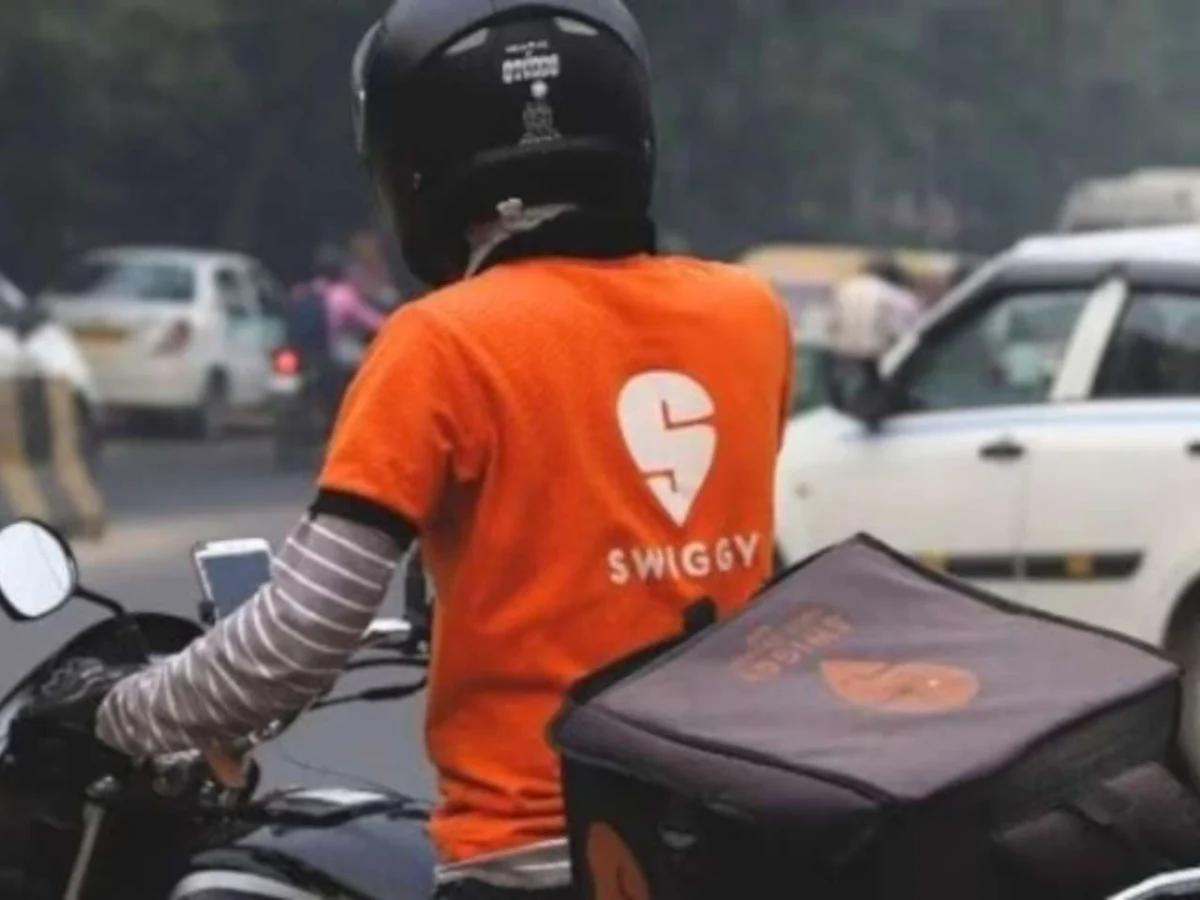
New Delhi, India – In a significant development that casts a shadow over the burgeoning quick-commerce sector, the Food Safety and Standards Authority of India (FSSAI) has launched a stringent crackdown on Swiggy Instamart, one of the nation’s leading quick-delivery platforms. The regulatory body recently issued nine comprehensive notices to the e-commerce giant, citing a litany of severe consumer complaints ranging from the delivery of expired and contaminated food products to egregious instances involving compromised infant food and a disturbing lack of effective grievance redressal.
The revelations come as a jolt to consumers who increasingly rely on quick-commerce platforms for their daily necessities, highlighting critical vulnerabilities in the supply chain and quality control mechanisms of digital delivery services. The FSSAI’s actions underscore its unwavering commitment to safeguarding public health and ensuring compliance with the stringent provisions of the Food Safety and Standards Act, 2006. Swiggy Instamart has been directed to furnish a detailed explanation and a comprehensive compliance report, with the explicit warning of impending legal action should they fail to meet the regulatory demands.
Main Facts: A Breach of Trust and Safety
The core of the FSSAI’s intervention lies in an alarming surge of consumer complaints detailing severe breaches of food safety standards by Swiggy Instamart. These complaints, meticulously investigated by the FSSAI, have revealed systemic issues across the platform’s operations, pointing towards deficiencies in storage, handling, and vendor oversight.
Among the most disturbing allegations is the delivery of infant food in a "severely compromised condition," exhibiting clear signs of contamination and improper storage. Compounding this grave concern, the same product was reportedly re-supplied to a consumer even after the initial faulty item had been returned, raising serious questions about the platform’s quality assurance protocols and returns management.
)
Beyond this critical incident, consumers have reported receiving a variety of unsafe products, including expired packaged foods, contaminated eggs and milk, and items visibly spoiled or rotten. The FSSAI’s notices highlight not just the delivery of substandard products but also a perceived failure on Swiggy Instamart’s part to adequately address consumer grievances, with some complaints alleging that only refunds were offered without substantive action to rectify the underlying food safety issues.
The regulatory body’s firm stance signals a zero-tolerance approach to violations that directly impact consumer health. The quick-commerce model, while offering unparalleled convenience, must not compromise on the fundamental promise of safe and quality products, especially when it comes to highly sensitive items like infant food. This move by the FSSAI serves as a powerful reminder to all online food business operators (FBOs) about their paramount responsibility towards public health and regulatory compliance.

Chronology of Concern: From Complaints to Crackdown
The genesis of the FSSAI’s recent action against Swiggy Instamart can be traced back to a growing volume of consumer complaints that began accumulating over a period. As consumers increasingly leveraged digital platforms to voice their concerns, the regulatory authority’s attention was drawn to a discernible pattern of alleged food safety violations linked to Swiggy Instamart.
The initial phase involved the aggregation and preliminary assessment of these complaints. Consumers reported their experiences through various channels, including direct communication with Swiggy Instamart, social media platforms, and eventually, formal complaints lodged with the FSSAI. The nature of these grievances – consistently pointing to expired, contaminated, and unsafe food items – triggered a more in-depth inquiry by the FSSAI.
)
Upon receiving these "numerous consumer complaints," as stated by the FSSAI, the authority initiated a thorough investigation. This inquiry involved a detailed review of the reported incidents, cross-referencing allegations, and likely engaging with the complainants to gather comprehensive evidence. The objective was to ascertain whether these isolated incidents represented systemic failures and if there were indeed "breaches of the Food Safety and Standards Act, 2006."
The investigation culminated in the formal issuance of nine separate notices to Swiggy Instamart. While specific dates for the initial complaints are not detailed, the FSSAI’s recent public announcement on X (formerly Twitter) confirms the final action. The regulator’s post stated: "FSSAI has issued 9 notices to Swiggy Instamart following multiple consumer complaints alleging violations under the FSS Act 2006. The FBO has been directed to submit a detailed explanation & compliance report failing which appropriate legal action will be initiated." This public declaration marked the official commencement of regulatory enforcement, putting Swiggy Instamart squarely in the crosshairs of federal scrutiny.
)
In a separate, though related, incident, Swiggy also disclosed receiving a prohibition order dated July 6, 2026 (likely a typo, assumed recent) from the FSSAI’s Designated Officer in Karnataka concerning its food ordering platform, Toing. This order, however, was explicitly stated by Swiggy to be related to updating license details and did not involve any food safety issues. Swiggy swiftly resolved this matter, obtaining an amended FSSAI licence on July 9, and confirmed no penalty was levied, asserting no impact on its finances or operations. This quick resolution for Toing stands in stark contrast to the gravity and multi-faceted nature of the Instamart allegations, which remain publicly unaddressed by the company.
Supporting Data: A Catalogue of Compromised Products
The nine notices issued by the FSSAI are not based on vague accusations but on a specific and concerning array of incidents reported by consumers. These detailed allegations paint a grim picture of potential systemic failures within Swiggy Instamart’s operational framework, from procurement and storage to last-mile delivery and customer service.
)
1. Severely Compromised Infant Food: This stands out as the most critical allegation. Consumers reported receiving infant food in a "severely degraded and unsafe state," complete with "signs of contamination and poor storage." The vulnerability of infants to foodborne illnesses makes such an incident exceptionally serious. The FSSAI’s concern was amplified by the fact that "the same product was sent again even after the faulty item was returned," suggesting either a profound oversight in inventory management or a disturbing disregard for customer safety and feedback. This particular incident highlights a catastrophic failure at multiple levels, from initial quality checks to the handling of returned goods.
2. Expired Products Across Categories: Several complaints specifically cited the delivery of food items past their expiration dates, a direct violation of safety standards.
)
- Healthify 100% Whey Protein (1 kg): Allegedly delivered post-expiry, posing health risks, especially for a product intended for nutritional supplementation.
- Noice Homestyle Madras Mixture with Peanuts: Also reportedly delivered after its expiry date, indicating a lapse in stock rotation or expiry date checks before dispatch. The consumption of expired snacks can lead to gastrointestinal distress and other health complications.
3. Contaminated and Rotten Perishables: The quick-commerce model thrives on delivering fresh produce, making contamination of perishables particularly damaging.
- Akshayakalpa Organic Eggs: Consumers claimed these were "delivered expired and rotten, with a foul odour and visible contamination." This complaint was further exacerbated by the consumer’s assertion that "no corrective steps were taken despite multiple escalations," pointing to a severe deficiency in Swiggy Instamart’s grievance redressal mechanism.
- Kakke da Paratha: This ready-to-eat item was "reportedly found spoiled with a bad smell, making it unfit to eat." Such incidents not only inconvenience consumers but also expose them to potential food poisoning.
- General Complaints: The FSSAI also flagged broader grievances about the delivery of "contaminated eggs and milk," as well as "packaged food items that arrived damaged." Contaminated dairy and poultry products are common vectors for serious foodborne pathogens.
4. Unlicensed Product Marketing: A distinct regulatory violation was identified concerning "NOICE Eggs." These eggs were "allegedly sold under a brand category not covered by the current FSSAI licence." The FSSAI has issued a clear directive to Swiggy Instamart to "stop marketing the product unless it falls under a valid licence, and to apply for a licence modification if needed." This points to a potential gap in vendor vetting and regulatory compliance checks for products listed on the platform.
)
5. Inadequate Grievance Redressal: Beyond the product quality issues, a recurring theme in the complaints was the unsatisfactory response from Swiggy Instamart. The FSSAI noted, "Some complaints alleged that no satisfactory response, grievance redressal or corrective action was taken despite the complaints being forwarded or escalated, while one complaint stated that only a refund was offered without addressing the reported food safety concerns." This indicates a superficial approach to customer service that prioritizes immediate financial resolution over systemic problem-solving and proactive safety measures.
Collectively, these detailed allegations underscore a pressing need for Swiggy Instamart to conduct a thorough audit of its entire operational chain, from vendor onboarding and product storage to delivery and post-sales support. The FSSAI’s mandate is clear: ensure that every product delivered meets the stipulated safety and quality benchmarks.
)
Official Responses: FSSAI’s Firm Stance, Swiggy’s Silence
The Food Safety and Standards Authority of India has adopted a firm and unequivocal stance in its regulatory action against Swiggy Instamart. Leveraging its official communication channels, particularly X, the FSSAI has publicly outlined the reasons for its intervention and the demands placed upon the quick-commerce platform.
In its public post, the regulatory authority stated: "FSSAI has issued 9 notices to Swiggy Instamart following multiple consumer complaints alleging violations under the FSS Act 2006. The FBO has been directed to submit a detailed explanation & compliance report failing which appropriate legal action will be initiated." This statement serves as a clear declaration of the FSSAI’s intent to uphold food safety standards and accountability within the digital marketplace. The use of "appropriate legal action" signals the serious potential consequences, which could range from heavy fines to operational restrictions, depending on the severity and persistence of non-compliance.
)
The FSSAI’s demands are precise:
- Detailed Explanation: Swiggy Instamart is required to provide a comprehensive account of each alleged violation, explaining how these incidents occurred and what internal processes failed.
- Compliance Report: The platform must submit a report detailing the corrective actions it has taken or plans to take to address the identified breaches and ensure future compliance with the FSS Act, 2006. This report is expected to outline systemic improvements rather than merely addressing individual complaints.
Furthermore, the FSSAI’s specific directive regarding "NOICE Eggs" — to cease marketing the product unless it falls under a valid license and to apply for a license modification if necessary — demonstrates a granular approach to addressing individual product-related non-compliance.
)
In stark contrast to the FSSAI’s public pronouncements and clear directives, Swiggy has maintained a noticeable silence regarding the nine notices issued to Instamart. As of the time of this report, the company has not issued any public statement, official response, or clarification concerning the serious allegations of food safety violations on its quick-commerce platform. This lack of immediate communication leaves consumers and stakeholders in the dark about the company’s internal assessment of the situation and its planned course of action.
However, Swiggy did issue a separate statement concerning a regulatory interaction for its food ordering platform, Toing. The company clarified that it had received a prohibition order from the FSSAI’s Designated Officer in Karnataka on July 6, 2026 (assumed recent), but stressed that this was "related to updating licence details and did not involve any food safety issues." Swiggy further stated that the matter was promptly resolved, with an amended FSSAI licence obtained on July 9, and confirmed that "no penalty was levied, and it said there would be no impact on its finances or operations." While this demonstrates Swiggy’s capacity for swift regulatory compliance on licensing matters, its silence on the much graver Instamart food safety allegations is conspicuous and likely to draw further scrutiny.
)
Implications: A Wake-Up Call for Quick-Commerce and Consumer Trust
The FSSAI’s decisive action against Swiggy Instamart carries far-reaching implications, not just for the company itself, but for the entire quick-commerce industry and the broader landscape of food safety in India. This incident serves as a critical juncture, potentially reshaping consumer expectations, regulatory oversight, and operational standards for online delivery platforms.
1. Erosion of Consumer Trust and Brand Reputation: At an immediate level, the allegations of contaminated infant food, expired products, and inadequate redressal are deeply damaging to Swiggy Instamart’s brand reputation. Consumer trust, once eroded, is incredibly difficult to rebuild. For a platform that promises convenience and reliability, such serious safety breaches can lead to a significant decline in customer loyalty and patronage. Negative publicity, especially surrounding sensitive issues like infant food safety, can have a lasting impact on how the brand is perceived.
)
2. Financial and Operational Repercussions: Should Swiggy Instamart fail to provide a satisfactory explanation and compliance report, the threat of "appropriate legal action" from the FSSAI is very real. This could entail substantial financial penalties, which could run into significant figures given the nature and number of violations. Furthermore, the FSSAI could impose operational restrictions, order product recalls, or even temporarily suspend certain services if the issues are deemed systemic and unaddressed. Such measures would undoubtedly impact the company’s financial performance and operational efficiency.
3. Increased Regulatory Scrutiny for Quick-Commerce: This incident is a clear signal that regulatory bodies like the FSSAI are intensifying their oversight of the quick-commerce sector. The rapid expansion of these platforms has often outpaced the evolution of regulatory frameworks, leading to potential gaps in compliance. The FSSAI’s action could trigger a broader review of food safety protocols, vendor onboarding processes, supply chain integrity, and grievance redressal mechanisms across all quick-commerce and e-commerce food delivery operators. Platforms may face stricter licensing requirements, mandatory quality checks, and more frequent audits.
)
4. The Imperative of Supply Chain Integrity and Vendor Vetting: The allegations underscore the critical importance of a robust supply chain and stringent vendor vetting. Quick-commerce platforms operate on a marketplace model, relying on a network of vendors and dark stores. Ensuring that every link in this chain adheres to food safety standards, from procurement and storage to packaging and delivery, is paramount. This incident will likely force platforms to invest more heavily in auditing their suppliers, implementing advanced inventory management systems to prevent expired stock, and enhancing cold chain logistics for perishable goods.
5. Enhanced Consumer Vigilance and Empowerment: The FSSAI’s public announcement and the detailed nature of the complaints will empower consumers to be more vigilant about the quality of products they receive from online platforms. It also reinforces the importance of reporting grievances to regulatory bodies when platforms fail to provide satisfactory resolutions. This increased awareness could lead to a more proactive consumer base demanding higher standards from digital services.
)
6. Redefining Grievance Redressal: The FSSAI’s specific mention of unsatisfactory grievance redressal, where only refunds were offered without addressing root causes, highlights a need for a paradigm shift in customer service. Platforms must move beyond transactional fixes and implement robust systems for investigating and rectifying food safety concerns fundamentally. This includes transparent communication, detailed investigations, and clear commitments to preventing recurrence.
In conclusion, the FSSAI’s notices to Swiggy Instamart represent a pivotal moment for the quick-commerce industry in India. It is a powerful reminder that convenience must never come at the expense of safety and quality. Swiggy Instamart now faces the arduous task of not only complying with regulatory demands but also rebuilding shattered consumer confidence. The industry as a whole must take this as a wake-up call to fortify its food safety protocols, ensuring that the promise of rapid delivery is always accompanied by an unwavering commitment to public health.