

New Delhi, [Insert Date] – The protracted crisis surrounding the alleged paper leak of the National Eligibility cum Entrance Test (NEET) continues to grip the nation, with prominent activist Sonam Wangchuk offering a conditional pause to his fast unto death after discussions with Union Ministers. However, the student-led "Cockroach Janta Party" (CJP) has vowed to intensify its protests, rejecting any compromise until all their demands, including the resignation of Union Education Minister Dharmendra Pradhan, are unequivocally met. This standoff has further exacerbated the parliamentary paralysis, as the Opposition maintains a united front, demanding immediate debate and accountability for the systemic failures impacting millions of aspiring students.
The developments unfolded following a late-night meeting on Tuesday at Medanta Hospital in Gurgaon, where Wangchuk, the renowned education reformist, engaged with Union Ministers J.P. Nadda and Jitendra Singh. In a subsequent letter released to the public, Wangchuk detailed the assurances he received from the ministers, signaling a potential, albeit fragile, pathway towards de-escalation. Yet, the CJP’s swift rejection of these partial concessions underscores the deep-seated anger and frustration permeating the student community, highlighting the formidable challenge facing the government in quelling the widespread unrest.
Main Facts: A Tentative De-escalation Meets Unwavering Protest
The core of the recent developments lies in Sonam Wangchuk’s letter, which emerged after his dialogue with senior government representatives. While not insisting on the immediate resignation of Union Education Minister Dharmendra Pradhan, Wangchuk conveyed that the ministers had committed to several key actions. These included a promise to "consider providing adequate compensation for the families of the students who had committed suicide following the examination paper leak" and "a meaningful discussion in Parliament to ensure accountability including consideration of the resignation" of Pradhan. This carefully worded assurance by the government aimed to address the core grievances while leaving room for political maneuver.
Wangchuk’s letter also contained a poignant plea for the protection of young protesters, emphasizing that their "only ‘offence’ has been to raise their voice for a fair and accountable education system." He stated his willingness to end his fast if an "unequivocal assurance from the Government that none of the young protesters will face any punitive or retaliatory legal action" was provided. This condition highlights the broader concern about civil liberties and the right to peaceful dissent in the face of state action.
However, the hopes for an immediate resolution were quickly tempered by the Cockroach Janta Party. Shortly after Wangchuk’s letter became public, the CJP declared its intention to continue its agitation. While mirroring some of Wangchuk’s conditions, such as substantial compensation and protection for protesters, the CJP reiterated its unwavering demand for Pradhan’s immediate resignation. Their specific demands included "Rs 1 crore compensation for families of children who died by suicide," "no persecution of peaceful protesters," and the "prosecution of all police officers involved in committing atrocities" during the recent demonstrations. The divergence on Pradhan’s resignation marks a critical point of contention, indicating that the government’s efforts to pacify the situation are far from complete.
Chronology of Escalation and Engagement
The crisis has unfolded over several weeks, beginning with widespread allegations of irregularities and paper leaks in the NEET examination, a crucial gateway for aspiring medical students. The initial trickle of complaints soon escalated into a torrent of public outcry, fueled by reports of multiple student suicides linked to the immense pressure and perceived injustice.
The Spark of Dissent: The first significant public mobilization began with online petitions and small, localized protests, primarily led by students and their parents. As evidence of the leak mounted, public trust in the examination system plummeted.
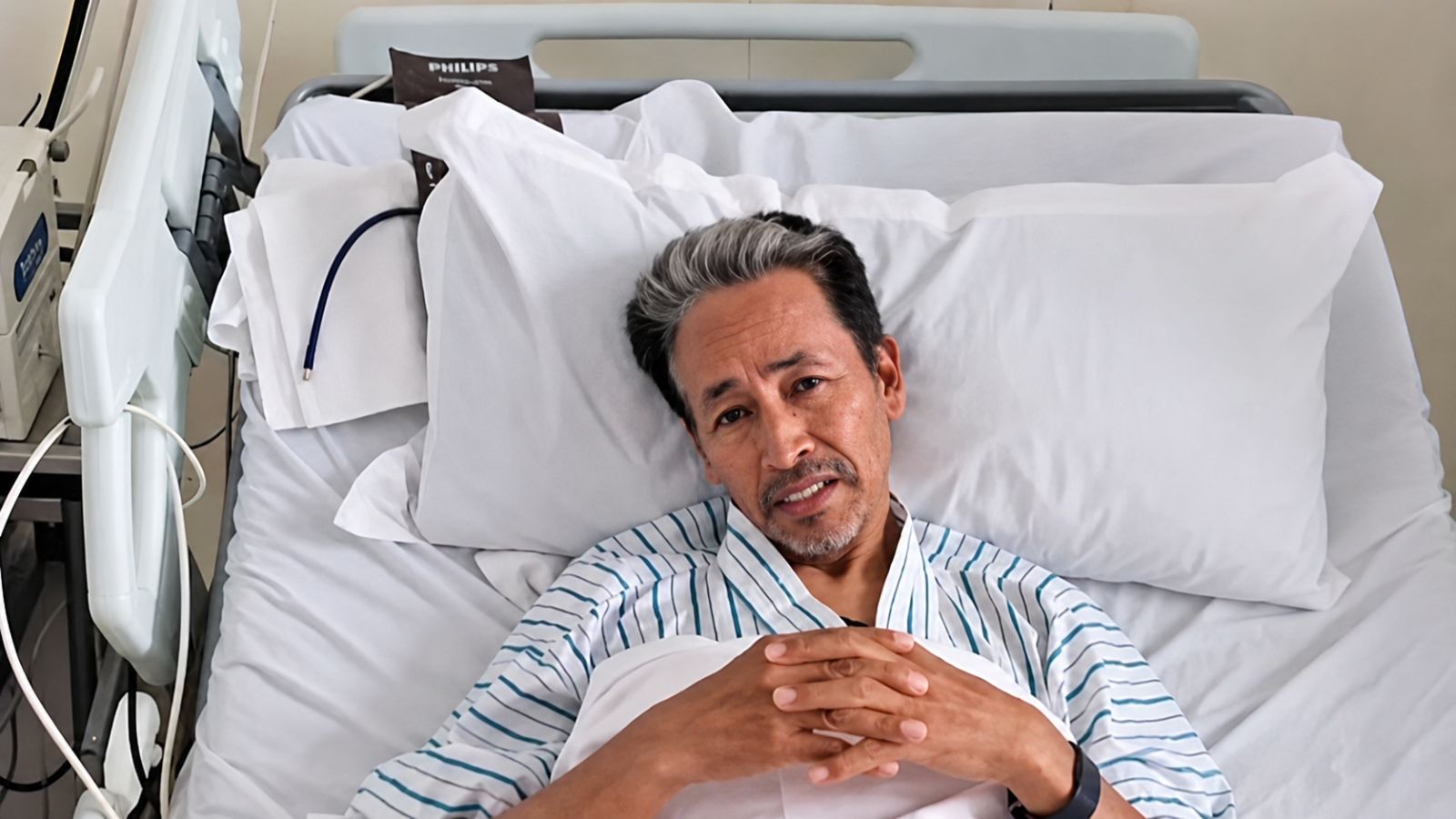
Sonam Wangchuk’s Intervention: Recognizing the gravity of the situation, renowned environmental and education activist Sonam Wangchuk initiated a fast unto death, drawing national attention to the plight of students and the urgent need for systemic reform. His fast, which reached its 25th day by the time of the recent negotiations, became a focal point for the movement, amplifying the demands for accountability and justice. Wangchuk, currently recuperating at Medanta Hospital in Gurgaon, had made it clear that his personal well-being was secondary to the future of the nation’s youth. His tweet, "ABHI BHI ZINDA HUN…. DAY 25," served as a stark reminder of his steadfast resolve.
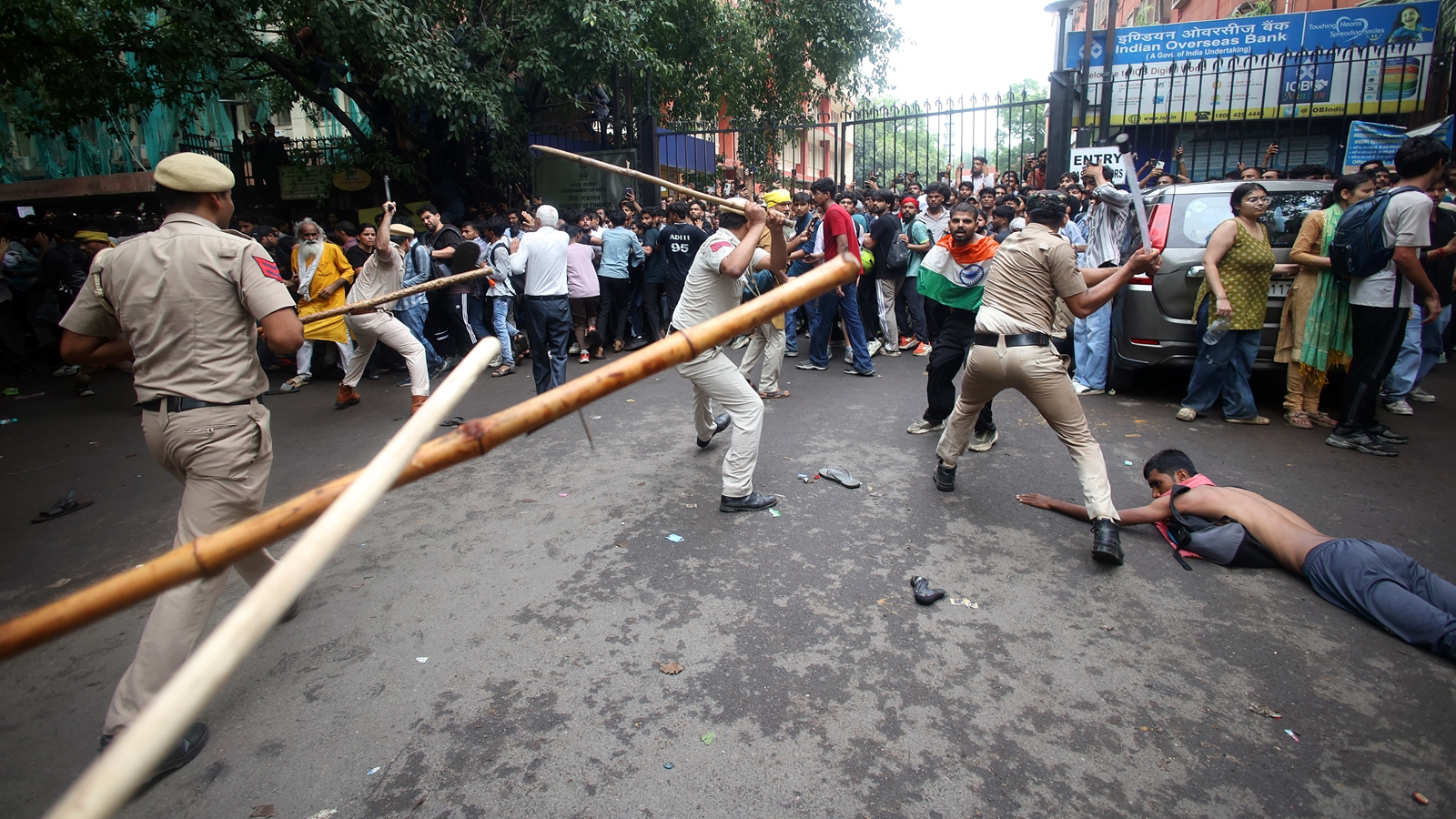
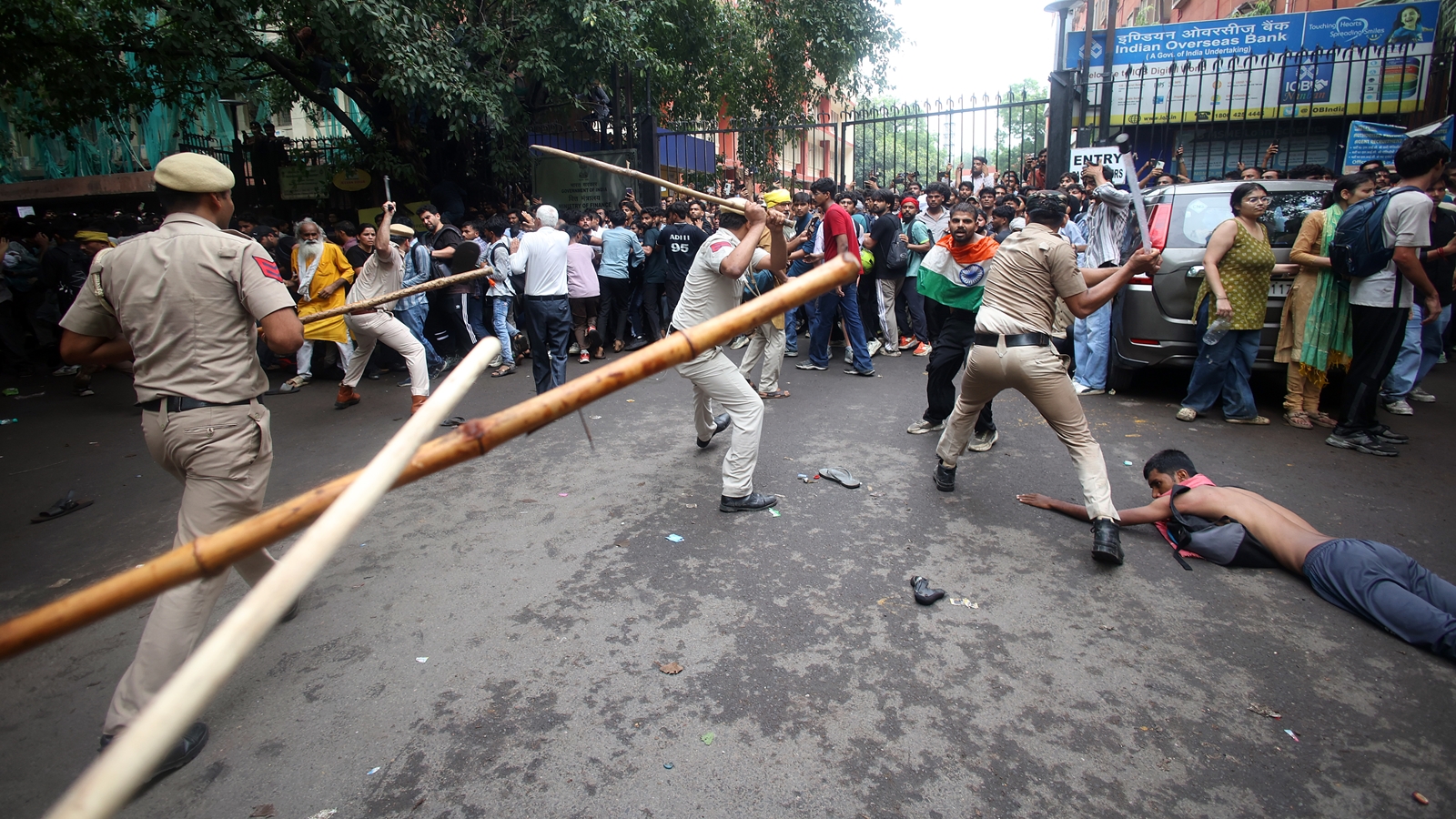
Emergence of the CJP: The "Cockroach Janta Party" (CJP), a vibrant and increasingly influential student-led collective, rapidly emerged as a powerful voice for the protesting youth. Their initial strategy involved direct action, including attempts to march towards Parliament, which led to clashes with law enforcement. The images of Delhi Police personnel dispersing protesters at Parliament Street and scenes of unrest at Connaught Place underscore the intensity of these demonstrations and the government’s efforts to contain them.
Government’s Initial Reluctance and Subsequent Overtures: Initially, the government appeared to downplay the extent of the crisis, leading to accusations of insensitivity. However, as parliamentary proceedings became increasingly paralyzed and public pressure mounted, a more conciliatory approach began to emerge.
CJP spokesperson Saurav Das had earlier highlighted the CJP’s distrust of government overtures, stating that they would only meet ministers at a "neutral venue," rejecting suggestions of meetings at official residences. This stance reflected the protesters’ desire for transparency and an avoidance of perceived backroom deals.
The Meeting with Wangchuk: The Tuesday night meeting between Union Ministers J.P. Nadda and Jitendra Singh and Sonam Wangchuk represented the first high-level direct engagement from the government side. This meeting, held at Wangchuk’s hospital bed, was a clear indication of the government’s recognition of the activist’s moral authority and the necessity of addressing his concerns to de-escalate the situation.
CJP’s Continued Agitation: The CJP’s immediate rejection of Wangchuk’s conditional pause and their renewed pledge to continue protests demonstrates the chasm that still exists between the government’s proposed solutions and the protesters’ comprehensive demands. Their resolve to keep the pressure on signifies a prolonged struggle, potentially extending the parliamentary deadlock and maintaining public discourse around the issue.
Supporting Data: The Magnitude of the Crisis and its Human Cost
The NEET examination is one of India’s most competitive and high-stakes tests, determining admission to undergraduate medical courses across the country. Annually, millions of students dedicate years to rigorous preparation, often incurring significant financial and emotional costs. The alleged paper leak has not only jeopardized the future of countless aspirants but has also severely eroded faith in the sanctity of India’s examination system, a bedrock of meritocracy.
Student Suicides: The most tragic consequence of the paper leak has been the reported increase in student suicides. While official figures are often slow to emerge, anecdotal evidence and media reports suggest a heartbreaking correlation between the exam irregularities and instances of extreme despair among students. These young lives, burdened by societal and familial expectations, found their dreams shattered, leading to irreparable loss. The CJP’s demand for a "Rs 1 crore compensation" for these families is not merely a financial claim but a symbolic recognition of the immense suffering and an attempt to hold the system accountable for its failures.
Economic Burden: Beyond the emotional toll, the repeated instances of paper leaks impose a significant economic burden. Families invest heavily in coaching classes, study materials, and examination fees. When exams are cancelled or compromised, these investments are wasted, further pushing economically vulnerable families into hardship. The demand for "adequate compensation" by Wangchuk and "Rs 1 crore" by CJP reflects the dual recognition of both the psychological and financial devastation caused.
Systemic Vulnerabilities: The recurring nature of paper leaks across various competitive examinations in India points to deeper systemic vulnerabilities. Issues range from lax security protocols, insider involvement, to the use of technology for illicit distribution. This crisis has reignited calls for comprehensive reforms in examination administration, robust anti-cheating laws, and transparent grievance redressal mechanisms to restore public confidence. The "meaningful discussion in Parliament to ensure accountability" sought by Wangchuk hints at the need for such structural changes.
Police Action and Protester Rights: The visuals from the protests, depicting clashes between students and police, raise serious questions about the state’s handling of peaceful dissent. The CJP’s demand for "no persecution of peaceful protesters" and the "prosecution of all police officers involved in committing atrocities" underscores allegations of excessive force and arbitrary detentions. Wangchuk’s emphasis on the need to protect young voices highlights the fundamental democratic right to protest and the government’s responsibility to uphold it.
Official Responses: Navigating a Political Minefield
The government finds itself in a precarious position, attempting to balance public anger, parliamentary pressure, and its own political narrative.
BJP’s Calculated Engagement: BJP sources initially exuded confidence in resolving the crisis following the engagement with Wangchuk, seeing it as a potential breakthrough to end the parliamentary deadlock. However, this optimism was quickly complicated by the CJP’s unyielding stance.
Union Health Minister J.P. Nadda, speaking at a press conference, confirmed previous interactions with CJP representatives. He stated that "The talks were held in a very conducive atmosphere. We heard them very calmly. I told them that it would be better if they give it (their demands) in writing. They gave their points in writing. I told them I would respond, and I did. And I told them that we are ready for talks whenever they want." However, he also clarified, "Aaj koi charcha nahin hui (There was no discussion today)," referring to the specific day of his press conference, suggesting that direct dialogue with CJP was not ongoing at that very moment. This nuanced statement reflects the government’s strategy of acknowledging dialogue while managing expectations.
Parliamentary Maneuvers: The ongoing session of Parliament has been largely paralyzed by the Opposition’s insistence on an immediate debate on the NEET issue. The government, through Lok Sabha Speaker Om Birla, has urged a meeting of all floor leaders to decide the "rule, date and duration of the debate." This procedural approach, however, has been rejected by the Congress and other Opposition parties, who demand immediate discussion with the suspension of all other business, underscoring the urgency they attach to the matter.
Nadda’s Counter-Offensive: In a clear attempt to depoliticize the issue and deflect criticism, Nadda launched a sharp counter-attack against Opposition leader Rahul Gandhi. He appealed against politicizing the issue, urging for "a detailed and serious discussion" instead of "trying to score political points."
Nadda then cited numerous instances of paper leaks that had occurred in Congress-ruled states or those where the party was in power through alliances. "The list is very long and can be discussed in greater detail during the course of the discussion," he asserted. He questioned Gandhi’s selectivity, asking, "Why is Leader of the Opposition Rahul Gandhi being so selective? Why did he not mention such incidents from the tenure of the UPA and UPA-supported governments… and why did he choose to distance himself from them?"
Nadda concluded that Gandhi’s objective was "not the welfare of students" but to "derive political mileage from students’ concerns… and exploit them for political gains." He stressed that this was not the time to divide incidents based on "our government, your government, or their government" but to find a "permanent solution to a serious issue." He emphasized that "These children are neither the responsibility of any one political party nor of any one government; they are the future of the nation. Safeguarding the future of the country is an equal responsibility of both the government and the Opposition."
Opposition’s Unified Stance: Despite Nadda’s criticisms, the Opposition has presented a largely united front. Leaders from the Samajwadi Party (SP) and Nationalist Congress Party (NCP) joined Congress leaders Rahul Gandhi and Mallikarjun Kharge at a sit-in protest outside the Prime Minister’s residence, signifying their collective solidarity with the student movement. SP leader Akhilesh Yadav articulated the Opposition’s frustration, stating they were "forced to hold a sit-in protest because it was not allowed to raise the matter of the protesting students in the House."
While a section of the Opposition, as acknowledged by government sources and BJP MPs, may not be insisting on Dharmendra Pradhan’s immediate resignation, the Congress, Left parties, and the Indian Union Muslim League (IUML) have made it a central demand, intensifying the political pressure on the Education Minister.
Implications: A Test of Democracy and the Future of Education
The ongoing crisis carries profound implications for India’s education system, its political landscape, and the very fabric of its democracy.
Erosion of Trust in Education: The most immediate and damaging implication is the severe erosion of trust in the integrity of national competitive examinations. If students cannot rely on a fair and transparent evaluation system, it undermines the principles of meritocracy and breeds cynicism, potentially discouraging talented individuals from pursuing higher education and public service. This trust deficit could have long-term repercussions for human capital development.
Mental Health Crisis Among Youth: The emotional and psychological toll on students and their families cannot be overstated. The immense pressure to succeed in competitive exams, coupled with the despair of systemic failures, contributes to a growing mental health crisis among Indian youth. The suicides reported are a stark reminder of the urgent need for support systems and a more humane approach to education.
Political Fallout and Accountability: The crisis has put the government, particularly the Ministry of Education, under intense scrutiny. The Opposition has effectively capitalized on public anger, using the issue to rally support and challenge the government’s narrative of efficient governance. The demand for ministerial accountability, specifically Pradhan’s resignation, has become a litmus test for the government’s willingness to take responsibility for systemic failures. The outcome of this political battle could influence future electoral dynamics.
The Role of Civil Society and Student Activism: Sonam Wangchuk’s fast and the CJP’s sustained protests highlight the enduring power of civil society and student activism in a democracy. Their ability to mobilize public opinion and pressure the government underscores the importance of independent voices in holding power accountable. Wangchuk’s powerful closing statement in his letter resonates deeply: "The future of our democracy depends not on how it treats those who agree with it, but on how it treats its young citizens when they dare to speak with courage, hope and conviction." This statement encapsulates the broader democratic implications of how the government responds to legitimate grievances from its youth.
Need for Systemic Reforms: Beyond the immediate demands, the crisis necessitates a fundamental re-evaluation and overhaul of the examination system. This includes enhancing digital security, implementing stricter protocols for paper setting and distribution, establishing independent oversight bodies, and introducing robust legal frameworks to penalize those involved in paper leaks. Without such comprehensive reforms, similar crises are likely to recur, further destabilizing the nation’s educational bedrock.
As the government attempts to navigate this complex situation, the eyes of the nation, especially its youth, remain fixed on Parliament and the streets. The path to resolution is fraught with challenges, requiring genuine dialogue, tangible concessions, and a renewed commitment to upholding the integrity of India’s education system. The future of millions of aspiring students, and indeed the credibility of democratic institutions, hinges on how this crisis is ultimately resolved.
— With Alok Singh
