

Mumbai, India – The Indian Premier League (IPL), a cricketing phenomenon that has transcended the boundaries of sport to become a global cultural event, is set to mark a monumental milestone in 2027 with its 20th edition. Plans are already underway for unprecedented celebrations to commemorate two decades of exhilarating T20 cricket, as the Board of Control for Cricket in India (BCCI) reaffirms its commitment to stable leadership by re-electing Arun Dhumal and Khairul Jamal Majumdar to the league’s Governing Council. This landmark season promises to be a spectacular tribute to the league’s enduring legacy and its unyielding ascent in the world of professional sports.
Main Facts: A Glimpse into the Future
The 20th edition of the Indian Premier League in 2027 is poised to be an extraordinary spectacle, far surpassing previous seasons in terms of grandeur and celebratory events. The BCCI, during its 95th Annual General Meeting held in Mumbai on September 18, deliberated extensively on how to best honour this significant two-decade journey. The consensus was clear: the 20-year milestone demands a series of special, high-profile events designed to engage fans globally and reflect on the league’s immense impact on cricket and beyond.
Crucial to the seamless execution of these ambitious plans, and indeed to the ongoing operational success of the league, is the continuity of its administrative leadership. The General Body unanimously re-elected Arun Singh Dhumal and M Khairul Jamal Majumdar to the prestigious IPL Governing Council. Dhumal, a seasoned administrator and former BCCI treasurer hailing from Himachal Pradesh, has been at the helm of the council since 2022, providing steady guidance. Majumdar, representing Mizoram, ensures that the voices and perspectives of smaller state associations are well-represented within the league’s decision-making framework. Their re-election, unopposed, underscores the trust placed in their stewardship as the IPL navigates this significant new chapter.
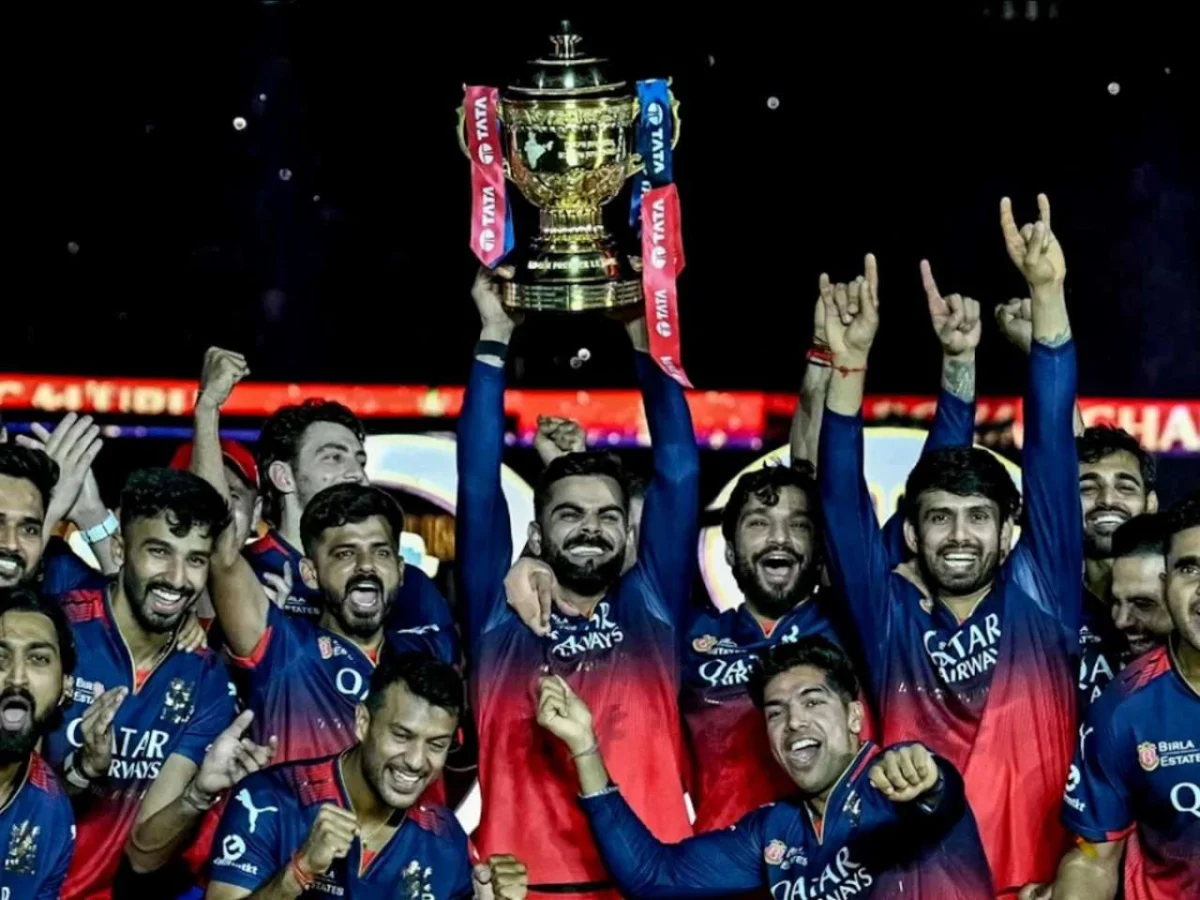
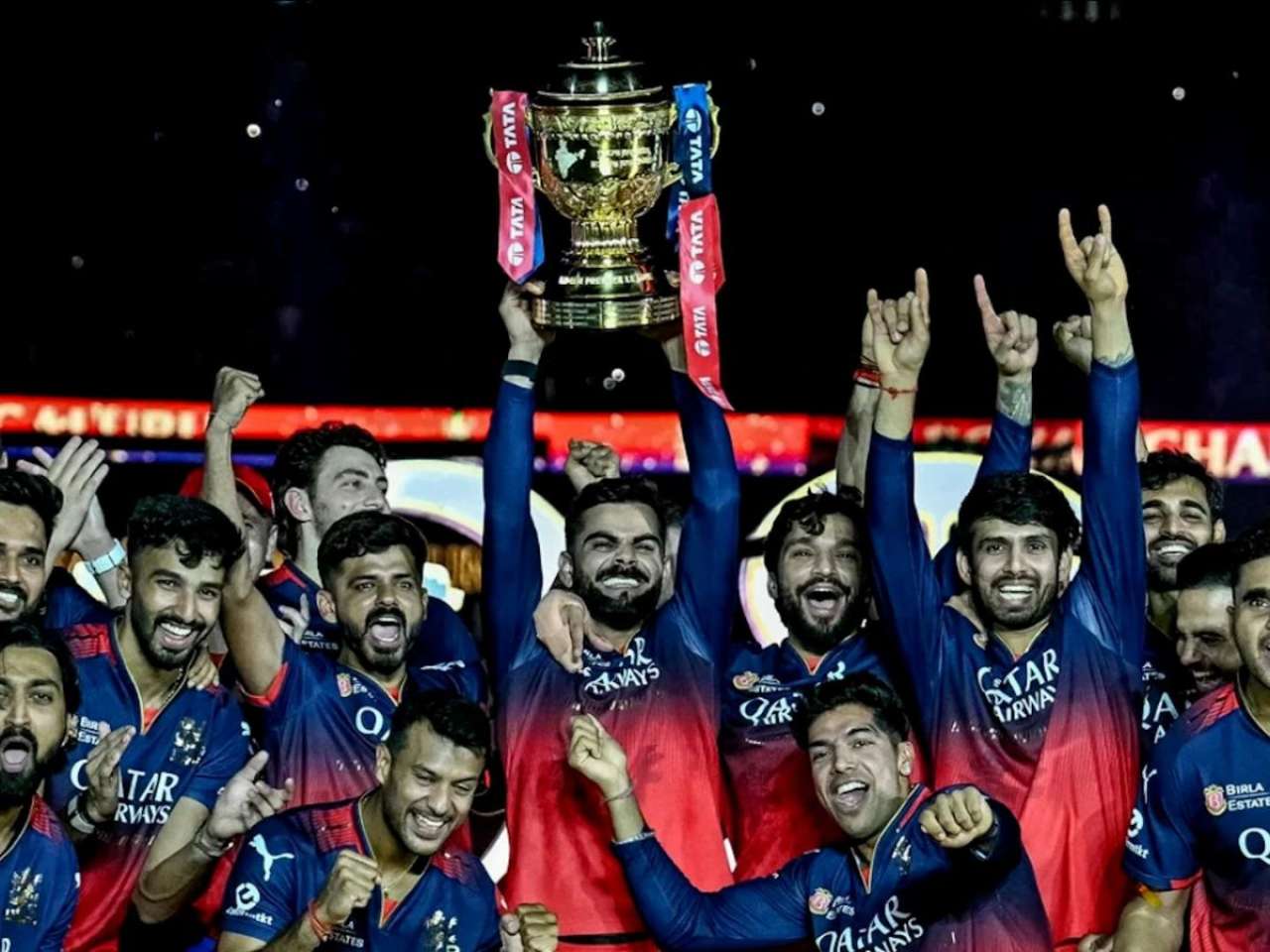
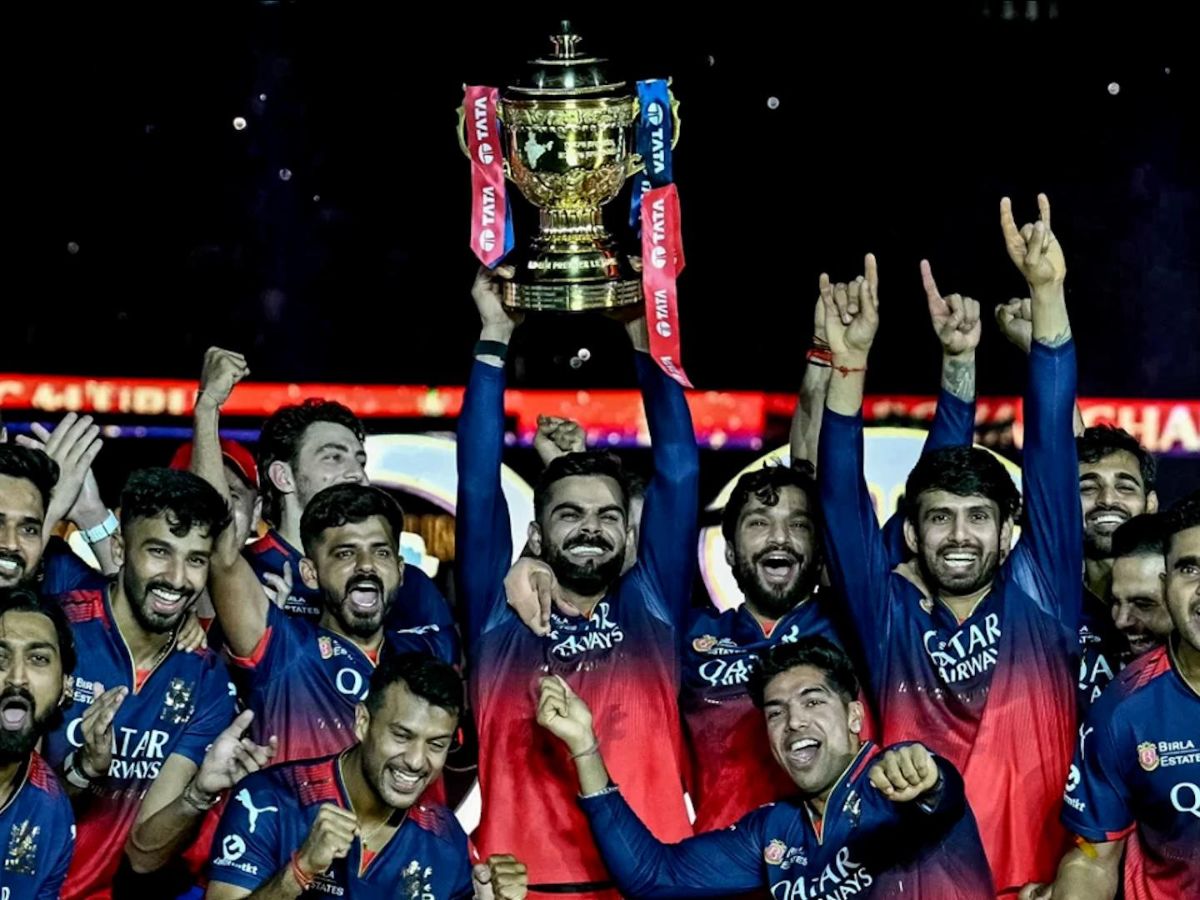
Adding an intriguing layer to the build-up for 2027, the Royal Challengers Bangalore (RCB), a franchise that endured years of unfulfilled potential, will enter the 20th season as the reigning champions. Having broken their long-standing title drought with back-to-back victories in the 2025 and 2026 editions, RCB’s journey to successive championships provides a compelling narrative of perseverance and triumph, setting the stage for an even more captivating defense of their title in the landmark 20th season.
)
Chronology: Two Decades of Transformation
The IPL’s journey from a bold concept to a global powerhouse is a testament to vision, innovation, and relentless execution. The story of its evolution is a fascinating chronicle of cricketing history.
The Genesis: A Revolutionary Beginning (2008-2010)
The genesis of the Indian Premier League can be traced back to a period of flux within global cricket. In the mid-2000s, the emergence of Subhash Chandra’s unsanctioned Indian Cricket League (ICL) served as a catalyst for the BCCI to launch its own professional Twenty20 league. Spearheaded by then-BCCI Vice-President Lalit Modi, the IPL was conceptualized as a franchise-based competition, marrying the fervor of Indian cricket with the glitz and glamour of entertainment. The league aimed to tap into India’s vast cricketing talent pool while also attracting the biggest international stars.

The inaugural match, held on April 18, 2008, at the M Chinnaswamy Stadium in Bengaluru, was nothing short of an explosion. Kolkata Knight Riders (KKR) faced Royal Challengers Bangalore (RCB), and the cricketing world witnessed a spectacle that instantly defined the league’s ethos. Brendon McCullum, opening the batting for KKR, unleashed an unforgettable assault, smashing an unbeaten 158 runs off just 73 balls, featuring 10 fours and 13 sixes. This electrifying performance not only secured a dominant victory for KKR but also firmly etched the IPL into the global sporting consciousness. It was a clear statement: this was not just another cricket tournament; it was a high-octane, entertainment-driven carnival of skill and power. The league began with eight city-based franchises, each vying for the coveted title and establishing their unique fan bases.
Evolution and Expansion: Growing Pains and Triumphs (2011-2021)
Following its explosive start, the IPL quickly cemented its place as a staple on the international cricketing calendar. The initial years saw a rapid increase in its brand value and viewership. However, this period was not without its challenges, including controversies surrounding franchise ownership, player auctions, and occasional administrative hurdles. Yet, the league’s resilience and inherent appeal allowed it to overcome these obstacles, consistently drawing massive audiences and generating immense commercial interest.
)
Over the subsequent editions, the IPL introduced several innovations that became integral to its identity. The strategic timeout, allowing teams a brief pause to regroup and strategize, became a unique feature. The league also continuously refined its player auction dynamics, making it a dramatic annual event that captured significant media attention. The pool of talent grew exponentially, with young Indian cricketers getting an unparalleled platform to rub shoulders with and compete against the world’s best. This exposure not only elevated their individual games but also significantly strengthened the bench strength of the Indian national team.
By 2022, the league embarked on a significant expansion, growing from eight to ten teams with the introduction of Gujarat Titans (GT) and Lucknow Super Giants (LSG). This expansion not only created more opportunities for players and increased the league’s geographical footprint but also expanded the season’s schedule to 74 matches, offering more cricketing action to its burgeoning global fanbase. This growth demonstrated the IPL’s robust health and its capacity for further development, laying the groundwork for even grander ambitions.
)
Dominance and Dynasties: The Reign of Champions (2008-2026)
Over nineteen editions, the IPL has witnessed the rise of formidable teams and iconic captains who have etched their names into the league’s history books. The Mumbai Indians (MI) and Chennai Super Kings (CSK) stand alone as the most dominant franchises, each having clinched the IPL title a remarkable five times. Their success is intrinsically linked to the astute leadership of two of cricket’s greatest minds: Rohit Sharma for MI and MS Dhoni for CSK. These captains not only led their teams to multiple championships but also cultivated a culture of excellence and resilience that became synonymous with their respective franchises.
Beyond these two giants, other teams have also tasted glory. The Kolkata Knight Riders have secured three titles, often under the dynamic leadership of Gautam Gambhir. The Sunrisers Hyderabad, Rajasthan Royals, Deccan Chargers (now defunct), and Gujarat Titans have each lifted the trophy once, showcasing the competitive balance and unpredictable nature of the tournament. Each victory represents a unique journey of strategic brilliance, individual heroics, and collective team effort.
)
In a recent and particularly compelling development leading up to the 20th season, the Royal Challengers Bangalore (RCB) finally broke their long-standing title drought. After years of being a strong team on paper but falling short in crucial moments, RCB achieved a historic feat by winning back-to-back titles in the 2025 and 2026 editions. This remarkable turnaround, fueled by a renewed strategic approach and stellar performances, transformed their narrative from perennial underachievers to formidable champions. As they head into the 20th edition in 2027, RCB will carry the immense pressure and prestige of defending their consecutive titles, adding another layer of excitement to the milestone season.
Supporting Data: The IPL’s Economic and Cultural Powerhouse
The Indian Premier League is more than just a sports league; it is an economic juggernaut and a cultural phenomenon that generates staggering figures in terms of finance, viewership, and talent development.
)
Financial Juggernaut: A Billion-Dollar Empire
The financial trajectory of the IPL is arguably its most compelling story. From its inception, the league demonstrated immense commercial potential. The first ten-year television rights deal, signed in 2008, was valued at approximately $1 billion – a significant sum for a nascent league. However, this figure pales in comparison to its recent valuation.
In 2022, the media rights for the 2023-2027 cycle were sold for an astounding INR 48,390 crore, which translates to roughly $6.2 billion. This monumental deal catapulted the IPL into an elite echelon of global sports leagues. Crucially, it made the IPL the world’s second most valuable sports league for media rights per match, trailing only the formidable National Football League (NFL) in the United States. This valuation underscores the immense advertiser interest, fan engagement, and global appeal that the IPL commands. Beyond media rights, the league generates substantial revenue through sponsorship deals, merchandising, gate receipts, and franchise fees, contributing significantly to India’s sports economy. Various independent reports estimate the IPL’s overall brand value to be in the billions of dollars, making it one of the most valuable sports properties worldwide. Its economic impact extends to creating jobs, boosting tourism in host cities, and providing a massive platform for brands to connect with a diverse and engaged audience.
)
Audience & Global Reach: Connecting Millions
The IPL’s appeal extends far beyond the stadiums. Its viewership numbers, both on television and digital platforms, are astronomical. Each season draws hundreds of millions of viewers across India, making it one of the most-watched sporting events in the country. The advent of digital streaming platforms has further democratized access, allowing fans to watch matches on the go and engage with the content in innovative ways.
Internationally, the IPL has cultivated a robust global fan base, particularly among the South Asian diaspora and cricket enthusiasts worldwide. Broadcast rights are sold to numerous countries, ensuring that the spectacle reaches every corner of the globe. The league’s active presence on social media platforms further amplifies its reach, fostering a vibrant online community where fans can interact, share opinions, and celebrate their favorite teams and players. This global engagement not only enhances the league’s brand but also plays a significant role in promoting T20 cricket and attracting new audiences to the sport. The IPL has become a powerful tool for cultural soft power, showcasing India’s organizational capabilities and its passion for cricket on a grand international stage.
)
Talent Development & Impact: A Crucible for Excellence
Perhaps one of the most profound impacts of the IPL lies in its role as a talent incubator. For young Indian cricketers, the league offers an unparalleled platform to hone their skills under pressure, compete against the best international players, and gain invaluable experience. Many current and former Indian national team stars have credited the IPL with accelerating their development and preparing them for the rigors of international cricket. The league has effectively bridged the gap between domestic and international standards, creating a steady supply of well-prepared talent for the national team.
The integration of international stars from across the cricketing world further enriches the league. These players not only bring their immense skill and experience but also foster a cross-cultural exchange of cricketing philosophies and techniques. This melting pot of talent elevates the standard of T20 cricket, pushing players to constantly innovate and perform at their peak. The IPL’s influence is also felt in national team selections, with strong performances in the league often serving as a direct pathway to international caps, highlighting its status as a premier proving ground for cricketing talent.
)
Official Responses: Leadership’s Vision for the Future
The BCCI and the re-elected members of the IPL Governing Council are not merely looking back at past glories; they are actively shaping the future of the league, particularly with the 20th edition in mind.
BCCI’s Vision for 2027: A Celebration to Remember
The decision to make the 20th IPL season a "celebration to remember" underscores the BCCI’s deep understanding of the league’s significance. While specific details of the grand events are still under wraps, the board’s intent is clear: to create an unforgettable spectacle that honours the league’s journey, its fans, and everyone who has contributed to its success. This vision likely encompasses a series of high-profile opening and closing ceremonies, special fan engagement initiatives, commemorative events across various cities, and perhaps even legacy projects aimed at further promoting cricket at the grassroots level.
)
Sources within the BCCI suggest that discussions have revolved around not just a one-off event, but a season-long celebration that builds anticipation and engagement. There is a strong desire to involve all stakeholders – franchises, players, former legends, and most importantly, the fans – in this monumental occasion. The aim is to solidify the IPL’s place as a global leader in sports entertainment and to set new benchmarks for how a sporting milestone can be celebrated on an international scale. The board’s proactive approach signals a commitment to continuously innovate and elevate the fan experience, ensuring the IPL remains at the forefront of sports leagues worldwide.
Governing Council’s Mandate: Steering the Next Chapter
The re-election of Arun Singh Dhumal and M Khairul Jamal Majumdar without opposition is a strong vote of confidence in their leadership and their ability to steer the league through its "next important chapter." Arun Dhumal, with his background as a former BCCI treasurer and his experience leading the Governing Council since 2022, brings invaluable administrative acumen and financial prudence to the role. His mandate includes not only overseeing the day-to-day operations of the league but also strategically planning for its future growth, ensuring financial stability, and maintaining its competitive integrity.
)
Khairul Jamal Majumdar, representing Mizoram, plays a crucial role in ensuring inclusivity within the IPL’s governance. His presence guarantees that the perspectives and needs of smaller state associations, which are vital for the overall development of cricket in India, are heard and considered in key decisions. Together, Dhumal and Majumdar are entrusted with a multifaceted mandate: to safeguard the league’s reputation, enhance its global appeal, manage its complex logistics, ensure player welfare, and most importantly, to execute the grand plans for the 20th-anniversary celebrations flawlessly. Their leadership will be critical in navigating potential challenges such as managing an increasingly packed international cricketing calendar, exploring new revenue streams, and maintaining the delicate balance between commercial interests and cricketing excellence.
Implications: Charting the Course for Future Dominance
The impending 20th edition of the IPL in 2027 is not just a point of celebration but also a critical juncture that will shape the league’s trajectory for decades to come. Its implications resonate across various facets of cricket and the broader sports industry.
)
Future of IPL: Expansion and Innovation
Looking ahead, the IPL’s future appears boundless. The success of the 10-team format and the increased number of matches suggest potential for further expansion. Discussions around adding more franchises, perhaps even exploring different geographical bases within India or expanding into new international markets for exhibition matches, are likely to gain traction. Technological advancements will continue to play a pivotal role in enhancing the fan experience, from immersive broadcast technologies and virtual reality experiences to personalized digital content and advanced analytics. The league may also explore new formats or variations to keep the game fresh and engaging, while maintaining its core T20 appeal. The focus will undoubtedly be on sustaining its phenomenal growth, innovating continually, and reinforcing its position as a global leader in sports entertainment. Sustainability, in terms of environmental impact and long-term financial viability, will also become increasingly important considerations.
Impact on Global Cricket: A Double-Edged Sword
The IPL’s immense success has had a profound impact on global cricket, both positive and challenging. On one hand, it has inspired the creation of numerous other T20 leagues around the world, spreading the popularity of the format and offering professional opportunities to cricketers globally. It has also demonstrated the commercial viability of cricket, prompting other boards to invest in their domestic structures.
)
However, the IPL’s dominant presence in the cricketing calendar has also led to concerns about player workload management and calendar congestion. The allure of the IPL’s financial rewards can make it challenging for players to balance national duties with franchise commitments. This necessitates careful planning and cooperation between national boards and the IPL to ensure player welfare and maintain the integrity of international cricket. Furthermore, the IPL’s financial model sets a high benchmark, which can be challenging for smaller cricket boards to emulate, potentially leading to an uneven distribution of cricketing power. The dialogue between the IPL and international cricketing bodies will be crucial in mitigating these challenges and fostering a harmonious global cricketing ecosystem.
Legacy of the 20th Edition: Cementing a Sporting Icon
The 20th edition of the IPL in 2027 is envisioned as more than just a season; it’s an opportunity to solidify the league’s legacy as a true sporting icon. The grand celebrations planned will serve as a powerful narrative, commemorating the journey from a fledgling league to a multi-billion-dollar enterprise that has redefined cricket. What will make this season truly memorable is not just the spectacle, but how it frames the IPL’s enduring values: competitive excellence, innovation, fan engagement, and its role in transforming lives.
)
The hope is that the 20th edition will inspire a new generation of cricketers and fans, further cementing the IPL’s place in sports history as a testament to what can be achieved when vision, passion, and strategic execution converge. It will stand as a beacon of sporting success, a celebration of India’s cricketing prowess, and a global phenomenon that continues to capture hearts and minds around the world. The legacy of this milestone will be measured not just in trophies won, but in the sustained growth, cultural impact, and continued innovation that it propels into the next two decades and beyond.
