

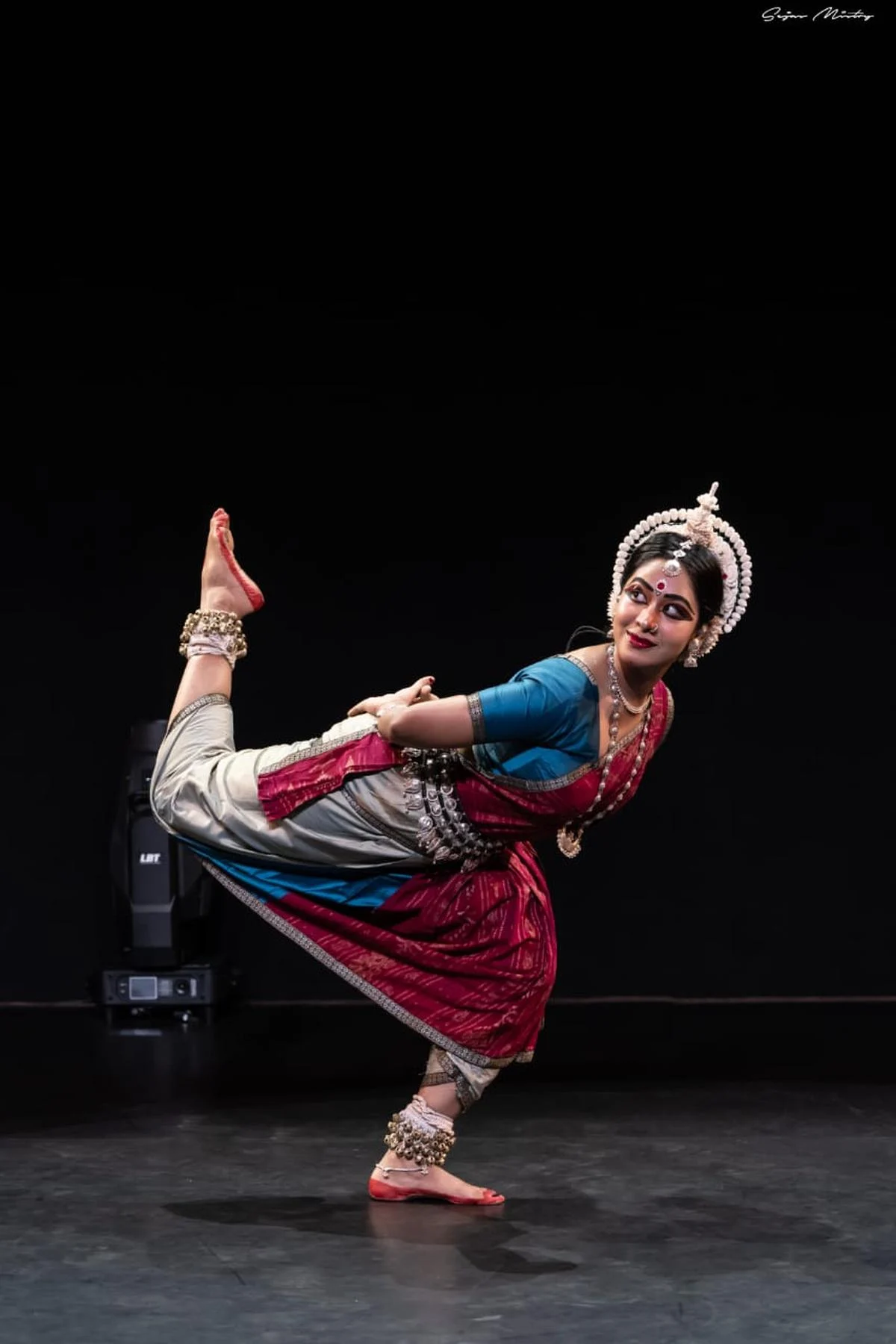
New Delhi, India – June 18, 2026 – In the vibrant tapestry of Indian classical dance, where millennia-old traditions meet contemporary artistic expression, a profound synergy is emerging. Beyond the intricate footwork, expressive gestures, and captivating storytelling, a growing number of dancers are recognizing the indispensable role of physical and mental conditioning. This article delves into how disciplines like yoga, pranayama (yogic breathing exercises), and modern fitness regimes are not merely supplementary but foundational to the sustained excellence and longevity of dancers across various classical forms, including Kuchipudi, Bharatanatyam, and Odissi.
For centuries, the rigors of classical Indian dance have demanded extraordinary physical prowess, mental discipline, and emotional depth. However, the modern performance landscape, characterized by increasingly demanding choreography, international touring, and a longer artistic career span, necessitates a more holistic and scientifically informed approach to dancer well-being. This evolution is evident in the personal journeys of artists like Avijit Das, Meera Sreenarayanan, and Preetisha Mohapatra, who articulate how these complementary practices have not only honed their artistry but also safeguarded their bodies and minds for enduring careers.
The Foundational Pillars: Pranayama and Yoga in Classical Dance
Avijit Das: The Breath as the Soul of Kuchipudi
Kuchipudi, a vibrant dance-drama tradition from Andhra Pradesh, is renowned for its dynamic blend of rhythm, expression, and narrative. For Avijit Das, a dedicated Kuchipudi artiste, the integration of pranayama and yoga has been transformative. "When I look back at my training in Kuchipudi, I realise how pranayama, yoga, and breathing techniques have shaped me as an artiste," Das states. "The dance form, with its blend of rhythm, expression, and storytelling, is demanding, requiring a dancer to align both body and mind. These practices have therefore remained a constant."
Das emphasizes the profound impact of pranayama on his ability to center himself before practice or performance. In classical dance, where the seamless flow between abhinaya (expression) and nritta (pure dance) is paramount, controlled breathing is the key to maintaining focus and emotional equilibrium. Techniques such as anulom vilom (alternate nostril breathing) and kapalabhati (skull-shining breath) are instrumental in sharpening his energy and steadying his mind. This mental fortitude allows him to sustain long hours of rehearsal and navigate the intensity of performance, enabling him to channel devotion and emotion more deeply into his dance—an essential element of Kuchipudi’s narrative tradition.
"In dance, where every movement is anchored in rhythm and emotion, breath becomes the thread that connects the two," Das explains. He has learned to synchronize his inhalations and exhalations with the tala (rhythmic cycle), facilitating smoother transitions and enhancing the fluidity of his movements. Furthermore, breath acts as a vehicle for rasa, the emotional flavor of the performance. A forceful exhalation can amplify the drama of a battle scene, while a gentle inhalation can soften the mood in a devotional piece. Through this conscious integration, Das transforms his dance from mere physical exertion into a living, expressive art form.
Beyond breathwork, yoga has been crucial in fortifying Das’s physical capabilities. Kuchipudi demands agility, strength, and grace, whether in executing brisk footwork, sustaining the ardhamandalam (half-sitting posture), or holding statuesque poses. Through yoga, Das has strengthened his core, improved his posture, and gained the flexibility that lends fluidity to his movements. This practice has also been instrumental in injury prevention, keeping his joints supple and his body aligned. "Beyond the physical benefits, yoga has instilled patience and discipline," he notes. "Holding a pose and breathing through discomfort mirrors the endurance required when rehearsing complex Kuchipudi choreography."

Meera Sreenarayanan: Yoga as a Lens for Attentive Living
For Meera Sreenarayanan, a Bharatanatyam dancer, yoga has been a lifelong companion, initially perceived as an extension of her dance training. "Flexibility, balance, mobility, and strength were the yardsticks of progress. The body needed to be trained, honed, and understood," she recalls of her early years.
However, the profound shifts brought by marriage and motherhood offered Sreenarayanan a new perspective on yoga. "Every pregnancy is different and deeply personal," she shares. "Years of dance training cultivate a sense of agency over the body. This phase offers a humbling reminder that not everything can be directed, corrected, or rehearsed. Life takes shape breath by breath."
It was during this period that Sreenarayanan discovered a deeper dimension of yoga, one that had previously eluded her. "Breath suddenly demanded attention amid change, discomfort, anticipation, and uncertainty. And once I became aware of it, its influence seemed impossible to miss." As a Bharatanatyam dancer, this heightened awareness of breath illuminated its intricate connection to movement. "The quality of a movement often depends on the quality of the breath that precedes it. The same is true of abhinaya. Before an emotion appears in the eyes, face, or body, it often announces itself in the breath. Paying attention to that brought a new honesty to expression."
This insight transcended her dance practice, becoming a guiding principle in her life. "Whenever something felt out of sync, the answer was rarely to push harder. More often, it was to pay closer attention." In a contemporary world that often equates fitness with relentless exertion, Sreenarayanan finds that yoga continues to remind her of the "value of noticing more." She reflects, "For years, I thought yoga was helping me become a better dancer. It took pregnancy to show me that it was helping me become a more attentive human." This shift underscores yoga’s capacity to cultivate not just physical well-being but profound emotional and mindful awareness.
Modern Conditioning and the Future of Odissi
Preetisha Mohapatra: Integrating Ancient Wisdom with Sports Science in Odissi
Preetisha Mohapatra, a 27-year-old Odissi dancer, embodies the contemporary dancer’s commitment to rigorous physical conditioning, seamlessly blending traditional aesthetics with modern fitness science. Odissi, characterized by its sculptural postures inspired by ancient temple art and its fluid, lyrical movements, inherently incorporates yogic sensibilities. However, Mohapatra acknowledges the increased demands of contemporary performance environments, necessitating a more multi-dimensional approach to conditioning.

Building upon the legacy of her illustrious family – her grandfather, Guru Kelucharan Mohapatra, was a pioneer in injury prevention research for iconic Odissi postures like the tribhangi, and her father, Ratikant Mohapatra, refined toe-and-knee alignment after a personal ligament injury – Preetisha has integrated specialized weight training into her daily regimen. "While dance provides excellent cardio, strength, and endurance, a solo performance requires sustained stamina to command the stage for an hour," she explains. "Today’s challenges, including shifts in lifestyle, environment, and dietary quality, necessitate targeted resistance training and strict nutritional discipline."
Mohapatra’s emphasis on weight training is strategic. "Weight training specifically builds and preserves muscle mass, shielding the skeletal structure from the physical shocks of ageing," she asserts. This proactive discipline ensures that the body remains robust, highly resilient, and capable of enduring the rigorous physical demands of classical dance well into the future.
She articulates a nuanced understanding of an artist’s career trajectory: "Classical dance is a slow, layered journey. While an artiste in the twenties is still evolving, it is in the forties and fifties that the form acquires depth and richness. To sustain this progress, the body must be nurtured from within early on." This forward-thinking approach highlights the importance of preventative care and long-term physical investment.
Mohapatra further elaborates on the inherent yogic principles within Odissi’s foundational postures. "The sculptural postures of Odissi – the tribhangi, chauka, and related stances – carry an inherent yogic sensibility, offering both alignment and internal balance." She also points to her mother, senior dancer and choreographer Sujatha Mohapatra, who adheres to a dedicated yoga regimen, including Surya Namaskar, attributing her own physical stamina and mental focus to it.
For Preetisha’s generation, the advantage lies in a unique confluence of inherited wisdom and contemporary knowledge. "Armed with the awareness passed down by my predecessors, my generation has the rare advantage of learning from past injuries," she concludes. "By combining this inherited wisdom with contemporary sports science, we can build the physical resilience required to sustain a long, injury-free artistic journey."
The Broader Implications for Classical Indian Dance
The experiences of Avijit Das, Meera Sreenarayanan, and Preetisha Mohapatra are not isolated anecdotes but indicative of a broader trend within the classical Indian dance fraternity. As the art form evolves and its practitioners aspire to longer, more impactful careers, the integration of yoga, pranayama, and evidence-based fitness protocols is becoming increasingly indispensable.
Chronology of Integration:

- Ancient Roots: Yoga and breathwork have been intrinsically linked to Indian performing arts for centuries, often implicitly woven into the training regimens. The emphasis on physical discipline and spiritual connection in classical dance naturally aligns with yogic philosophy.
- Early 20th Century: The revival and codification of classical dance forms often involved a rigorous physical training component, where flexibility, strength, and stamina were paramount. Gurus implicitly understood the need for a strong, resilient body.
- Late 20th Century Onwards: With greater exposure to global fitness trends and increased understanding of sports science, dancers began to consciously incorporate specific yoga practices and strength training into their routines. The focus shifted from purely aesthetic training to functional conditioning for longevity and injury prevention.
- Present Day: A sophisticated integration is now evident, where dancers leverage ancient yogic wisdom alongside contemporary sports medicine and biomechanics. This allows for highly personalized training plans that address the specific demands of each dance form.
Supporting Data and Research:
While direct statistical data on the prevalence of yoga and fitness in classical dance training is nascent, anecdotal evidence and the growing number of dancers speaking openly about these practices are strong indicators. Academic research in dance science increasingly highlights the benefits of:
- Yoga for Dancers: Studies have demonstrated yoga’s effectiveness in improving flexibility, balance, core strength, proprioception, and reducing stress and anxiety in dancers. Its focus on mindfulness also enhances body awareness and injury rehabilitation.
- Pranayama for Performance: Research in respiratory physiology suggests that controlled breathing techniques can improve lung capacity, oxygenation, and autonomic nervous system regulation, all crucial for sustained physical exertion and emotional control during performances.
- Strength Training for Injury Prevention: In the context of dance, targeted strength training, particularly of the core and stabilizing muscles, is recognized as vital for preventing common dance-related injuries such as stress fractures, ligament sprains, and muscle strains.
Official Responses and Institutional Adoption:
While formal institutional mandates for yoga or specific fitness regimes within classical dance curricula are still developing, many prominent dance academies and gurus are actively encouraging their integration. Workshops focusing on dancer well-being, injury prevention, and cross-training are becoming more common. The National Centre for the Performing Arts (NCPA) in Mumbai and the Kalakshetra Foundation in Chennai, among other leading institutions, are increasingly recognizing the importance of holistic dancer development. The inclusion of dance science and conditioning modules in higher education programs for performing arts is also gaining traction.
Implications for the Future of Classical Indian Dance:
The conscious adoption of yoga, pranayama, and modern fitness by classical Indian dancers carries significant implications:
- Enhanced Artistic Longevity: Dancers can maintain peak physical condition for longer periods, allowing them to explore the nuances of their art form with greater depth and maturity in their later years.
- Reduced Injury Rates: Proactive conditioning significantly lowers the incidence of debilitating injuries, ensuring that artistic careers are not prematurely cut short.
- Deeper Expressive Capabilities: The enhanced mind-body connection fostered by these practices allows for more nuanced and authentic emotional expression, enriching the storytelling aspect of classical dance.
- Greater Accessibility: As these practices become more normalized, they can make the demanding path of classical dance more accessible and sustainable for a wider range of aspiring artists.
- Global Relevance: By embracing contemporary conditioning methods, Indian classical dance can continue to resonate with global audiences, demonstrating its adaptability and commitment to artistic excellence in the 21st century.
In conclusion, the intertwining of ancient yogic wisdom with modern scientific understanding is not just a trend but a crucial evolution in the landscape of Indian classical dance. It underscores the profound truth that the dancer’s body and mind are not merely instruments of performance but integral to the very essence of the art form, requiring diligent cultivation and thoughtful nurturing for a lifetime of expressive brilliance.
