

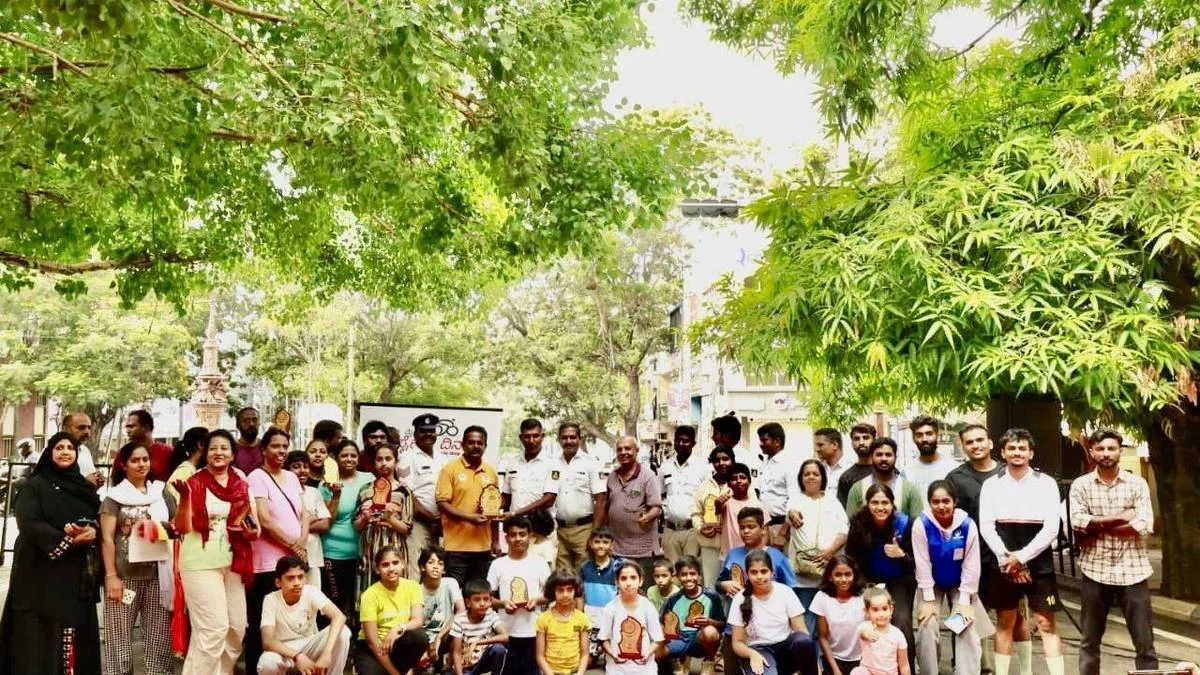
Mysuru, India – May 11, 2026 – In a vibrant testament to its commitment to environmental stewardship and public well-being, the city of Mysuru on Monday hosted the fourth iteration of its highly anticipated "Mysuru Cycle Day." The event, a cornerstone of the city’s initiative to foster sustainable urban mobility and improve air quality, saw an overwhelming response from citizens of all ages, transforming the Saraswathipuram area into a hub of eco-conscious activity and community spirit.
This year’s Mysuru Cycle Day, orchestrated by the Mysuru City Corporation (MCC) in strategic partnership with the German Corporation for International Cooperation (GIZ) and ESAF, under the banner of the Sustainable Urban Mobility-Air Quality initiative, underscored the critical nexus between environmental conservation, public health, and the pursuit of pollution-free urban living. The event’s success serves as a powerful reminder of the city’s growing dedication to embracing cleaner alternatives to conventional vehicular transportation.
The Heart of the Movement: A Cyclist’s Pledge
The focal point of the day’s festivities was an exhilarating five-kilometer cycle rally that snaked through the heart of Saraswathipuram. Hundreds of cycling enthusiasts, from seasoned riders to enthusiastic students and local residents, pedaled with purpose, their collective movement a visual representation of Mysuru’s burgeoning commitment to eco-friendly transportation. The sheer number of participants highlighted a growing awareness and a tangible desire among the populace to embrace a healthier, more sustainable lifestyle.
Beyond the exhilarating rally, the event meticulously curated a series of engaging "Open Street" activities and traditional games. This innovative approach transformed key urban thoroughfares, typically dominated by vehicular traffic, into dynamic public spaces. The streets, momentarily reclaimed by the community, served as a powerful demonstration of how urban infrastructure can be reimagined to foster human connection, promote physical activity, and reinforce the notion that roads can be more than just conduits for cars; they can be vibrant platforms for community interaction and shared experiences.
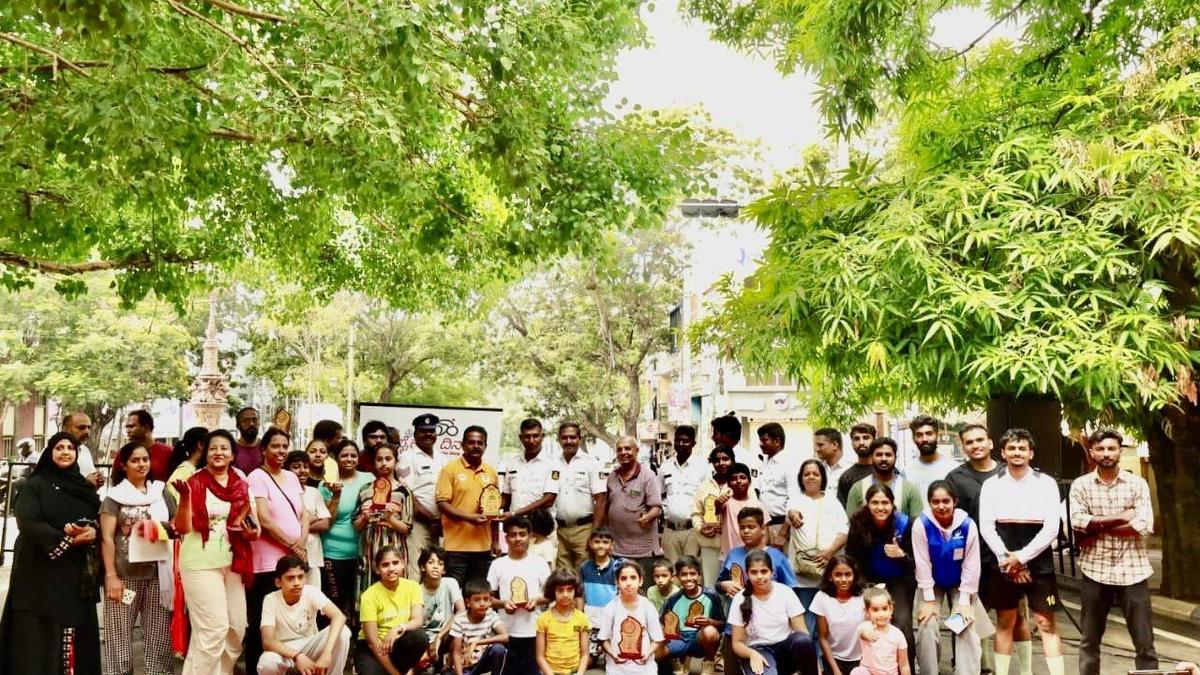
The seamless execution of Mysuru Cycle Day was made possible through the invaluable support of various civic bodies and organizations. The Mysuru City Police and Traffic Police played a crucial role in ensuring the safety and smooth flow of the event, meticulously managing traffic diversions and ensuring a secure environment for all participants. The active involvement of NCC cadets added a disciplined and enthusiastic element to the proceedings, while the collaboration with numerous educational institutions and government departments underscored the multi-faceted approach to promoting sustainable urban development.
A Growing Momentum: From Initiative to Institution
Organizers of Mysuru Cycle Day expressed their profound satisfaction with the event’s escalating impact. They noted that the annual celebration is steadily solidifying its position as a pivotal platform for championing clean mobility and instilling a culture of healthy living among Mysuru’s citizens. The MCC, in its concluding remarks, extended its sincere gratitude to the myriad volunteers whose dedication and hard work were instrumental in the event’s success. A special acknowledgement was also reserved for the partner organizations and, most importantly, the enthusiastic public whose participation transformed the day into a resounding triumph.
The continuous growth and positive reception of Mysuru Cycle Day signal a promising trajectory for the city’s sustainability agenda. It demonstrates a tangible shift in public consciousness, moving beyond mere awareness to active participation in creating a more livable and environmentally responsible urban landscape.
The Underpinnings of Change: Policy, Partnerships, and Public Health
The success of Mysuru Cycle Day is not an isolated incident but a culmination of strategic planning and collaborative efforts aimed at addressing critical urban challenges. The event serves as a tangible manifestation of Mysuru’s broader commitment to sustainable urban development, a commitment that is increasingly being recognized and replicated in cities across India.
The Policy Framework: A Vision for Sustainable Mobility
The Mysuru City Corporation’s proactive stance on promoting non-motorized transport is embedded within a larger policy framework aimed at reducing vehicular emissions and improving the overall quality of life for its residents. The Sustainable Urban Mobility-Air Quality initiative, under which Mysuru Cycle Day is organized, is a testament to this forward-thinking approach. This initiative recognizes that a city’s progress is intrinsically linked to its ability to provide clean and efficient transportation options for its citizens.
Key policy drivers include:
- Promotion of Cycling Infrastructure: While not explicitly detailed in the original report, the success of such events often necessitates and spurs investment in dedicated cycling lanes, secure parking facilities, and integrated public transport networks that accommodate bicycles. The MCC’s commitment to Mysuru Cycle Day implicitly signals a recognition of the need to build and improve such infrastructure.
- Air Quality Monitoring and Improvement: The "Air Quality" component of the initiative highlights a focus on data-driven policy. Events like Mysuru Cycle Day serve as powerful public awareness campaigns, reinforcing the direct link between reduced vehicular emissions and improved air quality. This can, in turn, support more stringent emission control measures and the adoption of cleaner vehicle technologies.
- Public Health Integration: The explicit mention of "public health" underscores a holistic approach. By encouraging cycling, the city is actively promoting physical fitness, combating sedentary lifestyles, and reducing the incidence of lifestyle-related diseases. This not only benefits individual citizens but also contributes to a healthier and more productive society, potentially reducing healthcare burdens in the long run.
The Power of Partnerships: GIZ and ESAF’s Role
The collaboration with international and national organizations like GIZ and ESAF is crucial for bringing global best practices and specialized expertise to local initiatives.
- GIZ (Deutsche Gesellschaft für Internationale Zusammenarbeit): As a federal enterprise operating worldwide, GIZ is a key player in international cooperation for sustainable development. Their involvement in Mysuru likely brings technical expertise in urban planning, mobility solutions, and the implementation of sustainable development goals. GIZ’s support can translate into strategic guidance, access to funding, and the facilitation of knowledge exchange with other cities that have successfully implemented similar initiatives.
- ESAF (Environmental and Social Action Foundation): While the full scope of ESAF’s involvement isn’t detailed, their participation as a partner suggests a focus on the environmental and social impact of urban mobility. They likely contribute by mobilizing community engagement, conducting awareness programs, and ensuring that the event’s objectives align with broader environmental conservation efforts and the well-being of local communities.
These partnerships provide a robust framework for scaling up successful initiatives, ensuring long-term sustainability, and fostering a culture of continuous improvement in urban planning and mobility.
Supporting Data and Evidence: The Case for Cycling
While the article focuses on the event itself, the underlying rationale for promoting cycling is supported by a growing body of data and research:
- Environmental Benefits: Studies consistently show that cycling significantly reduces greenhouse gas emissions and local air pollutants compared to motorized transport. Each kilometer cycled instead of driven contributes to cleaner air and a reduced carbon footprint.
- Health Benefits: Regular cycling is associated with a lower risk of cardiovascular diseases, type 2 diabetes, certain cancers, and obesity. It also improves mental health by reducing stress and anxiety. The World Health Organization (WHO) strongly advocates for active transport as a means to combat the global epidemic of non-communicable diseases.
- Economic Benefits: Reduced reliance on fossil fuels translates to cost savings for individuals and the nation. Furthermore, investing in cycling infrastructure can create jobs and stimulate local economies. Cities that prioritize cycling often experience increased foot traffic in commercial areas, benefiting local businesses.
- Traffic Congestion Reduction: As more people opt for bicycles, the number of vehicles on the road decreases, leading to less traffic congestion, shorter travel times, and reduced frustration for all road users.
The success of Mysuru Cycle Day can be viewed as a positive indicator, suggesting that the city is moving in the right direction towards realizing these multifaceted benefits.
Official Responses and Future Outlook
The enthusiastic participation and the successful execution of the fourth Mysuru Cycle Day have garnered positive official responses, reinforcing the city’s commitment to its sustainability goals.
Mysuru City Corporation (MCC): The MCC, as the primary organizer, has consistently emphasized its dedication to fostering a cleaner, healthier, and more livable Mysuru. Their statement of gratitude to volunteers, partner organizations, and the public highlights a collaborative governance model where citizen engagement is paramount. The MCC’s view that Mysuru Cycle Day is "steadily emerging as an important platform" suggests a strategic vision for its continued growth and integration into the city’s urban planning. Future plans likely involve expanding the reach of the event, increasing the frequency, and integrating cycling infrastructure more prominently into urban development projects.
Partner Organizations (GIZ and ESAF): Representatives from GIZ and ESAF have likely expressed their satisfaction with the tangible outcomes of their collaboration. Their engagement signifies a long-term commitment to supporting Mysuru’s transition towards sustainable mobility. They are expected to continue providing technical expertise, facilitating knowledge sharing, and advocating for policies that support clean transportation.
Mysuru City Police and Traffic Police: The active involvement of law enforcement agencies underscores the importance of safety and order in promoting cycling. Their commitment to facilitating such events demonstrates an understanding that a safe environment is crucial for encouraging widespread adoption of cycling.
Educational Institutions and Government Departments: The participation of these entities signifies a systemic approach to embedding sustainability into the city’s fabric. By engaging students and various government bodies, Mysuru is fostering a generation that is environmentally conscious and promoting inter-departmental cooperation for a common goal.
Implications and the Road Ahead
The continued success of Mysuru Cycle Day carries significant implications for the city and potentially serves as a model for other urban centers in India and beyond.
- Catalyst for Infrastructure Development: The increasing popularity of cycling will undoubtedly put pressure on the city to invest in more robust cycling infrastructure. This includes dedicated cycle lanes, secure parking facilities at public transport hubs and commercial centers, and better integration of cycling routes with existing road networks.
- Behavioral Shift: The event acts as a powerful catalyst for behavioral change. As more people experience the joy and benefits of cycling, it can lead to a sustained shift away from car dependency, particularly for short to medium-distance commutes.
- Enhanced Public Health Outcomes: A sustained increase in cycling participation will contribute to improved public health metrics, potentially reducing the burden of lifestyle-related diseases and lowering healthcare costs for the city and its residents.
- Economic Opportunities: The growth of cycling can spur economic opportunities in related sectors, such as bicycle manufacturing and repair, cycling tourism, and the development of accessories and safety gear.
- Environmental Stewardship: The most direct implication is the positive impact on the environment. Reduced vehicular emissions will lead to cleaner air, a lower carbon footprint, and a more sustainable urban ecosystem.
- Community Cohesion: The "Open Street" concept, by transforming roads into public spaces, fosters a sense of community and belonging. It encourages social interaction and provides opportunities for residents to connect with their city and each other in a more meaningful way.
As Mysuru embraces the momentum generated by its fourth Cycle Day, the focus will likely shift towards solidifying these gains. This includes not only organizing more such events but also integrating cycling into the daily lives of its citizens through comprehensive urban planning, policy implementation, and continuous public engagement. The vision of a cleaner, healthier, and more connected Mysuru is steadily becoming a reality, pedal by pedal.
