

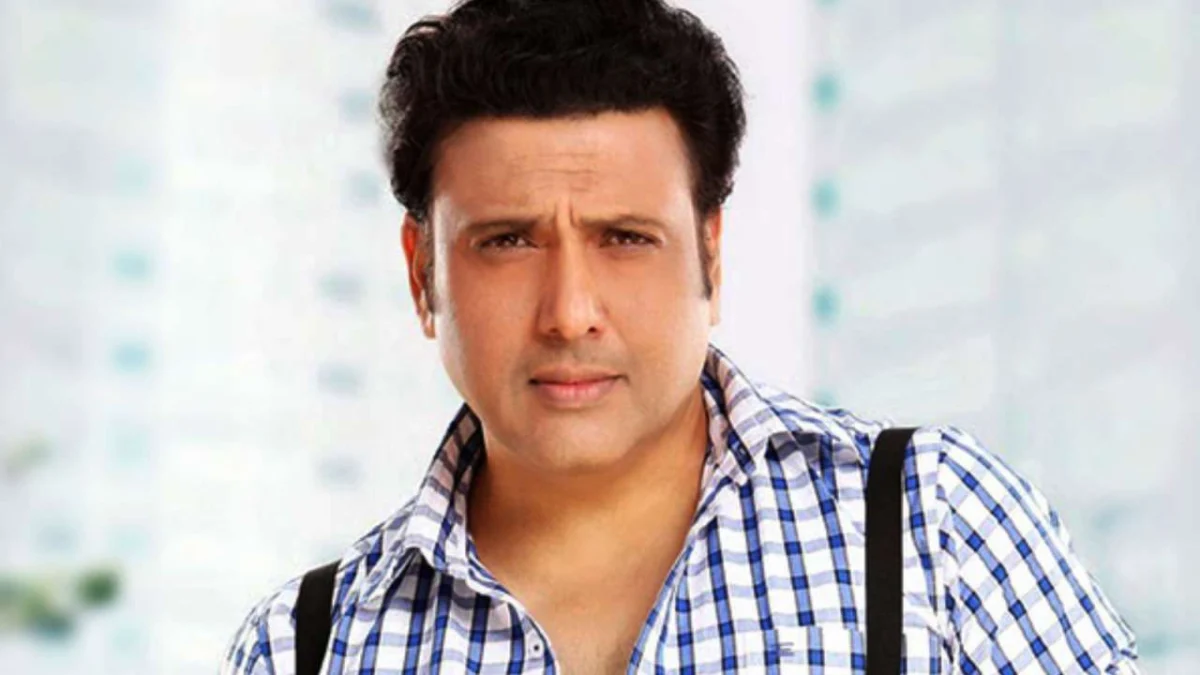
Mumbai, India – In a candid revelation that has sent ripples through the Indian film industry, veteran actor Govinda, a titan of 90s Bollywood, has identified the peppy track "Sarkai Lo Khatiya" from the 1994 blockbuster "Raja Babu" as the undisputed "best song" of his illustrious career. This declaration is particularly striking, as it sidesteps a pantheon of his other chart-topping and iconic numbers, including the infectious "Ankhiyon Se Goli," the energetic "Kisi Disco Mein," the stylish "Husn Hai Suhana," and the catchy "Soni De Nakhre." The statement, made in a recent interview, not only highlights Govinda’s enduring connection to his past successes but also offers a fascinating insight into the artist’s personal valuation of his work, prioritizing a specific song that encapsulates his signature brand of entertainment.
The Enduring Appeal of Govinda’s Musical Footprint
Govinda’s reign in the 1990s was nothing short of phenomenal. Revered as the "King of Comedy," his on-screen persona was characterized by impeccable comic timing, larger-than-life characters, and an unparalleled knack for physical comedy. However, his appeal extended far beyond his acting prowess. Govinda was also a dancing sensation, and the songs from his films frequently transcended their cinematic origins to become cultural phenomena. It was not uncommon for these musical numbers to outshine the films themselves, cementing Govinda’s image as an artist whose rhythm and energy were as crucial to his success as his dialogue delivery.
)
In a conversation with ANI, Govinda himself acknowledged this unique aspect of his career. "Mujhe ye pata tha ki meri filmein nahin chalegi meri filmon ke gaane (zyada) chalenge…meri film ki jo heroine hai woh, film ke gaane chalenge aur heroine ke sath jo (on screen) sambandh banaunga toh woh ek prem sambandh banaunga," he shared, revealing a strategic understanding of his appeal. He recognized that while the films might not always be critical darlings, the songs, and his charismatic chemistry with his co-stars within those musical sequences, would invariably capture the audience’s imagination and foster a sense of connection. This foresight proved remarkably accurate throughout his career, as many of his songs became enduring anthems, played at celebrations and gatherings for decades to come.

"Sarkai Lo Khatiya": A Personal Anthem for the King of Comedy
The revelation that "Sarkai Lo Khatiya" holds the top spot in Govinda’s personal rankings is a significant one. The song, featuring his frequent on-screen partner Karisma Kapoor, is a quintessential example of the high-energy, playful, and often suggestive dance numbers that defined many of Govinda’s most successful films. Sung by the melodious duo Kumar Sanu and Poornima, with music masterfully composed by Anand-Milind and lyrics penned by the celebrated Sameer, the track became an instant hit upon its release. Its infectious beat, catchy lyrics, and Govinda and Karisma’s electrifying chemistry on screen made it a staple of music channels and dance floors.
)
While many might have expected a more overtly romantic or critically acclaimed song to top his list, Govinda’s choice of "Sarkai Lo Khatiya" speaks volumes about his artistic sensibilities and his understanding of what truly resonated with audiences and himself. It represents a specific era of Bollywood, one characterized by uninhibited fun, vibrant visuals, and music that encouraged immediate engagement and celebration.
)
A Nostalgic Journey: Recalling the Magic of "Raja Babu"
Govinda’s recollection of shooting "Sarkai Lo Khatiya" is imbued with a palpable sense of nostalgia and exhilaration. He recalled his mother’s advice: "We named you Govinda, so always keep smiling and keep having fun." This philosophy of joy and lightheartedness, he explained, was a guiding principle that naturally permeated his performances and, consequently, his songs. The spirit of fun and a touch of mischief were the cornerstones of his on-screen persona, and "Sarkai Lo Khatiya" appears to be a prime embodiment of this ethos.
)
The actor vividly recounted the experience of filming the song with Karisma Kapoor, affectionately known as "Lolo." He shared a moment of playful banter with his co-star, suggesting that despite their popular monikers – "Lolo" for Karisma and "Chichi" for himself – the impact of this particular song would transcend their individual identities. "Maine Lolo (Karisma) ko kaha log kitna hi tumhe Lolo aur mujhe Chichi ke naam se bulaayein par ye shot dekhne ke baad poori picture ek taraf aur ye gaane ke liye jo taaliyan bajengi woh ek taraf," he recalled. This statement underscores his confidence in the song’s potential to become a standalone phenomenon.
)
Govinda also revealed a daring impromptu moment during the shoot that solidified the song’s place in his memory. He described to director David Dhawan, his long-time collaborator, his intention to perform a daring aerial maneuver. "Maine David (David Dhawan) ko kaha ki camera roll kare. Main hawa me left turn leke Karisma ke ek taraf se doosri taraf aa gaya," he said. This audacious move, a testament to his boundless energy and commitment to entertaining, was not something Dhawan had anticipated. The actor acknowledged the inherent risk involved, noting that "David expect nahi kar raha tha ki main aisa shot dunga kyunki chot lag sakti thi." However, for Govinda, the thrill and the "lifetime ka jo nasha chadha rehta hai woh tha us time…Maaza agaya," perfectly encapsulating the exhilarating, almost intoxicating, experience of creating cinematic magic. This willingness to push boundaries and inject a personal flair into his performances is precisely what made his songs so captivating.
)
"Raja Babu": A Blockbuster Legacy
"Raja Babu," released in 1994, was a critical and commercial triumph, solidifying David Dhawan’s reputation as a master of comedic filmmaking and Govinda’s status as a leading man. The film’s ensemble cast featured renowned actors such as Shakti Kapoor, the late Kader Khan, Aruna Irani, Prem Chopra, and Gulshan Grover, all of whom contributed to the film’s overall comedic brilliance. The film’s success was not solely attributed to its witty dialogues and slapstick humor; its musical score played a pivotal role in its widespread appeal.
)
"Sarkai Lo Khatiya" was a standout track from an already impressive soundtrack. The collaboration between Kumar Sanu and Poornima on vocals, Anand-Milind’s vibrant musical composition, and Sameer’s playful lyrics created a sonic tapestry that perfectly complemented the film’s lighthearted narrative. The song’s ability to evoke joy and encourage immediate participation made it a definitive anthem of the 90s.
)
Interestingly, "Raja Babu" itself was a remake of the 1992 Tamil film "Rasukutty," starring K Bhagyaraj and Aishwariyaa. This cross-cultural adaptation, with its localized humor and musical sensibilities, proved to be a winning formula, further attesting to the universal appeal of well-crafted entertainment. The Hindi remake, however, is largely remembered for Govinda’s magnetic performance and the unforgettable soundtrack, particularly "Sarkai Lo Khatiya."
)
Implications and the Enduring Power of Song
Govinda’s declaration about "Sarkai Lo Khatiya" carries significant implications for understanding the dynamics of Bollywood’s success and the enduring power of music.
)
- Personal Valuation vs. Public Perception: It highlights that an artist’s personal favorite song might not always align with the songs that achieved the greatest commercial success or critical acclaim in the eyes of the public. For Govinda, "Sarkai Lo Khatiya" likely represents a deeper connection – perhaps a feeling of unadulterated joy, a particularly memorable filming experience, or a song that perfectly captured his essence as an entertainer.
- The Impact of Chemistry and Performance: The song’s success is intrinsically linked to the on-screen chemistry between Govinda and Karisma Kapoor, and Govinda’s own electrifying performance. It suggests that the magic of a song is not just in its composition or lyrics, but also in the human element – the energy, charisma, and connection between the performers.
- Nostalgia and Cultural Significance: "Sarkai Lo Khatiya" has become a touchstone of 90s Bollywood nostalgia. Its continued relevance in popular culture, even decades later, speaks to its ability to transcend its original context and become a symbol of a bygone era of uninhibited entertainment. Govinda’s acknowledgment reinforces its cultural significance.
- The Art of Entertainment: Govinda’s career is a masterclass in the art of pure entertainment. His ability to make audiences laugh, dance, and feel a sense of carefree joy is his enduring legacy. "Sarkai Lo Khatiya," in its exuberance and playfulness, perfectly encapsulates this. His choice of this song as the "best" is a testament to his unwavering commitment to delivering entertainment that resonates deeply.
In conclusion, Govinda’s candid admission about "Sarkai Lo Khatiya" is more than just a personal preference; it is a reflection of his understanding of his own appeal, the power of cinematic magic, and the enduring legacy of songs that bring unadulterated joy to millions. It serves as a reminder that in the vibrant world of Bollywood, sometimes the most beloved songs are those that simply make you want to smile, dance, and celebrate life – a sentiment perfectly captured by the infectious rhythm of "Sarkai Lo Khatiya."
