

BUSINESS
NEW DELHI, India – August 11, 2026 – India’s vibrant precious metals market continues its intricate dance with global economic forces and domestic sentiment. As of August 11, 2026, gold and silver prices across major Indian cities reflect a delicate balance influenced by international market trends, robust local demand, and fluctuating currency exchange rates. Despite a global landscape marked by persistent inflationary pressures and evolving monetary policies, both gold and silver have demonstrated resilience, maintaining their appeal as safe-haven assets and cultural staples.
Today’s market snapshot reveals a slight uptick in gold prices, propelled by sustained global demand and the looming shadow of inflation, while silver, with its dual role as an investment and industrial commodity, also holds firm. This detailed analysis delves into the current price structures, the multifaceted factors at play, historical context, expert insights, and the broader implications for consumers and investors in India.
Decoding the Day’s Valuations: Gold and Silver Prices on August 11, 2026
The precious metals market in India remains a dynamic entity, with prices subject to daily, sometimes hourly, shifts. As of Monday, August 11, 2026, the retail prices for both gold and silver across key metropolitan centres illustrate these nuances.
Current Gold Prices: A City-Wise Breakdown
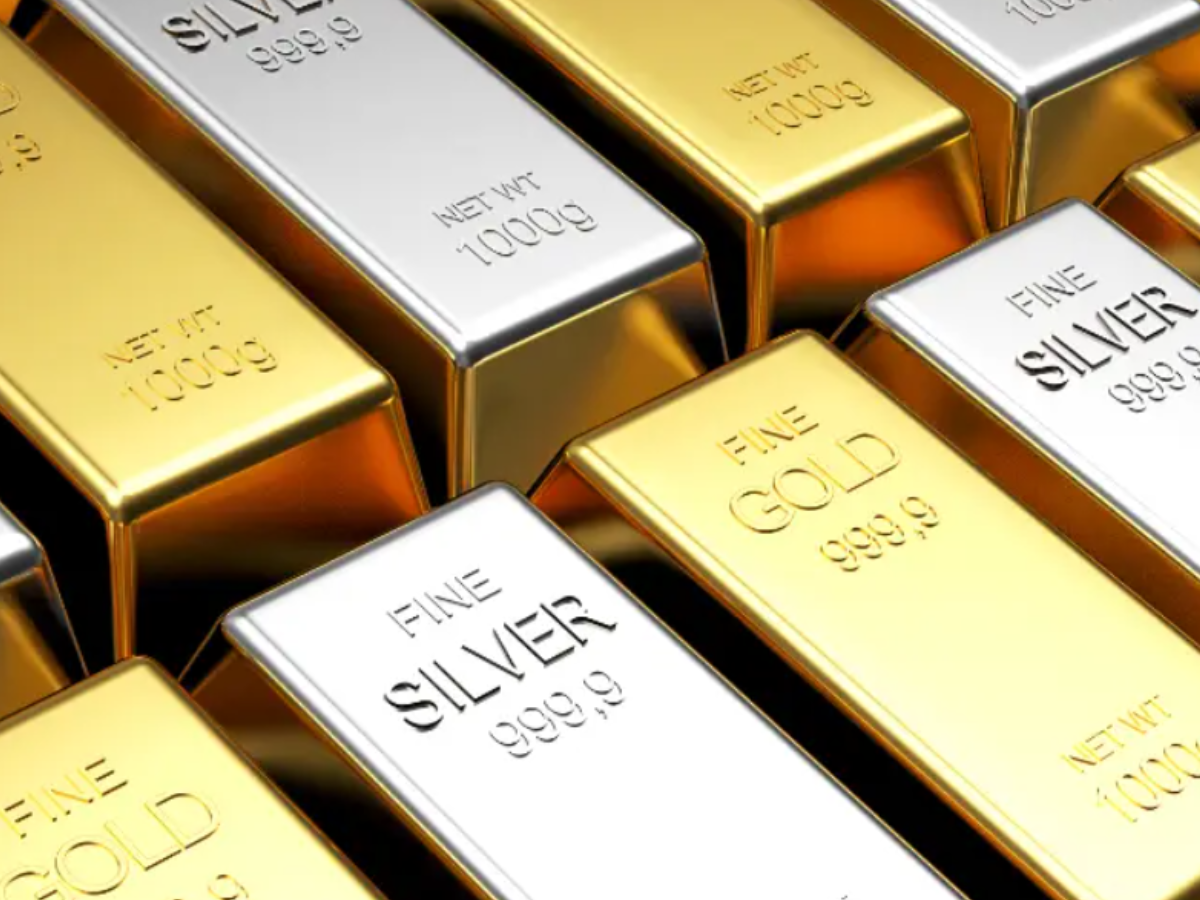
Gold, revered for its cultural significance and intrinsic value, saw a marginal increase today. The price of 24K gold (999 purity) and 22K gold (91.67% purity), commonly used for jewellery, are as follows, varying slightly across cities due to local taxes, logistics, and dealer premiums.
-
National Average (Approximate):
)
- 24K Gold (999 Pure): ₹15,196 per gram
- 22K Gold (916 Pure): ₹13,929 per gram
-
Gold Prices in Delhi:
- 24K Gold: ₹15,211 per gram (₹152,110 per 10 grams)
- 22K Gold: ₹13,944 per gram (₹139,440 per 10 grams)
-
Gold Prices in Mumbai:
- 24K Gold: ₹15,196 per gram (₹151,960 per 10 grams)
- 22K Gold: ₹13,929 per gram (₹139,290 per 10 grams)
-
Gold Prices in Kolkata:

- 24K Gold: ₹15,196 per gram (₹151,960 per 10 grams)
- 22K Gold: ₹13,929 per gram (₹139,290 per 10 grams)
-
Gold Prices in Chennai:
- 24K Gold: ₹15,217 per gram (₹152,170 per 10 grams)
- 22K Gold: ₹13,949 per gram (₹139,490 per 10 grams)
These prices, sourced from leading financial data aggregators like Good Returns, reflect the underlying market sentiment and immediate demand-supply dynamics.
Current Silver Prices: An Overview
Silver, often considered the ‘poor man’s gold,’ continues to be a popular choice for both investment and ornamental purposes. Its industrial applications also play a significant role in its valuation.
)
-
National Average (Approximate):
- Silver 999 (Pure Silver): ₹244,900 per kilogram
- Silver 925 (Sterling Silver): ₹244,000 per kilogram
-
Silver Prices in Delhi:
- Silver 999: ₹2,449 per 10 grams (₹244,900 per kilogram)
-
Silver Prices in Mumbai:
)
- Silver 999: ₹2,449 per 10 grams (₹244,900 per kilogram)
-
Silver Prices in Kolkata:
- Silver 999: ₹2,449 per 10 grams (₹244,900 per kilogram)
-
Silver Prices in Chennai:
- Silver 999: ₹2,499 per 10 grams (₹249,900 per kilogram)
The slightly higher price in Chennai for silver, much like gold, can be attributed to regional demand patterns and logistical considerations.
)
A Look Back: Chronology of Price Movements Leading to August 2026
The current precious metal prices are not isolated figures but are the culmination of a complex interplay of events over the past year and beyond. The period leading up to August 2026 has been characterized by several significant global and domestic developments that have profoundly shaped the trajectory of gold and silver.
The latter half of 2025 saw a continuation of global inflationary concerns, largely stemming from persistent supply chain disruptions, elevated energy prices, and robust consumer demand in major economies. Central banks worldwide, including the U.S. Federal Reserve and the European Central Bank, had been in a tightening cycle, raising interest rates to combat inflation. However, by early 2026, some of these economies began signaling a potential pause or even a pivot in their hawkish stances, creating a mixed bag of signals for investors. This uncertainty typically fuels demand for safe-haven assets like gold.
Geopolitical tensions, particularly in Eastern Europe and parts of the Middle East, have remained a constant backdrop, occasionally flaring up to inject volatility into global markets. Such instability historically drives investors towards gold as a reliable store of value. Furthermore, the Indian rupee’s exchange rate against the US dollar has experienced its own fluctuations. A weaker rupee makes imported gold and silver more expensive in local currency terms, directly impacting domestic prices.
)
Domestically, the Indian economy has shown resilient growth, but with its own share of inflationary pressures. The monsoon season in 2025, followed by a generally robust festive season in late 2025 and early 2026, saw a significant surge in gold and silver demand, particularly for jewellery and investment. This seasonal demand, combined with the general inclination of Indian households to invest in physical gold as a hedge against economic uncertainties, provided a strong floor for prices. The government’s fiscal policies and any changes in import duties on precious metals also played a role, albeit with a more direct and immediate impact. The overall sentiment leading into August 2026 has been one of cautious optimism regarding global economic stability, tempered by the enduring allure of precious metals in an unpredictable world.
The Pillars of Price: Supporting Data and Market Dynamics
The current prices of gold and silver are a reflection of intricate global and local market dynamics. Understanding these underlying factors is crucial for both consumers and investors.
Global Market Trends: The International Benchmark
The international price of gold, primarily dictated by the COMEX (New York Mercantile Exchange) and the London Bullion Market Association (LBMA) fixings, serves as the primary benchmark. Several global factors influence this benchmark:
)
- U.S. Dollar Index (DXY): Gold and the dollar typically share an inverse relationship. A stronger dollar makes gold more expensive for holders of other currencies, potentially dampening demand, and vice-versa. As of August 2026, the dollar’s performance against a basket of major currencies continues to be a critical indicator.
- Interest Rates and Monetary Policy: Central bank decisions, especially those of the U.S. Federal Reserve, on interest rates significantly impact gold. Higher interest rates increase the opportunity cost of holding non-yielding assets like gold, making other investments more attractive. Conversely, expectations of rate cuts or dovish monetary policies tend to boost gold prices.
- Inflationary Pressures: Gold is widely regarded as a traditional hedge against inflation. When the purchasing power of fiat currencies erodes, investors often turn to gold to preserve wealth. The sustained global inflationary environment leading up to 2026 has kept gold’s appeal strong.
- Geopolitical Instability: Conflicts, trade wars, and political uncertainties often trigger a "flight to safety," with investors flocking to gold. The ongoing global geopolitical landscape has been a consistent driver of safe-haven demand.
- Global Economic Growth Outlook: A slowing global economy or recessionary fears can also increase gold’s attractiveness, as investors seek assets less correlated with economic performance.
Local Demand Dynamics: India’s Unique Relationship with Precious Metals
India’s domestic market plays an equally pivotal role, driven by cultural, economic, and investment-related factors:
- Cultural Significance and Festivals: Gold is deeply embedded in Indian culture, an essential part of weddings, religious ceremonies, and festivals like Diwali, Akshaya Tritiya, and Dhanteras. These periods consistently witness spikes in demand, often creating upward price pressure. Even in August, ahead of the major autumn festival season, anticipatory buying can be observed.
- Investment and Wealth Preservation: For millions of Indians, gold is not just an ornament but a primary form of savings and wealth preservation, especially in rural areas where access to formal financial instruments might be limited. It is seen as a tangible asset that offers security against economic uncertainties and currency devaluation.
- Rural vs. Urban Demand: Demand patterns can vary significantly. Rural demand is often linked to agricultural prosperity and monsoon performance, while urban demand is more influenced by disposable incomes, fashion trends, and financial market sentiments.
- Jewellery Demand: India is one of the world’s largest consumers of gold jewellery. The price of 22K gold, specifically, is highly sensitive to consumer purchasing power and preferences.
Currency Rates and Import Duties
The exchange rate between the Indian Rupee (INR) and the US Dollar (USD) is a direct determinant of domestic prices. Since India imports a significant portion of its gold and silver, a weaker rupee makes these imports more expensive in INR terms, pushing up local prices. Conversely, a stronger rupee can provide some relief. Government policies, particularly import duties on gold and silver, also add to the landed cost, directly impacting retail prices. Any changes in these duties can have an immediate and noticeable effect on the market.
Silver’s Dual Role: Investment and Industrial Demand
Silver’s price dynamics are slightly more complex than gold’s due to its dual nature:
)
- Industrial Demand: Approximately half of the global silver demand comes from industrial applications. Sectors such as solar panels, electronics, medical technology, and automotive components rely heavily on silver’s excellent conductivity and reflective properties. Global economic growth, industrial output, and technological advancements therefore directly influence silver prices. A booming tech sector or a surge in renewable energy installations can significantly boost silver demand.
- Investment Demand: Like gold, silver is also a safe-haven asset, though typically more volatile. Investors buy silver in physical forms (bars, coins) and through exchange-traded funds (ETFs) to diversify portfolios and hedge against inflation.
- Supply Dynamics: Silver supply is often a byproduct of mining other metals like copper, lead, and zinc. Fluctuations in the output of these base metals can impact silver availability and, consequently, its price.
Expert Voices and Official Responses: Navigating the Market
The current market environment for precious metals is a subject of intense scrutiny and analysis by economists, market experts, and industry bodies. Their perspectives offer valuable insights into the ongoing trends and future outlook.
"The slight increase in gold prices today, despite global economic uncertainties, underscores its enduring appeal as a hedge against inflation and a safe haven," commented Dr. Alok Sharma, a Senior Economist specializing in commodity markets at a prominent Mumbai-based research firm. "We’re observing a classic scenario where inflationary pressures, coupled with geopolitical tensions, are driving investors towards tangible assets. Furthermore, the rupee’s relative stability against the dollar over the past few weeks has prevented sharper price hikes, maintaining accessibility for domestic buyers." Dr. Sharma also highlighted the upcoming festive season, predicting that "anticipatory buying will likely provide a strong demand floor for gold and silver in the coming months, regardless of minor international fluctuations."
Representatives from leading jewellery associations also weighed in. Ms. Rina Shah, President of the All India Gem and Jewellery Domestic Council (GJC), stated, "While global factors set the baseline, local sentiment and cultural events are paramount in India. We anticipate robust demand as we approach key festivals. Consumers are increasingly discerning, focusing on purity and transparent pricing, which encourages healthy competition among jewellers." She also pointed out the growing popularity of lighter-weight jewellery designs, which allows more consumers to participate in the market even at higher price points.
)
From a regulatory standpoint, while there were no immediate official statements from the Reserve Bank of India (RBI) or the Ministry of Finance specifically on today’s prices, the government’s long-term approach to managing gold imports and promoting digital gold alternatives (like Sovereign Gold Bonds) continues to shape the market structure. An official from the Ministry of Commerce, speaking anonymously, indicated that "the government consistently monitors the impact of gold imports on the current account deficit but acknowledges the cultural and economic importance of gold within the Indian household. Policies are aimed at balancing these aspects while ensuring market stability." The current import duties, which contribute to the final price, are reviewed periodically, with any potential changes carefully assessed for their economic implications. The emphasis remains on a stable, transparent market for precious metals.
Implications and Future Outlook: What Lies Ahead for Gold and Silver
The current trends and underlying factors in the precious metals market have significant implications for various stakeholders, from individual consumers planning purchases to large-scale investors and the broader Indian economy.
For Consumers and Investors: Strategic Decisions
For consumers, today’s prices suggest a continuation of the upward trend, albeit a gradual one. Those planning purchases for weddings or festivals might consider staggered buying to average out costs, or explore alternatives like Gold ETFs or Sovereign Gold Bonds (SGBs) for investment purposes, which offer benefits like no storage costs and tax advantages. Purity remains paramount, and buying from certified jewellers who provide proper hallmarking is crucial. The slight city-wise variations underscore the importance of checking local rates before making a purchase.
)
Investors, on the other hand, need to consider precious metals as part of a diversified portfolio. Gold and silver continue to act as effective hedges against inflation and market volatility. However, the future trajectory will depend heavily on global central bank policies regarding interest rates, the stability of the US dollar, and the resolution or escalation of geopolitical conflicts. Analysts generally agree that while short-term volatility is always possible, the long-term outlook for gold remains positive, especially if global inflationary pressures persist or if there’s a deceleration in global economic growth. Silver’s dual demand profile means its price will also be sensitive to the performance of industrial sectors and the pace of technological innovation.
Economic Impact on India
The robust demand for gold and silver in India has broader economic implications. High imports of precious metals contribute to the country’s current account deficit (CAD). While a strong inflow of remittances and foreign direct investment helps offset this, a persistently high CAD can put pressure on the rupee. Conversely, gold held by households acts as a significant store of wealth, providing a safety net for millions. Policies aimed at monetizing idle gold, such as the Gold Monetisation Scheme, seek to channel this wealth into productive economic activities, but their impact has been limited so far. The jewellery sector, a major employer, also benefits from consistent demand, supporting livelihoods across the value chain, from artisans to retailers.
Future Outlook: Key Factors to Watch
Looking ahead, several key factors will likely shape the trajectory of gold and silver prices in late 2026 and early 2027:
)
- Global Monetary Policy Trajectory: Any clear signals from major central banks regarding further interest rate hikes, pauses, or even cuts will be the most significant determinant of global precious metal prices.
- Inflationary Environment: Whether global inflation cools down or remains elevated will dictate gold’s appeal as an inflation hedge.
- Geopolitical Stability: Any escalation or de-escalation of existing conflicts or emergence of new geopolitical flashpoints will directly influence safe-haven demand.
- INR-USD Exchange Rate: The performance of the Indian Rupee against the US Dollar will continue to be a critical factor for domestic prices.
- Domestic Demand (Festive Season): The upcoming festival season (Dussehra, Diwali, wedding season) will provide a strong demand impetus for physical gold and silver, potentially driving prices upward or providing a strong floor.
- Industrial Growth (for Silver): The pace of growth in key industrial sectors like solar energy and electronics will be crucial for silver’s demand profile.
In conclusion, as of August 11, 2026, the Indian precious metals market stands at a fascinating juncture. Influenced by a confluence of global economic forces, domestic cultural significance, and evolving investment patterns, gold and silver continue to hold their lustre. While the future remains subject to unpredictable variables, the enduring appeal of these metals as both an investment and a cultural cornerstone ensures their continued prominence in India’s economic landscape. Staying informed about these multifaceted drivers will be key for anyone engaging with this dynamic market.
