

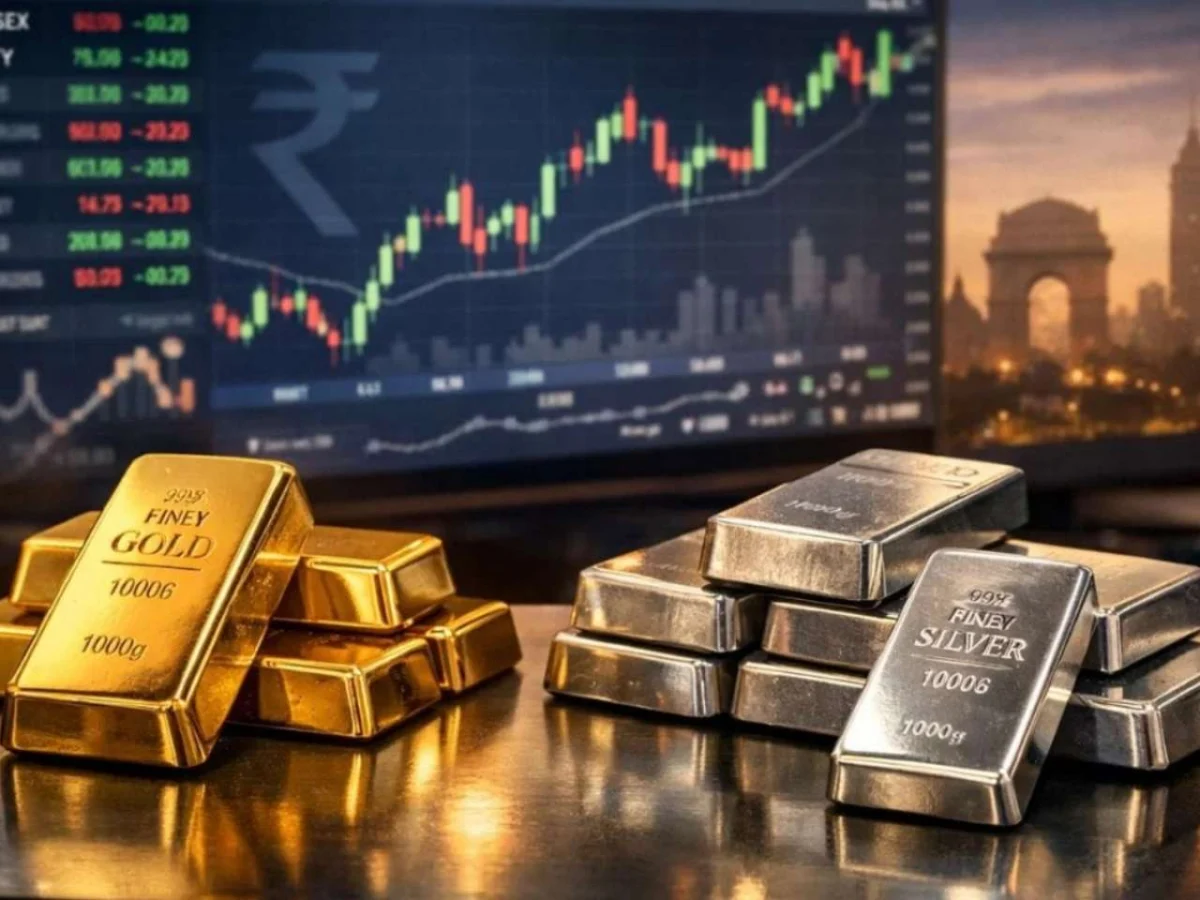
Mumbai, India – August 19, 2026: In a dynamic interplay of global economic forces and robust domestic demand, the prices of gold and silver in India registered nuanced movements today. As of August 19, 2026, gold experienced a slight uptick, largely propelled by persistent global inflationary pressures and its enduring appeal as a safe-haven asset. Silver, maintaining its dual identity as both a precious metal and an industrial commodity, showcased stable yet significant valuations, influenced heavily by industrial growth prospects.
The Indian market for these cherished metals remains acutely sensitive to a confluence of international gold prices, the fluctuating exchange rate of the Indian Rupee against the US Dollar, and critical domestic factors such as festival-driven jewellery demand. Today’s figures underscore a complex economic landscape where investors and consumers alike must navigate evolving trends to make informed decisions regarding their investments and purchases in these time-honored assets.
Recent Market Dynamics: A Chronology of Precious Metal Performance
The journey of gold and silver prices leading up to August 2026 has been marked by significant volatility and resilience, reflecting the broader global economic narrative. Over the past year, precious metals have largely benefited from a backdrop of geopolitical uncertainties, persistent inflationary concerns across major economies, and a period of relatively accommodative monetary policies, even as central banks cautiously began to hint at future tightening cycles.
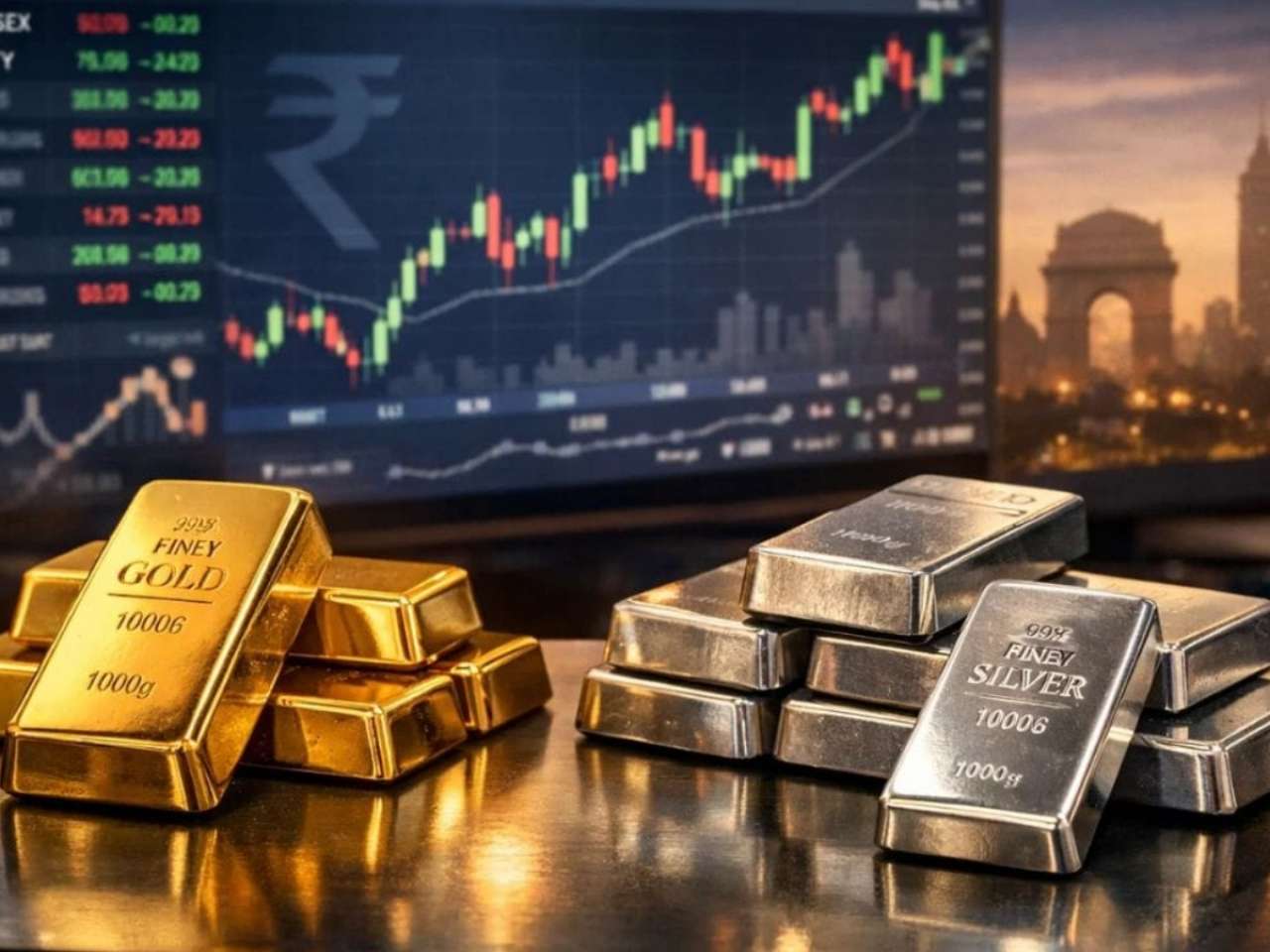
The early part of 2026 saw gold prices react positively to a softening US Dollar, which traditionally makes dollar-denominated commodities more attractive to international buyers. Escalating tensions in Eastern Europe and continued supply chain disruptions also contributed to gold’s safe-haven allure, pushing it towards multi-year highs. Investors, seeking refuge from equity market fluctuations and bond yield uncertainties, channeled funds into gold-backed exchange-traded funds (ETFs) and physical bullion.
Silver, often referred to as "poor man’s gold," mirrored some of gold’s gains but also carved its own path, heavily influenced by its industrial demand profile. The global push towards green energy, particularly the expansion of solar power infrastructure and the burgeoning electric vehicle (EV) market, significantly bolstered silver’s industrial applications. As manufacturing sectors regained momentum post-pandemic, the demand for silver in electronics, photovoltaics, and medical technologies surged, providing a strong floor for its prices. However, silver’s greater volatility compared to gold meant it was also more susceptible to short-term market corrections and profit-taking.
Currency fluctuations have played a pivotal role in the Indian context. A weakening Indian Rupee against the US Dollar throughout much of 2025 and early 2026 made imported gold and silver more expensive for domestic buyers, effectively pushing up local prices even when international dollar-denominated prices remained stable or declined slightly. This dynamic has consistently added a premium to precious metals in the Indian market, impacting both consumer purchasing power and the margins for jewellers and bullion dealers.
)
Looking back, the period has also been characterized by a delicate balance between inflation hedging and interest rate expectations. While higher inflation generally supports gold, a strong anticipation of aggressive interest rate hikes by major central banks can dampen its appeal, as gold does not offer a yield. The market has been closely watching signals from the US Federal Reserve, European Central Bank, and other key monetary authorities, with each policy statement sending ripples through the precious metals market. Today’s prices are a reflection of these ongoing, complex interactions, with gold maintaining its inflation hedge status while silver benefits from both its precious metal characteristics and its indispensable role in modern industry.
Supporting Data: Detailed Price Breakdown and Influencing Factors
The intricate web of global economics, local traditions, and currency valuations continues to shape the daily trajectory of gold and silver prices in India. As of August 19, 2026, the market presents a detailed picture for both investors and consumers.
Gold Prices on August 19, 2026: A Closer Look
Today, gold prices in India have experienced a perceptible, albeit slight, increase. This upward movement is largely attributed to sustained global demand, fueled by lingering inflationary concerns across various economies, and gold’s perennial status as a reliable store of value during times of economic uncertainty.

-
National Purity-Wise Rates:
- 24-Karat Gold (999 Pure Gold): The benchmark for absolute purity, 24K gold is currently priced at Rs 15,487 per gram. This form of gold is predominantly preferred for investments in bullion, coins, and bars, where purity is paramount. Its valuation directly reflects international spot prices and currency exchange rates.
- 22-Karat Gold (91.67% Pure Gold): The preferred choice for crafting exquisite jewellery, 22K gold is priced at Rs 14,196 per gram. The remaining 8.33% typically comprises alloys like copper or silver, added to enhance durability and make it suitable for intricate designs. This category sees significant demand during India’s numerous festive and wedding seasons.
-
City-Wise Gold Rates (per gram):
The variation in city-wise prices is often due to local taxes, transportation costs, and regional demand patterns. According to data compiled from Good Returns, the rates across major Indian metros are as follows:-
Gold Prices in Delhi:
)
- 24K Gold: Rs 15,502 per gram
- 22K Gold: Rs 14,211 per gram
(Delhi often sees slightly higher prices due to its status as a major trading hub and higher overheads).
-
Gold Prices in Mumbai:
- 24K Gold: Rs 15,487 per gram
- 22K Gold: Rs 14,196 per gram
(Mumbai, a key financial and gold trading center, often reflects the national benchmark rates very closely).
-
Gold Prices in Kolkata:
- 24K Gold: Rs 15,487 per gram
- 22K Gold: Rs 14,196 per gram
(Kolkata, another significant market, aligns with Mumbai’s rates today, indicating uniform market forces at play).
-
Gold Prices in Chennai:
)
- 24K Gold: Rs 15,492 per gram
- 22K Gold: Rs 14,201 per gram
(Chennai, a prominent market in South India where gold consumption is traditionally high, shows a marginal difference, often attributed to specific regional supply-demand dynamics and local levies).
-
Factors Influencing Gold Prices in India:
The valuation of gold in India is a multifaceted equation, influenced by a blend of global and domestic drivers:
- International Gold Price (COMEX): As a globally traded commodity, the international spot price of gold, typically quoted in US Dollars per troy ounce, is the most significant determinant. Geopolitical stability, crude oil prices, equity market performance, bond yields, and central bank gold purchases all influence this global benchmark.
- Exchange Rate (INR vs. USD): Given that India is a major importer of gold, the strength or weakness of the Indian Rupee against the US Dollar directly impacts local prices. A depreciating Rupee makes gold imports more expensive, leading to higher domestic prices, and vice-versa.
- Inflationary Pressures: Gold is widely considered a hedge against inflation. When inflation rises, the purchasing power of fiat currencies erodes, making gold a more attractive store of value. The current global inflationary environment is a key factor supporting gold prices.
- Interest Rates and Monetary Policy: Higher interest rates can make non-yielding assets like gold less attractive compared to interest-bearing instruments. Conversely, lower interest rates or expectations of rate cuts tend to support gold prices. Central bank policies regarding quantitative easing or tightening also play a crucial role.
- Domestic Jewellery Demand: India’s cultural affinity for gold, especially during festivals (Diwali, Akshaya Tritiya, Dhanteras) and wedding seasons, creates substantial domestic demand. This seasonal demand can exert upward pressure on prices, particularly in the lead-up to major celebrations. Rural demand, often linked to agricultural prosperity, also significantly contributes to this segment.
- Investment Demand: Beyond physical jewellery, demand for gold as an investment in the form of gold bonds, ETFs, and digital gold has been growing, adding another layer to market dynamics. Investor sentiment regarding economic stability and future growth prospects influences this demand.
Silver Prices on August 19, 2026: An Overview
Silver, with its unique dual role as a precious metal and an industrial commodity, commands significant attention in the Indian market. As of today, its prices reflect a balance between its safe-haven appeal and robust industrial consumption.
-
National Purity-Wise Rates:
)
- Silver 999 (Pure Silver): The price for pure silver is approximately Rs 2,54,900 per kilogram, translating to Rs 2,549 per 10 grams. This purity is typically sought after for investment purposes in bars and coins, and for industrial applications.
- Silver 925 (Sterling Silver): Commonly known as sterling silver, this alloy contains 92.5% pure silver and 7.5% other metals, usually copper, to enhance its strength and durability. It is widely used in jewellery, silverware, and decorative items. Its rate is Rs 2,54,000 per kilogram.
-
City-Wise Silver Rates (per 10 grams):
Similar to gold, local taxes and demand patterns introduce slight variations in silver prices across different cities.-
Silver Price in Delhi Today:
- Silver 999: Rs 2,549 per 10 grams
-
Silver Price in Mumbai Today:
)
- Silver 999: Rs 2,549 per 10 grams
-
Silver Price in Kolkata Today:
- Silver 999: Rs 2,549 per 10 grams
(Delhi, Mumbai, and Kolkata show uniform rates today, suggesting a cohesive national market sentiment for silver).
- Silver 999: Rs 2,549 per 10 grams
-
Silver Price in Chennai Today:
- Silver 999: Rs 2,599 per 10 grams
(Chennai, consistent with its slightly higher gold prices, also shows a marginally elevated rate for silver, reflecting local market dynamics).
- Silver 999: Rs 2,599 per 10 grams
-
Factors Influencing Silver Prices in India:
Silver’s price dynamics are distinct due to its significant industrial utility:
)
- Industrial Demand: This is perhaps the most crucial driver for silver. Its exceptional electrical conductivity, thermal conductivity, and reflectivity make it indispensable in industries such as:
- Solar Panels (Photovoltaics): A major consumer, with the global push for renewable energy driving substantial demand.
- Electronics: Used in switches, contacts, and circuits for computers, phones, and various appliances.
- Automotive Industry: Growing use in electric vehicles (EVs) for various electrical components.
- Medical Applications: Imaging, dental alloys, and antibacterial agents.
- Photography: Though declining, it still finds niche uses.
A strong global economy and industrial growth generally lead to higher silver prices.
- Investment Demand: Like gold, silver is seen as a store of value and an inflation hedge. Investors purchase silver in the form of coins, bars, and ETFs, especially during periods of economic uncertainty.
- Precious Metal Demand: Silver jewellery and silverware are popular, particularly in certain regions of India, adding to consumer demand.
- Gold-Silver Ratio: This ratio, indicating how many ounces of silver it takes to buy one ounce of gold, is closely watched by investors. Historically, a high ratio suggests silver is undervalued relative to gold, potentially signaling an upcoming rally for silver.
- Global Economic Growth: Since industrial demand is a key component, overall global economic health and manufacturing output directly impact silver prices. A recessionary outlook typically dampens industrial demand, putting downward pressure on silver.
- Supply Dynamics: Mine production, recycling rates, and existing stockpiles also play a role in balancing supply and demand.
Expert Commentary and Official Responses
To gain deeper insights into today’s market movements and the prevailing sentiment, we consulted leading market analysts and industry representatives. While there are no "official government responses" to daily price fluctuations, expert opinions provide crucial context.
"The slight increase in gold prices today isn’t surprising given the continued global inflationary narrative," stated Dr. Anjali Sharma, Chief Economist at Zenith Capital Management. "Central banks are walking a tightrope, balancing inflation control with economic growth. In such an environment, gold naturally shines as a portfolio diversifier and a hedge against currency debasement. We’re seeing sustained interest from institutional investors who are strategically allocating a portion of their assets to precious metals to mitigate risks associated with equity market volatility and bond market uncertainties."
Mr. Rajeev Mehta, President of the Indian Bullion and Jewellers Association (IBJA), offered a perspective on domestic demand. "Despite the global influences, Indian consumers’ appetite for gold remains robust. We are just a few months away from the peak festive season and wedding demand. Many consumers view dips, even minor ones, as opportune moments to make purchases. The cultural significance of gold in India means that local demand will always be a powerful underlying factor, sometimes even overriding international trends for short periods." He added, "The minor differences in city-wise prices reflect local taxation structures and the logistical costs involved in bullion movement across the country."
)
Regarding silver, Ms. Priya Singh, a Senior Commodity Analyst at Delta Futures Research, highlighted its unique position. "Silver’s stability today underscores its dual nature. While it benefits from the broader precious metals narrative, its industrial applications, particularly in solar energy and electric vehicles, provide a strong demand floor. The global push towards decarbonization ensures a steady, if not increasing, demand for silver in green technologies. Any significant news on industrial output or technological advancements can have a pronounced effect on silver prices, often more so than on gold."
She further elaborated, "The gold-silver ratio is currently hovering at levels that suggest silver might be slightly undervalued in the long term, potentially offering a compelling entry point for investors looking beyond traditional gold investments. However, investors must be mindful of silver’s higher volatility compared to gold, making it suitable for those with a slightly higher risk appetite."
On the currency front, Mr. Vikram Kumar, a Forex Strategist at Global Macro Advisors, pointed out the ongoing pressure on the Rupee. "The Indian Rupee continues to face headwinds from global capital flows and the persistent trade deficit. A weaker Rupee invariably translates to higher landed costs for imported gold and silver, pushing up local prices. While the Reserve Bank of India has intervened periodically to manage volatility, the overarching global dollar strength against emerging market currencies remains a significant factor for precious metal pricing in India."
)
These expert opinions collectively paint a picture of a market driven by a complex interplay of macroeconomic forces, industrial trends, and deeply ingrained cultural practices.
Implications for Consumers, Investors, and the Economy
The current trends in gold and silver prices carry significant implications across various segments of the Indian economy and society.
For Consumers:
- Purchasing Decisions: For individuals planning weddings or festive purchases, today’s slight increase in gold prices might prompt them to either accelerate their buying, fearing further hikes, or postpone, hoping for a dip. The city-wise variations also mean consumers in different regions face slightly different price points, influencing where and when they choose to buy.
- Saving and Investment: Many Indian households view gold and silver as traditional forms of savings and investment. The continued upward trend in gold reinforces its appeal as a wealth preserver, especially in an inflationary environment. However, consumers need to be aware of the difference between buying jewellery (which includes making charges) and investment-grade bullion.
- Affordability: The rising prices, particularly for gold, can impact affordability for lower and middle-income groups, potentially shifting demand towards lighter jewellery or silver ornaments, which are generally more accessible.
For Investors:
- Portfolio Diversification: Gold and silver continue to serve as crucial tools for portfolio diversification. Their low correlation with equity markets, especially during downturns, makes them attractive for risk-averse investors seeking to hedge against market volatility.
- Inflation Hedge: The persistent global inflationary environment makes precious metals particularly appealing as a hedge against the erosion of purchasing power of fiat currencies.
- Long-term vs. Short-term Outlook: Long-term investors may view current prices as a stable entry point, given the ongoing global economic uncertainties. Short-term traders, however, will focus on daily fluctuations, currency movements, and upcoming economic data releases for speculative opportunities.
- Silver’s Dual Appeal: Investors keen on a commodity with both precious metal and industrial demand characteristics might find silver particularly interesting. Its sensitivity to industrial growth provides an additional layer of potential upside, albeit with higher volatility.
For the Jewellery Industry:
- Input Costs and Pricing Strategies: Rising raw material costs for gold and silver directly impact jewellers’ procurement expenses. This can lead to higher retail prices for jewellery, which might affect consumer demand. Jewellers may need to adjust their pricing strategies, focus on lighter designs, or promote silver and diamond jewellery as alternatives.
- Inventory Management: Efficient inventory management becomes crucial. Jewellers must balance maintaining sufficient stock to meet demand, especially during peak seasons, with the risk of holding high-value inventory in a volatile market.
- Technological Adoption: The industry may increasingly lean towards advanced manufacturing techniques to reduce wastage and optimize costs, thereby maintaining competitive pricing.
- Customer Sentiment: High prices can dampen immediate purchases, but the cultural importance of gold often ensures demand resurges during auspicious times. Jewellers need to adapt marketing strategies to this cyclical demand.
Broader Economic Implications:
- Trade Deficit: India’s substantial reliance on gold and silver imports contributes to its trade deficit. Higher international prices and a weaker Rupee exacerbate this, placing pressure on the country’s foreign exchange reserves.
- Impact on Household Savings: The significant portion of household savings held in gold in India means that price fluctuations directly affect household wealth and confidence.
- Formalization of Gold Market: The government’s initiatives to formalize the gold market, such as mandatory hallmarking and gold monetization schemes, aim to bring more transparency and efficiency, but also interact with these price dynamics.
- Monetary Policy Considerations: The Reserve Bank of India (RBI) keeps a close watch on precious metal imports and prices, as they influence inflation, currency stability, and overall economic sentiment.
In conclusion, the gold and silver markets in India are highly sensitive barometers of both global economic health and domestic sentiment. The current price levels on August 19, 2026, reflect a complex interplay of forces, offering both opportunities and challenges for various stakeholders.
)
Conclusion: Navigating the Precious Metal Landscape
As August 19, 2026, draws to a close, the narrative of India’s precious metals market remains one of constant flux and profound significance. Gold, with its slight ascent, continues to embody resilience against inflationary headwinds and geopolitical uncertainties, reinforcing its age-old role as a reliable store of value. Silver, steadfast in its dual identity, holds firm, buoyed by the burgeoning demands of global industry and its inherent appeal as a more accessible precious metal.
The detailed breakdown of city-wise and purity-wise prices underscores the intricate market mechanisms at play, where global commodity trends, currency valuations, and deep-seated domestic demand converge to set the daily benchmarks. The insights from market analysts and industry experts further illuminate the contributing factors, from central bank policies and interest rate expectations to the powerful cultural and seasonal drivers unique to the Indian subcontinent.
For consumers, these figures are not merely numbers but integral components of financial planning, influencing decisions around significant life events like weddings and festivals. For investors, they represent critical data points for portfolio management, diversification strategies, and risk assessment in an ever-evolving global economic landscape. The jewellery industry, a vital part of India’s heritage and economy, must continually adapt to these fluctuating raw material costs, balancing tradition with commercial viability.
)
Looking ahead, the precious metals market is likely to remain dynamic. Continued vigilance over global economic indicators, the trajectory of inflation, the policies of major central banks, and the strength of the Indian Rupee will be paramount. Furthermore, the accelerating pace of technological innovation and the green energy transition will increasingly shape silver’s industrial demand profile.
In this intricate dance of supply and demand, global forces and local traditions, gold and silver will undoubtedly continue to captivate and influence India’s economic fabric. Staying informed and making judicious decisions, whether for investment or personal adornment, remains the key to navigating this shimmering, yet complex, precious metal landscape.
