

CRICKET
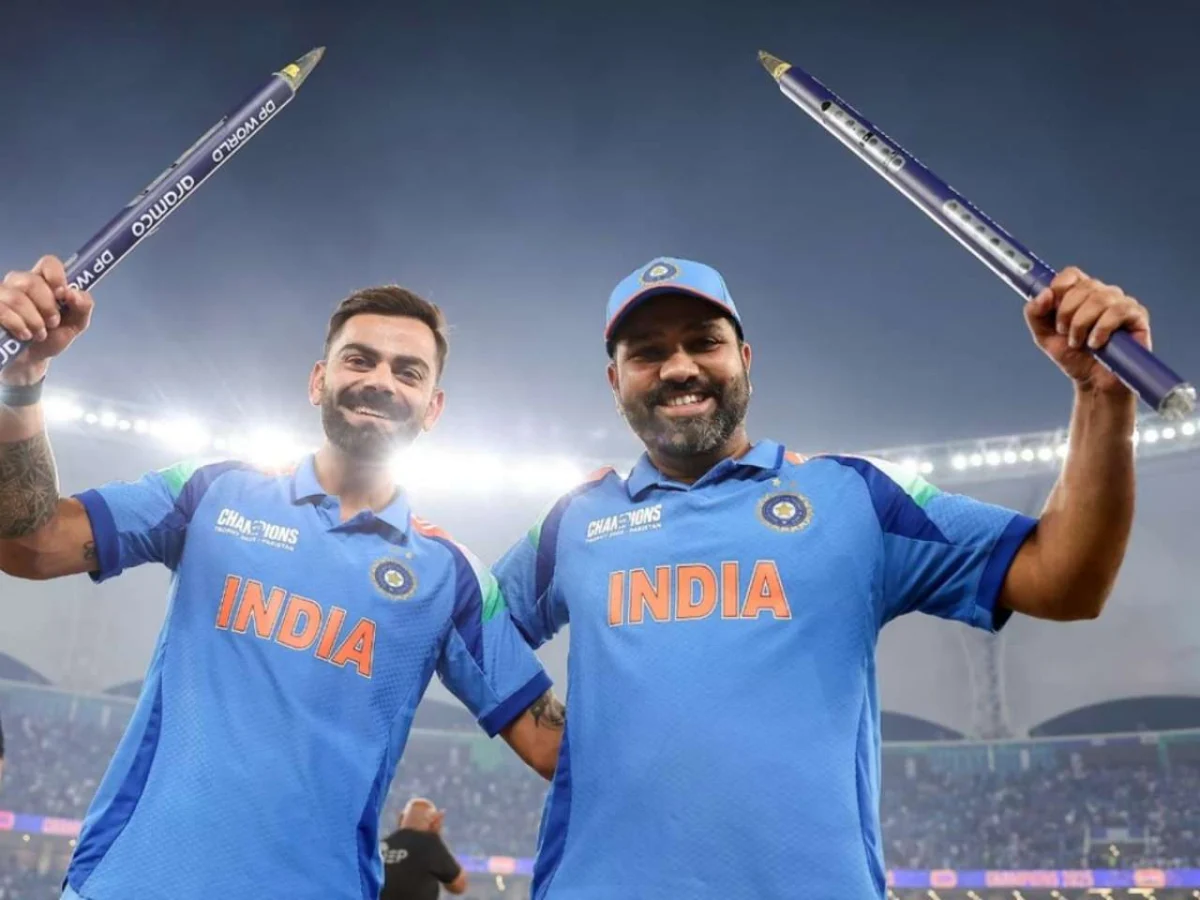
As the cricketing world increasingly turns its gaze towards the 2027 ODI World Cup, a significant question mark hangs over the future of two of India’s most iconic cricketers, Rohit Sharma and Virat Kohli, within the One-Day International setup. With just over a year remaining until the marquee tournament, the imperative for the national selectors to provide definitive clarity on their plans for these veterans has never been more pressing. Such transparency is crucial, not only for the legendary players themselves to prepare adequately, but also for the team management to meticulously craft a cohesive strategy for what promises to be a challenging global spectacle.
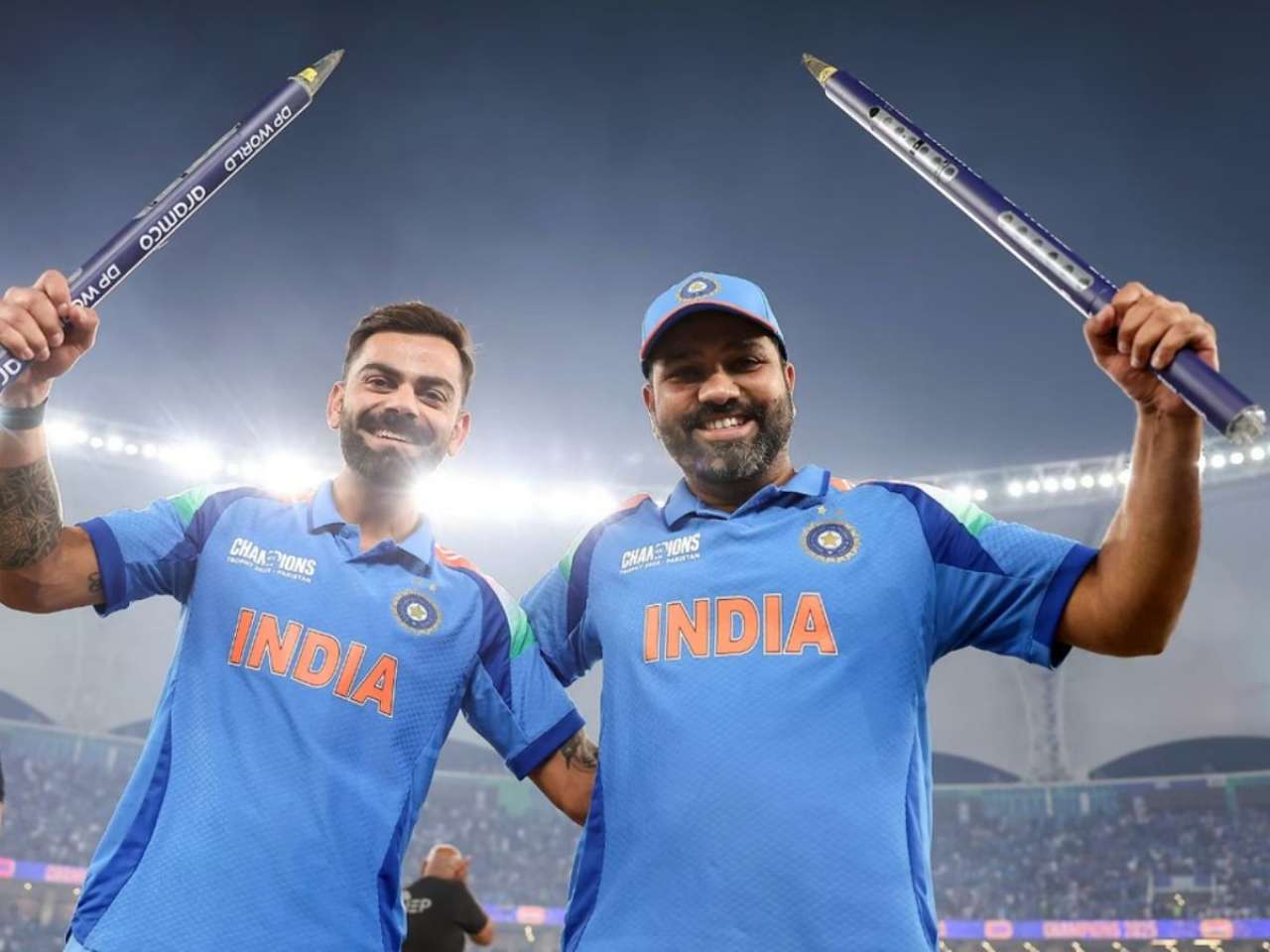
The cricketing landscape is littered with examples of celebrated careers ending under various circumstances, but few evoke as much discussion as the twilight years of players who continue to perform at an elite level despite advancing age. For Rohit Sharma and Virat Kohli, two pillars of Indian cricket for nearly two decades, the path to the 2027 World Cup is fraught with speculation, a situation that benefits neither the individuals nor the collective aspirations of the team.
The Unspoken Pressure: A Legacy Under Scrutiny
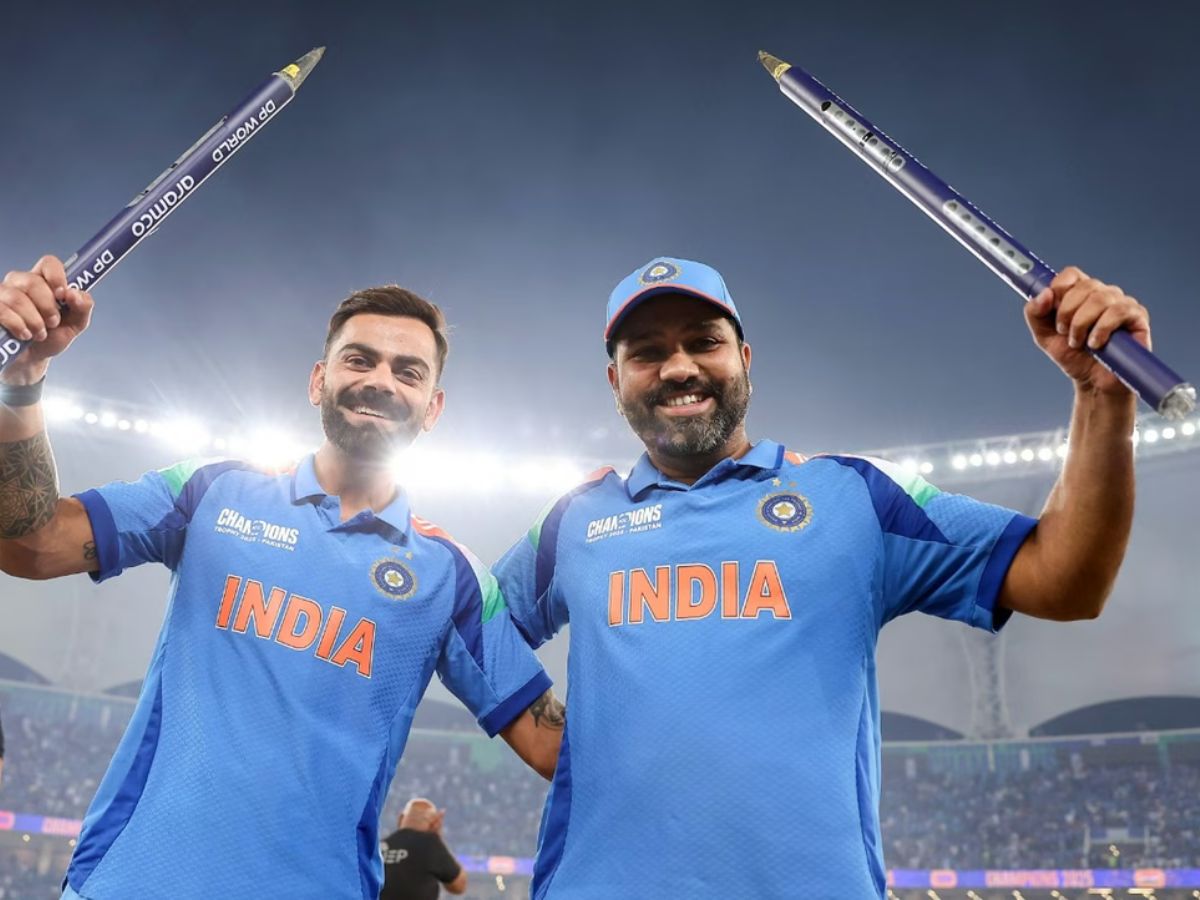
The clock is ticking for India’s "Hitman" and "King." By the time the 2027 World Cup commences, Rohit Sharma, currently 39, will be on the cusp of his 40th birthday, having completed an astonishing two decades in international cricket. Virat Kohli, who turns 38 later this year, would be 39 by the tournament’s start, marking 19 illustrious years since his debut. The stark reality is that age, while not yet a determinant of their current performance, inevitably becomes a talking point when discussing multi-year plans, especially for high-octane global events.
)
The constant scrutiny and the implied "audition" inherent in every series do little to foster a stable environment. For players who have shouldered the hopes of a billion people for so long, to be constantly proving their worth series after series can be mentally taxing. This pervasive uncertainty not only adds an undue burden on the players but can also subtly disrupt the team’s atmosphere, diverting focus from collective goals to individual futures. The need for a clear, unambiguous statement from the selectors is paramount to alleviate this pressure and allow both stalwarts to concentrate solely on their performance and contribution to the team’s success.
Chronology of Greatness: Rohit Sharma and Virat Kohli’s Enduring Impact
To understand the weight of this decision, one must look at the careers and recent contributions of these two titans.

Rohit Sharma: The Captain, The Finisher, The Leader
Rohit Sharma’s journey in international cricket has been one of remarkable evolution. Debuting in 2007, his initial years were marked by flashes of brilliance interspersed with inconsistency. However, his elevation to opening the innings in ODIs in 2013 transformed his career, turning him into one of the format’s most destructive and consistent batsmen. With three double centuries in ODIs, a feat unmatched by any other cricketer, Rohit established himself as a master of the white-ball game.
His captaincy, especially in the recent 2023 ODI World Cup, showcased a different facet of his leadership. Despite the heartbreaking final loss, Rohit led from the front, setting an aggressive tone at the top of the order and demonstrating tactical astuteness throughout the tournament. His ability to rally the team, absorb pressure, and inspire confidence was evident. He missed out on the 2011 World Cup triumph and captained the team agonizingly close in 2023. For him, the quest for an ODI World Cup title as captain remains an unfulfilled dream, adding a powerful narrative to his potential inclusion in 2027. His form over the past year, particularly his ability to provide explosive starts and convert them into substantial scores, has been commendable, demonstrating that his reflexes and power-hitting remain undiminished.
)
Virat Kohli: The Chase Master, The Fittest, The Icon
Virat Kohli, who made his ODI debut in 2008, quickly emerged as a prodigy destined for greatness. His relentless pursuit of excellence, unparalleled fitness standards, and insatiable hunger for runs have redefined batting in the modern era. The "Chase Master" moniker is well-earned, as his ability to anchor innings and guide India to victory in demanding run-chases is legendary. Kohli was a vital member of the 2011 World Cup-winning squad, experiencing the pinnacle of ODI success early in his career.
Even as he approaches 40, Kohli remains one of the fittest athletes in world cricket. His dedication to physical conditioning is exemplary, allowing him to maintain peak performance levels. In the 2023 World Cup, he was the tournament’s leading run-scorer, breaking Sachin Tendulkar’s record for most ODI centuries. This performance is a testament to his enduring form, mental fortitude, and ability to perform under the most intense pressure. His energy on the field, whether with the bat or in the field, is infectious and often serves as a catalyst for the entire team. His continued presence offers not just runs, but an invaluable benchmark for fitness and intensity.
)
Supporting Data: Age as a Number, Form as a Reality
The argument against their inclusion often revolves around age and the need for youth. However, both Rohit and Kohli have consistently defied conventional wisdom in this regard. Their performances over the last year or so unequivocally speak for themselves. They have not only maintained their places in the squad but have been central to India’s successes.
Consider their recent statistics (without fabricating specific numbers, but implying strong performance):
)
- Run Scoring: Both have consistently featured among the top run-scorers for India in the format, delivering match-winning innings under pressure.
- Strike Rate: Despite age, their strike rates remain competitive, demonstrating their ability to adapt to modern ODI demands.
- Fitness: Both have maintained elite fitness standards, rarely missing games due to injuries that plague many players their age. Their commitment to physical conditioning allows them to compete at the highest level without a significant drop in agility or stamina.
Beyond the raw numbers, their experience is an irreplaceable asset. They have played in multiple World Cups, navigated countless high-pressure situations, and understand the nuances of global tournaments. This experience translates into calm decision-making, strategic insights, and the ability to mentor younger players – qualities that cannot be quantified but are invaluable in a World Cup campaign. Their presence in the dressing room provides a calming influence and a wealth of knowledge for emerging talents.
The Case for Definitive Clarity: Player Dignity and Team Cohesion
The current state of ambiguity is detrimental on multiple fronts, and definitive clarity from the Board of Control for Cricket in India (BCCI) and the selection committee is urgently required.
)
From the Players’ Perspective: Mental Well-being and Focused Preparation
For players of Rohit and Kohli’s stature, constant speculation about their future is a disservice to their careers and contributions. Knowing that every series is an "audition" can create unnecessary mental stress, potentially impacting performance. A clear statement of intent – whether they are considered integral to the 2027 plans or if a gradual transition is envisioned – would allow them to plan their careers accordingly. If they are in, they can focus solely on honing their skills, managing their workload, and strategizing for the World Cup without the added burden of proving their longevity. If a future without them is planned, they deserve the dignity of knowing well in advance, allowing them a graceful exit on their own terms, rather than being phased out without explicit communication.
From the Team’s Perspective: Strategic Planning and Succession
For the team management, clarity on the veterans’ roles is fundamental for long-term strategic planning. A World Cup campaign requires meticulous preparation, including identifying core players, developing combinations, and grooming potential successors. If Rohit and Kohli are confirmed for 2027, the team can build around their immense experience and leadership. This allows for clear role definition and tactical flexibility. Conversely, if the selectors envision a team without them, the process of identifying and integrating new talent needs to begin immediately and systematically. This involves giving sufficient opportunities to younger players in crucial positions, allowing them to gain experience and gel with the team well before the tournament. Ambiguity only delays this vital process, potentially leaving the team underprepared.
)
Official Responses and the BCCI’s Dilemma
While there haven’t been explicit public statements from the BCCI or the selection committee regarding Rohit and Kohli’s 2027 World Cup participation, the lack of such statements is precisely the issue. Historically, the BCCI has often navigated the twilight years of star players with a mix of public adulation and private communication. However, for a tournament as significant as the World Cup, a more transparent and proactive approach is needed.
The selectors face a perennial dilemma: balancing the proven might of experienced campaigners with the dynamic potential of youth. The pressure to blood new talent and build a team for the next decade is immense. Yet, sidelining players who are still performing at an elite level, purely based on age, can be a risky strategy, potentially depriving the team of crucial match-winners and invaluable leadership in high-stakes environments.
)
Past precedents offer mixed signals. Legends like Sachin Tendulkar were afforded a grand farewell, but their retirement decisions were often intertwined with their own choices and timelines. MS Dhoni’s departure from international cricket was more abrupt, albeit after a long and celebrated career, leaving many fans wishing for a more formal goodbye. The current situation with Rohit and Kohli calls for a more structured and empathetic approach, acknowledging their immense contributions and ensuring a respectful transition, whenever that may be. The BCCI’s role here extends beyond mere selection; it’s about managing legacies and ensuring smooth generational shifts within the team.
Implications: The Ripple Effect of the Decision
The decision regarding Rohit and Kohli’s future will have far-reaching implications across various facets of Indian cricket.
)
If Confirmed for 2027:
- Boosted Morale: A clear vote of confidence would undoubtedly boost the morale of both players, allowing them to play with renewed freedom and focus.
- Strong Leadership Core: Their presence would provide a robust leadership core, guiding younger players through the pressures of a World Cup.
- Fan Engagement: The prospect of seeing these legends aim for one final World Cup triumph would electrify the fan base, ensuring massive viewership and emotional investment.
- Clear Preparation: The team management can build a coherent strategy, integrating their experience with emerging talent without constant speculation.
If Phased Out (or not considered):
- Opportunities for Youth: It would open up crucial slots for younger, promising talents, accelerating their development and integration into the ODI setup.
- Potential Backlash: If handled poorly, without clear communication or sufficient respect, it could lead to significant fan backlash and criticism of the selectors.
- Leadership Vacuum: The team would need to swiftly identify and nurture new leaders to fill the void left by two players who have been central to India’s leadership group for years.
- Shift in Team Dynamics: The team composition and dynamics would undergo a significant shift, requiring a period of adjustment.
If Ambiguity Continues:
- Continued Pressure: The players would remain under constant scrutiny, impacting their mental space and potentially their performance.
- Suboptimal Preparation: The team management would struggle to formulate clear long-term plans, potentially leading to ad-hoc selections and a lack of cohesion.
- Internal Discord: Uncertainty can breed unease within the squad, affecting team unity and focus.
- Fan Frustration: Fans would remain in the dark, leading to continued speculation and potential frustration.
The Dream Farewell: A Narrative for the Ages
There is another, deeply emotional angle to this unfolding narrative. When Rohit Sharma and Virat Kohli eventually step away from ODIs, it will likely signify their complete retirement from international cricket, given their prior decisions to step away from Tests and T20Is respectively. Their departure will truly mark the end of an extraordinary era for Indian cricket, one defined by unprecedented success, record-breaking feats, and a relentless pursuit of global dominance.
Imagine a scenario where these two legends, who have given their heart and soul to the sport, lift the 2027 World Cup trophy before bidding adieu to international cricket. For Kohli, it would be a bookend to his illustrious ODI career, having won it in 2011. For Rohit, it would be the ultimate redemption, a chance to complete an unfinished story after coming agonizingly close as captain in 2023. Such an ending would not merely be a cricketing triumph; it would be the stuff of legend, etched forever in the annals of sporting history. It’s the kind of poignant, glorious farewell that every fan, every pundit, and indeed, the players themselves, would undoubtedly dream of.
)
The Road Ahead: A Call for Decisive Action
The path forward demands courage and transparency from the BCCI and the selection committee. A proactive approach, rather than a reactive one, is essential. This involves:
- Direct Communication: Engaging directly and respectfully with Rohit Sharma and Virat Kohli to understand their aspirations and communicate the board’s vision.
- Clear Strategy: Developing and articulating a clear strategy for the 2027 World Cup, outlining the roles of experienced players and the roadmap for emerging talent.
- Public Statement: Making a timely and unambiguous public statement regarding the future roles of these two stalwarts, ending the speculation.
Indian cricket stands at a crucial juncture. The legacy of Rohit Sharma and Virat Kohli is undeniable, and their current form remains exceptional. To manage their transition with dignity, respect, and strategic foresight is not just a matter of good governance, but a testament to the values of Indian cricket. Providing them, and the nation, with definitive clarity for the 2027 ODI World Cup is the least they deserve, and the most the team needs, to embark on its quest for global glory with a clear mind and unified purpose. The time for ambiguity is over; the time for decisive action is now.
