

New Delhi | September 1, 2026, 11:00 PM IST
In the relentless pursuit of well-being and stress relief, the digital landscape, particularly platforms like TikTok, has become a fertile ground for viral wellness trends. The latest to capture the attention of millions is the "Cortisol Cocktail," a concoction of seemingly innocuous ingredients touted to combat stress, invigorate energy levels, and even rebalance hormonal equilibrium. As users enthusiastically share their experiences and purported benefits, the question arises: does this trendy beverage hold any genuine scientific merit, or is it another fleeting fad in the ever-evolving world of health and wellness?
This article delves into the popular "Cortisol Cocktail," dissecting its purported benefits, examining the scientific evidence (or lack thereof), and consulting with public health experts to provide a comprehensive understanding of this social media phenomenon. We will explore the individual components of the drink, the complex mechanisms of cortisol regulation, and the potential health implications of relying on such trends for genuine health management.
The Rise of the "Cortisol Cocktail": A Social Media Phenomenon
The "Cortisol Cocktail" has surged in popularity across social media platforms, with TikTok leading the charge. Videos showcasing users preparing and consuming the drink, often accompanied by claims of reduced stress, enhanced mood, and improved energy, have garnered millions of views and shares. The allure lies in its perceived simplicity and the promise of a quick, natural solution to common modern ailments.
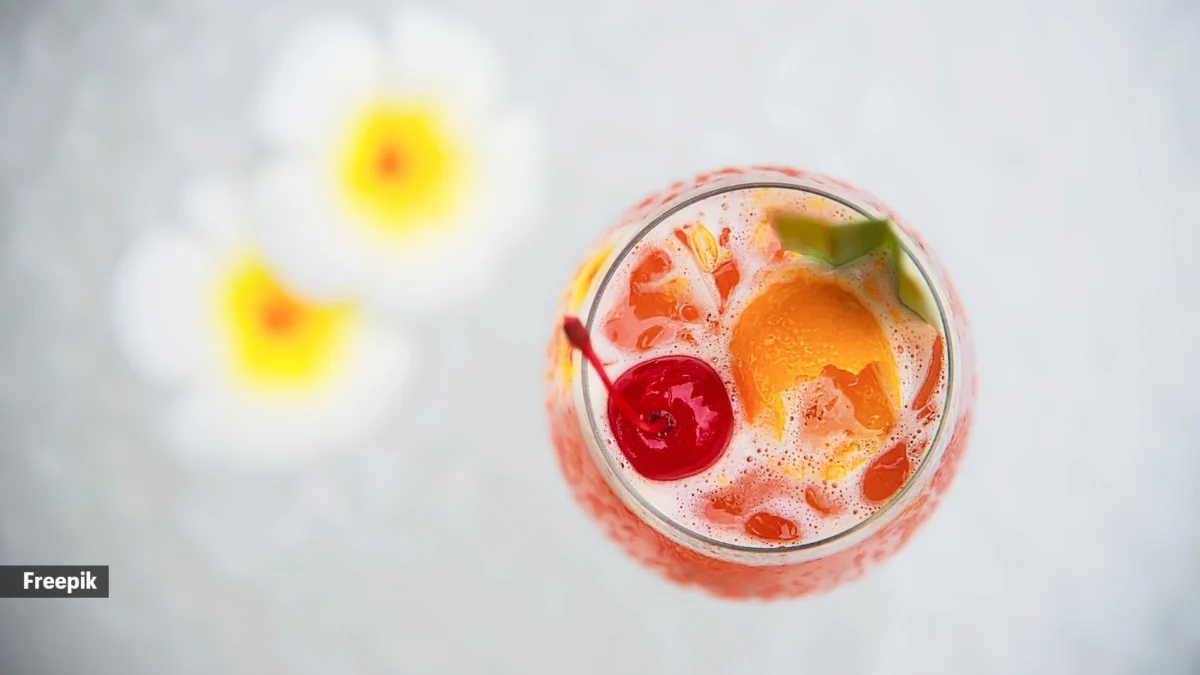
Typically, the recipe for this trending drink includes a base of coconut water, a generous squeeze of citrus juice (such as lemon or orange), a dose of magnesium powder, a pinch of salt, and often topped off with sparkling water for effervescence. Proponents champion it as a tonic designed to support "adrenal health" and, most significantly, to lower cortisol levels. Cortisol, often dubbed the "stress hormone," plays a vital role in the body’s fight-or-flight response. While acute surges of cortisol are necessary for survival, chronically elevated levels, linked to persistent stress, are associated with a cascade of negative health consequences, including weight gain, persistent fatigue, mood disturbances, and impaired immune function.
The widespread appeal of the "Cortisol Cocktail" underscores a growing public interest in natural and accessible methods for managing stress and optimizing health. However, the rapid dissemination of such trends online often outpaces scientific scrutiny, leaving many consumers to navigate a minefield of unsubstantiated claims. This article aims to provide clarity by separating the hype from the scientific reality, offering a grounded perspective on this viral wellness trend.
Deconstructing the Ingredients: What Do They Actually Do?
To understand the potential efficacy of the "Cortisol Cocktail," it is crucial to examine the role of its constituent ingredients in the context of overall health and well-being, particularly concerning stress management and hormonal balance.
Magnesium: This essential mineral is a powerhouse for numerous bodily functions. It plays a critical role in nerve and muscle function, protein synthesis, and energy production. In the realm of stress management, magnesium is known for its calming properties. It helps regulate neurotransmitters that influence mood and can promote relaxation, potentially improving sleep quality – a crucial factor in stress resilience. Studies have suggested that magnesium deficiency can exacerbate the body’s stress response. Therefore, incorporating magnesium into one’s diet can indeed contribute to a more balanced physiological state, indirectly aiding in stress management.
Citrus Juice (Lemon/Orange): Rich in Vitamin C, citrus fruits are renowned for their immune-boosting properties. Vitamin C is an antioxidant that helps protect cells from damage and plays a role in the synthesis of neurotransmitters. Some research has also explored the potential of Vitamin C in supporting adrenal function, as the adrenal glands are known to have high concentrations of this vitamin. While not a direct cortisol regulator, Vitamin C’s role in immune support and its presence in the adrenal glands suggest a tangential connection to overall stress response mechanisms. Furthermore, the refreshing taste and ritual of preparing a citrus-infused drink can have a positive psychological impact, contributing to a sense of well-being.
Coconut Water: This natural beverage is lauded for its hydrating properties, owing to its rich electrolyte content, including potassium and sodium. Proper hydration is fundamental for maintaining optimal bodily functions, including energy levels and cognitive performance. When the body is well-hydrated, it can better manage physiological stressors. Coconut water’s electrolyte profile can help replenish those lost through sweat, contributing to overall energy balance and potentially mitigating feelings of fatigue often associated with stress.
Salt: A pinch of salt, primarily sodium chloride, is crucial for maintaining electrolyte balance and fluid regulation in the body. Electrolytes are vital for nerve signal transmission and muscle contractions. In the context of stress, maintaining proper electrolyte balance is important for overall physiological stability.
Sparkling Water: Primarily a vehicle for carbonation, sparkling water adds a pleasant texture and sensory experience to the drink. While it doesn’t offer direct physiological benefits related to cortisol regulation, its inclusion can enhance palatability and make the drink more enjoyable, potentially encouraging consistent consumption as part of a daily routine.
While these ingredients individually offer contributions to general wellness, their synergistic effect within the "Cortisol Cocktail" and their purported ability to directly "regulate cortisol" warrants closer examination through an expert lens.
Expert Analysis: Separating Fact from Fiction
To gain a professional perspective on the "Cortisol Cocktail" trend, we consulted with Dr. Jagadish Hiremath, a Public Health Intellectual. Dr. Hiremath’s insights provide a crucial counterbalance to the anecdotal claims circulating online.
The Role of Ingredients in General Wellness vs. Hormonal Regulation:
Dr. Hiremath acknowledges the beneficial aspects of the ingredients found in the "Cortisol Cocktail." He states, "Ingredients such as magnesium, citrus juice, and coconut water can support general wellness, but it is important to understand their role within the broader context of nutrition and hormonal health. Magnesium, for instance, supports muscle relaxation and improves sleep quality, both of which can indirectly influence the body’s ability to manage stress. Citrus juice provides vitamin C, which supports immune function and has been linked in some studies to supporting adrenal health. Coconut water contains electrolytes that help with hydration, which is beneficial for overall energy balance."
However, he quickly pivots to the critical distinction between supporting general health and directly manipulating complex hormonal systems. "While these components contribute to overall well-being and can be part of a healthy lifestyle," Dr. Hiremath emphasizes, "none of these ingredients individually or in combination directly regulates cortisol levels in a clinically significant way."
The Complexity of Cortisol Regulation:
Dr. Hiremath elaborates on the intricate biological pathways that govern cortisol production. "Cortisol is a complex hormone regulated by the brain’s interaction with the adrenal glands through the hypothalamic-pituitary-adrenal axis. This system responds to physical, emotional, and environmental stressors, and cannot be controlled by a single drink," he stresses. The HPA axis is a sophisticated feedback loop that involves multiple organs and hormonal signals. Attempting to influence this system with a simple beverage, he argues, is an oversimplification of a deeply ingrained biological response.
Scientific Evidence for the "Cortisol Cocktail":
When questioned about the scientific evidence supporting the "Cortisol Cocktail" as an effective stress reducer or cortisol manager, Dr. Hiremath is unequivocal. "As of now, there is no robust scientific evidence that a ‘Cortisol Cocktail’ as popularly shared on social media significantly lowers cortisol levels or treats conditions associated with high cortisol, such as anxiety, fatigue, or insomnia."
He clarifies that while the individual nutrients might offer some support when integrated into a holistic healthy lifestyle, they should not be viewed as a standalone solution for hormonal imbalances. "While the individual nutrients in the drink may contribute to better hydration and may offer some support in managing daily stress when consumed as part of a healthy lifestyle, they should not be considered a treatment or solution for hormonal imbalances," he explains.
The Multifaceted Nature of Stress Management
Dr. Hiremath underscores that effective stress management is not a one-dimensional endeavor that can be solved with a single drink. He states, "Stress management is multifactorial. It involves sleep, physical activity, mental health support, nutrition, and in some cases, medical interventions. Quick fixes or viral wellness trends should be approached with caution, especially when they suggest they can alter hormone levels."
This perspective highlights the danger of relying on trends like the "Cortisol Cocktail" as a substitute for established, evidence-based strategies for managing stress and promoting mental well-being. True stress resilience is built through consistent lifestyle choices, not through the consumption of a single trendy beverage.
Potential Health Consequences and the Importance of Medical Consultation
While the ingredients in the "Cortisol Cocktail" are generally considered safe for most individuals when consumed in moderation, there are potential health consequences and interactions that warrant careful consideration.
Individual Health Status and Ingredient Interactions:
Dr. Hiremath points out that certain ingredients can pose risks depending on an individual’s pre-existing health conditions. "For example, coconut water is high in potassium, which may not be suitable for individuals with kidney disorders or those taking medications that affect potassium levels," he warns. "Citrus juice can interact with certain medications by altering how they are absorbed or broken down in the body. People with conditions like acid reflux may also find citrus juices aggravating."
These interactions underscore the importance of personalized health advice. What might be beneficial for one person could be detrimental to another, especially for those with chronic health issues or who are on specific medications.
The Risk of Delayed Medical Care:
A significant concern with viral wellness trends is the potential for individuals to delay or forgo seeking appropriate medical attention. By self-treating with perceived "natural remedies" like the "Cortisol Cocktail," individuals might inadvertently postpone diagnosis and treatment for underlying medical conditions. "It is also possible that people may delay seeking appropriate medical care by relying on such drinks, assuming they are managing a health issue on their own," Dr. Hiremath notes.
The Imperative of Professional Guidance:
Dr. Hiremath strongly advises anyone with a diagnosed hormonal disorder or chronic health condition to consult a healthcare provider before incorporating such drinks into their daily routine. "Anyone with a diagnosed hormonal disorder or chronic health condition should consult a healthcare provider before incorporating such drinks into their daily routine," he reiterates. This advice is paramount, as professional medical guidance ensures that individuals receive accurate diagnoses, evidence-based treatments, and personalized health strategies tailored to their unique needs.
Conclusion: A Dash of Wellness, Not a Cure-All
The "Cortisol Cocktail" phenomenon on TikTok exemplifies the pervasive desire for quick, accessible solutions to the complexities of modern stress and hormonal balance. While the ingredients themselves contribute positively to general health and hydration, the notion that this beverage can directly and significantly regulate cortisol levels or treat hormonal imbalances lacks robust scientific backing.
As Dr. Hiremath’s expert analysis reveals, cortisol regulation is a sophisticated biological process influenced by a multitude of factors, including genetics, lifestyle, and psychological stressors. Relying on a single drink to address such complexities is an oversimplification that carries the risk of fostering unrealistic expectations and potentially delaying necessary medical intervention.
In essence, the "Cortisol Cocktail" can be viewed as a refreshing beverage that may offer some general wellness benefits when consumed as part of a balanced and healthy diet. However, it should not be mistaken for a scientifically validated treatment for high cortisol or a substitute for comprehensive stress management strategies, which include adequate sleep, regular physical activity, mindful practices, and professional medical guidance. The allure of viral wellness trends should be tempered with critical evaluation and a commitment to evidence-based health practices, always prioritizing consultation with healthcare professionals for personalized health advice.
Disclaimer: This article is based on information from the public domain and expert interviews. It is intended for informational purposes only and does not constitute medical advice. Always consult your health practitioner before starting any new routine or making any changes to your health regimen.
