

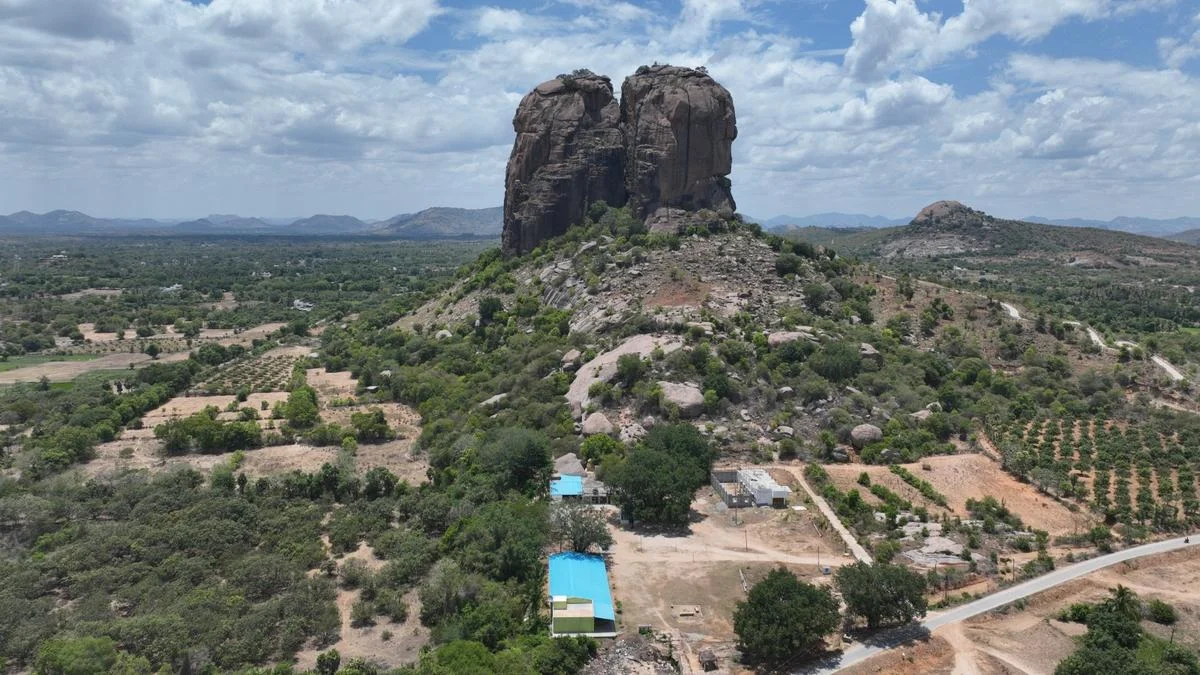
CHITTOOR — In a move destined to redefine the tourism landscape of Rayalaseema, the Andhra Pradesh state government has unveiled an ambitious, three-phase action plan to transform the secluded village of Puligundu into a premier destination for adventure, spiritual, and eco-tourism. Nestled within the Penumur mandal of Chittoor district, Puligundu is home to two majestic 1,000-foot rock peaks that have long remained a hidden gem of the Deccan Plateau.
With the formalization of this development strategy, the district administration aims to harness the site’s unique geological formations and its deep-rooted cultural heritage to create a sustainable tourism model that balances modern adrenaline-pumping activities with ancient spiritual traditions and environmental conservation.
Main Facts: The Vision for a Triad Destination
The Puligundu development project is centered around the concept of a "Triad Destination," focusing on three distinct yet overlapping sectors: adventure sports, spiritual tourism, and ecological preservation. The site’s primary attraction consists of twin monoliths—massive granite rocks that rise abruptly from the surrounding plains to a height of approximately 1,000 feet.
To facilitate this transformation, the state government has officially earmarked 79 acres of land surrounding the peaks. This land will serve as the canvas for a multi-million-rupee infrastructure overhaul. The project is not merely an aesthetic upgrade but a foundational shift in how the region utilizes its natural assets. Key components of the plan include:
- Adventure Tourism: The development of graded trekking trails, world-class rock climbing and bouldering routes, and the installation of a high-altitude zip-line connecting the two peaks.
- Spiritual Tourism: The restoration and beautification of the 300-year-old Sri Puligundeshwara Swamy temple, located atop the rocks, ensuring safer and more accessible pilgrimage routes.
- Eco-Tourism: The establishment of a dedicated nature park, butterfly gardens, and "eco-huts" designed to provide an immersive experience in the local wilderness without disrupting the delicate ecosystem.
Chronology: From Local Landmark to National Prospect
The journey of Puligundu from a local curiosity to a prioritized state project has been a calculated process involving multiple levels of governance.
The Initial Recognition: For decades, Puligundu was primarily known to local villagers and a handful of intrepid rock climbers. Its spiritual significance was maintained by the annual pilgrimages to the Sri Puligundeshwara Swamy temple, particularly during the Kanuma festival. However, the lack of basic amenities like drinking water, safety railings, and paved access roads limited its appeal to a broader audience.
The Assessment Phase: In late 2023 and early 2024, the Andhra Pradesh Tourism Department identified the Chittoor-Tirupati belt as a high-growth corridor. Following this, District Collector Sumit Kumar conducted a series of high-level inspections at Puligundu. These site visits were instrumental in identifying the specific challenges of the terrain and the vast potential for a diverse tourism portfolio.
The Policy Shift (2025-2026): By mid-2026, the district administration finalized the three-phase action plan. The project moved from the "concept" stage to the "implementation" stage with the allocation of initial funds, including a specific ₹10 lakh grant for high-intensity lighting and immediate safety upgrades. The announcement on September 2, 2026, marks the official commencement of the first phase of development.
Supporting Data: Infrastructure and Resource Allocation
The scale of the Puligundu project is reflected in the detailed resource allocation outlined by the tourism wing. The 79-acre site is being partitioned to ensure that high-activity zones do not interfere with the tranquility of the spiritual and ecological zones.
1. Adventure and Exploration
The geological survey of the twin peaks suggests that the granite surface is ideal for "trad" (traditional) and "sport" climbing. The action plan specifies:
- Graded Trails: Three levels of trekking paths (Beginner, Intermediate, and Advanced) to cater to families and professional hikers alike.
- The Rope Course: A proposed zip-line that will span the chasm between the two peaks, offering a panoramic view of the Chittoor plains from 1,000 feet in the air.
- Safety Infrastructure: The installation of heavy-duty safety railings and the strengthening of the ancient stone steps that lead to the summit.
2. Ecological Sustainability
Recognizing the threat that increased footfall poses to biodiversity, the eco-tourism plan is built on "low-impact" principles:
- Flora and Fauna: A nature park featuring native species of the Eastern Ghats.
- Water Management: The integration of rainwater harvesting systems and recharge pits to ensure the site remains self-sufficient and does not deplete the local village’s water table.
- Waste Management: A strict "Plastic-Free Zone" policy supported by a comprehensive waste-segregation and recycling facility on-site.
3. Spiritual and Public Amenities
The Sri Puligundeshwara Swamy temple is the soul of the site. The infrastructure plan includes:

- Lighting: ₹10 lakh has been dedicated to illuminating the peaks and the temple pathways, allowing for safe pre-dawn and evening darshans.
- Accommodations: The construction of wooden cottages and eco-huts to provide overnight stays, along with a reception centre and digital information kiosks.
- Food and Culture: A dedicated food court that will exclusively promote local Chittoor cuisine, providing a platform for local culinary entrepreneurs.
Official Responses: A Vision for Sustainable Growth
District Collector Sumit Kumar has been the primary architect of this vision. During a recent press briefing following a site inspection, he emphasized that safety and local empowerment are the twin pillars of this project.
"We are not just building a tourist spot; we are building an ecosystem," Collector Sumit Kumar stated. "For adventure tourism to succeed, safety is paramount. We are looking at regulated camping and night trekking, but only under the supervision of trained guides. We plan to recruit and train local youth from Penumur and surrounding mandals to serve as these guides, ensuring they are the primary beneficiaries of this development."
Tourism officials have also highlighted the importance of the "Three-Phase" approach. Phase One will focus on immediate safety and basic amenities; Phase Two will introduce the adventure and eco-tourism modules; and Phase Three will focus on national-level marketing and the establishment of the site as a premier destination on the Indian tourism map.
"The goal is to make Puligundu the top destination in the district," a senior tourism official remarked. "By combining the 300-year-old history of the Puligundeshwara temple with modern adventure sports, we are appealing to a demographic that ranges from devout pilgrims to Gen-Z thrill-seekers."
Implications: Economic and Social Transformation
The implications of the Puligundu project extend far beyond the 79 acres of the site. The socio-economic fabric of the Penumur mandal is expected to undergo a significant shift.
Economic Stimulus
The most immediate impact will be the generation of local employment. Beyond the direct roles of guides and park rangers, the influx of tourists will create a demand for transport services, local handicrafts, and hospitality. The government’s emphasis on "local food and handicrafts" in the food courts and information centres is a deliberate move to prevent the commercialization of the site by outside corporations and keep the revenue within the community.
Environmental Stewardship
By designating the area as an eco-tourism hub, the government is effectively protecting the 1,000-foot peaks from potential quarrying or illegal encroachment. The planned butterfly gardens and bird-watching zones will turn the area into a sanctuary for local wildlife, fostering a sense of environmental stewardship among visitors and residents alike.
Cultural Preservation
The restoration of the temple and the improvement of the trekking routes ensure that the cultural history of Puligundu is preserved for future generations. The digital information centres will provide visitors with the historical context of the "Tiger Rock" (the literal translation of Puligundu), bridging the gap between ancient folklore and modern exploration.
Safety and Security
The inclusion of a police control room, CCTV surveillance, and a dedicated rescue team addresses a long-standing concern regarding the safety of high-altitude rock formations. This structured approach to safety is expected to encourage more families and school groups to visit the site, which was previously seen as too hazardous for casual outings.
Conclusion: A New Horizon for Chittoor
As the first phase of the action plan rolls out, Puligundu stands at the threshold of a new era. By meticulously weaving together the threads of adventure, spirituality, and ecology, the Andhra Pradesh government is setting a benchmark for regional tourism development.
The success of the Puligundu project will likely serve as a blueprint for other untapped natural landmarks across the state. For now, the twin peaks of Penumur wait to welcome a new generation of explorers, pilgrims, and nature lovers, promising an experience that is as grounded in history as it is elevated by the thrill of the climb.
