

New Delhi – September 2, 2026, 06:03 PM IST
The image is iconic, etched into the collective consciousness through countless photographs, documentaries, and perhaps even unnerving real-life encounters: the Indian cobra, Naja naja, majestically rearing its head, unfurling a distinctive hood, and instantly transforming into a figure of formidable presence. This dramatic display, often interpreted as an aggressive posture ready for confrontation, is in fact a sophisticated and primarily defensive mechanism. Far from an outright declaration of war, the cobra’s hood is a potent warning, a visual cue designed to de-escalate potential threats and preserve the snake’s own safety.
The Primary Purpose: A Silent, Visual Warning
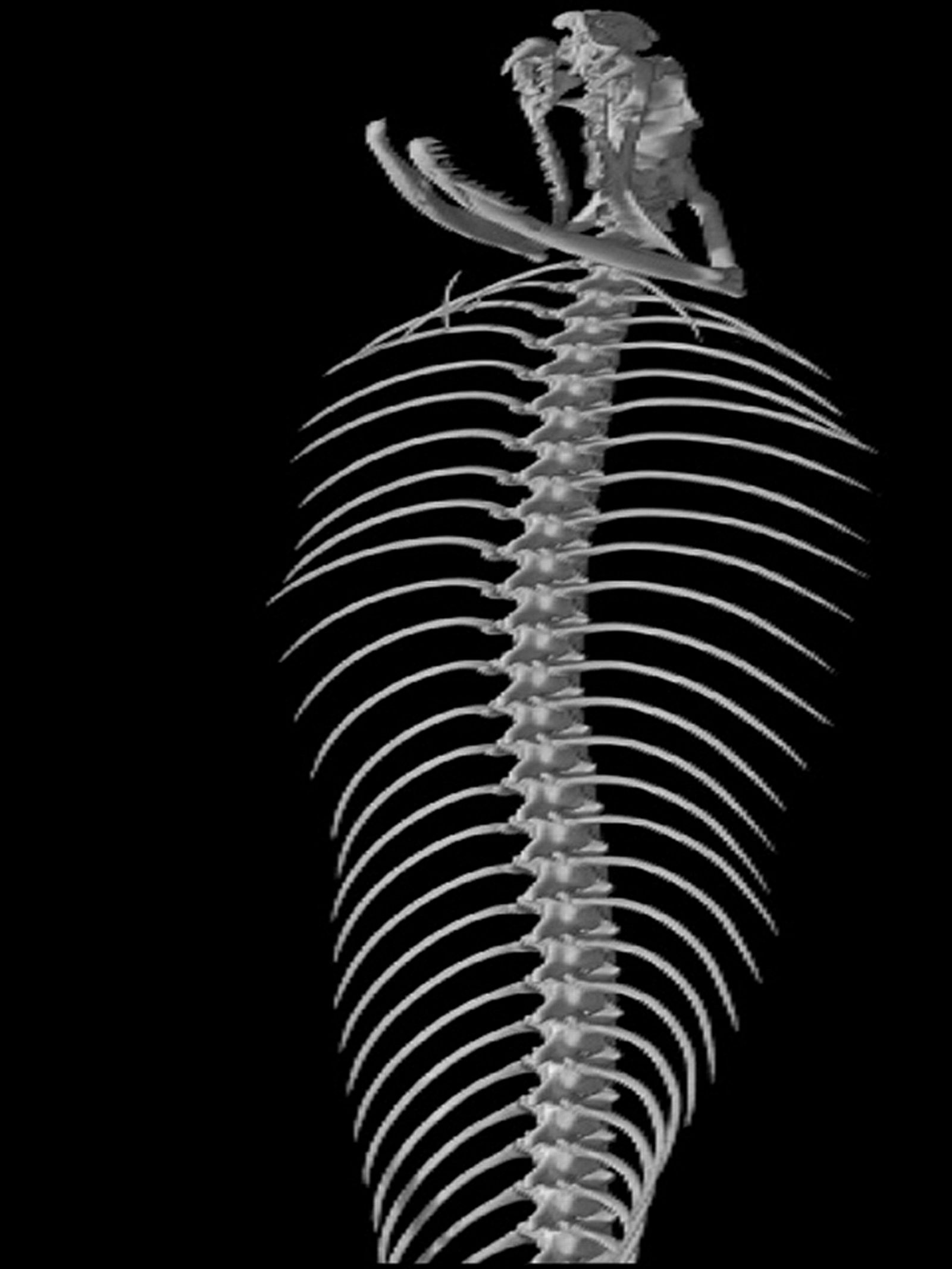
At its core, the spreading of the hood by the Indian cobra is a signal of distress and a plea for space. When a cobra perceives itself as threatened or disturbed, its immediate instinct is not to attack, but to deter. The hood, an expansion of loose skin stretched over elongated ribs in its neck, serves to dramatically alter the snake’s silhouette. This transformation renders the creature significantly larger and more imposing, a visual deterrent intended to make any potential predator or perceived adversary reconsider its approach. It is a calculated move, designed to communicate: "I am aware of you, and I am prepared to defend myself if necessary. It would be wise to retreat."
The Mechanics of the Hood: More Than Just a Flap
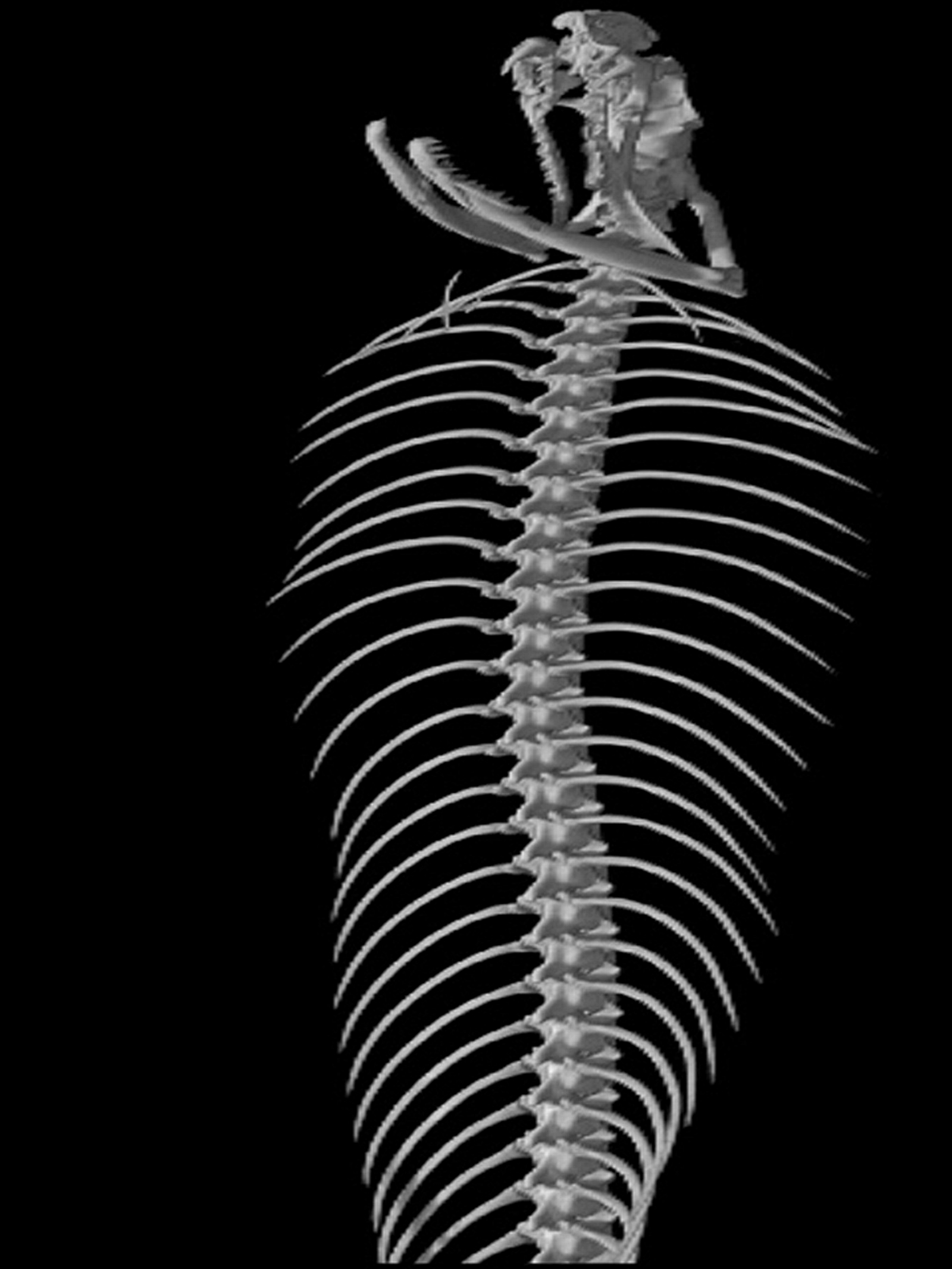
Contrary to popular perception, a cobra does not possess a separate, hinged "hood" that it simply opens. Instead, the striking visual effect is achieved through an intricate biological process. The snake actively extends several elongated ribs in its neck, pulling the loose skin taut between them. This is not a passive unfolding but an active muscular and skeletal manoeuvre.
Research published in The Journal of Experimental Biology delves into the functional morphology of this remarkable adaptation. The study describes the hood as "an active lateral expansion of their neck skin and underlying musculature and ribs." This coordinated effort results in a rapid and profound alteration of the snake’s form. Its normally slender neck transforms into a broad, distinctive, and unmistakable shield, a visual statement that is difficult for any approaching entity to ignore. The speed and suddenness of this transformation are crucial to its effectiveness, catching a potential aggressor by surprise and reinforcing the perceived danger.
Is a Hooded Cobra About to Strike? Understanding the Nuances of Defensive Behaviour
The sight of an unfurled hood often triggers an immediate assumption of impending attack. However, this is a common misconception. While the hood is a prelude to a potential strike, it is not a guarantee. The hood display is part of a broader spectrum of defensive behaviours that cobras employ. Accompanying the hood’s expansion, a cobra may also rear the front portion of its body off the ground, emit a characteristic hiss, or engage in a swaying motion. These actions, coupled with the visual threat of the hood, are all part of an effort to intimidate and discourage the perceived threat from advancing further.
The escalation to a strike is typically a last resort, reserved for situations where the perceived danger persists or intensifies. As detailed in The Journal of Experimental Biology’s paper, "The functional morphology of hooding in cobras," the "shape of the fully erect hood is reflective of the morphometrics of the underlying ribs, while the duration and kinematics of hood erection and relaxation are related to the behavioral context of the display." This suggests that the cobra’s response is finely tuned to the specific circumstances. If a creature continues to approach, chase, or corner a hooded cobra, the snake’s survival instinct may compel it to move beyond mere deterrence and deliver a venomous bite. This underscores the critical importance of respecting the snake’s space and retreating when confronted with such a display.
The Evolutionary Advantage: Why Appearing Larger is Key
From an evolutionary standpoint, the ability to appear larger and more formidable is a significant survival advantage for a creature that often relies on stealth and avoidance rather than direct confrontation. For a snake like the Indian cobra, which is venomous but also a potential prey item for larger predators or a target for human interference, deterring threats without expending valuable energy on a fight is highly beneficial.
The sudden, dramatic increase in size achieved by spreading the hood can be a powerful psychological weapon. It can create an illusion of a more substantial and dangerous opponent, prompting a predator or an unwary human to reconsider their intentions and retreat. This simple yet effective visual strategy allows the cobra to conserve its venom – a vital resource for hunting – and avoid potentially injurious confrontations.
Beyond the Hood: The Iconic Spectacle Markings
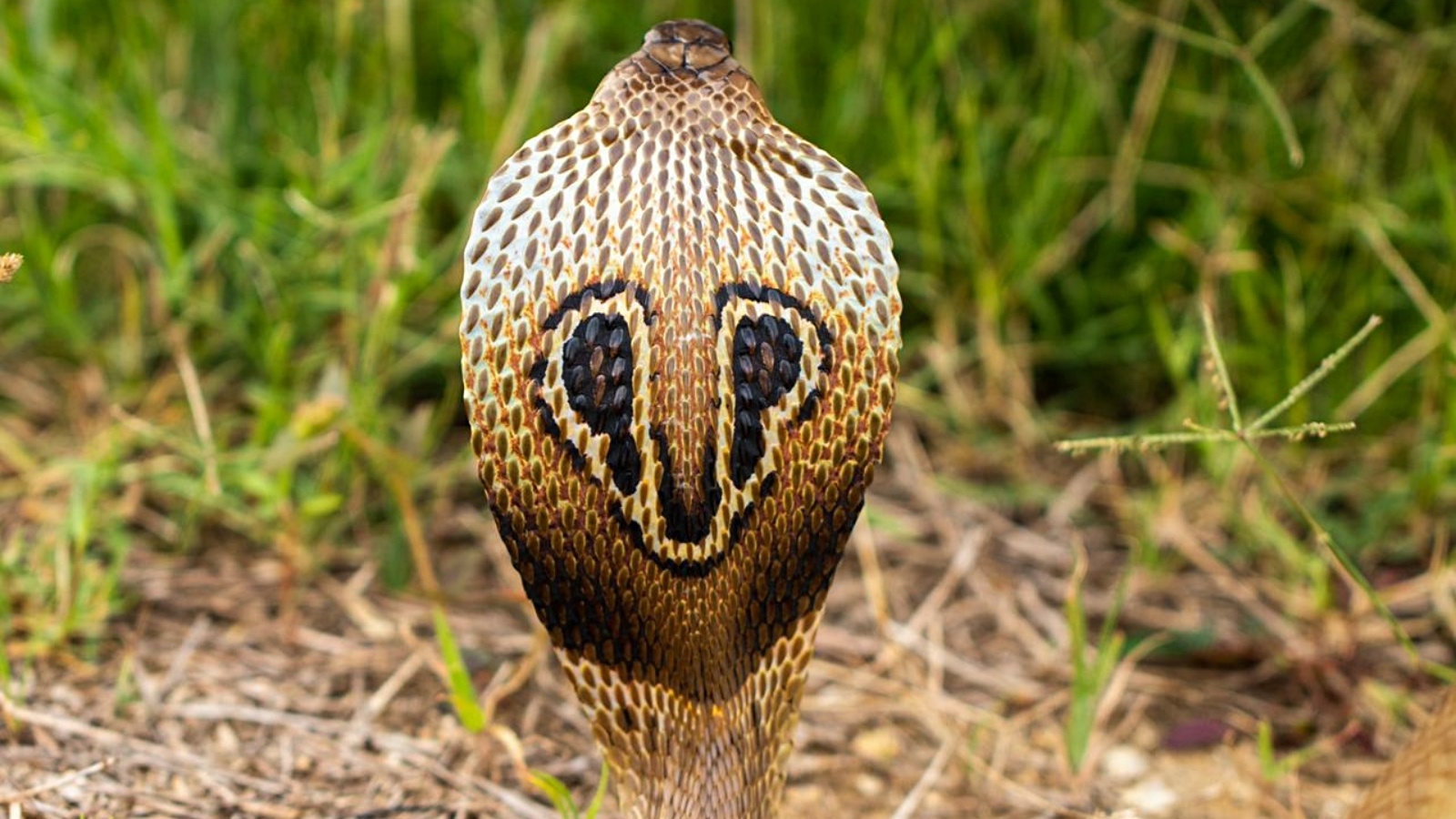
The Indian cobra’s hood is not only known for its shape-shifting ability but also for another distinctive feature: the often prominent, spectacle-like marking on the back of its hood. This characteristic pattern, resembling a pair of eyeglasses, is a hallmark of the Naja naja species. While the general form of the spectacle is consistent, its precise appearance can vary significantly among individual cobras, contributing to their unique visual identity. This marking, though not directly involved in the hood’s defensive function, adds to the snake’s striking appearance and is another element that contributes to its widespread recognition and, for some, its mystique.
Navigating Encounters: A Call for Respect and Prudence
Understanding the behaviour of the Indian cobra is paramount for coexisting peacefully with this fascinating reptile. The most crucial advice for anyone encountering a cobra, especially one displaying its hood, is to maintain a safe distance and allow the snake ample space to retreat. Approaching, cornering, or attempting to capture a hooded cobra is inherently dangerous. The snake is signalling its discomfort and its readiness to defend itself. By backing away, one provides the cobra with the opportunity to disengage and move away, thereby averting a potentially harmful encounter for both parties.
The dramatic unfurling of the cobra’s hood is not an act of aggression but a clear and urgent warning. It is a testament to the sophisticated survival strategies employed by the natural world, a visual language that speaks volumes about the need for caution and respect. By heeding this ancient signal, we can ensure our safety and contribute to the conservation of these remarkable creatures.
Explore more captivating stories about pets and animals here, and make us your daily stop for the latest from the animal kingdom.
