

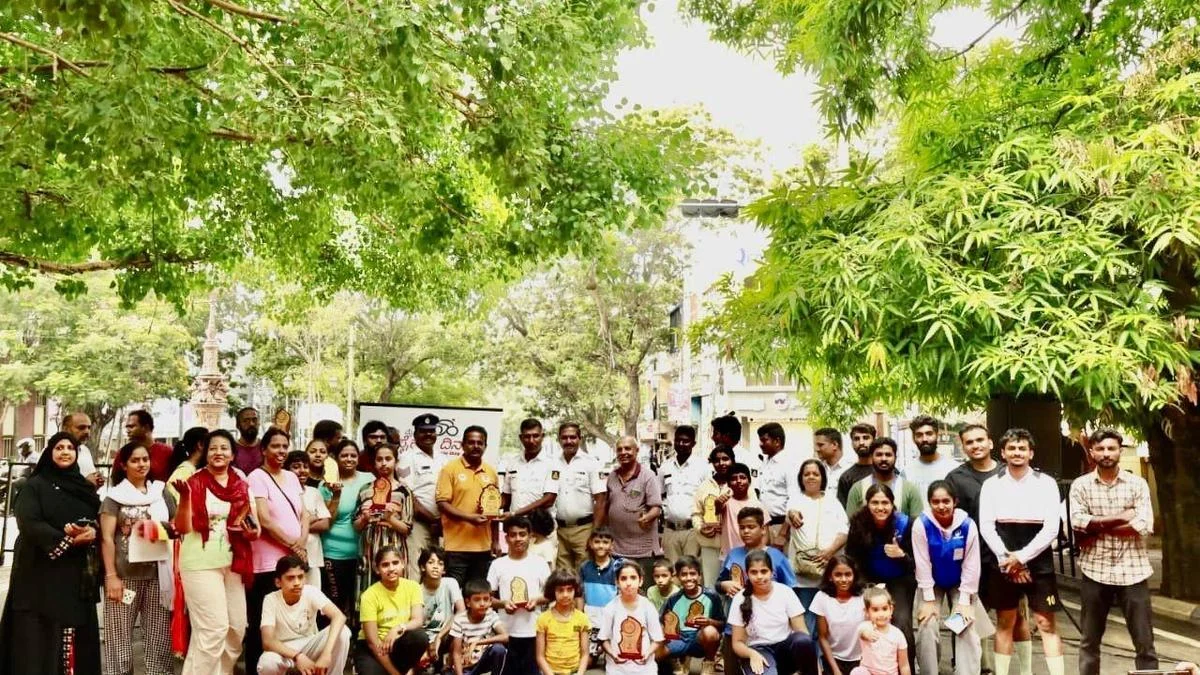
Mysuru, India – May 11, 2026 – The vibrant city of Mysuru pulsated with a renewed commitment to sustainable urban living on Monday, as it celebrated its fourth annual "Mysuru Cycle Day." This flagship event, meticulously orchestrated by the Mysuru City Corporation (MCC) in collaboration with key environmental and urban development organizations, saw an overwhelming turnout, underscoring a growing civic consciousness towards cleaner transportation, improved public health, and the creation of more people-centric urban spaces. The day’s festivities, centered in the bustling Saraswathipuram area, transformed ordinary city streets into a vibrant canvas of community engagement and a powerful declaration for a pollution-free future.
The Core of the Movement: Championing Sustainable Urban Mobility
At its heart, Mysuru Cycle Day serves as a potent catalyst for change, actively promoting a paradigm shift away from car-centric urban planning towards a more holistic and sustainable model. The event’s primary objective is to highlight the multifaceted benefits of cycling, not just as a mode of transport but as a cornerstone of a healthier, more environmentally responsible, and socially connected urban fabric. The MCC, through this initiative, aims to embed the principles of sustainable mobility into the daily lives of its citizens, fostering a culture that values environmental stewardship and personal well-being in equal measure.
The collaborative spirit that defines Mysuru Cycle Day is a testament to its ambitious goals. The event is proudly presented in partnership with the German Development Cooperation (GIZ) and ESAF, under the umbrella of the "Sustainable Urban Mobility – Air Quality" initiative. This partnership brings together international expertise in sustainable development with local civic leadership and community action, creating a powerful synergy that amplifies the event’s impact. GIZ, renowned for its work in fostering sustainable development across the globe, provides invaluable technical support and strategic guidance, ensuring that the initiatives are aligned with global best practices. ESAF, a dedicated organization focused on community empowerment and environmental sustainability, plays a crucial role in mobilizing local participation and ensuring the grassroots impact of the event.
A Day of Action: From the Streets to the Community
The cornerstone of Mysuru Cycle Day was a captivating five-kilometer cycle rally that wound its way through the heart of Saraswathipuram. This was no ordinary cycling event; it was a vibrant demonstration of unity and shared purpose. Hundreds of cycling enthusiasts, ranging from seasoned riders to budding young cyclists, alongside students from various educational institutions and enthusiastic residents from all walks of life, pedaled in unison. The sight of so many individuals embracing this eco-friendly mode of transport was not only visually inspiring but also a powerful testament to the growing adoption of cycling as a viable and desirable option for daily commutes and recreational activities.
Beyond the exhilarating cycle rally, the event transformed the designated street into a dynamic "Open Street" zone. This innovative concept is central to the vision of Mysuru Cycle Day. By temporarily closing off certain roads to vehicular traffic, the MCC aims to reclaim public spaces and reimagine their potential. The "Open Street" was a hive of activity, brimming with traditional games and interactive installations that encouraged community interaction and physical engagement. Children’s laughter echoed as they participated in familiar games, while adults mingled and reconnected, fostering a sense of camaraderie and shared ownership of their city. This approach powerfully reinforced the message that urban roads can transcend their conventional role as mere conduits for vehicles and evolve into vibrant, people-friendly community hubs.
The seamless execution of Mysuru Cycle Day was made possible through the invaluable support and cooperation of several key stakeholders. The Mysuru City Police and the Traffic Police played a pivotal role in ensuring the safety and smooth flow of the cycle rally and the "Open Street" activities, meticulously managing traffic diversions and providing a secure environment for participants. The National Cadet Corps (NCC) cadets demonstrated their commitment to community service by assisting with logistics and crowd management, embodying the spirit of civic duty. Furthermore, the active involvement of numerous educational institutions and various government departments underscored the collaborative nature of this initiative and its broad appeal across different sectors of society.
The Chronology of a Greener Tomorrow
The genesis of Mysuru Cycle Day can be traced back to a growing awareness within the city administration and among its citizens about the pressing need for sustainable urban development. Recognizing the detrimental effects of vehicular pollution on air quality and public health, and inspired by successful initiatives in other global cities, the Mysuru City Corporation embarked on a mission to promote cycling as a primary mode of sustainable transport.
The first Mysuru Cycle Day, held in [Year – assuming this is the fourth edition, the first would be approximately 2023], marked the nascent stages of this ambitious undertaking. While participation was moderate, the event laid the groundwork for future endeavors, planting the seeds of a cycling culture within the city. The MCC, learning from the initial experience, focused on expanding its reach and engaging a wider demographic.
The second and third editions witnessed a significant surge in participation, fueled by increased public awareness campaigns and a growing understanding of the health and environmental benefits associated with cycling. The "Open Street" concept began to gain traction, transforming the perception of public roads as dynamic spaces for community interaction. Partnerships with organizations like GIZ and ESAF were solidified during these years, providing crucial technical expertise and expanding the event’s reach and impact.
The fourth edition, celebrated on Monday, May 11, 2026, stands as a testament to the sustained growth and deepening impact of Mysuru Cycle Day. The event has transitioned from a nascent initiative to a deeply ingrained civic tradition, actively embraced by the citizens of Mysuru. The overwhelming participation, the enthusiastic engagement with "Open Street" activities, and the visible commitment to sustainable mobility all signify a maturing understanding and adoption of these principles within the city.
Supporting Data and the Unfolding Narrative
While specific statistical data from this year’s event will likely be compiled and released by the MCC in the coming weeks, the visual evidence and anecdotal accounts paint a compelling picture of success. The sheer volume of participants in the cycle rally, estimated to be in the hundreds, indicates a significant increase in cycling enthusiasm compared to previous years. This surge can be attributed to a combination of factors:
- Increased Awareness: Persistent public awareness campaigns, often amplified through social media and local media coverage, have educated residents about the health risks of sedentary lifestyles and the environmental consequences of excessive vehicle emissions.
- Improved Infrastructure (Emerging): While not explicitly detailed in the provided text, the success of such an event often correlates with gradual improvements in cycling infrastructure. Anecdotal evidence suggests that the city may be seeing an increase in dedicated cycle lanes or traffic calming measures, making cycling a safer and more attractive option.
- Community Engagement: The "Open Street" concept, by demonstrating the potential for non-vehicular use of roads, fosters a sense of ownership and encourages active participation. The inclusion of traditional games and community activities further enhances the appeal, making it a family-friendly event.
- Health and Environmental Consciousness: A growing global and local consciousness regarding climate change, air pollution, and the importance of physical activity has undoubtedly contributed to the rising popularity of cycling. Mysuru Cycle Day provides a tangible and enjoyable platform for citizens to act on these concerns.
The transformation of the Saraswathipuram stretch into a vibrant public space, free from the usual hustle and bustle of vehicular traffic, is a powerful illustration of the "Open Street" philosophy. This concept, increasingly adopted by cities worldwide, aims to prioritize people over cars, fostering a more livable and inclusive urban environment. The success of this aspect of Mysuru Cycle Day suggests a growing desire among residents for more communal spaces and a more human-scale urban experience.
Official Responses and Future Aspirations
The Mysuru City Corporation (MCC) has consistently championed Mysuru Cycle Day as a pivotal initiative for the city’s development. Following the resounding success of the fourth edition, officials have reiterated their commitment to fostering a culture of sustainable mobility and cleaner living.
"Mysuru Cycle Day is steadily emerging as an important platform to promote clean mobility and a healthy lifestyle among citizens," stated a spokesperson for the MCC. This statement reflects the organization’s recognition of the event’s growing influence and its potential to drive long-term behavioral change. The MCC expressed profound gratitude to the numerous volunteers whose tireless efforts were instrumental in the smooth execution of the event. The organization also extended its appreciation to its partner organizations, GIZ and ESAF, for their invaluable collaboration and support, as well as to the citizens of Mysuru for their enthusiastic participation.
Looking ahead, the MCC is likely to focus on scaling up these initiatives. This could involve:
- Expanding Cycling Infrastructure: Further investment in dedicated cycle lanes, secure bicycle parking facilities, and improved road safety measures to encourage year-round cycling.
- Integrating Cycling into Daily Commutes: Developing policies and incentives that encourage the use of bicycles for daily commutes, potentially through employer-sponsored programs or public transport integration.
- Regular "Open Street" Initiatives: Implementing "Open Street" events more frequently and in different parts of the city to foster a sustained culture of people-centric urban spaces.
- Educational Outreach: Continuing and expanding educational programs in schools and communities to instill the principles of sustainable mobility and healthy living from an early age.
The partnership with GIZ is expected to continue to provide valuable technical expertise, potentially assisting the MCC in developing comprehensive urban mobility plans and implementing innovative sustainable transport solutions. ESAF’s role in community mobilization will remain crucial in ensuring that these initiatives are inclusive and resonate with the diverse needs of the city’s population.
Implications for Mysuru and Beyond
The success of the fourth Mysuru Cycle Day carries significant implications, not only for the city itself but also as a potential model for other urban centers in India and beyond.
- Enhanced Public Health: By promoting cycling, the event directly contributes to improving the physical and mental well-being of citizens. Increased physical activity can lead to reduced rates of obesity, cardiovascular diseases, and other lifestyle-related ailments.
- Improved Air Quality: A shift towards cycling as a primary mode of transport will inevitably lead to a reduction in vehicular emissions, contributing to cleaner air and a healthier environment for all residents. This is crucial in the face of growing concerns about urban air pollution.
- Stronger Community Cohesion: The "Open Street" concept and the communal nature of the cycle rally foster a sense of belonging and encourage social interaction, strengthening the social fabric of the city.
- Economic Benefits: Sustainable transportation can lead to reduced healthcare costs and decreased reliance on fossil fuels, offering long-term economic advantages. Furthermore, vibrant public spaces can boost local economies through increased foot traffic for businesses.
- A Model for Sustainable Urbanism: Mysuru Cycle Day demonstrates a tangible and replicable approach to promoting sustainable urban mobility. The integrated strategy of combining cycling promotion with the creation of people-friendly public spaces offers a valuable blueprint for cities seeking to build more livable, equitable, and environmentally responsible futures.
As Mysuru continues to embrace this greener path, the echoes of the fourth Mysuru Cycle Day serve as a powerful reminder that collective action, inspired leadership, and a shared vision can indeed pave the way for a healthier, cleaner, and more vibrant urban landscape. The event is more than just a day of cycling; it is a profound statement of intent, a commitment to a sustainable future, and a celebration of community spirit.
