


The global landscape of weight management and diabetes care is undergoing a profound transformation, largely driven by the advent and widespread adoption of Glucagon-like Peptide-1 (GLP-1) receptor agonists. In India, a nation grappling with a dual epidemic of malnutrition and obesity, these groundbreaking medications are igniting both fervent hope and cautious skepticism. This article delves into the burgeoning GLP-1 revolution in India, exploring the personal journeys of those embracing these drugs, the scientific underpinnings, the emerging market dynamics, and the complex societal and biological factors that shape its impact.
Personal Transformations: A New Dawn for Individuals
For Mukta Dhond, a 49-year-old television producer in Mumbai, the GLP-1 journey, which began in March 2025 with Ozempic, has been nothing short of a life-altering experience. Once battling obesity for a significant portion of her life, a humbling moment during a 2024 vacation in Scotland – where she found herself struggling to keep up with her energetic toddler on a steep climb – served as a stark wake-up call. At the time, she was pre-diabetic. "He would run up the hills and I would be far behind. I realised it was time to change things," she recounts.
Her weight, which stood at a daunting 117 kg in March 2025, has since dropped to 95 kg. This physical transformation has been accompanied by a profound sense of reinvention and liberation, a "game-changer," as she aptly describes it. This monthly ritual of taking her 20 pairs of jeans to the tailor for size alterations is a tangible testament to her evolving physique.
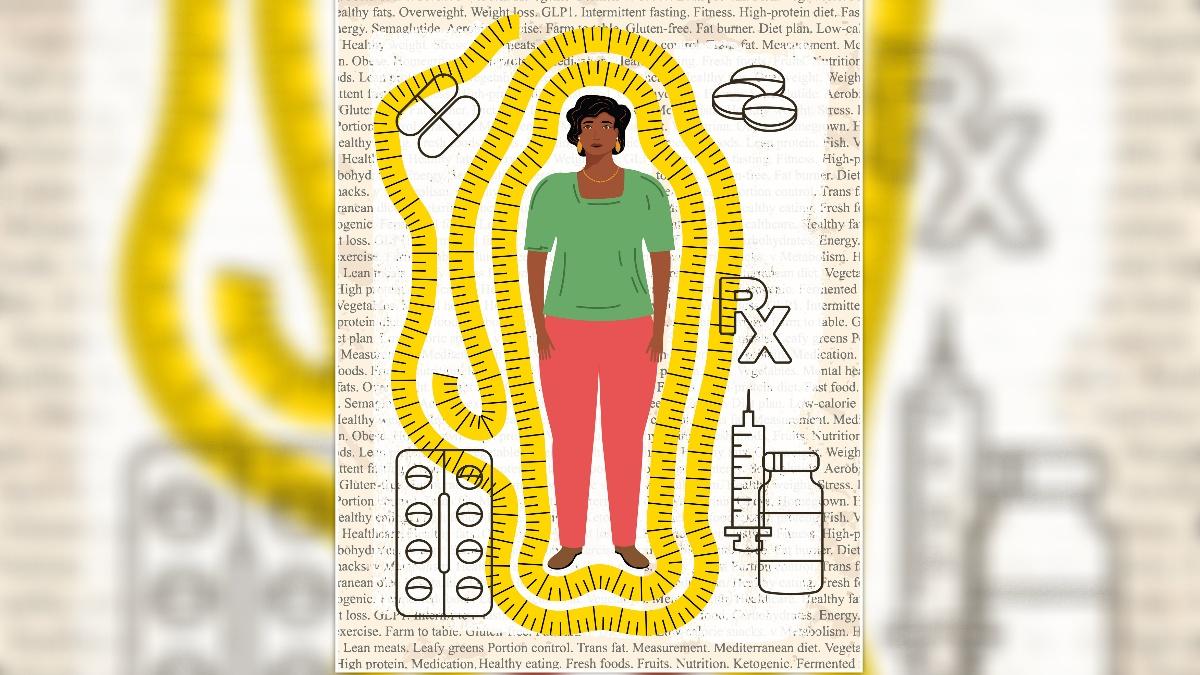
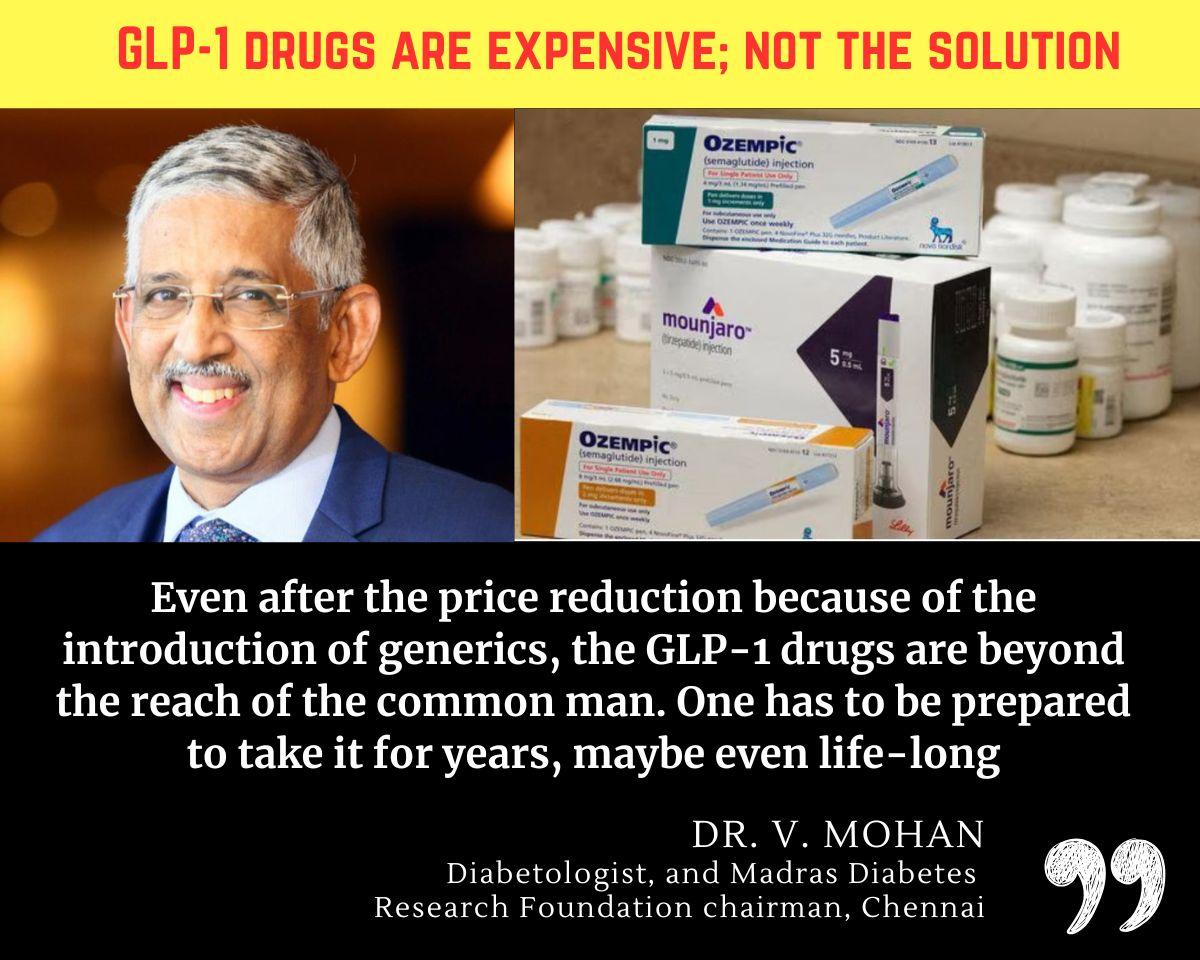
Dhond’s current regimen is comprehensive. It includes swimming, strength training thrice a week, a short walk after every meal, monthly blood work, and bi-monthly follow-ups with her endocrinologist. This dedication to a holistic approach comes at a monthly cost of approximately ₹20,000. The GLP-1 drugs themselves range from ₹8,000-₹10,000 per month, depending on the dosage. The recent introduction of generics, now available with a prescription, has brought the cost down to ₹3,500-₹4,500, a significant reduction but still a considerable expense for many. "They are expensive," acknowledges Dr. V. Mohan, a Chennai-based diabetologist and chairman of the Madras Diabetes Research Foundation. "Even after the price reduction because of the introduction of generics, they are beyond the reach of the common man."
The journey further accelerated when, after six months, Dhond’s doctor switched her prescription to Mounjaro. While her Body Mass Index (BMI) began at a concerning 45 (the normal range is up to 23), the medication, coupled with stringent fitness and diet protocols – a non-vegetarian diet rich in lean proteins, healthy fats like olive oil and avocado, and minimal carbohydrates – led to the vanishing of chronic pains and normalization of blood parameters. However, this progress was not without its challenges. Dhond experienced a drop in thyroid levels to zero and noted significant muscle loss and sagging. Her sustained efforts in fitness and diet have since helped improve her thyroid levels and muscle health.
This experience highlights a crucial aspect of GLP-1 therapy: the potential for excessive muscle loss and the exacerbation of existing protein deficiency in Indian diets. Experts now strongly recommend a diet of small, frequent meals, each containing specific portions of protein, tailored to individual needs.

Bollywood filmmaker Hansal Mehta’s story echoes Dhond’s. Three years ago, at 105 kg, he had tried numerous diets and exercise regimes without lasting success. For the past eight months, on Mounjaro and a regimen of strength training, cardio four times a week, intermittent fasting for 16-18 hours daily, and a variety of supplements, he has shed 32 kg, now weighing 73 kg. "My actual age is 57, but based on all health parameters, my metabolic age is 43," he proudly states. His long-standing high blood pressure has stabilized. Mehta emphasizes that while Mounjaro has been instrumental, it’s not merely the pill but a comprehensive lifestyle overhaul that has yielded these results. "At parties, my weight-loss journey often gets dismissed as ‘Oh, he is on Mounjaro.’ But the reality is I am doing so much more than just the pill," he asserts.
Conversely, the experience of a 33-year-old finance professional from Bengaluru, who wished to remain anonymous, underscores the importance of proper medical guidance. He and his wife, both on Mounjaro, lost about 10 kg over four months. However, their doctor had not provided specific diet or exercise protocols. This led to drastically reduced food intake, resulting in low energy, mood swings, and constant nausea. He found Mounjaro did not live up to its hype, and his wife regained 4 kg shortly after discontinuing the drug. This case serves as a cautionary tale, emphasizing that without integrated lifestyle modification, GLP-1 therapy can lead to disappointing outcomes.
The Science Behind the "Magic Pill": Understanding GLP-1 Agonists
Glucagon-like Peptide-1 (GLP-1) receptor agonists, approved for weight loss in the US in 2021, mimic a natural metabolic hormone produced in the gut. GLP-1 plays a vital role in regulating blood sugar by stimulating insulin release, reducing glucagon secretion, and significantly increasing feelings of satiety, or fullness. GLP-1 receptor agonists leverage these properties to manage type-2 diabetes and obesity effectively.

The perceived "magic" of these drugs, particularly in the context of the Ozempic phenomenon, is largely attributed to their ability to silence "food noise" – the incessant mental chatter surrounding hunger and eating. This is particularly relevant in a country like India, where the struggle with food can be amplified by issues of access and affordability. India faces a paradoxical situation of having both a significant undernourished population (approximately 172 million, according to the 2025 State of Food Security and Nutrition in the World report) and a burgeoning obesity epidemic, with around 24% of women and 23% of men being overweight or obese, as per the National Family Health Survey-5 (NFHS-5, 2019-21).
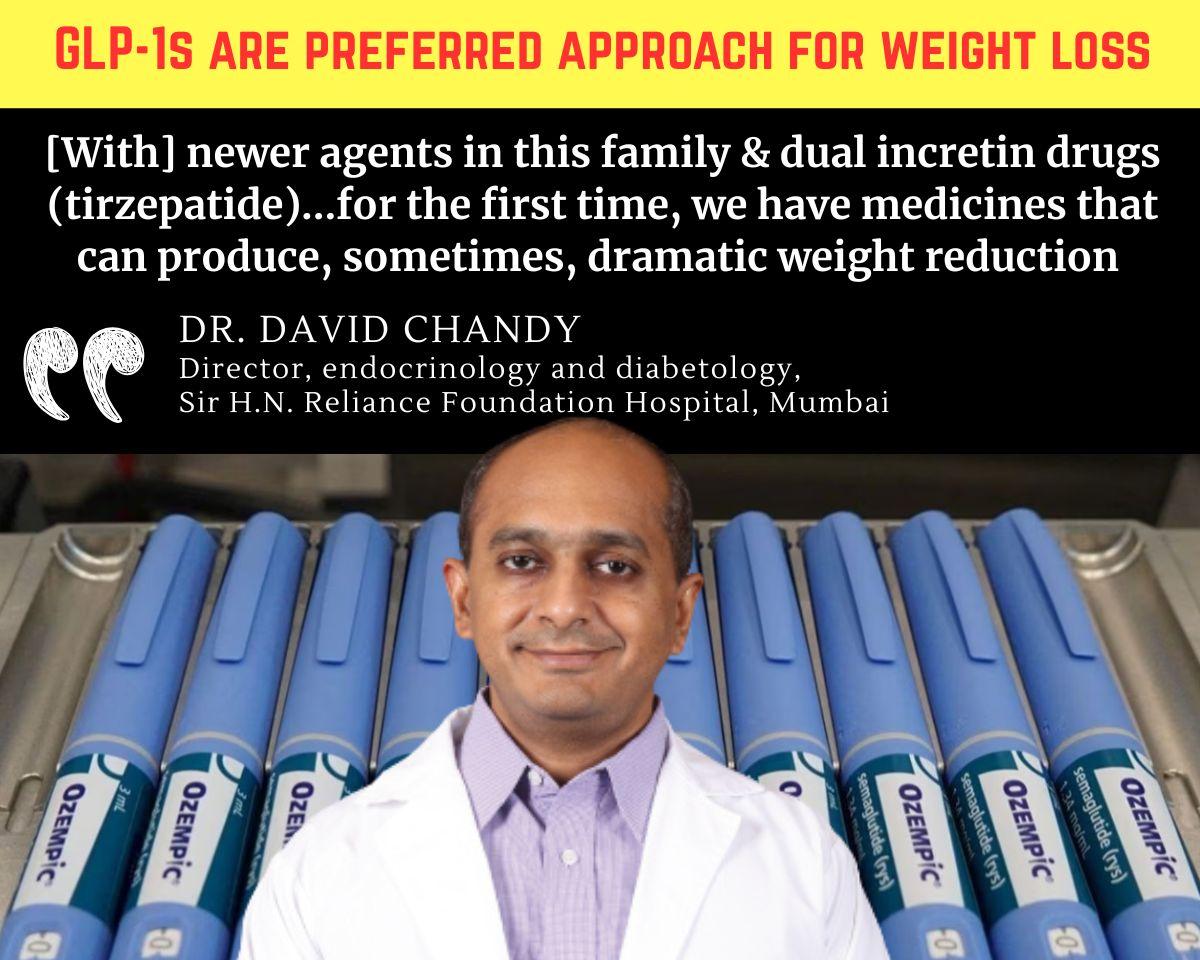
Dr. David Chandy, Director of Endocrinology and Diabetology at Sir H.N. Reliance Foundation Hospital, Mumbai, notes the current euphoria surrounding these medications. "Newer agents in this family, and dual incretin drugs such as tirzepatide, have changed the conversation because, for the first time, we have medicines that can produce meaningful and, sometimes, dramatic weight reduction," he explains. The American Diabetes Association now places weight management centrally in diabetes care, with GLP-1-based therapy being a preferred approach for significant weight loss.
Market Dynamics and Accessibility: The Generics Boom
The GLP-1 market in India is nascent, with pharmaceutical company representatives informally estimating its current value at around ₹100 crore. A significant development occurred in March of this year when Novo Nordisk’s patent for Semaglutide, the most widely used GLP-1 drug, expired. This has triggered a boom in generic versions, with India leading the charge in announcing new formulations.
Sun Pharmaceutical has already launched Sematrinity and Noveltreat, priced between ₹2,690 and ₹7,490, depending on the dosage. A spokesperson for Sun Pharmaceutical stated, "We are working closely with government institutes and trying to make the generics available widely." In a move to compete with these incoming generics, Novo Nordisk has reportedly slashed the prices of Ozempic and Wegovy in India by 36% and 48%, respectively, further intensifying competition in this rapidly expanding market.
However, despite these price reductions and the advent of generics, the cost remains a significant barrier for a substantial portion of the Indian population. Dr. V. Mohan’s assertion that these drugs are "beyond the reach of the common man" highlights the ongoing challenge of equitable access to advanced medical treatments.
Indian Culture and Biology: A Unique Obesity Landscape
India’s approach to food is deeply intertwined with its culture, embodying community, tradition, and lineage. GLP-1 drugs, by largely making users "food-proof," can profoundly alter these ingrained habits. Dhond’s shift from a "party girl" to someone who socializes through fitness activities reflects this cultural adaptation. Mehta’s reduced consumption of alcohol further illustrates this trend.
Biologically, India presents a unique challenge in its diabetes-obesity continuum. Unlike many Western nations where obesity is primarily a metabolic crisis, in India, it is often a complex interplay of genetic predispositions, fetal undernourishment, evolving dietary habits, and a general resistance to exercise. This has led to the concept of "sarcopenic obesity," characterized by low muscle mass and higher fat mass, which significantly worsens insulin resistance.
Dr. Ravi Sankar Erukulapati, a senior consultant endocrinologist at Apollo Hospitals, Hyderabad, points to this phenomenon. "Added to this is a general lack of awareness. Many people still equate absence of visible obesity with good health, which is not true in the Indian context," he observes.
The term "thin-fat Indian," coined by Dr. Chittaranjan Yajnik in the early 2000s, aptly describes this profile. Dr. Yajnik’s research in the 1980s revealed that many lean Indians exhibited poorer glucose-insulin metabolism than their heavier Western counterparts. Indians tend to deposit fat predominantly in and around the abdomen, leading to higher glucose levels even in individuals with a low BMI but a high waist measurement.

The reasons for this are both genetic and epigenetic. Exposure to challenging environments in the womb can increase the risk of future diabetes, obesity, and heart disease. Dr. Ramesh Hariharan, CEO and co-founder of Strand Life Sciences, states that the heritability of obesity in India is estimated at 40%-70%, influencing behaviors around hunger, satiety, and food reward. "Genetics loads the gun, lifestyle pulls the trigger," he aptly summarizes. While obesity-related genes are currently unmodifiable, lifestyle remains the most potent "reprogramming tool."
Regulatory Scrutiny and a Fuzzy Future
The rapid approval and widespread adoption of GLP-1s have not been without their critics. A Public Interest Litigation (PIL) was filed in the Delhi High Court in May 2025 by Jitendra Chouksey, a fitness evangelist and founder of FITTR. Chouksey expressed concern over the drug’s rapid approval and its use beyond clinical settings, in wellness clinics. He highlighted the potential dangers of muscle mass loss and the tendency for weight regain upon cessation of the medication.
This concern has been addressed, in part, by official guidelines issued by the Indian government in the first week of April. These guidelines mandate a prescription from an endocrinologist, cardiologist, or internal medicine specialist for any GLP-1 drug, generic or original. They also instruct manufacturers to cease marketing that encourages unsupervised use.

The future of GLP-1s in India remains a subject of ongoing observation and debate. While the drugs are entering bridal packages and being explored for a range of conditions beyond weight and metabolism, including addictions, menopausal health, and autoimmune diseases, their long-term impact on human metabolism and the human body is still being understood.
Dr. Dheeraj Kapoor, Head of Endocrinology at Kokilaben Dhirubhai Ambani Hospital, Mumbai, cautions that these drugs are not a "quick-fix at a population level." He emphasizes that "access, cost, and appropriate use will determine impact. Even in the best-case scenario, it will take years before we see a meaningful shift in overall numbers."
As India navigates this GLP-1 revolution, the promise of these medications is significant, but it is undeniably conditional. The nation’s unique biological and cultural landscape, coupled with socioeconomic disparities, presents a complex tapestry that will determine the ultimate success and equitable distribution of this powerful therapeutic class. Only time will tell if GLP-1s can truly transform humanity’s pursuit of optimum health on an overburdened planet, particularly within the intricate context of India’s diverse population.
