

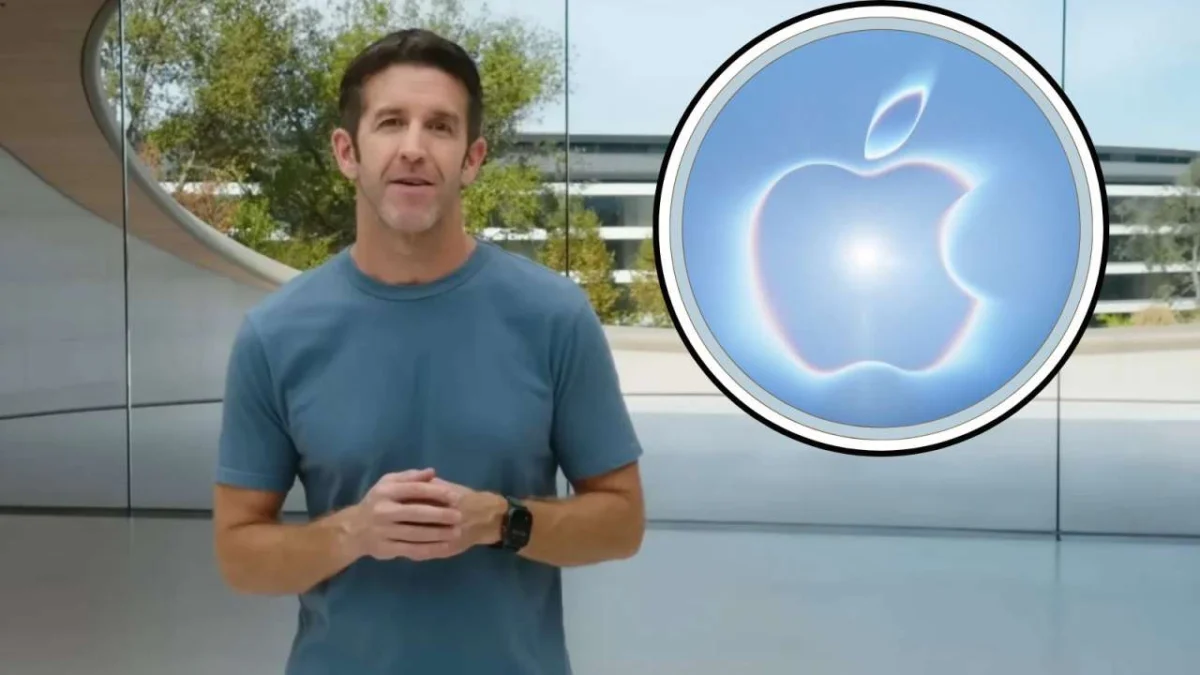
CUPERTINO, CA – In a significant transition for one of the world’s most influential technology companies, John Ternus, a veteran hardware engineering executive, has been named the new Chief Executive Officer of Apple Inc. The 51-year-old takes the reins from Tim Cook, who steered the tech giant for 15 years through unprecedented growth and diversification. Ternus’s appointment marks not only a new chapter for Apple but also brings to the forefront a refreshing leadership philosophy rooted in humility, continuous learning, and the surprising strength found in overcoming early career self-doubt.
Ternus, who joined Apple at the relatively young age of 26, recently shared profound insights into his journey from an uncertain young engineer to the pinnacle of corporate leadership. His message, delivered during a 2024 commencement speech at his alma mater, the University of Pennsylvania, resonated deeply: confidence must be tempered with humility, and the willingness to ask for help is not a weakness but a cornerstone of growth. This ethos, he posits, was instrumental in navigating the intimidating early years at Apple and ultimately shaped his path to the top.
A New Era: The Succession and Its Significance
The transition of leadership at Apple is always a moment of intense scrutiny and speculation. Tim Cook’s tenure, following the visionary Steve Jobs, saw Apple transform from a resurgent tech company into a global titan with a market capitalization often exceeding a trillion dollars. Cook masterfully scaled operations, diversified product lines beyond the iPhone, and solidified Apple’s position as a premium brand with a vast ecosystem of services. His departure, whenever it fully materializes, will leave colossal shoes to fill.
John Ternus’s elevation to CEO is a testament to Apple’s deep internal talent pool and its tradition of promoting from within. It signals a continuity of the company’s commitment to hardware innovation, given Ternus’s extensive background in engineering and product development. His appointment is not merely a change in title but potentially a subtle recalibration of Apple’s strategic focus, even as the core principles of design, user experience, and seamless integration are expected to remain paramount. The move underscores the belief that the next leader must possess not only a deep understanding of Apple’s intricate product development cycles but also the emotional intelligence to lead a global workforce dedicated to pushing the boundaries of technology.
)
Chronology of a Leader: From Penn to Product Prowess
John Ternus’s journey within Apple is a classic tale of sustained dedication and gradual ascent. After graduating from the University of Pennsylvania, he embarked on his professional career, with Apple marking his second job out of college. He joined the company in 2001, a pivotal year for Apple. Steve Jobs had returned years prior, instilling a renewed focus on design and innovation, and the company was on the cusp of launching the original iPod, which would redefine the music industry and catapult Apple into a new league.
The Formative Years: Navigating a Transformative Period
Ternus’s early days at Apple were characterized by immersion in a demanding yet exhilarating environment. He arrived at a time when Apple was aggressively rebuilding its product lineup and establishing its modern design language. His initial assignments involved working on groundbreaking products such as the Cinema Display, known for its sleek design and high-quality visuals, and the G5-era iMacs, which further cemented Apple’s reputation for elegant, all-in-one computing. These projects were not just technical exercises; they were foundational to Apple’s brand identity, requiring meticulous attention to detail and a relentless pursuit of perfection.

The culture at Apple in the early 2000s, under Jobs’s intense leadership, was notoriously rigorous. It was an environment that celebrated brilliance and demanded excellence, often pushing individuals beyond their perceived limits. For a young engineer, this could be both inspiring and daunting. It was within this crucible that Ternus began to forge his understanding of Apple’s unique operational rhythm and its unwavering commitment to product superiority.
Transition to Management and Hardware Leadership
Ternus’s innate capabilities and leadership potential quickly became evident. His transition from an individual contributor to management marked a significant turning point, allowing him to leverage his technical expertise while cultivating broader strategic vision and team leadership skills. By 2013, his ascent was formalized with his appointment as Vice President of Hardware Engineering. This role placed him at the heart of Apple’s most critical product development initiatives.
)
Under his guidance, Apple’s hardware division continued to churn out iconic devices. He played a direct and instrumental role in the development of every generation of the iPad, a revolutionary device that created an entirely new category of computing. His influence extended to the groundbreaking first AirPods, which redefined wireless audio, and later encompassed the highly successful iPhone Pro line, the Mac, and the Apple Watch. These products, each a complex interplay of cutting-edge technology and sophisticated design, bear the indelible mark of Ternus’s engineering acumen and his team’s dedication. His work across such a diverse and critical portfolio showcased his versatility, his deep understanding of industrial design, supply chain complexities, and the intricate dance between hardware and software that defines Apple’s ecosystem.
Confronting the Imposter Syndrome: Ternus’s Personal Battle
Despite his impressive trajectory and undeniable contributions, John Ternus candidly admitted to grappling with significant self-doubt during his early career at Apple. In his 2024 commencement address, he revealed, "I wasn’t sure I belonged there. The people I met were so smart and so confident, and they knew so much more than me." This admission offers a rare glimpse into the internal struggles even the most successful individuals face, particularly in high-stakes, high-achieving environments.
)
The Weight of Expectations in a High-Performance Culture
Ternus’s experience is a classic manifestation of what psychologists term "imposter syndrome" – the persistent inability to believe that one’s success is deserved or legitimately achieved, despite external evidence of one’s competence. It’s often accompanied by a fear of being exposed as a "fraud." For someone joining Apple, a company synonymous with groundbreaking innovation and attracting the brightest minds globally, this feeling can be amplified. Surrounded by individuals who not only possessed exceptional intellect but also exuded an air of confidence, a young Ternus, fresh out of college, naturally questioned his place.
The pressure to perform at Apple is immense. The company cultivates a culture of intense focus, often shrouded in secrecy, where engineers and designers are expected to deliver nothing short of perfection. In such an environment, the fear of making mistakes or not living up to perceived standards can be paralyzing. Ternus’s willingness to share this vulnerability is not just a personal anecdote; it’s a powerful message that even those who reach the pinnacle of their profession have faced and overcome similar internal battles. It normalizes the feeling of inadequacy that many professionals experience, especially when entering highly competitive fields.
)
The Ternus Doctrine: Humility, Confidence, and Continuous Learning
From his early struggles, Ternus distilled a simple yet profound philosophy for navigating self-doubt and fostering growth. He shared this "simple rule" with the University of Pennsylvania graduates: "Always assume you’re as smart as anyone else in the room, but never assume that you know as much as they do." This statement encapsulates a balanced approach to professional engagement, advocating for a blend of self-assurance and intellectual humility.
Deconstructing the Philosophy
-
"Assume you’re as smart as anyone else in the room": This component speaks to the importance of inherent self-worth and confidence in one’s cognitive abilities. It’s an encouragement to trust one’s intellect, to believe that one brings valuable perspective and problem-solving capacity to any discussion. This foundational confidence prevents individuals from being intimidated into silence or from underestimating their own potential contributions. It empowers them to speak up, challenge ideas constructively, and participate actively without feeling inherently inferior.
)
-
"But never assume that you know as much as they do": This critical caveat introduces the element of humility and the imperative for continuous learning. It acknowledges that knowledge is vast and specialized. While one might possess comparable intelligence, experience and specific expertise are acquired over time and through dedicated effort. This part of the rule fosters an open-minded approach, encouraging individuals to listen attentively, ask probing questions, and actively seek to expand their understanding. It dismantles the ego-driven barrier to learning and encourages a collaborative rather than competitive mindset.
Fostering a Culture of Growth
Ternus emphasized that this confident yet humble mindset is crucial for fostering an environment where learning thrives and asking for help is not only accepted but encouraged. In complex organizations like Apple, no single individual possesses all the answers. The most challenging problems often require interdisciplinary solutions, drawing on diverse expertise. A leader who embodies this philosophy naturally cultivates a team dynamic where:
)
- Open Communication: People feel safe to admit what they don’t know and seek clarification.
- Collaboration: Expertise is shared freely, and collective intelligence is leveraged.
- Mentorship: Experienced colleagues are seen as resources, not just competitors.
- Innovation: New ideas can emerge from the synthesis of different knowledge bases.
He reflected on significant shifts at Apple, such as the transition from plastic to aluminum designs – a monumental undertaking that required rethinking manufacturing processes, material science, and design aesthetics. This experience taught him the invaluable lesson of approaching problems from multiple perspectives, understanding that true innovation often lies in challenging established norms and embracing new ways of thinking, all while being open to learning from every discipline involved. Being surrounded by caring individuals, he noted, pushes one to exceed limits and clarifies the growth path, reinforcing the importance of a supportive professional network.
Ascension Through Hardware: A Legacy of Innovation
John Ternus’s career progression at Apple is intrinsically linked to the company’s most successful product lines. His leadership in hardware engineering was not just about overseeing development; it was about shaping the tactile and functional experience of Apple devices. His fingerprints are figuratively, and in many cases literally, on some of the most iconic products of the 21st century.
)
The iPad and AirPods: Defining New Categories
His involvement in "every generation of iPad" signifies a profound understanding of product evolution and customer needs. The iPad, initially dismissed by some, became a powerful computing device, blurring the lines between laptops and smartphones. Ternus’s team would have been responsible for the continuous improvements in display technology, processor integration, chassis design, and accessory compatibility that kept the iPad at the forefront of its category.
Similarly, his contribution to the "first AirPods" was pivotal. The launch of AirPods was a bold move, ditching the headphone jack and ushering in an era of truly wireless audio. This required overcoming significant engineering challenges related to battery life, connectivity, sound quality, and miniaturization. The success of AirPods not only created a new product category but also cemented Apple’s reputation for seamless integration across its ecosystem.
)
Expanding Influence: iPhone Pro, Mac, and Apple Watch
As his responsibilities expanded, Ternus’s oversight grew to include the critical iPhone Pro line, the flagship devices that drive a significant portion of Apple’s revenue. The iPhone Pro consistently pushes the boundaries of mobile photography, processing power, and display technology. His role here involved intricate coordination across various engineering disciplines to deliver products that meet Apple’s exacting standards.
His influence also extended to the Mac, Apple’s foundational computing platform, and the Apple Watch, a leading wearable device that has redefined personal health and fitness tracking. This broad portfolio demonstrates his capacity to manage highly complex projects, drive innovation across diverse product categories, and ensure that Apple’s hardware continues to set industry benchmarks. His deep technical expertise, combined with a proven track record of bringing world-changing products to market, made him an undeniable candidate for the CEO role.
)
The Cook Endorsement: A Powerful Vote of Confidence
Outgoing CEO Tim Cook’s public endorsement of John Ternus was unequivocal and highly significant. Cook lauded Ternus as "brilliant, wonderful, and capable," adding that "few understand how to build world-changing products as Ternus does." Such high praise from a leader known for his measured public statements is a powerful vote of confidence, not just in Ternus’s technical prowess but also in his leadership qualities and strategic vision.
This endorsement serves multiple purposes. Firstly, it signals to investors, employees, and the wider tech community that the succession plan is robust and that Apple is in capable hands. Secondly, it validates Ternus’s long tenure and deep understanding of Apple’s intricate operations and product philosophy. Thirdly, it helps to smooth the transition, lending the new CEO immediate credibility and gravitas. In a company where leadership transitions are closely watched, Cook’s strong backing provides a crucial foundation for Ternus to build upon. It suggests a seamless passing of the baton, reflecting Apple’s careful cultivation of its next generation of leaders.
)
Beyond Titles and Salaries: A Holistic View of Success
Beyond his own career journey, John Ternus offered invaluable advice to the graduating class, urging them to redefine their metrics for success. He cautioned against defining success "solely by salary or job titles," advocating instead for selecting work that deeply aligns with one’s interests, excitement, and values. This advice transcends the immediate pressures of career launch and speaks to a more profound understanding of fulfillment and purpose in professional life.
The Importance of Purpose and Passion
In a world often driven by external validations, Ternus’s message champions intrinsic motivation. He suggests that genuine satisfaction and long-term engagement stem from work that resonates with one’s core beliefs and passions. When individuals are excited by what they do, and when their work aligns with their values, they are more likely to exhibit resilience, creativity, and sustained effort, leading to both personal and professional growth that far outweighs mere financial compensation or hierarchical status. This philosophy encourages a more thoughtful approach to career planning, prioritizing personal fulfillment over societal or superficial markers of success.
)
Embracing Change and Lifelong Learning
Ternus further emphasized the dynamic nature of life and learning: "Ongoing change is one of the great gifts of life, and learning how to learn and keep learning is one of the great gifts of your college education." This statement underscores the critical importance of adaptability and continuous education in the 21st century. The pace of technological advancement, global economic shifts, and evolving societal challenges demand that individuals remain agile and open to new knowledge and skills throughout their lives.
His advice highlights that a college education provides not just a fixed set of facts but, more importantly, the meta-skill of "learning how to learn." This capability—the ability to critically analyze information, synthesize new concepts, and apply knowledge to novel situations—is perhaps the most enduring and valuable asset in an unpredictable world. Ternus’s own journey, from an engineer grappling with self-doubt to the CEO of Apple, exemplifies this principle: a willingness to evolve, to continuously acquire new knowledge, and to adapt to changing roles and responsibilities.
)
Implications for Apple’s Future: Under Ternus’s Leadership
John Ternus’s ascent to the CEO position carries significant implications for Apple’s strategic direction and internal culture. His background as a hardware engineering leader suggests a continued, perhaps even intensified, focus on groundbreaking physical products and the seamless integration of hardware and software that has long been Apple’s hallmark.
Product Strategy and Innovation
Given his deep involvement in product development across key categories, it is reasonable to expect that Apple under Ternus will maintain its relentless pursuit of innovation in existing lines while carefully exploring new frontiers. The ongoing development of the Apple Vision Pro, for instance, represents a monumental hardware and software challenge that Ternus is uniquely positioned to oversee. His leadership might lead to a renewed emphasis on the tactile experience, material science, and the industrial design elegance that have historically defined Apple products. He is likely to champion a holistic approach to product development, ensuring that hardware, software, and services are conceived and executed in perfect harmony.
)
Leadership Style and Corporate Culture
Ternus’s personal philosophy—balancing confidence with humility and prioritizing continuous learning—could subtly yet profoundly influence Apple’s corporate culture. His openness about self-doubt may foster an environment where vulnerability is seen as a strength, encouraging employees at all levels to seek help, share ideas freely, and embrace a growth mindset. This could potentially lead to a more collaborative and less hierarchical internal dynamic, enhancing creativity and problem-solving across the company’s vast global operations.
However, Ternus also inherits a complex landscape. Apple faces increasing regulatory scrutiny worldwide, intense competition in the AI space, and geopolitical challenges that impact its global supply chain. Navigating these external pressures while maintaining internal momentum and fostering a culture of innovation will be his ultimate test. His leadership style, characterized by a pragmatic approach and a deep understanding of product execution, will be crucial in steering Apple through these intricate challenges.
)
Conclusion
John Ternus’s appointment as Apple’s new CEO marks a pivotal moment, not just for the tech giant, but also for aspiring leaders everywhere. His journey from a self-doubting young engineer to the helm of one of the world’s most valuable companies offers a powerful narrative about resilience, the value of humility, and the transformative power of continuous learning. His "Ternus Doctrine" – to assume one’s own intelligence while acknowledging the vastness of others’ knowledge – provides a compelling framework for personal and professional growth in any field.
As Apple embarks on this new chapter under Ternus’s guidance, the tech world will be watching closely. His background in hardware engineering, coupled with a leadership philosophy rooted in authenticity and collaborative learning, positions him to drive Apple’s next wave of innovation. His story serves as a poignant reminder that true leadership often emerges not from unwavering certainty, but from the courage to confront one’s doubts and the wisdom to embrace a journey of perpetual discovery. The future of Apple, under the stewardship of a leader forged in humility and the pursuit of knowledge, promises to be as dynamic and impactful as its storied past.
