

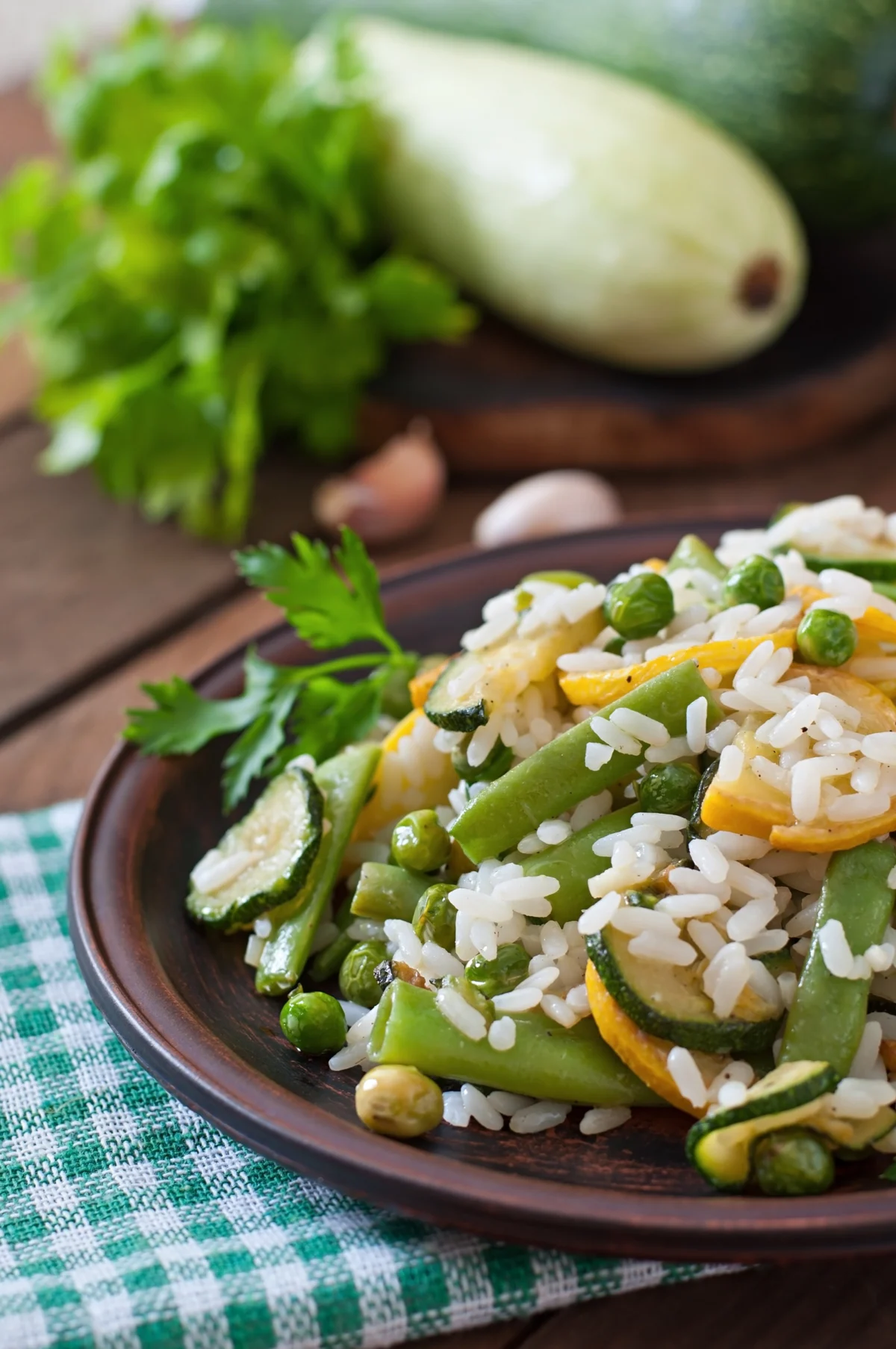
New Delhi, September 6, 2026 – In a culinary world often chasing the next superfood trend, a surprisingly simple yet profoundly effective nutritional upgrade has been quietly gaining traction. Nutritionist and content creator Deepsikha Jain has popularized a straightforward hack that promises to transform the ubiquitous bowl of rice into a more robust and satisfying meal: the humble green pea. Her viral Instagram post, detailing how adding just a cup of peas can significantly boost the fiber and protein content of rice, has sparked a renewed appreciation for this often-overlooked legume.
Jain’s assertion that incorporating a cup of green peas into a standard rice serving can contribute approximately 10 grams of fiber and 6 grams of protein has resonated with health-conscious individuals. This dual benefit, she explains, leads to increased satiety, helping to curb overeating and promote a feeling of fullness for longer periods. Beyond mere satisfaction, this simple addition holds the potential to positively impact metabolic health. By introducing more fiber and protein, the meal’s glycemic response can be modulated, potentially mitigating sharp sugar spikes and the subsequent energy crashes that often follow carbohydrate-heavy meals. Furthermore, the enhanced fiber content is a boon for gut health, supporting a thriving microbiome and promoting regular digestion.
The nutritional science behind Jain’s recommendation has been corroborated by health experts. Edwina Raj, Head of Services – Clinical Nutrition & Dietetics at Aster CMI Hospital in Bangalore, confirms that the addition of peas to rice is a practical and effective strategy for creating a more balanced meal. "Rice, in its basic form, is primarily a carbohydrate source," Raj explains. "By incorporating peas, we introduce essential dietary fiber and valuable plant-based protein. This combination not only makes the meal more filling but also significantly enhances its overall nutritional profile, contributing a spectrum of vitamins and minerals that are often lacking in a plain rice dish."
While Jain’s specific figures of 10g fiber and 6g protein per cup of peas are compelling, Raj offers a nuanced perspective, emphasizing that these numbers are estimates. "The precise quantities of fiber and protein will vary depending on factors such as the volume of peas added, whether they are fresh or frozen, and the portion size of the rice itself," she clarifies. "Therefore, it’s more accurate to view these figures as a guideline rather than a definitive, fixed value." Nevertheless, the core principle remains sound: peas are a potent addition for enriching a staple carbohydrate.
The Science Behind the Pea Power
The remarkable nutritional advantages of peas stem from their impressive nutrient composition. Beyond their carbohydrate base, peas are a rich source of dietary fiber, which plays a crucial role in digestive health. This fiber aids in promoting regular bowel movements, preventing constipation, and contributing to that sought-after feeling of satiety. Simultaneously, the plant-based protein in peas supports daily protein intake, which is vital for muscle maintenance and repair, especially when integrated into a diet that already includes other protein-rich foods.
Furthermore, peas are a commendable source of essential micronutrients. They contain folate, a B vitamin critical for cell growth and the formation of healthy red blood cells. Vitamin C, another key nutrient found in peas, is a powerful antioxidant that bolsters the immune system and enhances the body’s ability to absorb iron from plant-based sources. This makes peas a particularly valuable inclusion in vegetarian and vegan diets, where iron absorption can sometimes be a concern.
The synergistic effect of fiber and protein in peas also plays a significant role in blood sugar management. Raj elaborates, "The combination of fiber and protein helps to slow down the digestive process. This, in turn, can reduce the rapid surge in blood glucose levels that often follows the consumption of meals primarily composed of refined carbohydrates. While the impact is influenced by the entire meal composition, portion size, and individual health status, the inclusion of peas undoubtedly contributes to a more stable glycemic response." This makes the pea-and-rice combination a strategic choice for individuals managing diabetes or those seeking to prevent blood sugar fluctuations.
Beyond the Basic Bowl: Strategic Nutritional Integration
While the simple act of adding peas to rice is a significant step towards a more nutritious meal, experts advise a holistic approach to dietary planning. "While adding peas is an excellent everyday upgrade for rice, it should not be seen as a standalone solution for protein deficiency," cautions Raj. "A more comprehensive strategy involves combining rice and peas with other diverse protein sources and a variety of vegetables."
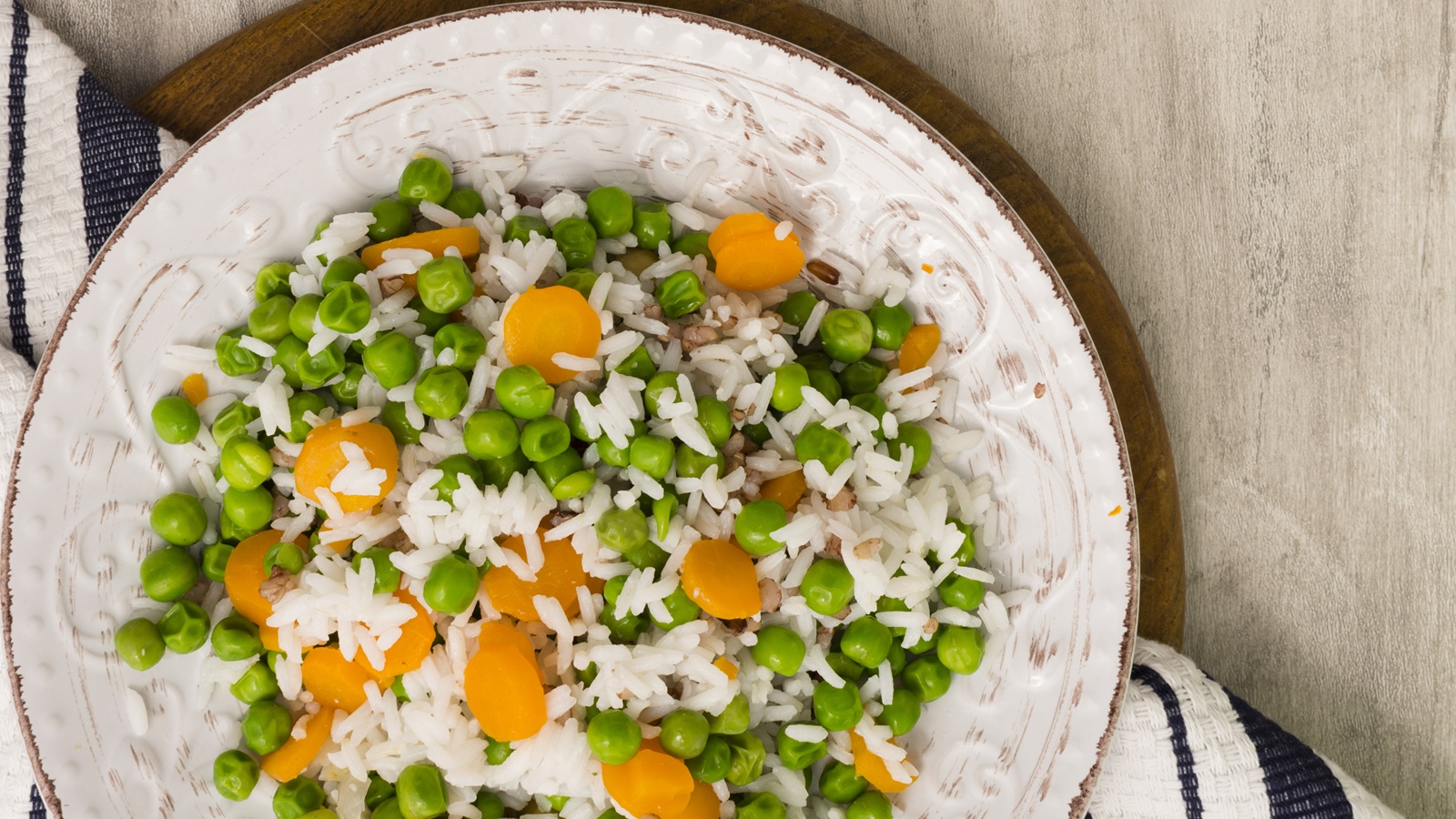
This means that a truly balanced meal might include peas alongside legumes such as dal, rajma, or chana, or incorporate plant-based proteins like soy or tofu, or even dairy options like paneer or curd. "By integrating these components, the meal becomes a richer tapestry of macronutrients and micronutrients, ensuring a better balance of carbohydrates, protein, fiber, vitamins, and minerals," Raj suggests. This multi-faceted approach maximizes the health benefits and ensures sustained energy release throughout the day.
For individuals who may experience digestive discomfort, such as bloating or gas, after consuming legumes, Raj offers practical advice. "It’s important to introduce these foods gradually and pay close attention to your body’s tolerance," she recommends. "Starting with smaller portions and increasing them over time can help your digestive system adapt."
Regarding preparation, both fresh and frozen peas are convenient options. However, Raj emphasizes the importance of mindful cooking methods. "The nutritional benefits of peas can be diminished by excessive use of butter, cream, or salt during preparation," she warns. Opting for steaming, boiling, or light sautéing with minimal added fats and sodium will preserve their wholesome goodness.
The Broader Implications: A Trend Towards Mindful Eating
Deepsikha Jain’s viral hack, amplified by expert validation, signifies a broader shift in dietary consciousness. In an era where processed foods and refined carbohydrates often dominate our plates, there’s a growing demand for accessible, practical, and evidence-based strategies to enhance our daily nutrition. The humble green pea, often relegated to a side dish or garnish, is now being recognized for its substantial contribution to a balanced diet.
The implications extend beyond individual health. By promoting the incorporation of nutrient-dense, plant-based foods, such advice can contribute to more sustainable dietary patterns. Legumes like peas are generally more environmentally friendly to produce compared to animal protein sources, aligning with a growing global awareness of the environmental impact of food choices.
Furthermore, the simplicity of this nutritional upgrade makes it accessible to a wide demographic. It requires no specialized equipment, no exotic ingredients, and minimal disruption to existing cooking habits. This ease of implementation is crucial for fostering lasting dietary changes. The conversation around peas also opens doors to exploring other underutilized legumes and vegetables that can similarly elevate the nutritional value of common staple foods.
As consumers become more discerning about their food choices, seeking both health benefits and culinary enjoyment, the focus is shifting towards "whole foods" and traditional wisdom augmented by scientific understanding. The pea-and-rice phenomenon is a testament to this trend, demonstrating that significant nutritional improvements can often be achieved through small, informed adjustments to our everyday meals. It serves as a powerful reminder that sometimes, the most impactful health solutions are found in the most unassuming corners of our kitchens.
Disclaimer: This article is based on information from the public domain and expert opinions. It is intended for general informational purposes only and does not constitute medical advice. Always consult with a qualified health practitioner before making any decisions related to your health or treatment.
