

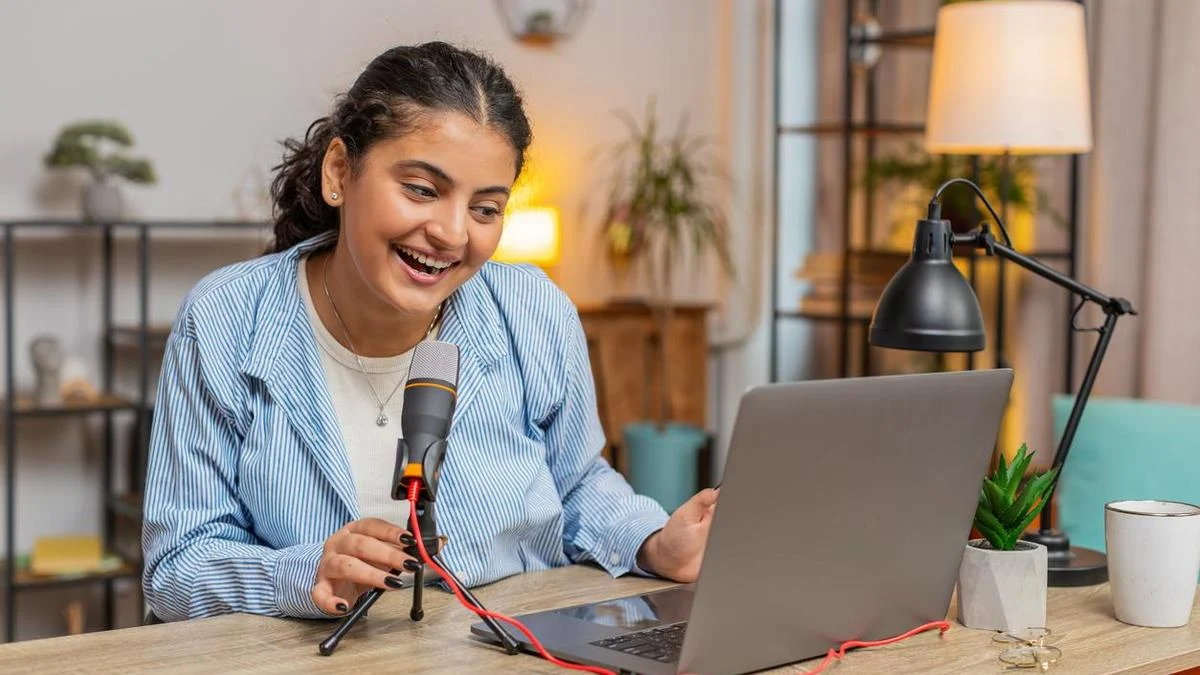
May 20, 2026 – In an era defined by digital connectivity and personal expression, a revolutionary economic force has emerged, profoundly altering the landscape of work, media consumption, and brand interaction: the creator economy. Often synonymous with the influencer market, this dynamic ecosystem empowers individuals to cultivate, distribute, and monetize their unique content, forging direct relationships with vast global audiences. Far from a fleeting trend, the creator economy, fueled by ubiquitous digital and social media platforms, represents a fundamental shift where anyone with a distinct niche, a compelling voice, and a desire to connect can forge a viable, often lucrative, career as a "creator."
This burgeoning industry has shattered conventional professional barriers, demonstrating that expertise and engagement can transcend traditional qualifications. From educational content and entertainment to lifestyle guides and specialized tutorials, creators are proving that passion, authenticity, and a strategic understanding of digital dynamics are the true currencies of the 21st century.
I. Main Facts: A New Paradigm of Earning and Engagement
The creator economy is, at its core, a system where independent content producers leverage digital platforms to build communities and generate income. Unlike traditional media models, which are often centralized and top-down, this economy is decentralized, empowering individuals to become their own media houses, publishers, and broadcasters. This fundamental shift has democratized access to audiences and revenue streams previously reserved for large corporations.
Key characteristics defining this new paradigm include:
- Individual Empowerment: The ability for individuals to build personal brands and monetize their skills, hobbies, and insights.
- Direct Audience Connection: Creators interact directly with their followers, fostering strong communities and loyalty.
- Platform Dependence: Reliance on digital platforms (YouTube, Instagram, TikTok, Twitch, Patreon, etc.) for content hosting, distribution, and often, monetization tools.
- Diverse Monetization: Multiple revenue streams ranging from advertising and sponsorships to direct sales of products and services, and audience subscriptions.
- Niche Specialization: Success often hinges on identifying and serving highly specific interests, fostering dedicated communities that are attractive to brands.
This model not only offers unprecedented opportunities for individuals but also challenges established industries, forcing them to adapt to a world where trust often resides with independent voices rather than traditional institutions.
II. Chronology: The Evolution of Digital Influence
The roots of the creator economy can be traced back to the early days of the internet, though its current form is a more recent phenomenon driven by technological convergence and societal shifts.
A. Early Seeds: Blogs and Forums (Late 1990s – Early 2000s)
The concept of individuals sharing content and building communities online began with personal websites, blogs, and online forums. Early adopters like travel bloggers or tech reviewers inadvertently laid the groundwork, demonstrating that niche content could attract dedicated readers, even if direct monetization was nascent. Affiliate marketing and basic ad placements were the primary revenue generators.
B. The Rise of Video and Social Media (Mid-2000s – Early 2010s)
The launch of YouTube in 2005 and the subsequent explosion of social media platforms like Facebook (2004) and Twitter (2006) marked a critical turning point. YouTube, in particular, democratized video production and distribution, allowing anyone with a camera and an internet connection to become a broadcaster. The introduction of the YouTube Partner Program in 2007 provided a clear path for creators to earn directly from their content through advertising revenue, legitimizing content creation as a potential career. Instagram, launched in 2010, capitalized on visual storytelling, creating a new breed of "influencers" who captivated audiences with aspirational lifestyles and product endorsements.
C. The Acceleration Phase: Mobile, Algorithms, and the Pandemic (Mid-2010s – Present)
Technological Accessibility: The widespread adoption of smartphones and increasingly affordable high-speed internet in the mid-2010s dramatically lowered the barrier to entry for content creation. Anyone could shoot, edit, and upload high-quality content directly from their pocket. This accessibility fueled an unprecedented surge in creators globally.
Algorithmic Amplification: As platforms matured, their sophisticated algorithms became central to content discovery. These algorithms, designed to maximize user engagement, began to identify and promote content most likely to resonate with individual viewers, effectively boosting the visibility of creators and allowing even relatively new voices to find large audiences. While powerful, this reliance on algorithms also introduced a new layer of complexity and pressure for creators to constantly adapt.
Shifting Consumer Trust: A significant societal shift also propelled the creator economy forward. Consumers, increasingly wary of traditional advertising and corporate messaging, began to place greater trust in independent voices. The authenticity and relatability of creators who genuinely used or reviewed products often resonated more deeply than polished, corporate advertisements. As Scott Cook, former director of eBay, aptly put it, "A brand is no longer what we tell the consumer it is – it is what consumers tell each other it is." This sentiment perfectly encapsulates the power shift towards peer recommendations and influencer endorsements.
The Pandemic’s Catalyst: The global lockdowns of 2020 served as an undeniable accelerant. With billions confined to their homes, screen time for social media and online entertainment surged dramatically. Creators, often working from the comfort of their own homes, capitalized on this captive audience, producing a vast array of content. Data from Forbes magazine highlights this surge, noting that Instagram influencers, for instance, saw an average increase of likes by 67.7% and a more than 50% increase in comments following the pandemic, underscoring the intensified engagement. This period cemented the creator economy’s position as a robust and resilient sector.

III. Supporting Data: The Mechanics and Market Power
The creator economy is not just a cultural phenomenon; it is a significant economic engine, driven by diverse monetization strategies and impressive market valuations.
A. Diverse Monetization Avenues
Creators employ a multi-faceted approach to generate income, diversifying their revenue streams to build sustainable careers:
- Advertising Revenue: This is often the foundational income stream, particularly for video creators. Platforms like YouTube share a portion of the revenue generated from ads displayed before, during, and after a creator’s content. The income is typically calculated based on factors like Cost Per Mille (CPM – cost per thousand views) or Cost Per Click (CPC).
- Brand Collaborations and Sponsorships: This is a cornerstone of the creator economy. Brands pay creators to integrate their products or services into content. This can range from dedicated sponsored videos or posts to product placements, brand ambassadorships, and affiliate marketing (where creators earn a commission on sales made through their unique links). Transparency and disclosure of sponsored content are crucial ethical and regulatory considerations.
- Direct Sales of Products and Services: Many creators transition into entrepreneurship by selling their own merchandise (t-shirts, mugs, apparel), digital products (e-books, online courses, presets, templates), or even physical goods related to their niche. This allows for greater control over income and strengthens brand loyalty.
- Subscriptions and Fan Funding: Platforms like Patreon, YouTube Memberships, and Twitch subscriptions enable audiences to directly support creators through recurring payments, often in exchange for exclusive content, early access, or personalized interactions. This model fosters a deeper connection between creators and their most dedicated fans.
- Live Streaming and Virtual Gifting: Platforms like Twitch and TikTok allow viewers to send virtual gifts or "tips" during live streams, which can be converted into real currency. This interactive form of monetization provides instant feedback and direct financial support.
B. Platform-Specific Monetization Milestones
Each major platform has specific criteria creators must meet to unlock monetization features:
- YouTube: To join the YouTube Partner Program (YPP) and earn from ads, channel memberships, and Super Chats, creators typically need 1,000 subscribers and either 4,000 valid public watch hours in the past 12 months or 10 million valid public Shorts views in the past 90 days.
- Instagram: Professional accounts (Business or Creator) for users aged 18 and above can explore various monetization options like Badges in Instagram Live, affiliate marketing, and brand content tools, provided they comply with Instagram’s Partner Monetization Policies and Community Guidelines.
- TikTok: The TikTok Creator Fund allows eligible creators to earn directly from their videos based on views and engagement, though specific criteria (e.g., minimum followers, video views, age) apply and vary by region.
C. Market Valuation and Economic Impact
The creator economy is a colossal and rapidly expanding market. According to comprehensive analyses, the global creator economy market size was calculated at an impressive USD 254.4 billion in 2025. India alone, recognized as a powerhouse in digital adoption and content consumption, contributed significantly, with its creator economy valued at an estimated $20 – $25 billion in the same year, as per the Press Information Bureau (PIB). These figures underscore not only the current economic footprint but also the immense potential for future growth.
This growth translates into tangible economic benefits, fostering job creation not just for creators themselves, but also for a vast ecosystem of supporting roles: video editors, graphic designers, social media managers, legal advisors, talent agents, and technology developers building creator tools. It represents a significant contribution to the global gig economy and a new frontier for entrepreneurship.
IV. Official Responses: Navigating Regulation and Responsibility
As the creator economy matures, it attracts increasing scrutiny from regulators, platforms, and the public regarding ethical practices, transparency, and accountability.
A. Regulatory Landscape and Consumer Protection
Governments and consumer protection agencies worldwide are grappling with how to regulate this decentralized industry. Key areas of focus include:
- Disclosure of Sponsored Content: Agencies like the Federal Trade Commission (FTC) in the U.S. and similar bodies globally mandate clear and conspicuous disclosure of any material connection between a creator and a brand when promoting products or services. This ensures transparency and prevents deceptive advertising.
- Data Privacy: Creators and platforms handle vast amounts of user data, raising concerns about privacy, data security, and compliance with regulations like GDPR and CCPA.
- Child Protection: The involvement of child creators or content targeting children necessitates specific safeguards regarding labor laws, advertising practices, and online safety.
- Taxation: The often-unpredictable and diverse income streams of creators pose challenges for tax authorities, requiring clear guidelines for reporting and payment.
B. Platform Policies and Community Standards
Digital platforms themselves play a crucial role in self-regulation, implementing stringent policies to maintain a healthy and safe environment:
- Content Guidelines: Platforms enforce rules against hate speech, misinformation, graphic content, copyright infringement, and other harmful material. Violations can lead to content removal, demonetization, or even channel termination.
- Monetization Policies: Beyond the quantitative milestones, platforms also have qualitative criteria. Creators must adhere to community guidelines and advertiser-friendly content policies to remain eligible for monetization.
- Copyright and Intellectual Property: Platforms have systems for addressing copyright infringement claims, balancing the rights of content owners with the principles of fair use.
C. The Harsh Realities and Ethical Dilemmas
Despite its allure, the creator economy is not without its significant challenges and ethical considerations, both for creators and the broader society:
- Income Instability: For many, income remains highly unpredictable, fluctuating with algorithmic changes, audience engagement, and brand budgets. This lack of stable income can be a major source of stress.
- Pressure to Stay Relevant: The relentless demand for fresh, engaging content, coupled with the ever-changing nature of algorithms, creates immense pressure on creators to constantly innovate and adapt, leading to intense competition.
- Burnout and Mental Health: The constant public scrutiny, the need for perpetual performance, the struggle with online criticism, and the blurring of lines between personal and professional life contribute to high rates of burnout, anxiety, and mental health challenges among creators.
- Online Criticism and Harassment: Creators are often exposed to harsh criticism, cyberbullying, and even doxing, which can take a severe toll on their well-being.
- Authenticity vs. Commercialism: Maintaining authenticity while engaging in commercial partnerships is a constant tightrope walk. Audiences are quick to detect inauthenticity, which can damage a creator’s credibility and brand.
- Misinformation and Disinformation: The decentralized nature of content creation also carries the risk of the rapid spread of misinformation or disinformation, posing a significant challenge for platforms and society.
V. Implications: The Future Trajectory of the Creator Economy
The creator economy is not static; it is an evolving entity poised for further transformation driven by technological advancements and shifting consumer expectations.
A. Key Future Trends
- AI-Powered Content Creation and Personalization: Artificial intelligence is set to revolutionize content creation. AI tools can assist with scriptwriting, video editing, voiceovers, translation, and even generating entirely new content. This will enhance efficiency and allow creators to produce more sophisticated content. AI will also drive hyper-personalization, delivering content tailored to individual viewer preferences, further boosting engagement.
- Web3 and Decentralization: The emergence of Web3 technologies, including blockchain, NFTs (Non-Fungible Tokens), and decentralized autonomous organizations (DAOs), promises to empower creators further. NFTs can allow creators to tokenize their content, granting audiences direct ownership and fostering new forms of monetization and community engagement. Decentralized platforms could offer creators greater control over their data, content, and revenue splits, reducing reliance on centralized intermediaries.
- Immersive and Interactive Media: The growth of virtual reality (VR), augmented reality (AR), and the metaverse will open new frontiers for creators. Immersive experiences, virtual events, and interactive storytelling will become increasingly prevalent, allowing creators to engage audiences in entirely new dimensions.
- Liquid Content and Cross-Platform Synergy: The concept of "liquid content" – content repurposed into multiple forms across various platforms – will become even more critical. A single long-form video might be broken down into short-form clips for TikTok/Shorts, an audio podcast, a blog post, and Instagram carousels. This strategy maximizes reach and efficiency.
- Hyper-Niche Specialization: As the market becomes saturated, creators will increasingly find success by diving into extremely specific niches, cultivating deeply engaged, smaller communities that offer high value to specialized brands.
- Professionalization and Infrastructure: The industry will continue to professionalize, with more robust support systems emerging. This includes specialized talent agencies, financial management tools, legal services, and educational programs tailored for creators. Corporations are already adapting by taking to social media for aggressive, targeted marketing, recognizing the unparalleled reach and influence of creators.
B. Societal Impact and Outlook
The creator economy has irrevocably blurred the lines between a hobby and a profession, redefining career paths and challenging traditional employment models. It stands as a testament to the power of individual agency in the digital age. While it presents undeniable challenges—from income volatility and burnout to the ethical complexities of influence—its transformative potential remains immense. It democratizes voice, fosters global communities, and drives innovation in media and commerce.
As technology continues to advance and global connectivity deepens, the creator economy is poised for even greater development. It will continue to reshape how we learn, how we are entertained, and how we connect with brands and each other, solidifying its place as a cornerstone of the modern digital landscape. The future will undoubtedly see more individuals harnessing their creativity and unique perspectives to build thriving enterprises, proving that in this new economy, the power truly lies in the hands of the people.
