

New Delhi, India – July 28, 2026 – On the cusp of what he envisioned as a rigorous pursuit of civil services, the COVID-19 pandemic irrevocably altered the trajectory of Satyam Dixit’s life. What was meant to be a period of intense UPSC examination preparation transformed into a profound awakening, steering him away from personal ambition and towards a deep-seated commitment to community welfare. This pivot ultimately blossomed into a powerful, citizen-led environmental initiative, igniting a nationwide movement focused on cleanliness, effective waste management, and pervasive public awareness. This inspiring narrative, highlighted on World Nature Conservation Day as part of Zee Media’s impactful "My Earth, My Duty" campaign, showcases how one individual’s resilience and dedication can catalyze transformative change, turning personal struggles into a collective mission for a healthier planet.
Satyam Dixit’s journey is a testament to the indomitable spirit that can emerge from challenging circumstances. Raised in a household defined by modest means, his formative years were shaped by the arduous labor of his father, a pedal rickshaw puller who later transitioned to the role of a watchman. Their existence was rooted in the confines of a rented home, a stark reality that propelled young Satyam into early entrepreneurship. Even while attending school, he began contributing to the family income by selling momos, a humble endeavor that instilled in him the value of hard work and resourcefulness. This entrepreneurial spirit persisted through his college years, where he further supplemented his family’s finances by working as a delivery executive. These early experiences, marked by financial constraints and a constant need to contribute, forged in him an unshakeable sense of responsibility and an innate drive to serve.
)
The Pandemic’s Unforeseen Catalyst: A Shift in Priorities
The unprecedented global crisis of the COVID-19 pandemic served as a profound turning point, not just for Satyam, but for countless individuals worldwide. For Satyam, it presented a stark choice: to immerse himself in the solitary pursuit of academic achievement or to channel his energy towards the immediate needs of the community grappling with the pandemic’s devastating impact. The latter resonated deeply. Witnessing the suffering and the strain on local infrastructure, his meticulously laid plans for UPSC preparation were set aside. Instead, he felt an urgent calling to dedicate his time and efforts to assisting those around him. This period of intense community engagement marked the genesis of his environmental advocacy. What began as ad-hoc efforts to support his neighbors and local communities soon evolved into a structured, citizen-led initiative with a clear environmental focus. The core tenets of this burgeoning movement were simple yet powerful: fostering widespread cleanliness, implementing effective waste management strategies, and conducting crucial public awareness campaigns.

From a Seed of an Idea to a Sprawling Movement: The Growth of "My Earth, My Duty"
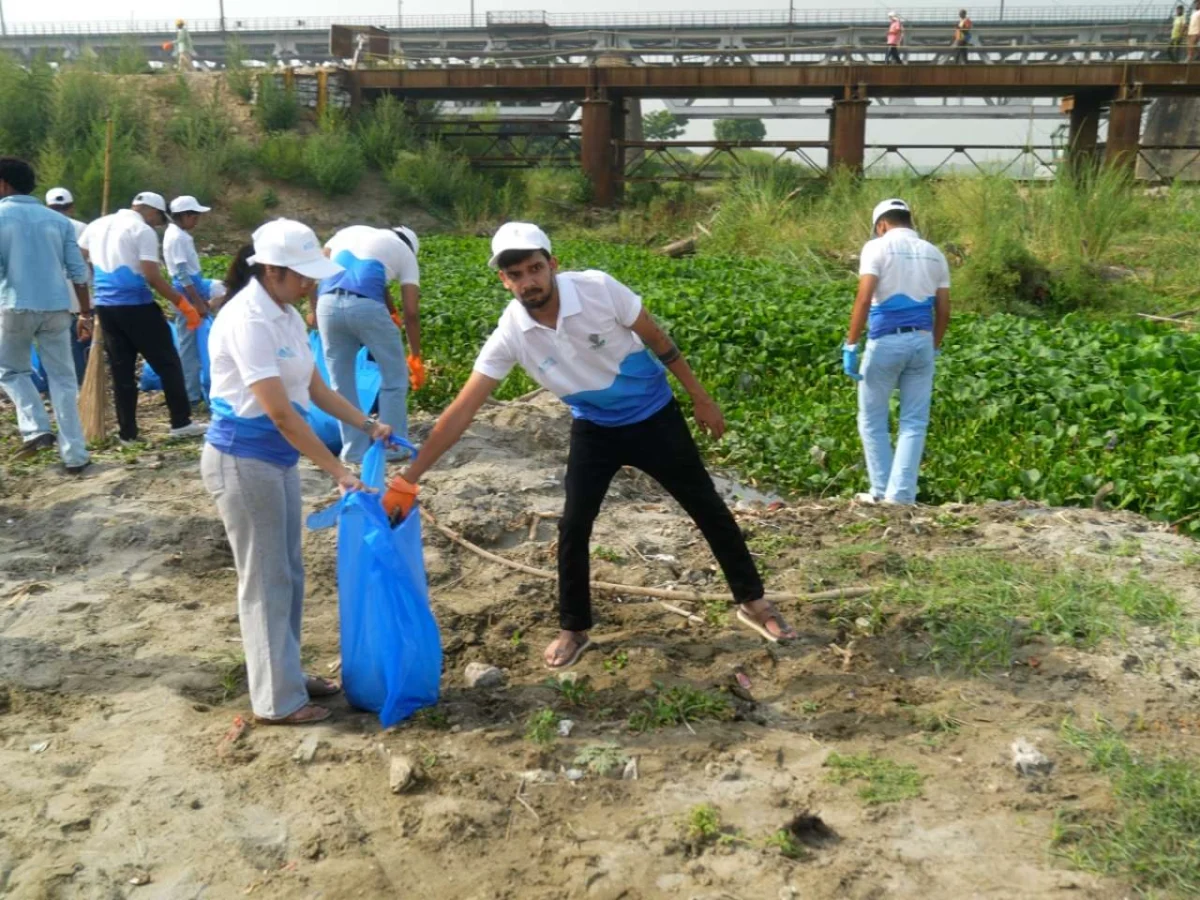
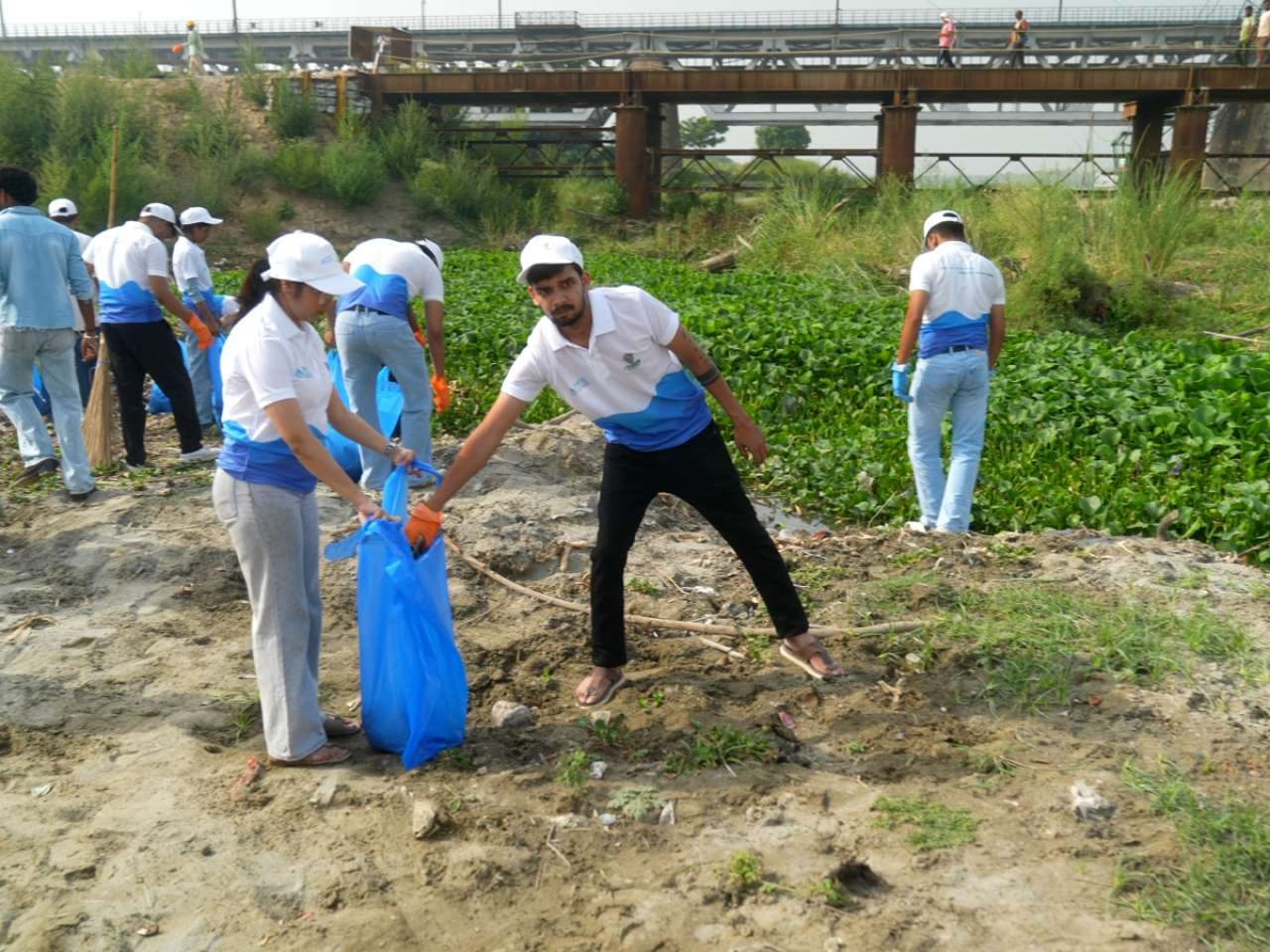
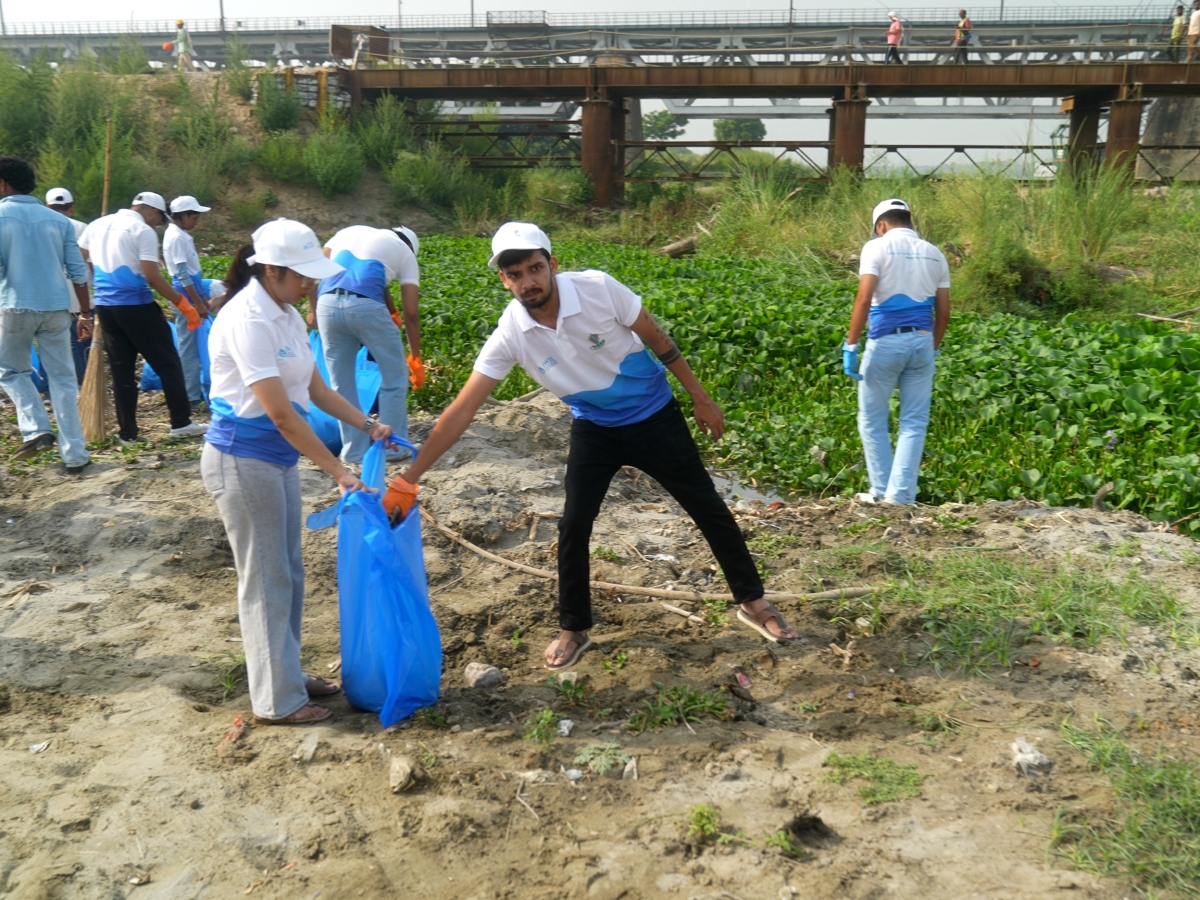
The initiative, born from a single individual’s conviction, rapidly transcended its nascent stages. What began with a handful of like-minded volunteers has, in a remarkably short span, burgeoned into a significant environmental movement, now operational in over 200 cities across India. The core activities of the movement revolve around meticulously organized cleanup drives, targeting public spaces, riverbanks, and other ecologically sensitive areas. These drives have been instrumental in the removal of vast quantities of waste, from plastic debris that chokes natural waterways to accumulated refuse that mars the aesthetic and ecological integrity of public spaces.
)
Beyond the immediate act of cleaning, the movement places a strong emphasis on sustainable practices. Recycling initiatives are actively promoted, encouraging citizens to participate in the responsible disposal of materials. Particular attention is paid to the segregation and management of plastic waste, a persistent environmental hazard, and also to the often-overlooked issue of religious waste, which can pose significant challenges to local ecosystems if not managed appropriately. The organization advocates for and educates communities on eco-friendly alternatives and methods for handling such waste, aiming to minimize its environmental footprint.
)
Beyond the Broom: Cultivating a Culture of Environmental Stewardship
The impact of Satyam Dixit’s initiative extends far beyond the physical act of cleaning. A cornerstone of the "My Earth, My Duty" movement is its unwavering commitment to behavioral change. Recognizing that lasting environmental improvement necessitates a shift in public mindset, the initiative actively engages in comprehensive awareness campaigns. These campaigns are designed to foster a sense of personal responsibility and ownership among citizens. By encouraging active participation in community-driven environmental activities, the movement seeks to empower individuals to become stewards of their own surroundings. This approach moves beyond simply addressing symptoms of environmental degradation to tackling the root causes by cultivating a culture of proactive care and respect for the natural world.
)
Supporting Data and Observable Impact: Quantifying the Change
While precise, independently audited figures are still being compiled, the anecdotal evidence and the sheer scale of the operation speak volumes about the movement’s impact. Reports from various cities where the initiative is active consistently highlight:
)
- Vast Quantities of Waste Removed: Cleanup drives have led to the removal of tons of plastic, general waste, and other pollutants from public spaces and riverbanks. Specific examples include the successful clearing of several kilometers of polluted riverfronts and the significant reduction of waste accumulation in popular urban parks.
- Increased Community Participation: The number of volunteers participating in cleanup drives has seen a steady and impressive rise. What began with a core group of a dozen individuals now regularly sees hundreds, and sometimes thousands, of people of all ages and backgrounds joining hands for environmental action.
- Establishment of Recycling Hubs: In several cities, the movement has facilitated the establishment of local recycling hubs, partnering with existing waste management facilities and encouraging informal waste pickers to integrate into more organized systems.
- Educational Outreach: Workshops, seminars, and street-corner awareness programs have reached an estimated millions of citizens, disseminating crucial information about waste segregation, the impact of pollution, and the importance of conservation.
- Formation of Local Chapters: The decentralized nature of the movement has led to the formation of strong, self-sustaining local chapters in over 200 cities, each adapting the core principles to their unique local contexts and challenges.
Official Responses and Recognition: Acknowledging the Power of Grassroots Action
The success and growing influence of Satyam Dixit’s environmental initiative have not gone unnoticed by governmental bodies and environmental agencies. While formal endorsements and extensive partnerships are still evolving, there has been a palpable shift in the recognition of grassroots efforts.
)
- Local Municipal Corporation Support: Many local municipal corporations have begun to collaborate with the movement, providing logistical support for cleanup drives, waste disposal assistance, and even offering spaces for awareness programs. This collaboration is crucial in streamlining efforts and ensuring that the collected waste is processed efficiently.
- Environmental Ministry Acknowledgment: Representatives from the Ministry of Environment, Forest and Climate Change have, on occasion, acknowledged the vital role of citizen-led initiatives like "My Earth, My Duty" in complementing government efforts towards achieving national environmental goals. While specific policy integrations are ongoing, the sentiment is one of encouraging and supporting such grassroots movements.
- Media Recognition: The "My Earth, My Duty" campaign by Zee Media itself is a significant testament to the national recognition the movement has garnered. Such platforms amplify the message and inspire wider participation.
Implications for the Future: A Ripple Effect of Change
The story of Satyam Dixit and the "My Earth, My Duty" movement carries profound implications for the future of environmental action in India and beyond.
- Empowerment of Youth: The initiative serves as a powerful example of how young individuals, even those from modest backgrounds, can become significant agents of change. It inspires other young people to look beyond conventional career paths and consider how they can contribute to societal betterment.
- Scalability of Citizen-Led Models: The demonstrable success in over 200 cities highlights the scalability and replicability of citizen-led environmental models. This approach offers a flexible and adaptable framework that can be implemented in diverse socio-economic and geographical contexts.
- Shifting the Paradigm of Responsibility: The movement fundamentally challenges the notion that environmental protection is solely the purview of governments and large organizations. It powerfully articulates the idea that "My Earth, My Duty" is a personal obligation for every citizen, fostering a sense of collective responsibility and ownership.
- Catalyst for Policy and Practice: The growing momentum of such grassroots movements can exert pressure on policymakers to adopt more effective and inclusive environmental policies. It can also encourage corporations to embrace more sustainable business practices, recognizing the increasing public demand for environmental accountability.
- A Beacon of Hope: In an era often defined by environmental challenges and anxieties, Satyam Dixit’s story and the "My Earth, My Duty" movement offer a much-needed beacon of hope. It demonstrates that with determination, collective action, and a shared sense of purpose, significant and lasting positive change is not only possible but is already underway, one cleanup drive, one awareness campaign, and one empowered citizen at a time.
