

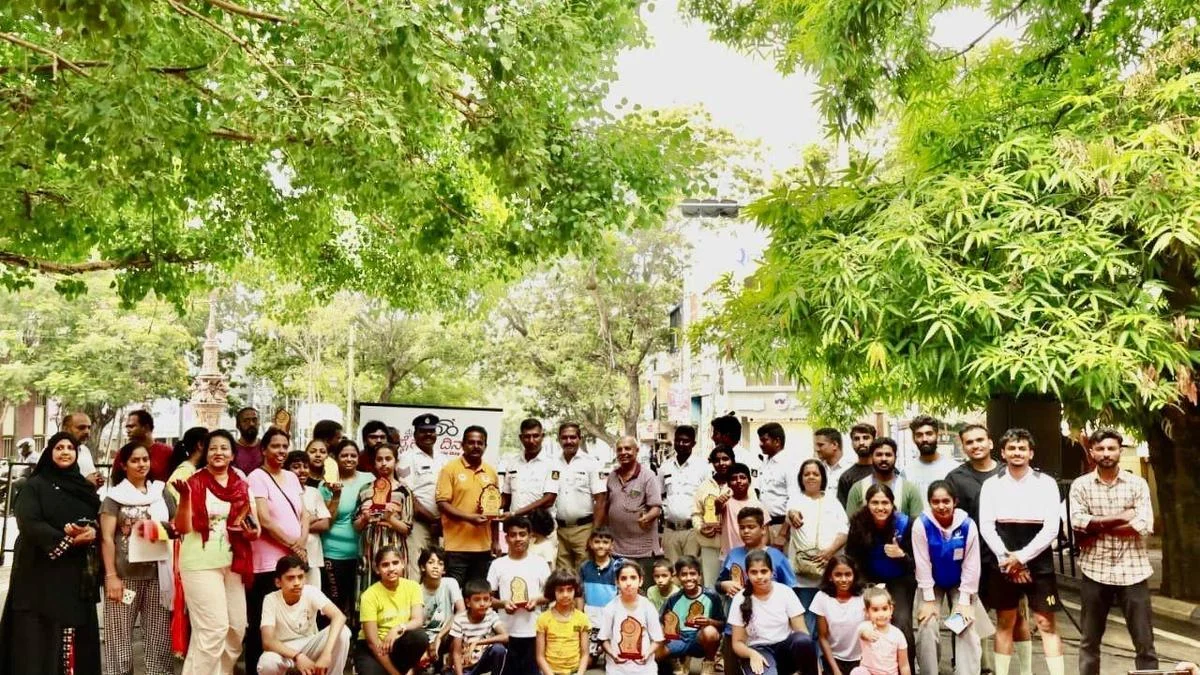
Mysuru, India – May 11, 2026 – In a vibrant display of commitment to environmental stewardship and public well-being, the city of Mysuru marked its fourth annual "Mysuru Cycle Day" on Monday. This significant event, orchestrated by the Mysuru City Corporation (MCC) in partnership with GIZ and ESAF under the banner of the Sustainable Urban Mobility-Air Quality (SUM-AQ) initiative, galvanized hundreds of residents into embracing a greener, healthier, and more community-oriented urban landscape. The day’s festivities, centered around the Saraswathipuram area, underscored the growing imperative for sustainable transportation solutions and the profound impact they can have on urban environments and the lives of their inhabitants.
The Dawn of a Greener Mysuru: Core Objectives and Enthusiastic Turnout
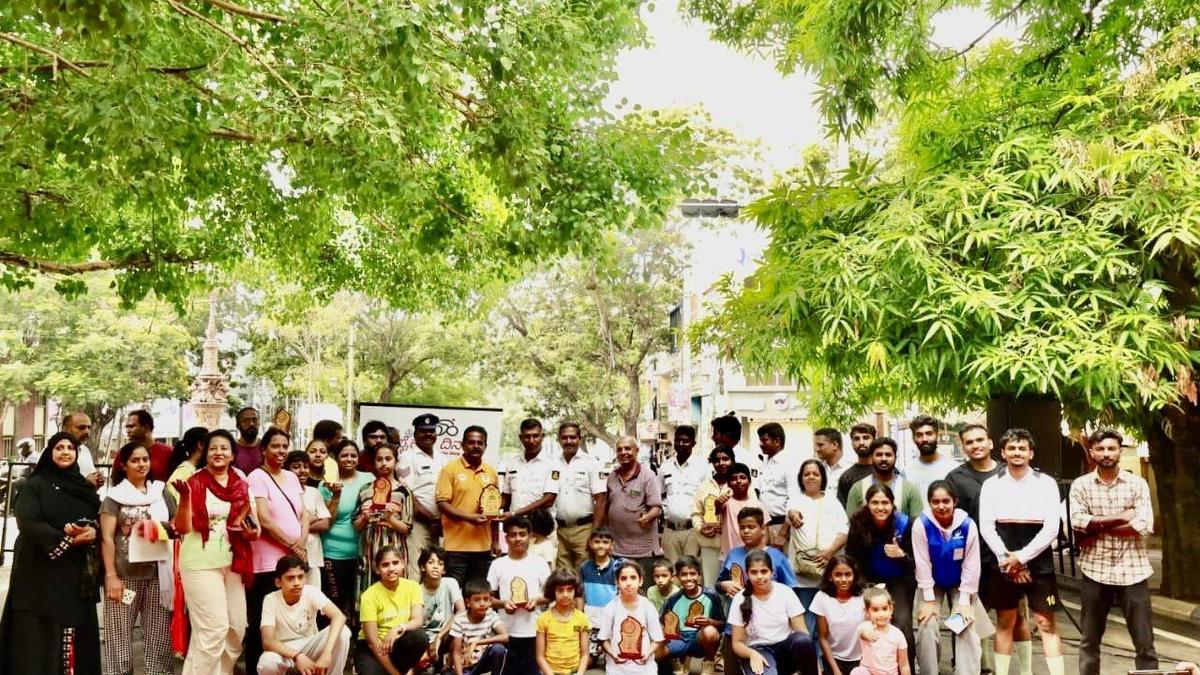
The core objective of Mysuru Cycle Day is to foster a city-wide shift towards sustainable urban mobility, emphasizing the critical link between transportation choices, air quality, and the overall health of the populace. This year’s event, building on the momentum of its predecessors, witnessed an unprecedented level of public engagement. The palpable enthusiasm of participants, ranging from seasoned cyclists to young students and families, painted a powerful picture of a community actively seeking alternatives to conventional, often polluting, modes of transport.
The event’s success can be attributed to its multifaceted approach, designed to appeal to a broad spectrum of the community. Beyond the central cycling rally, the incorporation of "Open Street" activities and traditional games transformed public thoroughfares into vibrant, people-centric spaces. This innovative strategy directly challenged the prevailing notion of urban roads as solely conduits for vehicular traffic, instead promoting them as dynamic platforms for social interaction, recreation, and community building. The MCC’s vision is to cultivate an environment where roads are reclaimed as shared public spaces, fostering a sense of ownership and encouraging active lifestyles.
A Cyclical Journey: Tracing the Evolution of Mysuru Cycle Day
The inception of Mysuru Cycle Day can be traced back to a growing awareness within the city administration and among its citizens regarding the detrimental effects of vehicular pollution on air quality and public health. Recognizing the urgent need for proactive measures, the MCC, in collaboration with international and national organizations dedicated to sustainable urban development, conceptualized an event that would not only raise awareness but also actively encourage behavioral change.
Year 1: The Inaugural Spark: The first Mysuru Cycle Day was a modest yet impactful beginning. Its primary aim was to introduce the concept of dedicated cycling events and to gauge public interest. While the scale was smaller, the commitment to promoting cycling as a viable transportation option was evident. Early partnerships were forged, and the foundational groundwork for future iterations was laid.
Year 2: Building Momentum: With the success of the inaugural event, the second Mysuru Cycle Day saw an increase in participation and a broader scope of activities. The collaboration with GIZ and ESAF began to take shape, bringing in expertise in urban mobility planning and sustainable development. The event started to move beyond a simple rally, incorporating elements of public engagement and educational outreach.
Year 3: Deepening the Impact: The third iteration witnessed a significant expansion in its reach and ambition. The integration of "Open Street" concepts began to be explored, demonstrating the potential for transforming urban spaces. The focus shifted towards not just promoting cycling but also highlighting its role in creating healthier and more livable cities. Partnerships with local institutions and government departments were strengthened.
Year 4: A Maturing Movement: The current, fourth edition of Mysuru Cycle Day stands as a testament to the sustained effort and growing impact of this initiative. The robust participation, the sophisticated organization, and the clear articulation of the event’s objectives signal a maturing movement. The integration of traditional games and community activities alongside the cycling rally signifies a holistic approach to urban well-being, recognizing that sustainable mobility is intertwined with a vibrant community life. The event has firmly established itself as a cornerstone of Mysuru’s efforts to foster a cleaner, healthier, and more people-centric urban environment.
Data-Driven Advocacy: The Undeniable Benefits of Sustainable Mobility
The push for events like Mysuru Cycle Day is underpinned by a growing body of scientific evidence highlighting the significant benefits of sustainable urban mobility and cleaner air.
- Improved Air Quality: Vehicular emissions are a major contributor to air pollution in urban areas, leading to respiratory illnesses, cardiovascular problems, and other health issues. Promoting cycling and walking directly reduces the number of vehicles on the road, leading to a tangible decrease in pollutants such as particulate matter (PM2.5 and PM10), nitrogen oxides (NOx), and carbon monoxide (CO). Studies have shown that cities with higher rates of active transportation consistently report better air quality indices.
- Enhanced Public Health: Regular physical activity, such as cycling, is crucial for maintaining good health. It helps in preventing and managing chronic diseases like obesity, diabetes, heart disease, and certain types of cancer. By making cycling more accessible and appealing, Mysuru Cycle Day contributes to a healthier, more active population, thereby reducing the burden on healthcare systems. The World Health Organization (WHO) recommends at least 150 minutes of moderate-intensity aerobic activity per week for adults, a target easily achievable through regular cycling.
- Reduced Carbon Footprint: Transportation is a significant source of greenhouse gas emissions, contributing to climate change. Shifting from fossil fuel-powered vehicles to bicycles significantly reduces an individual’s carbon footprint. Widespread adoption of cycling can play a crucial role in helping cities meet their climate action goals.
- Economic Benefits: While not always immediately apparent, sustainable mobility can lead to economic advantages. Reduced reliance on fossil fuels can lead to savings for individuals and reduce a city’s dependence on volatile global energy markets. Furthermore, the development of cycling infrastructure can create jobs and stimulate local economies. Studies have also shown that vibrant, walkable, and cyclable neighborhoods can experience increased property values and attract more tourism.
- Alleviation of Traffic Congestion: Overcrowded roads lead to significant delays, lost productivity, and increased stress for commuters. By encouraging cycling, cities can effectively reduce the number of cars on the road, thereby easing traffic congestion and improving the overall flow of transportation. This, in turn, leads to more efficient movement of goods and services.
- Noise Pollution Reduction: Vehicular traffic is a major source of noise pollution in urban environments, negatively impacting residents’ quality of life and well-being. Cycling, being a silent mode of transport, contributes to a quieter and more peaceful urban soundscape.
Official Responses and Future Aspirations
The Mysuru City Corporation (MCC) has unequivocally positioned itself as a leader in championing sustainable urban development. The enthusiastic organization and successful execution of Mysuru Cycle Day underscore the MCC’s commitment to creating a city that prioritizes the well-being of its citizens and the health of its environment.
Mayor’s Vision: Sources close to the MCC leadership have indicated that the "Mysuru Cycle Day" initiative is viewed as more than just an annual event; it is seen as a critical component of a long-term strategy for urban transformation. The Mayor, in a statement following the event, expressed immense satisfaction with the public’s enthusiastic embrace of cycling and sustainable mobility. "This event is a powerful testament to Mysuru’s collective desire for a cleaner, healthier, and more connected city," the Mayor stated. "We are committed to building upon this momentum and integrating these principles into the very fabric of our urban planning and development."
Collaborative Endeavors: The partnership with GIZ and ESAF has been instrumental in providing the technical expertise and strategic guidance necessary for the successful implementation of the SUM-AQ initiative. Representatives from these organizations have lauded the MCC’s proactive approach and the city’s receptive populace. They have highlighted Mysuru as a model city for others in India seeking to emulate similar sustainable mobility strategies.
Police and Institutional Support: The seamless execution of the event was significantly bolstered by the unwavering support of the Mysuru city police, the traffic police, NCC cadets, and a multitude of educational institutions and government departments. Their dedication ensured the safety and smooth flow of the cycling rally and other activities, demonstrating a unified commitment to the event’s success.
Looking Ahead: The organizers have expressed their intent to make Mysuru Cycle Day an even more impactful and integrated part of the city’s calendar. Future plans include expanding the network of dedicated cycling lanes, implementing more comprehensive public awareness campaigns throughout the year, and exploring innovative urban design solutions that further prioritize pedestrian and cyclist safety and accessibility. The MCC is also reportedly considering policies that incentivize the use of bicycles for daily commuting, such as designated parking facilities and potential tax benefits for cycling-related businesses. The vision extends beyond a single day, aiming to cultivate a permanent culture of sustainable transportation within Mysuru.
The Ripple Effect: Implications for Urban Living and Beyond
The success of Mysuru Cycle Day extends far beyond the immediate enjoyment of a car-free day. Its implications resonate deeply with the broader aspirations for a more sustainable, equitable, and healthier urban future.
- A Blueprint for Other Cities: Mysuru’s pioneering efforts in promoting sustainable mobility through events like Cycle Day serve as an invaluable blueprint for other cities across India and potentially globally. The integrated approach, encompassing public engagement, strategic partnerships, and a clear vision for urban transformation, offers a replicable model for fostering similar movements.
- Shifting Societal Norms: The event plays a crucial role in gradually shifting societal norms and perceptions surrounding transportation. By demonstrating the viability and desirability of cycling, it challenges the entrenched car-centric culture and encourages individuals to reconsider their daily commuting habits. This gradual shift in mindset is fundamental to achieving long-term sustainable development.
- Empowering Citizens: Mysuru Cycle Day empowers citizens by providing them with tangible opportunities to participate in shaping their urban environment. It fosters a sense of agency and collective responsibility, encouraging active involvement in civic issues and promoting a more engaged citizenry.
- Economic Vitality and Tourism: As Mysuru continues to enhance its appeal as a livable and environmentally conscious city, it can attract more eco-conscious tourists and businesses. A city that prioritizes green spaces, active lifestyles, and clean air becomes a more desirable destination for both residents and visitors, potentially boosting economic vitality.
- A Healthier Generation: By instilling a love for cycling and active living in young people, Mysuru Cycle Day contributes to the development of a healthier future generation. The habits formed in childhood often extend into adulthood, creating a lasting positive impact on public health outcomes.
In conclusion, the fourth edition of Mysuru Cycle Day has not only been a celebration of cycling but a powerful affirmation of Mysuru’s commitment to a sustainable and healthy future. The event has successfully woven together community engagement, environmental consciousness, and public health advocacy, creating a vibrant tapestry of change that promises to inspire and endure. As the city continues to build on this momentum, Mysuru stands poised to become a beacon of sustainable urban living, demonstrating that a greener, healthier, and more connected future is not just an aspiration, but an achievable reality.
