

PERSONAL FINANCE
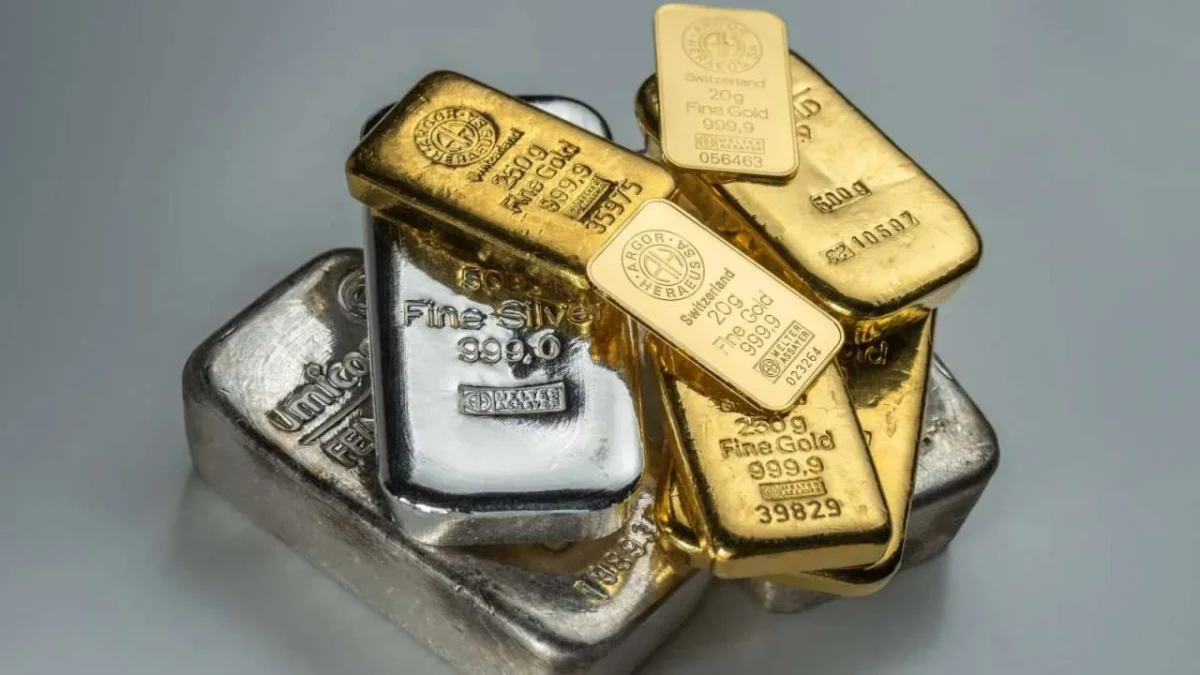
India, a nation deeply intertwined with the allure of precious metals, once again finds its gold and silver markets responding to a complex interplay of global economic shifts, burgeoning domestic demand, and the ever-fluctuating tides of currency exchange rates. As of September 9, 2026, these ancient stores of value continue their dynamic journey, reflecting both international investor sentiment and the deeply ingrained cultural significance they hold within the subcontinent. Today’s snapshot reveals a market exhibiting a slight upward trajectory, driven by a blend of macro-economic forces and local consumption patterns.
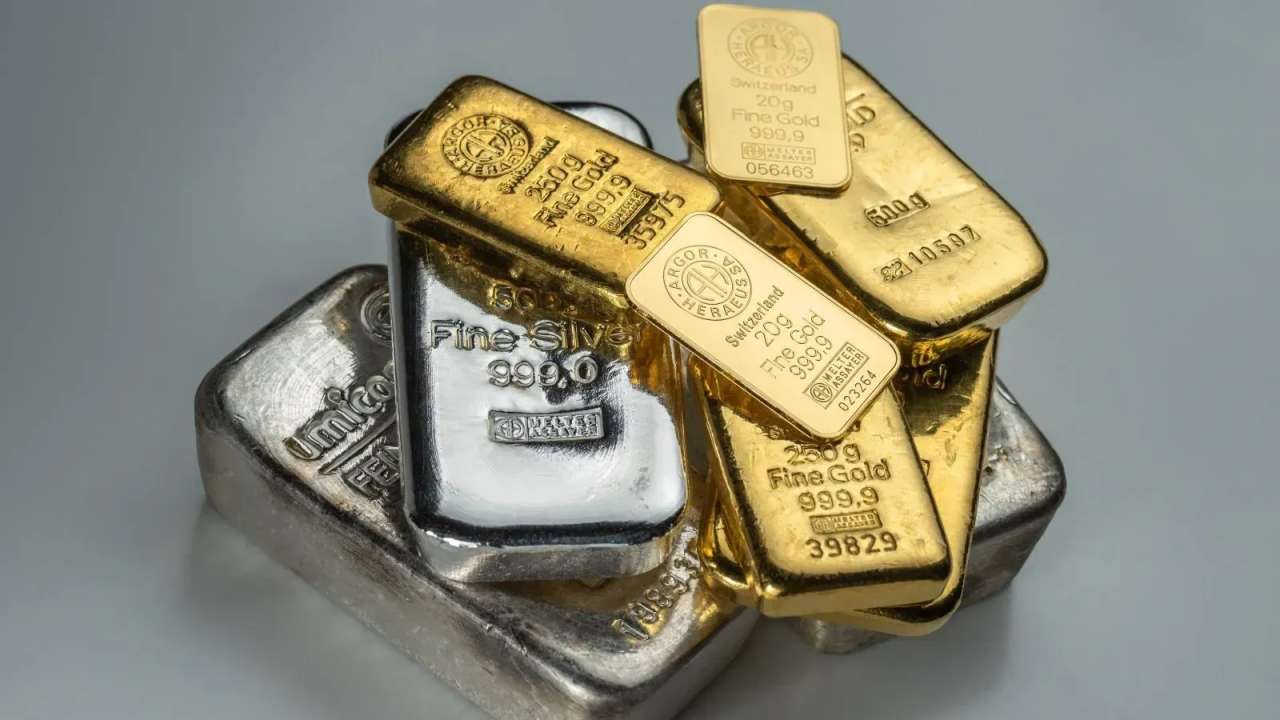
The morning of September 9, 2026, sees 24K gold (999 pure) priced at an average of Rs 15,667 per gram across major Indian cities, while 22K gold, the preferred choice for exquisite jewellery, stands at Rs 14,361 per gram. Silver, often referred to as the ‘poor man’s gold’ but a critical industrial metal, is trading at approximately Rs 2,49,900 per kilogram for 999 pure, or Rs 2,499 per 10 grams. These figures underscore the continued importance of precious metals in India’s financial and cultural landscape, prompting both investors and consumers to keenly observe the daily shifts.
The Shimmering Landscape: Gold Prices on September 9, 2026
The venerated yellow metal, gold, holds an unparalleled position in the Indian psyche, serving as a symbol of wealth, security, and tradition. Its price movements are therefore meticulously tracked by millions, from urban investors to rural households preparing for auspicious occasions. Today’s rates reflect a market grappling with global uncertainties and robust domestic interest.
A Closer Look at Today’s Gold Rates
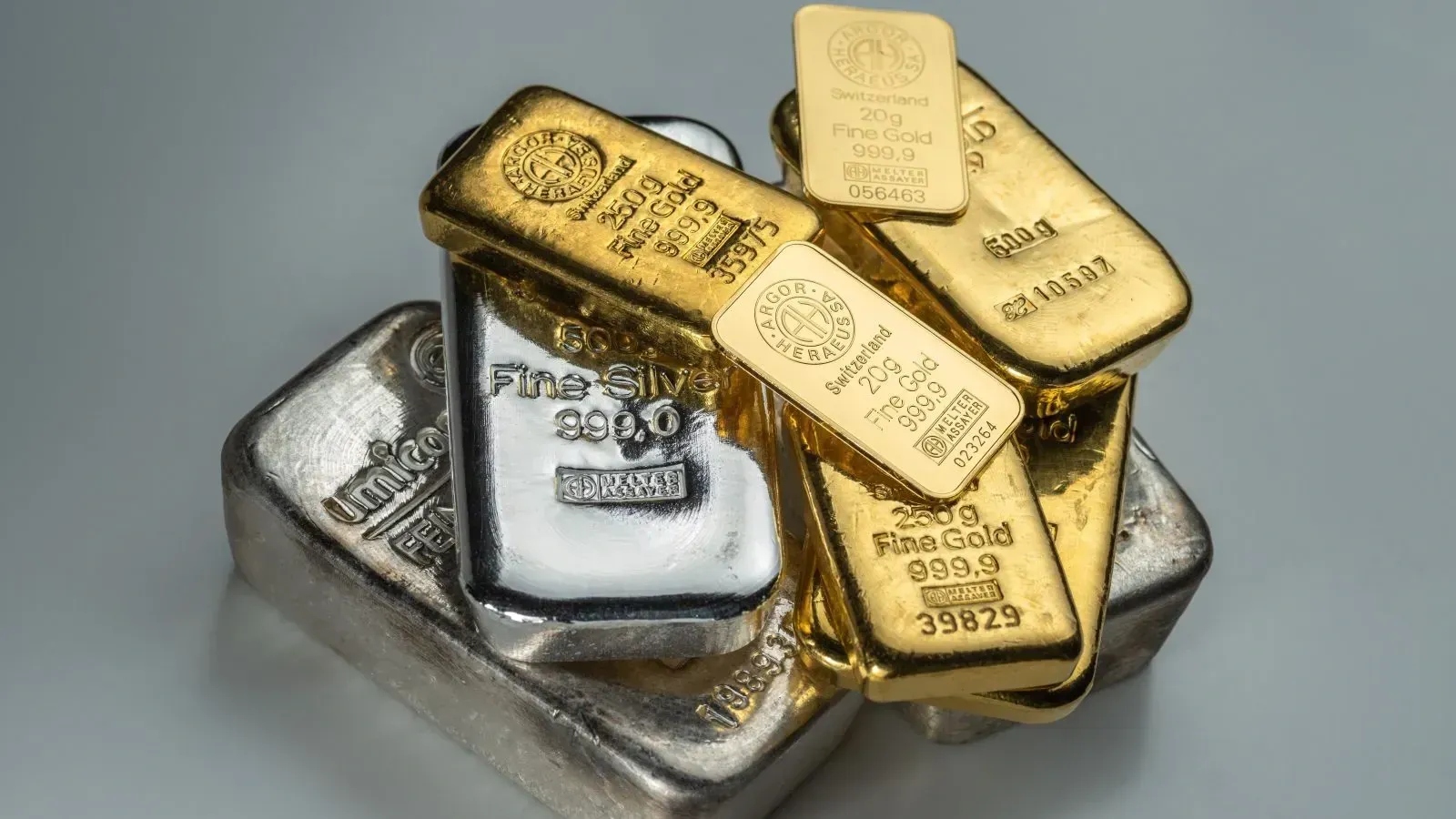
On September 9, 2026, the benchmark price for 24K gold, renowned for its absolute purity (99.9% fine), is set at Rs 15,667 per gram. This grade of gold is primarily favored for investment purposes, such as in gold bars, coins, and digital gold, where its intrinsic value is paramount. For those looking at gold through the lens of adornment, 22K gold, containing 91.67% pure gold blended with other metals like copper or silver to enhance durability, is priced at Rs 14,361 per gram. This slight difference in price per gram underscores the practical considerations of jewellery manufacturing, where strength and intricate design necessitate a lesser purity.
The observed "slight increase" in gold prices today is, according to market analysts, a direct consequence of two primary forces: sustained global demand and persistent inflationary pressures across major economies. As central banks worldwide continue to navigate post-pandemic economic landscapes, concerns over currency devaluation often drive investors towards gold as a reliable hedge against rising prices.
)
City-Wise Variations and Uniformity in Gold Prices
While a general benchmark exists, local factors can introduce minor variations in gold prices across different Indian cities. According to data compiled from reputable sources like Good Returns, the city-wise breakdown on September 9, 2026, is as follows:
- Gold prices in Delhi:
- 24K gold: Rs 15,682 per gram
- 22K gold: Rs 14,376 per gram
- Gold prices in Mumbai:
- 24K gold: Rs 15,667 per gram
- 22K gold: Rs 14,361 per gram
- Gold prices in Kolkata:
- 24K gold: Rs 15,667 per gram
- 22K gold: Rs 14,361 per gram
- Gold prices in Chennai:
- 24K gold: Rs 15,667 per gram
- 22K gold: Rs 14,361 per gram
The subtle difference observed in Delhi compared to Mumbai, Kolkata, and Chennai can often be attributed to a confluence of factors including local taxes, transportation costs, and specific regional demand-supply dynamics. Delhi, as a major consumption hub and political capital, sometimes experiences marginally different pricing structures. Despite these minor discrepancies, the overall consistency across major metros highlights the integrated nature of India’s gold market, which is largely dictated by national and international benchmarks. Jewelers and traders across these cities adjust their prices daily based on the morning’s international spot rates, the prevailing USD-INR exchange rate, and local operational costs, ensuring that prices remain competitive yet reflective of global trends.
Deciphering the Drivers of Gold’s Value
The journey of gold’s price from international markets to local jewellery stores is a complex one, influenced by a multitude of economic, political, and cultural factors.

Global Market Trends: The Safe-Haven Appeal
Gold’s intrinsic value as a "safe-haven asset" is arguably its most potent driver. In times of geopolitical instability, economic uncertainty, or financial market volatility, investors traditionally flock to gold, perceiving it as a reliable store of wealth when other assets falter. By September 2026, global markets have likely weathered several cycles of uncertainty, potentially including lingering effects of geopolitical tensions in Eastern Europe, trade disputes between major economic blocs, or concerns over sovereign debt in certain nations. These scenarios create an environment where gold thrives, as capital seeks refuge from riskier investments. Furthermore, central bank gold purchases, often a strategy for diversifying reserves and bolstering confidence, can significantly impact global demand and, consequently, prices. Reports from the World Gold Council in recent years have consistently shown central banks as net buyers, contributing to the metal’s upward trajectory.
Currency Exchange Rates: The Dollar Dominance
The exchange rate between the Indian Rupee (INR) and the US Dollar (USD) plays a pivotal role in determining the local price of gold. Since gold is primarily traded in US Dollars on international markets, a stronger dollar makes gold more expensive for Indian buyers, even if the international spot price remains constant. Conversely, a weaker dollar can make gold more affordable. By 2026, the USD-INR exchange rate would have been influenced by India’s balance of payments, foreign direct investment (FDI) inflows, foreign institutional investment (FII) trends, and the Reserve Bank of India’s (RBI) monetary policy decisions. A robust Indian economy attracting significant foreign capital could strengthen the Rupee, potentially tempering gold price increases, while a widening trade deficit or capital outflows could weaken it, pushing up local gold prices.
Domestic Demand: The Heartbeat of the Market
India’s domestic demand for gold is unparalleled globally, driven by deeply rooted cultural practices and an inherent trust in the metal as an investment. The upcoming festive season, which typically commences a few weeks after September, is a crucial period for gold consumption. Festivals like Dhanteras and Diwali, along with the year-round wedding season, see a massive surge in demand for gold jewellery and coins. This consistent demand acts as a strong floor for gold prices, often absorbing global price fluctuations and contributing to local premiums. Furthermore, in rural areas, gold continues to be a primary form of savings and financial security, particularly in the absence of extensive formal banking infrastructure. The monsoon’s performance and agricultural output directly influence rural purchasing power, adding another layer of complexity to demand forecasting.
)
Inflationary Pressures: Gold as a Hedge
The "inflationary pressures" cited as a reason for today’s slight price increase are a significant factor. When the cost of living rises and the purchasing power of fiat currencies erodes, investors often turn to gold as a traditional hedge against inflation. By 2026, if global and domestic inflation rates remain elevated or are showing signs of acceleration, the demand for gold as a protective asset would naturally intensify. This phenomenon is rooted in gold’s historical ability to maintain its value over long periods, unlike paper money which can be devalued by government printing or economic mismanagement. The perception of gold as a stable store of value during turbulent economic times reinforces its role in investment portfolios.
Silver’s Steady Ascent: Prices on September 9, 2026
Often overshadowed by its glittering counterpart, silver nonetheless holds significant economic and cultural importance in India. Its prices, while influenced by similar global factors, also respond uniquely to industrial demand, making it a metal with a dual personality: both a precious commodity and an essential industrial input.
Current Silver Benchmarks
As of September 9, 2026, the price of 999 pure silver (fine silver) in India is approximately Rs 2,49,900 per kilogram. This translates to Rs 2,499 per 10 grams, a more common unit for retail transactions and smaller investments. For those interested in silver jewellery or specific industrial applications, Silver 925, also known as sterling silver (composed of 92.5% silver and 7.5% other metals, usually copper), is priced at Rs 2,49,000 per kilogram. The slightly lower price for sterling silver reflects its reduced purity, similar to the distinction between 24K and 22K gold.
)
Uniformity Across Major Metros for Silver
Interestingly, the pricing for 999 pure silver exhibits remarkable consistency across India’s major metropolitan areas on this day:
- Silver price in Delhi today: Rs 2,499 per 10 grams
- Silver price in Mumbai today: Rs 2,499 per 10 grams
- Silver price in Kolkata today: Rs 2,499 per 10 grams
- Silver price in Chennai today: Rs 2,499 per 10 grams
This uniformity suggests a highly efficient and integrated national market for silver, possibly due to lower logistical costs compared to gold, or a more standardized wholesale distribution network. Unlike gold, which can sometimes command regional premiums based on localized cultural demand for specific jewellery types, silver’s pricing appears to be more directly tied to the national and international spot rates, with fewer local deviations.
The Dual Nature of Silver’s Demand
Silver’s price dynamics are distinct because its demand is bifurcated between its roles as a precious metal and an industrial commodity.
)
Industrial Demand: The Engine of Growth
A significant portion of global silver production is consumed by industrial applications. This makes silver highly sensitive to the health of the global economy and advancements in technology. By 2026, key industries driving silver demand likely include:
- Electronics: Silver’s excellent electrical conductivity makes it indispensable in switches, circuit boards, and various electronic components found in smartphones, computers, and home appliances.
- Solar Panels: The burgeoning renewable energy sector, particularly solar photovoltaics, is a major consumer of silver, utilizing it in solar cells to convert sunlight into electricity. Global efforts towards decarbonization mean this demand stream is likely to continue growing robustly.
- Automotive Industry: With the increasing production of electric vehicles (EVs) and advanced driver-assistance systems (ADAS), silver is crucial for various electrical contacts, sensors, and wiring harnesses.
- Medical Devices: Its antimicrobial properties make silver valuable in medical instruments, wound dressings, and antibacterial coatings.
- Photography: While digital photography has reduced its use, silver halides are still employed in certain specialized photographic films and X-ray imaging.
Any global economic slowdown or technological shift away from silver in these applications could significantly depress its price, whereas a booming industrial sector would likely push it higher.
Investment and Jewellery Demand: The Cultural Anchor
Despite its industrial utility, silver retains its status as a precious metal for investment and adornment, especially in India. It is often seen as a more accessible alternative to gold for investment, allowing smaller investors to participate in the precious metals market. Silver coins and bars are popular choices for wealth preservation and gifting during festivals. Culturally, silver ornaments are highly prevalent in many parts of India, particularly in rural and tribal communities, where they are cherished for their aesthetic appeal and traditional value. The affordability of silver compared to gold means it serves a broader demographic, ensuring consistent demand for jewellery, silverware, and decorative items.
)
Supply Dynamics
The supply side of silver is also complex. A significant portion of silver is produced as a byproduct of mining other metals like copper, lead, and zinc. This means that silver production is often less responsive to silver price changes directly and more influenced by the economics of base metals mining. Any disruptions in these primary mining operations, or shifts in global recycling rates, can impact overall silver supply and contribute to price volatility.
Historical Context and Recent Trends: The Precious Metals’ Journey (Chronology)
Understanding today’s prices requires a look at the path gold and silver have traversed in recent times. The years leading up to September 2026 have likely been marked by significant global events shaping the trajectory of precious metals.
A Look Back: Gold’s Performance in 2025-2026
The period of 2025-2026 has, according to market analysts, likely been characterized by a sustained environment of elevated inflation and persistent geopolitical uncertainties. Following a period of aggressive interest rate hikes by central banks in 2023-2024 to combat post-pandemic inflation, 2025 might have seen these rates stabilizing or even a gradual easing, leading to a renewed interest in non-yielding assets like gold. A hypothetical scenario could involve continued tensions in the Middle East or new economic rivalry between major powers, pushing investors towards gold as a reliable hedge.
)
Furthermore, several emerging economies, including India, might have experienced robust economic growth during 2025, leading to increased discretionary spending and investment capacity. This would have translated into higher domestic demand for gold. The Indian government’s policies regarding gold imports, duties, and the promotion of digital gold or Sovereign Gold Bonds (SGBs) would also have played a role in shaping market dynamics. The prices observed today, being significantly higher than those in early 2020s, suggest a cumulative appreciation driven by these ongoing factors, establishing a new, higher baseline for the metal.
Silver’s Journey: From Volatility to Stability
Silver, known for its higher volatility compared to gold, likely experienced a more turbulent but ultimately upward trajectory in the preceding years. The strong global push for green energy and technological advancements in 2025-2026 would have been a significant tailwind for industrial silver demand. The expansion of solar energy capacity and electric vehicle manufacturing worldwide would have absorbed a considerable portion of newly mined silver, preventing any significant price drops despite potential market corrections.
Periods of economic recovery post-2024 might have initially boosted industrial demand, driving silver prices higher. However, any subsequent slowdowns or shifts in manufacturing output could have introduced volatility. Historically, silver tends to outperform gold during bull markets and underperform during bear markets due to its industrial component. By September 2026, silver seems to have found a relatively stable equilibrium, reflecting a balance between its industrial utility and its precious metal investment appeal, maintaining a strong correlation with gold but with its own unique market drivers.
)
Expert Perspectives and Official Responses
To provide a comprehensive understanding of the current precious metals market, insights from economists, industry veterans, and policy observers are crucial. While no direct "official responses" are typically issued on daily price movements, their broader views shape market sentiment and policy.
Economists Weigh In
"The current gold and silver prices are a clear reflection of the prevailing global macroeconomic climate," states Dr. Ananya Sharma, a leading economist specializing in commodity markets. "Persistent inflationary pressures across developed economies, coupled with a cautious outlook on global growth, are driving capital towards traditional safe havens. Central banks, including the RBI, are walking a tightrope, balancing inflation control with economic growth. Their policy decisions, particularly on interest rates, will continue to dictate currency movements and, consequently, the landed cost of gold in India." Dr. Sharma also highlights that the rupee’s relative stability against the dollar, achieved through prudent monetary policy and healthy foreign exchange reserves, has cushioned Indian consumers from even steeper price increases that might have occurred given the international gold rally.
Insights from the Jewellery Sector
Representatives from the All India Gem and Jewellery Domestic Council (GJC) acknowledge the impact of higher prices on consumer behavior. "While prices are elevated, the cultural significance of gold in India ensures continuous demand, especially as we approach the festive season," notes Mr. Rajesh Mehta, President of GJC. "Consumers may be opting for lighter jewellery pieces or exploring silver options, but the tradition of buying gold remains unbroken. We anticipate a robust festive season, albeit with a possible shift in purchase patterns towards value-driven products. The industry is also seeing a rise in demand for hallmarked jewellery, reflecting growing consumer awareness about purity and trust." He also stressed the industry’s continuous engagement with the government regarding import duties and policy stability, crucial for managing supply chains and ensuring fair pricing.
)
Investor Sentiment and Future Outlook
Market analysts at prominent investment firms suggest that precious metals continue to hold their appeal as a diversification tool. "In a portfolio context, gold and silver offer a hedge against market volatility and inflation," remarks Mr. Vikram Singh, Chief Investment Officer at Zenith Wealth Management. "For Indian investors, options like Sovereign Gold Bonds (SGBs) and Gold ETFs provide avenues to invest without the risks and costs associated with physical gold, such as storage and making charges. Given the current global scenario, a 5-10% allocation to precious metals remains a prudent strategy." He advises investors to consider their long-term financial goals and risk tolerance before making investment decisions, emphasizing that precious metals are typically long-term wealth preservers rather than short-term speculative instruments.
Implications for the Indian Economy and Consumers
The sustained high prices of gold and silver carry significant implications for various stakeholders within the Indian economy, from individual consumers and the jewellery industry to the nation’s macroeconomic stability.
Impact on Consumers
For the average Indian consumer, the elevated prices translate directly into a higher cost for traditional purchases. Weddings, a cornerstone of Indian society, often involve substantial gold and silver expenditures, and these higher rates mean families need to budget more or scale down their purchases. The aspirational value of gold, particularly for rural households, means that rising prices can impact savings patterns and financial planning. While some may view it as an opportunity to sell existing gold at a profit, the primary sentiment remains that of acquisition for cultural and investment purposes. The increasing availability of digital gold and SGBs, however, provides alternative, more accessible entry points for smaller investors, potentially democratizing gold ownership.
)
Effects on the Jewellery Industry
The jewellery industry, a significant employer and economic contributor, faces both challenges and opportunities. Higher raw material costs can squeeze profit margins for jewelers, especially smaller players who may have less capital to absorb price fluctuations. This often leads to innovation in design, with a focus on lighter-weight pieces that maintain aesthetic appeal while being more affordable. The industry might also pivot towards promoting silver and other precious metals as viable alternatives. Furthermore, the emphasis on hallmarking has grown, ensuring transparency and consumer trust, which is vital in a high-value market. Managing inventory and hedging against price volatility become critical business strategies for jewelers in such an environment.
Broader Economic Repercussions
India’s significant reliance on gold imports to meet its domestic demand has broader macroeconomic implications. When gold prices are high, the import bill for gold swells, contributing to a widening current account deficit (CAD). A larger CAD puts pressure on the Indian Rupee, potentially leading to its depreciation and further exacerbating import costs across various sectors. The government, through its policies on import duties and efforts to promote domestic gold monetization schemes, continually seeks to manage this balance. High gold prices also reflect inflationary pressures within the economy, which the Reserve Bank of India closely monitors as it formulates its monetary policy to ensure price stability.
Investment Strategies in a Dynamic Market
In light of the dynamic price movements, investors in India are increasingly exploring diverse strategies for participating in the precious metals market. Beyond physical gold and silver, options like Gold Exchange Traded Funds (ETFs) and Sovereign Gold Bonds (SGBs) offer exposure to gold prices without the concerns of storage, security, or purity. SGBs, issued by the government, even provide an annual interest payment, making them an attractive proposition. Digital gold platforms have also gained traction, allowing fractional ownership and ease of trading. For institutional investors, precious metals serve as a crucial component for portfolio diversification and hedging against systemic risks, particularly when equity markets show signs of overvaluation or volatility. Consulting with financial advisors is paramount to align investment choices with individual financial goals and risk appetite.
)
Conclusion
As September 9, 2026, draws to a close, the prices of gold and silver in India stand as a testament to the intricate dance between global economic forces and deeply embedded cultural values. The slight upward movement observed today, fueled by global demand, inflationary concerns, and the ever-present influence of currency exchange rates, underscores the precious metals’ enduring role as both a formidable investment and a cherished tradition.
For India, gold and silver are more than mere commodities; they are integral to its social fabric, economic stability, and individual financial security. As the nation looks ahead, the trajectory of these precious metals will continue to be a barometer of global economic health and domestic prosperity, urging consumers, investors, and policymakers alike to remain vigilant and adaptable in a perpetually evolving market. The ongoing narrative of gold and silver in India remains one of resilience, cultural reverence, and profound economic significance, ensuring their lustre will continue to captivate for generations to come.
Find your daily dose of All Latest News including Sports News, Entertainment News, Lifestyle News, explainers & more. Stay updated, Stay informed- Follow DNA on WhatsApp.
