


The burgeoning popularity of HYROX, a demanding indoor fitness race, has captivated athletes worldwide with its unique blend of running and functional strength challenges. Promising an all-encompassing test of physical and mental fortitude, HYROX events push participants to their absolute limits. However, this pursuit of peak performance has brought to light an uncomfortable, yet significant, consequence for some: extreme gastrointestinal distress, ranging from urgent bathroom breaks and runner’s diarrhea to, in more severe instances, accidental bowel leakage and faecal incontinence. This complex issue, amplified by a recent high-profile incident, is prompting a closer examination of the physiological demands of extreme exercise and the responsibilities of both athletes and event organizers.
The Physiological Toll: Why Intense Exercise Disrupts Digestion
The human body, when subjected to maximal or prolonged physical exertion, undergoes a remarkable redistribution of resources. As Dr. Shilpa Gupta, a consultant in internal medicine at KIMS Hospitals Thane, explains, "At maximal or prolonged effort, the body essentially changes its priorities. Heart rate and blood flow are directed towards muscles and the cardiovascular system, while digestion becomes less important temporarily." This strategic diversion of blood flow away from the gastrointestinal tract is a survival mechanism, ensuring that vital muscles receive the oxygen and nutrients they need to perform.
However, this physiological shift, coupled with other factors inherent in intense endurance events, can create a perfect storm for digestive upset. "Add heat, dehydration, physical stress, and hours of continuous movement, and the gastrointestinal tract can become increasingly sensitive," Dr. Gupta elaborates. "This may result in cramping, nausea, diarrhea, or an urgent need to use the toilet. It is therefore not simply a matter of an athlete having a ‘weak stomach’."
The intricate network of the gut is highly sensitive to stress, and the demands of HYROX, which involves eight 1-kilometer runs interspersed with rigorous strength exercises like sled pulls, rowing, and burpee broad jumps, place an undeniable strain on this system. The continuous high-intensity nature of these workouts, designed to test every facet of an athlete’s fitness, can lead to increased gut permeability, altered gut motility, and inflammation – all contributing factors to the distressing symptoms experienced by some.
A Case in Point: The Beijing Incident and its Fallout
The stark reality of these physiological challenges was brought into sharp focus during the HYROX Beijing event on September 12th. Australian athlete Joanna Wietrzyk, competing in the women’s HYROX Pro event, experienced a public and distressing incident of faecal incontinence mid-race. Despite the severe embarrassment and physical discomfort, Wietrzyk persevered, ultimately finishing the race in an impressive 1:01:23.
However, the footage of the incident, showing fecal matter soiling her clothing, legs, and even contaminating some of the equipment, quickly went viral. This sparked a fierce debate on social media, raising critical questions about hygiene, safety, and the organizational response to such a situation. The lack of immediate intervention by HYROX officials, especially given existing rules prohibiting actions like spitting or nose-clearing, fueled the controversy.

In the immediate aftermath, Wietrzyk initially posted a defiant message on Instagram, stating, "Go hard or go home, they say… A win is a win." This sentiment, while understandable in the context of elite competition, did little to quell the growing unease.
From Controversy to Accountability: Official Responses and Rule Changes
The intense public scrutiny and criticism forced a more measured response from both the athlete and the organizers. In a personal statement released on Instagram, Wietrzyk offered a sincere apology to the people of China, her fellow competitors, spectators, and HYROX organizers. She explained that she had felt "completely fit and healthy at the start of the race, with no reason to expect any illness." Reflecting on her decision to continue, she stated, "I regret the decision to not have stepped off the track. I recognize that I should have made a different choice. I take responsibility for my decision to continue and am deeply sorry for the discomfort and disruption it caused."
Emphasizing that she had learned a valuable lesson about the balance between competition and well-being, Wietrzyk announced her decision to retroactively withdraw from the race and forfeit her earned points. "I know my actions had an impact beyond myself, and I am genuinely sorry to everyone who was affected," she continued. "I am learning from this experience and will carry those lessons with me, including remembering that there is more to life than racing and knowing when it is right to step away."
HYROX itself acknowledged its shortcomings in handling the situation. Moritz Fuerste, a former Olympic hockey champion and co-founder of HYROX, issued a social media statement expressing his apologies for the incident and the organization’s delayed reaction. "HYROX made a mistake by not reacting immediately during the race," he admitted. "In the end, it is my job to foresee these potential incidents – I did not."
Crucially, Fuerste announced immediate improvements to event processes and rulebook changes. The organization has since implemented new rules empowering race directors to withdraw an athlete if their "blood, vomit, urine, or faeces pose a welfare or contamination risk to the racer or to other racers." This proactive step aims to prioritize the health and safety of all participants and maintain a hygienic environment.
Understanding "Runner’s Diarrhea": A Common, Yet Underdiscussed, Phenomenon
The incident in Beijing, while extreme, has brought the broader issue of "runner’s diarrhea" into the spotlight. Dr. Shankar Zanwar, a senior consultant gastroenterologist at Gleneagles Hospital, Mumbai, describes it as a "common gastrointestinal problem" that can manifest during or immediately after intense exercise, particularly running, repeated high-intensity movements, or endurance training.

While a one-off episode of urgency or loose stools might be dismissed as an unavoidable consequence of pushing one’s body, repeated or severe incidents, especially faecal incontinence, warrant medical attention. "A one-off episode may occur because of acute diarrhea and extreme exertion, but repeated leakage needs evaluation," Dr. Zanwar asserts. "It can sometimes point to problems such as reduced bowel control, pelvic-floor weakness, irritable bowel syndrome, or another gastrointestinal condition."
The prevalence of this issue among endurance athletes is not insignificant. Many runners and participants in demanding fitness challenges acknowledge experiencing similar, though perhaps less severe, symptoms. Viddit Haria, a 26-year-old sales professional and marathon runner from Gurgaon, who is currently preparing for HYROX-style training, shared his perspective. "Running is unpredictable, especially when you push your body to its limits," he stated. "An incident like an athlete losing bowel control during a race may sound embarrassing, but it is actually something endurance athletes can experience."
Haria, who has completed 10K races and longer-distance events, including a personal best of 21.1 km at the Mumbai Half Marathon, emphasizes the importance of listening to one’s body. "The bigger lesson is that endurance sport is about knowing your body, preparing well, and accepting that sometimes, despite the preparation, the body can surprise you."
Nutritional Strategies and Personalization: Fueling for Performance, Not Distress
The role of nutrition in mitigating gastrointestinal distress during intense exercise is paramount. Gulnaaz Shaikh, a clinical nutritionist at Healthyz, highlights the significant impact of race-day nutrition on an athlete’s comfort. "Large meals close to exercise, excessive fiber, very fatty foods, unfamiliar foods, and high amounts of caffeine may trigger urgency in susceptible athletes," she warns. Furthermore, certain sports gels and carbohydrate products, when consumed in excess or without adequate hydration, can also lead to digestive upset.
Shaikh’s core advice is clear: "The key is not to experiment on race day. Athletes should test their pre-event meal and hydration strategy during training." This personalized approach is crucial, as individual responses to food and drink vary significantly.
Dr. Sujit Nair, a consultant in medical gastroenterology, hepatology, and endoscopy at KIMS Hospitals Thane, concurs, adding that some sports drinks, gels, and products containing high amounts of sugars or artificial sweeteners can trigger bloating, cramps, or loose stools in sensitive individuals. "Identifying personal triggers and avoiding foods or drinks that consistently cause symptoms can help," he emphasizes.
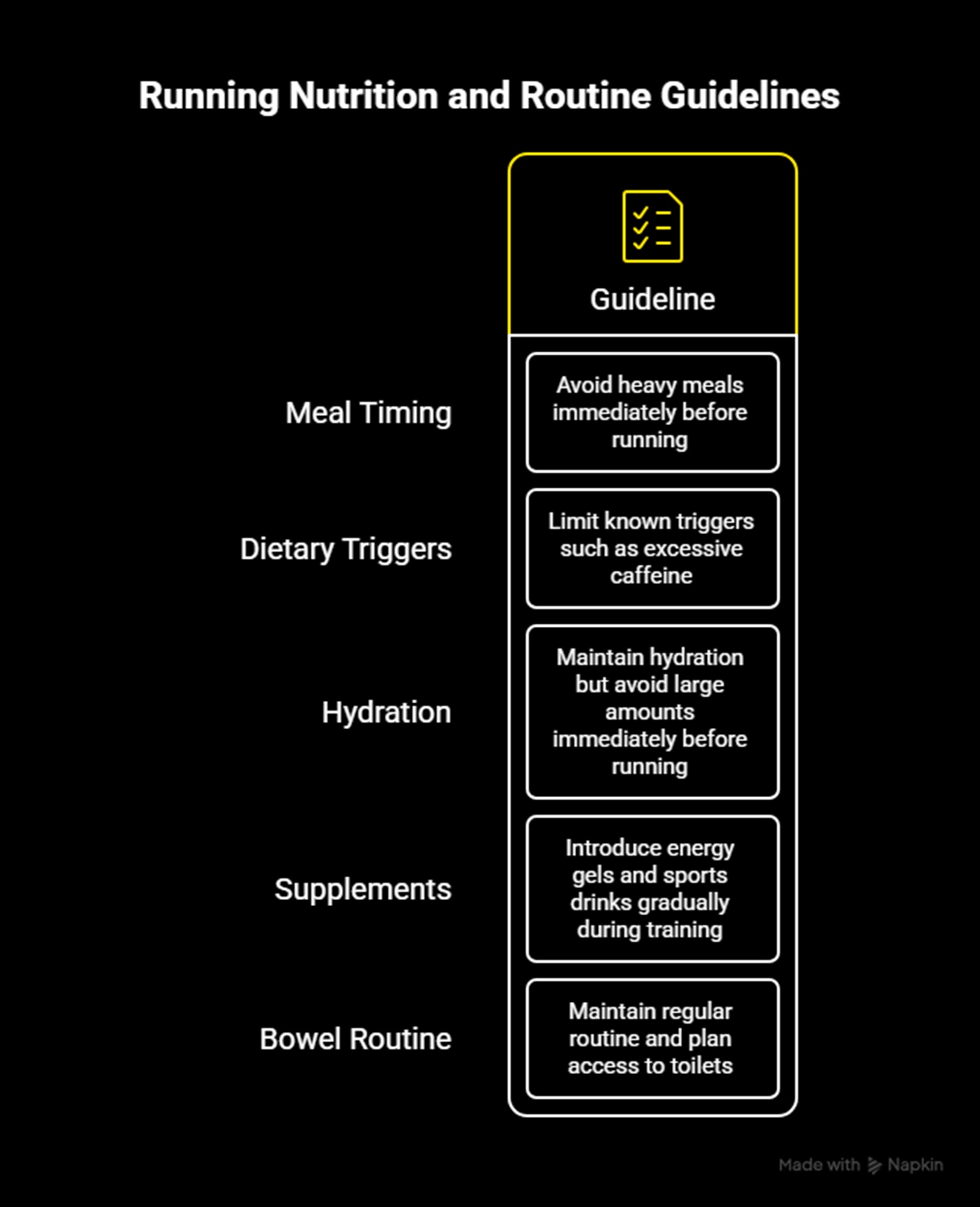
Pre-Event Preparation: A Multi-Faceted Approach
To minimize the risk of gastrointestinal problems before an endurance event, a strategic and personalized approach to pre-event preparation is essential. The overarching goal is to arrive at the starting line adequately fueled without overwhelming the digestive system.
Key recommendations include:
- Familiar and Easily Digestible Meals: Opt for meals that are known to be well-tolerated and primarily composed of easily digestible carbohydrates. Heavy meals should be avoided in the hours leading up to the event.
- Moderation of Fiber and Fat: While essential for overall health, high-fiber and very fatty foods may need to be moderated in the immediate pre-race period, depending on individual tolerance.
- Proactive Hydration: Hydration should commence well before the event, rather than relying on consuming large volumes of fluid immediately before or during exercise. This helps prevent dehydration, a known contributor to digestive issues.
- Personalized Nutrition Strategy: What works for one athlete may not work for another. Thoroughly testing pre-event meals and hydration strategies during training sessions is vital for identifying individual triggers and optimal fuel sources.
- Avoidance of Unfamiliar Foods: Race day is not the time to experiment with new foods or supplements. Stick to familiar, tried-and-tested options.
- Mindful Consumption of Sports Supplements: Be aware of the ingredients in sports drinks, gels, and energy bars. Opt for products with minimal artificial sweeteners and sugars if you have a sensitive stomach.
When to Seek Medical Advice: Beyond the "Normal"
While runner’s diarrhea can be a common, albeit unpleasant, consequence of intense exercise, it’s crucial to recognize when symptoms may indicate a more serious underlying issue. Dr. Zanwar strongly advises seeking professional medical evaluation if diarrhea, urgency, or faecal incontinence are:
- Recurring: Persistent episodes suggest more than just a one-off exertion-related issue.
- Severe: Intense or debilitating symptoms warrant investigation.
- Accompanied by Red Flags: The presence of blood in the stool, significant abdominal pain, fever, unexplained weight loss, or persistent changes in bowel habits are all warning signs that should not be ignored.
"If diarrhoea, urgency, or faecal incontinence keeps recurring, is severe, or is accompanied by blood in the stool, significant abdominal pain, fever, weight loss, or persistent changes in bowel habits, a gastroenterologist should assess the underlying cause rather than treating it as a normal consequence of training," Dr. Zanwar concludes.
The HYROX incident, while unfortunate, has served as a crucial catalyst for dialogue and change within the elite fitness community. It underscores that pushing the human body to its limits, while inspiring, also demands a profound understanding of its vulnerabilities. By fostering greater awareness, promoting personalized preparation, and ensuring robust organizational protocols, the world of extreme endurance can continue to thrive while prioritizing the health, safety, and dignity of every athlete.
