

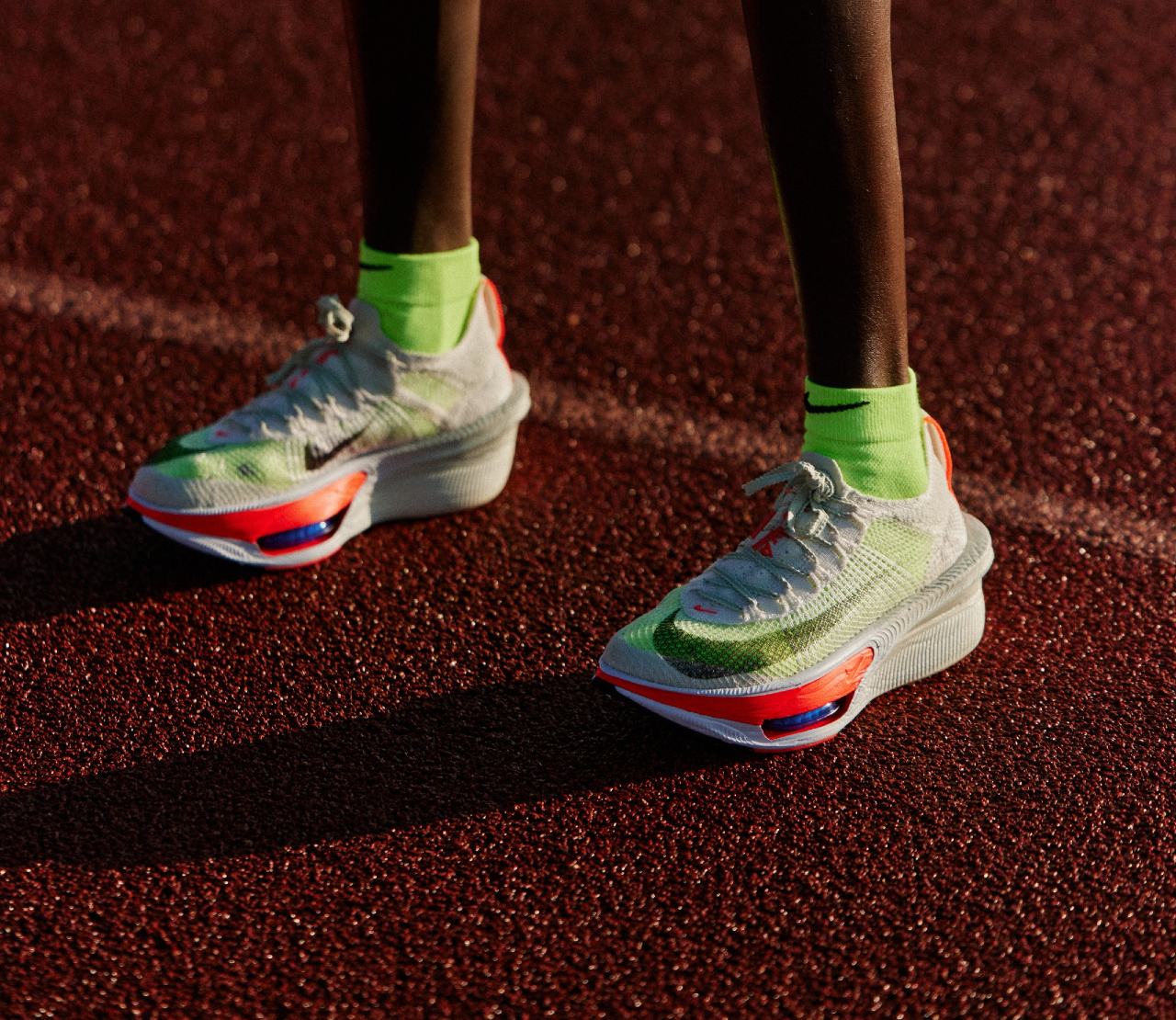
NEW DELHI – In a highly anticipated move, Nike has officially launched the Alphafly 4, the latest iteration of its groundbreaking marathon racing shoe, nearly three years after its acclaimed predecessor. Touted as the lightest and most responsive Alphafly to date, this fourth version is engineered to elevate the performance of runners across the spectrum, from elite athletes chasing world records to club-level and recreational enthusiasts striving for personal bests. Retailing at $280 and set to hit shelves on October 29, the Alphafly 4 isn’t just a shoe; it’s a meticulously crafted biomechanical marvel, deeply rooted in advanced sports science, promising an unprecedented 10 percent greater energy return than the Alphafly 3.
The Alphafly series has consistently pushed the boundaries of what’s possible in running footwear, a legacy that began with the audacious "Breaking2" project. The Alphafly 4 continues this tradition, refining its core philosophy: to store more of a runner’s kinetic energy and return a larger percentage of it with each stride, thereby significantly enhancing running efficiency. This concept, central to Nike’s "running economy" metric – which quantifies how efficiently a runner utilizes oxygen during sustained effort – underpins every design choice in the Alphafly 4. The result is a shoe poised to redefine marathon performance, offering a softer, quieter, and more stable ride, particularly crucial during the punishing latter stages of a race.
The Genesis of Speed: A Chronology of the Alphafly Legacy
The journey of the Alphafly series is a testament to Nike’s relentless pursuit of innovation, a narrative intricately woven with the ambition to conquer seemingly insurmountable athletic barriers.
The Breaking2 Project: A Vision Takes Hold (2017)
The lineage of the Alphafly began not with a shoe, but with a daring vision: to help a human run a marathon in under two hours. Launched in 2017, Nike’s "Breaking2" project brought together an elite team of engineers, designers, and scientists, alongside some of the world’s most formidable marathoners, most notably Kenya’s Eliud Kipchoge. The objective was clear: to engineer footwear that could maximize running efficiency to an unprecedented degree. This intensive research and development effort led to the creation of the Vaporfly series, characterized by its revolutionary ZoomX foam midsole and a full-length carbon-fibre plate. While Kipchoge famously missed the two-hour mark by a mere 26 seconds during the inaugural Breaking2 attempt on the Monza Formula 1 track, the project laid critical groundwork. The lessons learned about energy return, cushioning, and biomechanics proved invaluable, establishing the technological bedrock for what would eventually become the Alphafly.
The INEOS 1:59 Challenge: History Made (2019)
Two years later, armed with refined technology and an unyielding spirit, Eliud Kipchoge once again stepped onto the world stage for the INEOS 1:59 Challenge in Vienna. This time, he wore a prototype of a new, even more advanced racing shoe – the Alphafly. On October 12, 2019, Kipchoge made history, becoming the first person to complete a marathon in under two hours, clocking an astonishing 1:59:40. The sight of him crossing the finish line in the then-revolutionary footwear instantly propelled the Alphafly prototype into the global spotlight, sparking both awe and intense debate within the running community.
The Official Launch and Subsequent Iterations (2020-2023)
Building on the momentum of Kipchoge’s historic feat, Nike officially launched the first Alphafly to the public in early 2020. This inaugural model featured a distinctive knitted Atomknit upper, a full-length carbon-fibre plate nestled within a thick ZoomX midsole, and two prominent, exposed Zoom Air pods in the forefoot. It was an instant game-changer, quickly adopted by elite and amateur runners alike, leading to a cascade of personal bests and new course records.
The Alphafly 2 followed, refining elements like stability and upper comfort, while the Alphafly 3, launched a few years later, further optimized weight distribution and overall integration of its components, solidifying its reputation as a premier racing shoe. Each iteration sought to build upon the successes of its predecessor, incrementally improving performance through meticulous engineering and athlete feedback.
The Alphafly 4 Arrives: The Pinnacle of Evolution (2026)
Now, with the launch of the Alphafly 4, Nike continues this tradition of relentless innovation. Emerging nearly three years after the Alphafly 3, this latest model represents the culmination of years of research, athlete testing, and advanced manufacturing techniques. It is designed not merely to improve upon its predecessors, but to set a new benchmark for speed, efficiency, and runner experience in marathon racing.
The Science of Speed: Supporting Data and Engineering Innovations
The Alphafly 4 is not just an incremental update; it’s a testament to Nike’s sophisticated approach to sports science, driven by rigorous research and cutting-edge engineering.
Unpacking the Biomechanics and Research
At the heart of the Alphafly 4’s superior performance lies the pioneering work conducted at the Nike Sport Research Lab (NSRL). As detailed in a recent media briefing attended by indianexpress.com, NSRL employed advanced biomechanics research and mechanical testing to predict and enhance athlete performance. This involved developing a sophisticated mechanical model that directly links specific shoe properties – such as foam density, plate stiffness, and airbag configuration – to an athlete’s running economy.
Biomechanics data quantifies precisely how midsole materials store and return energy, allowing Nike engineers to predict potential performance gains even before a physical prototype is built. This scientific approach has dramatically accelerated product development, enabling the precise tuning of components like foams, carbon-fibre plates, and Air Zoom units to optimize energy return, cushioning, and overall comfort. The ability to simulate and test mechanical properties virtually means fewer iterations and faster, more targeted improvements.
Innovations in Cushioning and Midsole Technology
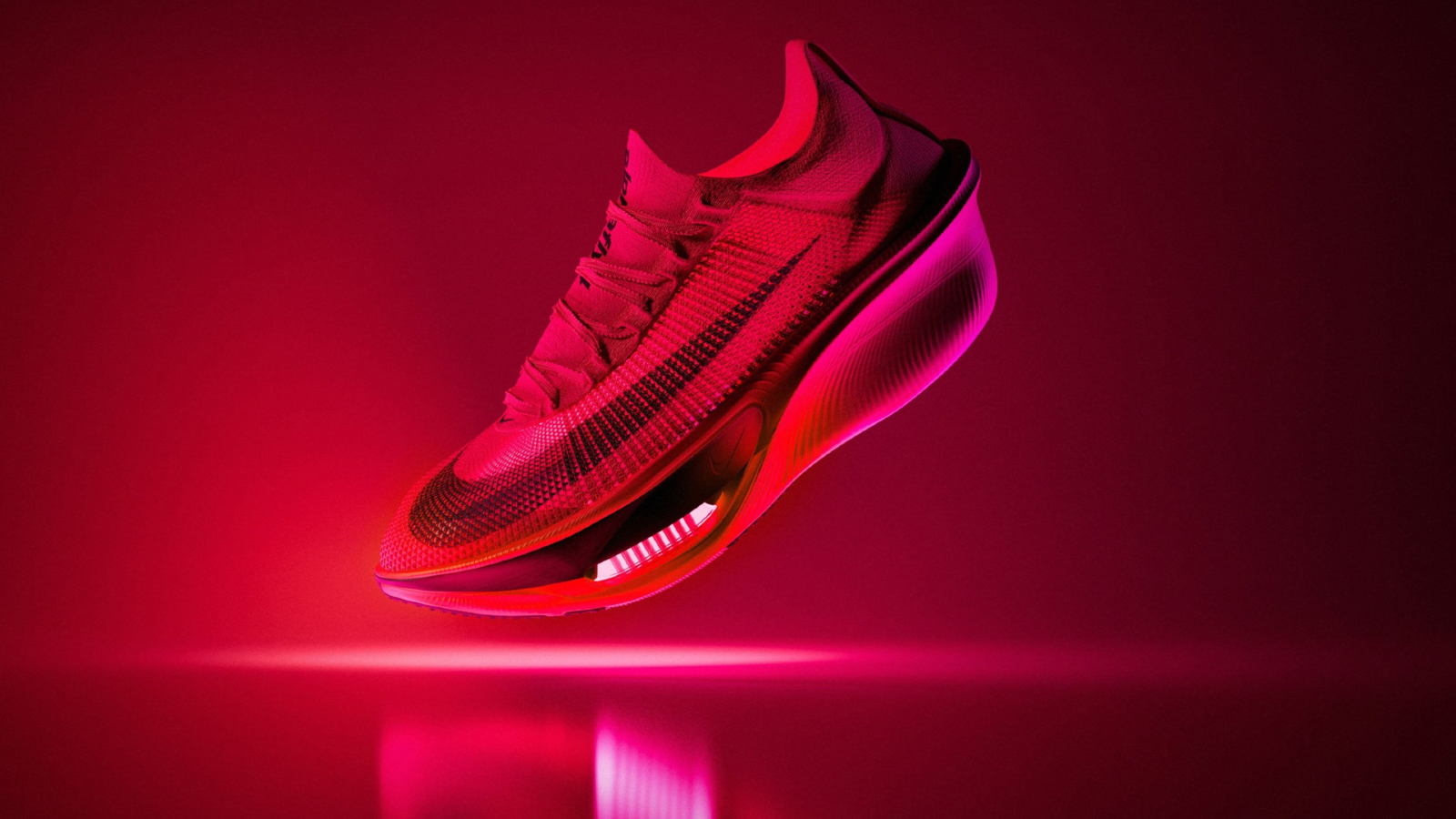
The Alphafly 4 introduces a revolutionary dual-density foam system, combining the renowned responsiveness of Nike’s ZoomX foam with an entirely new compound: ZoomX LT foam. The "LT" designation, signifying "lightweight," is no mere marketing ploy; this new foam is 17 percent lighter and delivers an impressive 8 percent more energy return than standard ZoomX. Strategically layered above and below the carbon-fibre Flyplate, the ZoomX LT foam creates a springier, more propulsive ride without adding bulk.
The carbon-fibre Flyplate itself has undergone significant refinement. The Alphafly 4 features a more pronounced scoop geometry compared to the Alphafly 3, designed to create a more aggressive lever effect that propels the runner forward. Coupled with a wider base, the Flyplate now offers a broader overall platform, enhancing stability, and a more noticeable rocker in the forefoot, promoting a smoother, more efficient toe-off.
The iconic dual Air Zoom pod units, visible in the forefoot, remain a cornerstone of the Alphafly’s design. However, for the Alphafly 4, these units are manufactured using a new process that makes them both lighter and softer than those in the previous model. This subtle but impactful change contributes to a more cushioned feel and even greater energy return precisely where runners need it most – at the point of propulsion.
Outsole and Stability Enhancements
Addressing one of the minor critiques of its predecessor, the Alphafly 3, which was known for being relatively loud during runs, the Alphafly 4 introduces a new outsole material called Light Shot. The combination of this innovative outsole and the updated Air Zoom pods results in a noticeably quieter ride. This "acoustic stealth" is not just about comfort; Nike suggests it offers a tactical advantage, allowing athletes to pass competitors with less auditory distraction in the critical late stages of a race.
Beyond sound, the Alphafly 4 significantly improves force loading, joint rotation smoothness, and lateral stability. Force-plate measurements conducted by Nike reveal reduced impact forces, translating into a perceptibly softer and more protective ride. Crucially, the shoe is engineered to prevent sudden biomechanical breakdowns that often occur at critical late-race points, such as the infamous "mile 20 wall," by providing consistent support and energy return when fatigue begins to set in.
Weight Reduction and Performance Metrics
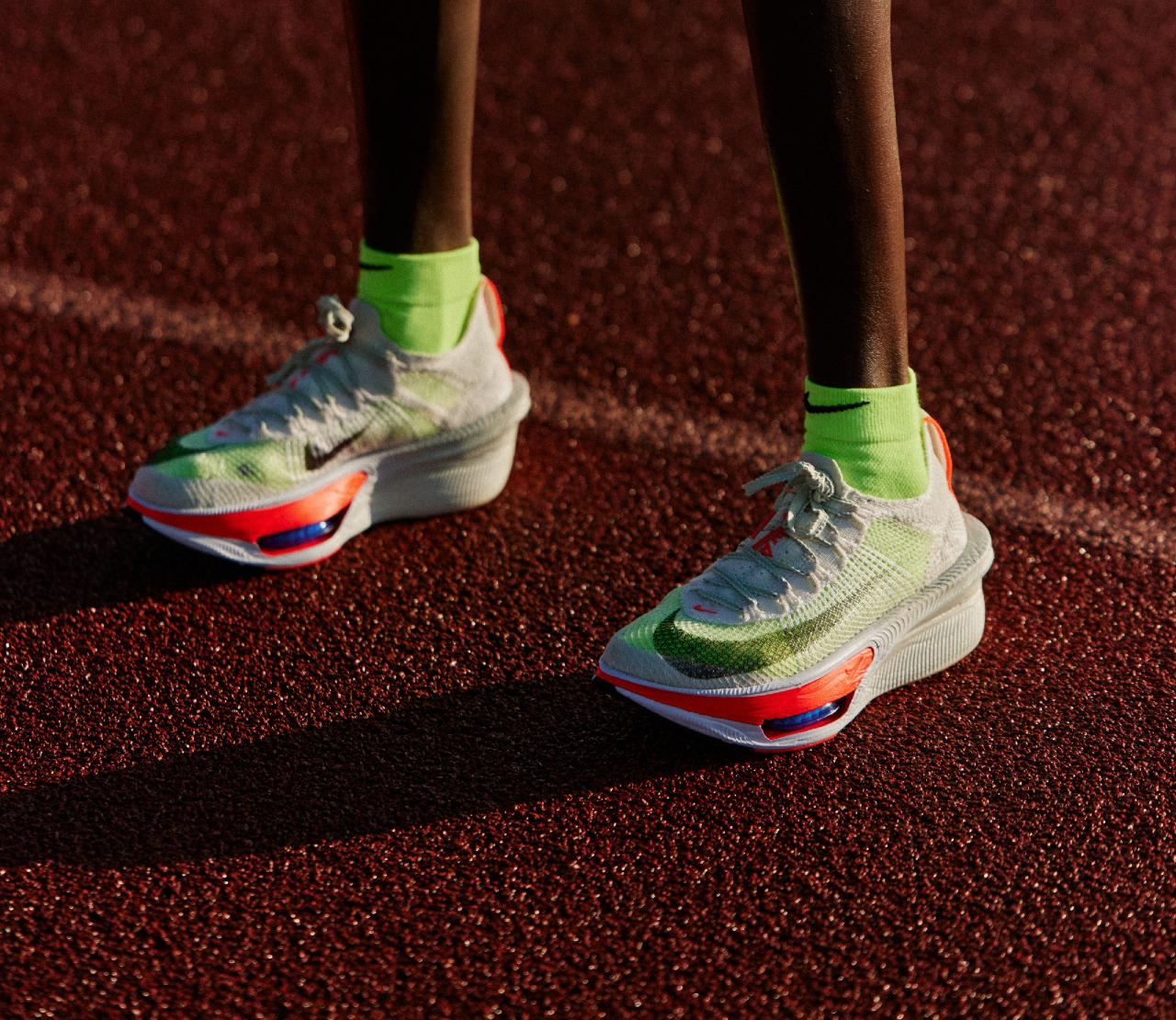
The Alphafly 4 sets a new standard for lightweight performance. Weighing in at just 208 grams for a men’s size 10 and 168 grams for a women’s size 8, the new shoe is a remarkable 5 percent lighter than the Alphafly 3. This significant weight reduction is achieved without compromising the essential stability and energy return that are vital for managing fatigue and maintaining pace throughout the entirety of a marathon. This lighter profile, combined with the 10 percent increase in energy return, positions the Alphafly 4 as an undeniable advantage for runners seeking to optimize every stride.
Athlete-Centric Design: Official Responses and Global Insights
Nike’s design philosophy for the Alphafly 4 is deeply rooted in collaboration with athletes, understanding that true innovation stems from real-world application and feedback.
The Indispensable Role of Athlete Feedback
Nike has consistently emphasized the crucial role of athlete input in the development cycle of the Alphafly 4. This feedback loop is multifaceted, encompassing direct conversations with elite runners, extensive wear testing across varied terrains and conditions, and detailed biomechanical measurements conducted both in the lab and during actual training sessions. This holistic approach ensures that theoretical advancements translate into tangible performance benefits for the user.
When questioned by indianexpress.com about whether insights from Indian runners and athletes were incorporated into the Alphafly 4’s design, a Nike spokesperson clarified the company’s global perspective: "Nike does not design Alphafly 4 around a specific geography or demographic. Instead, the shoe was informed by feedback from runners across a wide range of backgrounds, abilities and experience levels around the world." This statement underscores Nike’s commitment to creating a universally optimized product, drawing on a diverse pool of athletic experience rather than tailoring to specific regional demands.
The spokesperson further elaborated on the synergy between qualitative feedback and quantitative data: "Data helps us connect athlete feedback with measurable performance outcomes. Athlete insights help us identify the problems worth solving, while biomechanical research, wear testing and lab testing help us understand how runners move and validate how a solution performs." This integrated approach ensures that design changes are not only informed by runner experience but also validated by scientific evidence, creating a product that is both intuitively comfortable and objectively efficient.
The Tactical Advantage of "Acoustic Stealth"
The deliberate reduction in noise, a unique feature highlighted by Nike for the Alphafly 4, also reflects this deep understanding of the runner’s experience, particularly in competitive scenarios. While seemingly minor, the ability to run more quietly can offer a subtle tactical advantage in a race, allowing an athlete to approach and pass competitors with less audible warning, thus maintaining an element of surprise and psychological edge in the demanding final kilometers. This attention to detail exemplifies how Nike considers every aspect of the race experience in its design.
Implications: Redefining the Marathon Landscape
The launch of the Alphafly 4 carries significant implications for the future of marathon running, the competitive footwear market, and the broader relationship between technology and athletic performance.
Redefining Marathon Running Performance
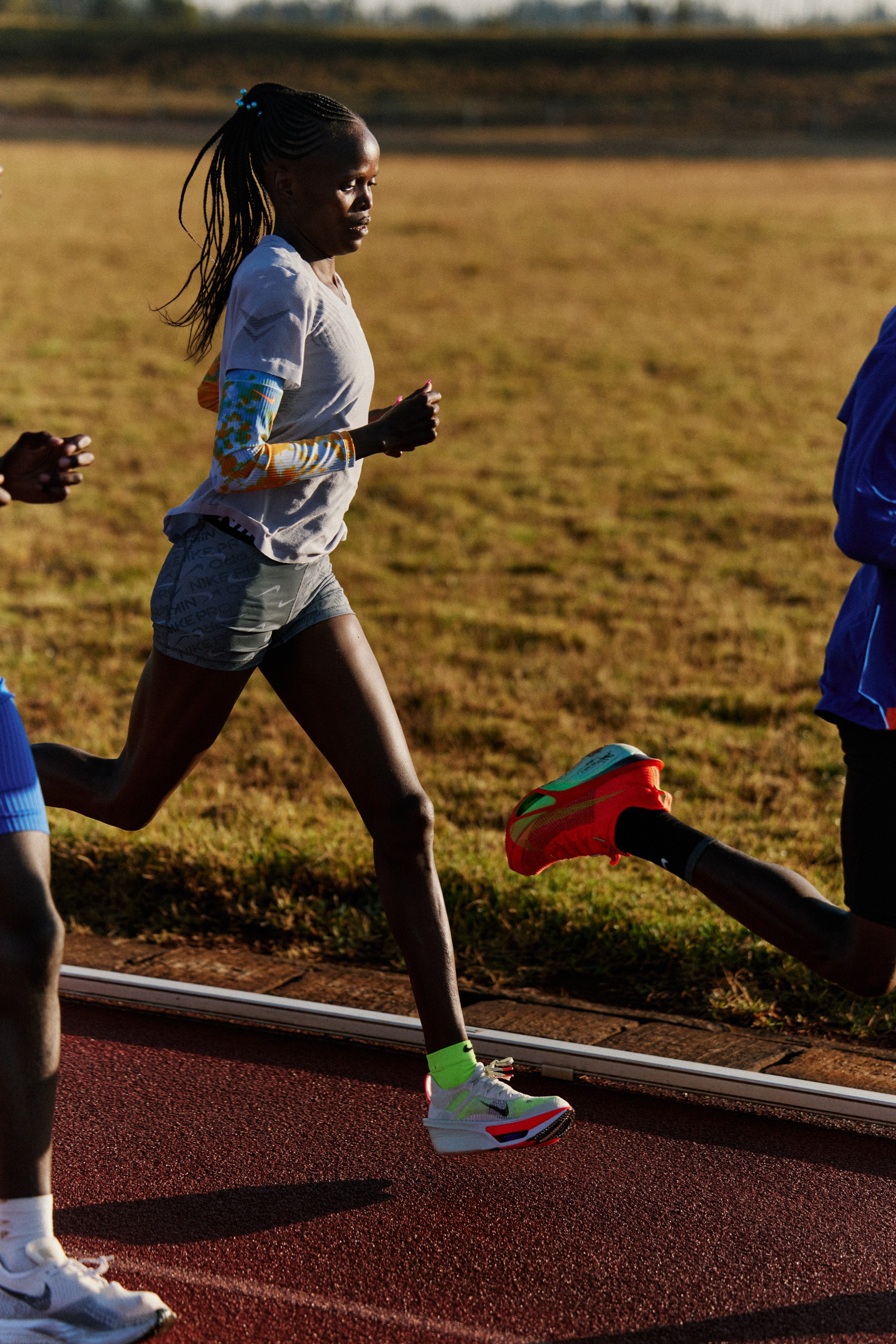
The Alphafly 4, with its enhanced energy return and lightweight design, is poised to further redefine what is achievable in marathon running. For elite athletes, this could mean shaving crucial seconds off personal bests and world records, pushing the boundaries of human endurance even further. For amateur and recreational runners, the promise of increased efficiency and reduced fatigue could translate into faster times, a more enjoyable race experience, and a greater sense of accomplishment, making ambitious goals feel more attainable. The "super shoe" phenomenon, largely ignited by the Alphafly’s predecessors, will undoubtedly continue to inspire new training methodologies and race strategies.
The Competitive Landscape and the "Arms Race"
Nike’s continuous innovation with the Alphafly 4 will intensify the ongoing "arms race" among sports footwear manufacturers. Competitors like Adidas, Hoka, Brooks, and Saucony have all introduced their own carbon-plated, highly cushioned racing shoes in response to Nike’s advancements. The Alphafly 4 raises the bar once again, compelling other brands to accelerate their research and development efforts, leading to a vibrant and highly competitive market that ultimately benefits runners through increasingly sophisticated products. This constant push for innovation ensures that the cutting edge of running shoe technology is always advancing.
Accessibility, Inclusivity, and the Trickle-Down Effect
Despite its premium price point and elite origins, Nike pitches the Alphafly 4 as a shoe for "all runners." While not every runner will invest in a $280 racing shoe, the technologies pioneered in the Alphafly series invariably trickle down into more accessible models. Elements like advanced foam compounds, plate geometries, and improved outsole materials often find their way into Nike’s mid-range and everyday training shoes, making performance-enhancing features available to a wider demographic. This democratizes innovation, ensuring that the benefits of cutting-edge research eventually reach a broader community of runners.
Ethical Considerations and Regulation in Sports
The advent of "super shoes" like the Alphafly has not been without its controversies, particularly regarding fair play and athletic integrity. World Athletics, the global governing body for track and field, has already implemented regulations concerning stack height and the number of carbon plates allowed in competition shoes to ensure a level playing field. While the Alphafly 4 operates within these current guidelines, its continued advancement will likely reignite debates about the balance between technological advantage and inherent human performance, prompting ongoing scrutiny and potential adjustments to sporting regulations.
The Future of Footwear Innovation
The Alphafly 4 stands as a testament to the future of footwear innovation, where advanced materials science, biomechanical engineering, and data-driven athlete feedback converge. Looking ahead, we can anticipate further integration of smart technologies, personalized fit solutions driven by AI and 3D scanning, and sustainable manufacturing practices becoming increasingly central to the design process. The continuous evolution of the Alphafly series underscores a future where athletic footwear is not merely an accessory, but an integral performance tool, seamlessly blending science and sport to unlock new levels of human potential.
With the Alphafly 4, Nike once again solidifies its position at the vanguard of running shoe technology, offering a product that promises not just speed, but a more efficient, comfortable, and strategically advantageous marathon experience for every runner who laces them up.
