

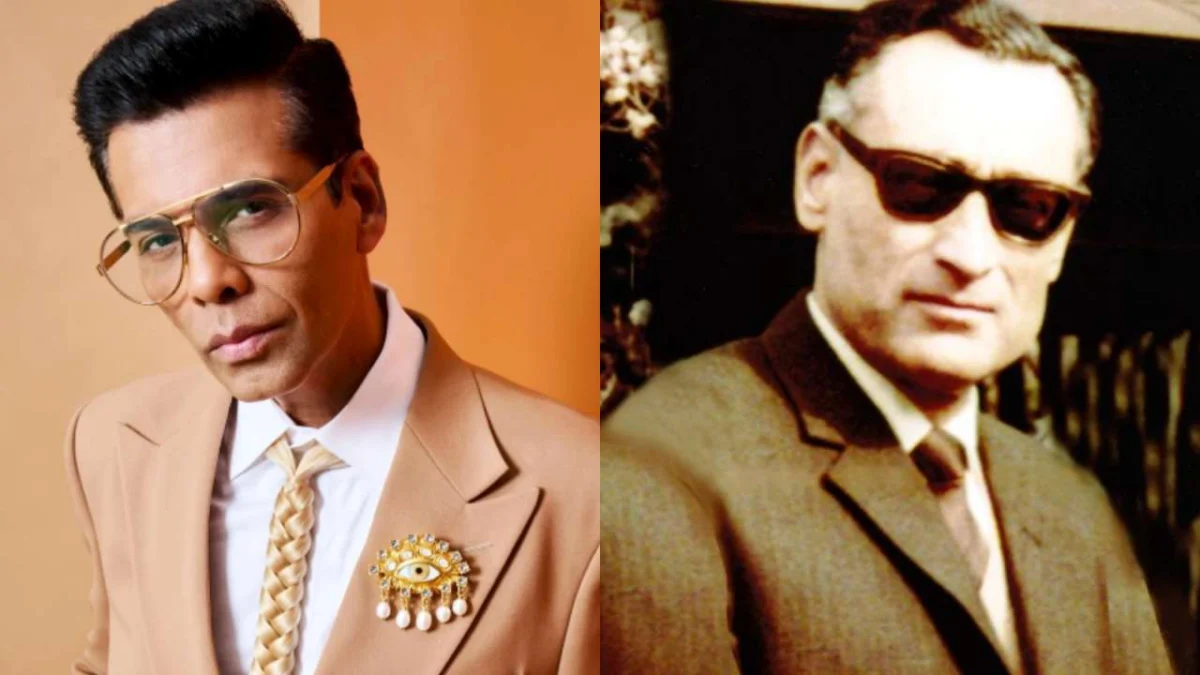
Mumbai, India – September 21, 2026 – In a move poised to captivate audiences with tales of covert operations and strategic brilliance, acclaimed filmmaker Karan Johar, through his production house Dharma Productions, has officially announced an ambitious feature film chronicling the extraordinary life of Rameshwar Nath Kao, the visionary founder of India’s external intelligence agency, the Research and Analysis Wing (R&AW). The yet-untitled espionage thriller, slated for a grand theatrical release on August 11, 2028, strategically positioned within the patriotic fervor of the Independence Day weekend, promises to be a cinematic spectacle of unprecedented scale.
This significant announcement arrives precisely on the 58th anniversary of R&AW’s inception, a deliberate choice by the filmmakers to honor the agency’s enduring legacy. The film is poised to hit screens in 2028, marking the 60th year of this vital institution that has silently safeguarded India’s national interests on the global stage. The project, a collaboration between Dharma Productions and Leo Media Collective, is deeply rooted in the critically acclaimed book, "Gentleman Spymaster," penned by renowned journalist and security analyst Nitin Gokhale.
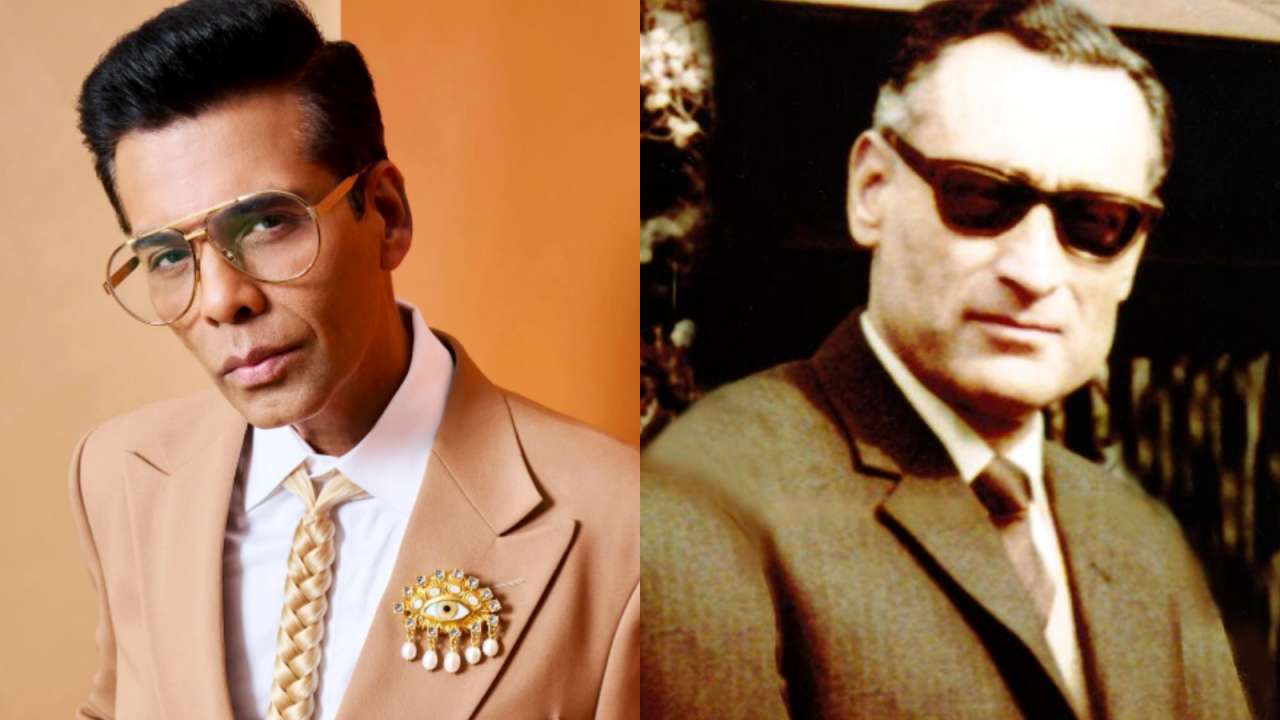
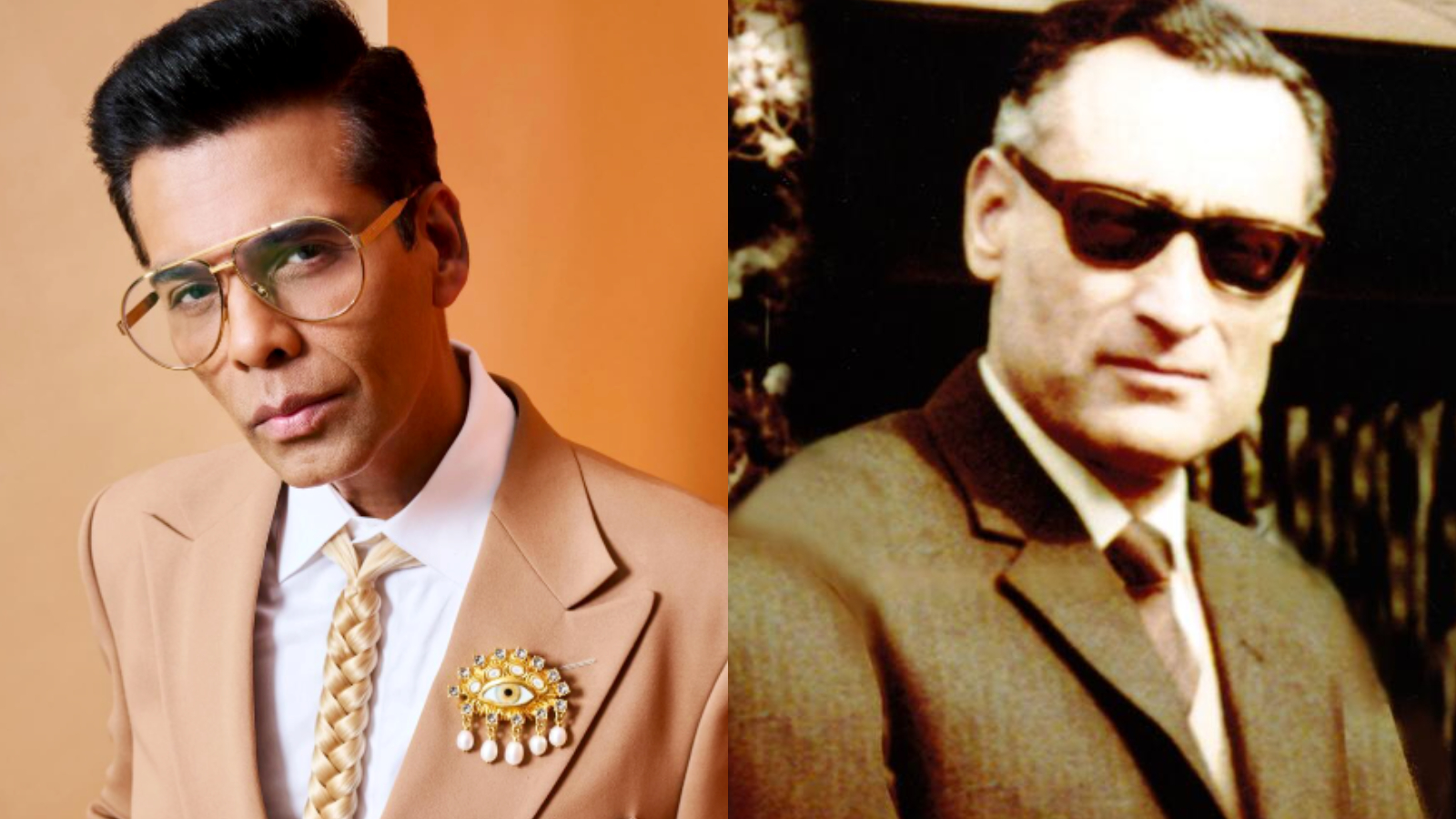
Karan Johar, known for his diverse cinematic contributions, expressed his profound excitement about bringing Kao’s compelling narrative to the forefront. "He built the invisible…but history remembers his impact," Johar stated in a heartfelt social media post accompanying the announcement. "Today marks 58 years of R&AW and we’re thrilled to announce our film on the story of R.N. Kao, the man who operated in the shadows & brought to light an institution we know today as R&AW – and its first mission. Based on the book Gentleman Spymaster by Nitin Gokhale, his story comes alive on big screens on 11 August, 2028."
The film is envisioned as a "big scale espionage actioner," a genre that demands meticulous research, intricate plotting, and breathtaking execution. Leo Media Collective has reportedly been engaged in extensive research and narrative development for the past two years, ensuring an authentic and compelling portrayal of Kao’s life and the nascent years of R&AW.
)
The Genesis of an Intelligence Giant: A Glimpse into R.N. Kao’s Vision
Rameshwar Nath Kao, often referred to as the "Father of India’s Spycraft," was a pivotal figure in shaping India’s national security apparatus. His foresight and strategic acumen were instrumental in establishing an intelligence agency capable of navigating the complex geopolitical landscape of the post-colonial era. Prior to the formation of R&AW, India’s intelligence gathering was fragmented, primarily handled by the Intelligence Bureau (IB), which was more focused on internal security. Kao recognized the critical need for a dedicated external intelligence agency to monitor threats and opportunities beyond India’s borders.
Born in 1918, Kao had a distinguished career in the Indian Police Service (IPS) before his monumental role in founding R&AW. His tenure saw him rise through the ranks, honing his analytical skills and developing a deep understanding of international affairs. It was under his leadership, commencing in 1968, that R&AW was established as an independent entity, tasked with gathering intelligence on foreign nations and providing actionable insights to the Indian government. This move was a significant step towards enhancing India’s strategic autonomy and projecting its influence on the world stage.

The film aims to delve into the crucial period from 1955 to 1971, a transformative era for India. This timeline encompasses the growing recognition of the need for a robust external intelligence framework, the meticulous planning and eventual establishment of R&AW, and its crucial role in pivotal geopolitical events, most notably the 1971 Indo-Pakistani War. This war, which led to the creation of Bangladesh, was a testament to the effectiveness of R&AW’s intelligence gathering and strategic support.
A Cinematic Endeavor: From Book to Big Screen
The cinematic adaptation of "Gentleman Spymaster" by Nitin Gokhale offers a rich tapestry of historical events and the personal journey of R.N. Kao. Gokhale’s book is lauded for its in-depth research, drawing upon declassified documents, interviews with key figures, and meticulous historical analysis. It provides an unparalleled insight into the clandestine world of espionage, the challenges faced by early intelligence operatives, and the strategic brilliance that defined R.N. Kao’s leadership.
)
The film’s narrative is expected to highlight Kao’s innovative approaches to intelligence gathering, his ability to cultivate a network of informants, and his knack for anticipating adversaries’ moves. It will likely showcase the intricate planning and execution of R&AW’s early missions, emphasizing the bravery and dedication of the agents who operated under immense pressure and often with little recognition. The period covered, from the mid-1950s to the early 1970s, was a time of significant geopolitical flux, with the Cold War casting a long shadow and India navigating its position as a newly independent nation.
Karan Johar’s decision to helm this project signifies a departure from his more conventional romantic comedies and dramas, venturing into the territory of historical biopics and espionage thrillers. This choice underscores his ambition to explore diverse storytelling avenues and contribute to cinematic narratives that celebrate unsung heroes and pivotal moments in Indian history. Dharma Productions’ track record with films like "Kesari," "Raazi," and "Shershaah," which have explored themes of valor and patriotism, suggests a commitment to delivering a high-quality and impactful cinematic experience.
)
Production Milestones and Future Prospects
The announcement has generated considerable anticipation within the film industry and among audiences alike. While the film is still in its nascent stages of development, the makers have set a clear timeline for its realization. The production is slated to commence by mid-2027, allowing ample time for pre-production, casting, and the intricate logistics involved in creating a large-scale espionage thriller.
Details regarding the director, lead cast, and other key crew members are being kept under wraps for the moment. However, industry insiders have hinted at the involvement of an "A-lister" to spearhead the project, a decision that would undoubtedly add significant star power and audience draw. The casting process will be crucial in finding actors who can embody the gravitas, intelligence, and subtle intensity required for such roles.
)
The choice of August 11, 2028, for the release date is a strategic masterstroke. Releasing during the Independence Day weekend imbues the film with patriotic resonance and allows it to tap into the national sentiment. Furthermore, the proximity to the 60th anniversary of R&AW in 2028 amplifies the significance of the release, positioning it as a fitting tribute to the agency’s enduring contribution to national security.
The Legacy of R.N. Kao: A Legend in Spycraft
R.N. Kao is revered not just within India but also globally for his contributions to the field of intelligence. His professional demeanor, strategic foresight, and unwavering commitment to national service have earned him immense respect among his peers and successive generations of intelligence professionals. Many former R&AW chiefs have spoken glowingly of Kao’s mentorship and his ability to instill a culture of professionalism and strategic thinking within the agency.
)
His legacy extends beyond the operational successes of R&AW. Kao is credited with laying the foundational principles of intelligence gathering, analysis, and dissemination that continue to guide the agency today. He understood the importance of human intelligence (HUMINT) and technical intelligence (TECHINT), and his strategic vision ensured that India developed a robust capability in both domains. His leadership during a critical period in India’s history was instrumental in shaping its foreign policy and its ability to counter external threats effectively.
The film’s narrative is expected to shed light on these aspects, offering audiences a rare glimpse into the mind of a spymaster and the intricate workings of an intelligence agency. It has the potential to not only entertain but also educate viewers about the vital role that intelligence plays in safeguarding a nation’s sovereignty and interests.
)
Broader Implications and National Security Discourse
The announcement of a film on R.N. Kao and the early days of R&AW comes at a time when national security and intelligence capabilities are increasingly under the spotlight. In an interconnected world facing evolving threats, understanding the genesis and evolution of India’s intelligence apparatus becomes crucial. This film has the potential to foster a greater public appreciation for the work of intelligence agencies and the sacrifices made by their personnel.
It also opens avenues for discussions on the ethical considerations of espionage, the balance between secrecy and transparency, and the complex geopolitical dynamics that necessitate such agencies. By bringing Kao’s story to a mainstream audience, the film can contribute to a more informed national discourse on security matters.
)
Furthermore, the film’s success could pave the way for more cinematic explorations of India’s defense and intelligence history, a vast and largely untapped reservoir of compelling narratives. It highlights the growing trend of Indian cinema venturing into genres that explore historical figures and critical national events, moving beyond conventional storytelling to engage with subjects of national importance.
The collaboration between Dharma Productions and Leo Media Collective, coupled with the strategic release timing and the subject matter, suggests a project with significant potential to be a critical and commercial success. As the film progresses through its production stages, audiences will eagerly await further details, including the casting choices and the directorial vision that will bring the story of R.N. Kao, the architect of Indian espionage, to life on the silver screen. This cinematic endeavor promises to be a thrilling tribute to a man who operated in the shadows, but whose impact resonates profoundly in the annals of India’s history.
